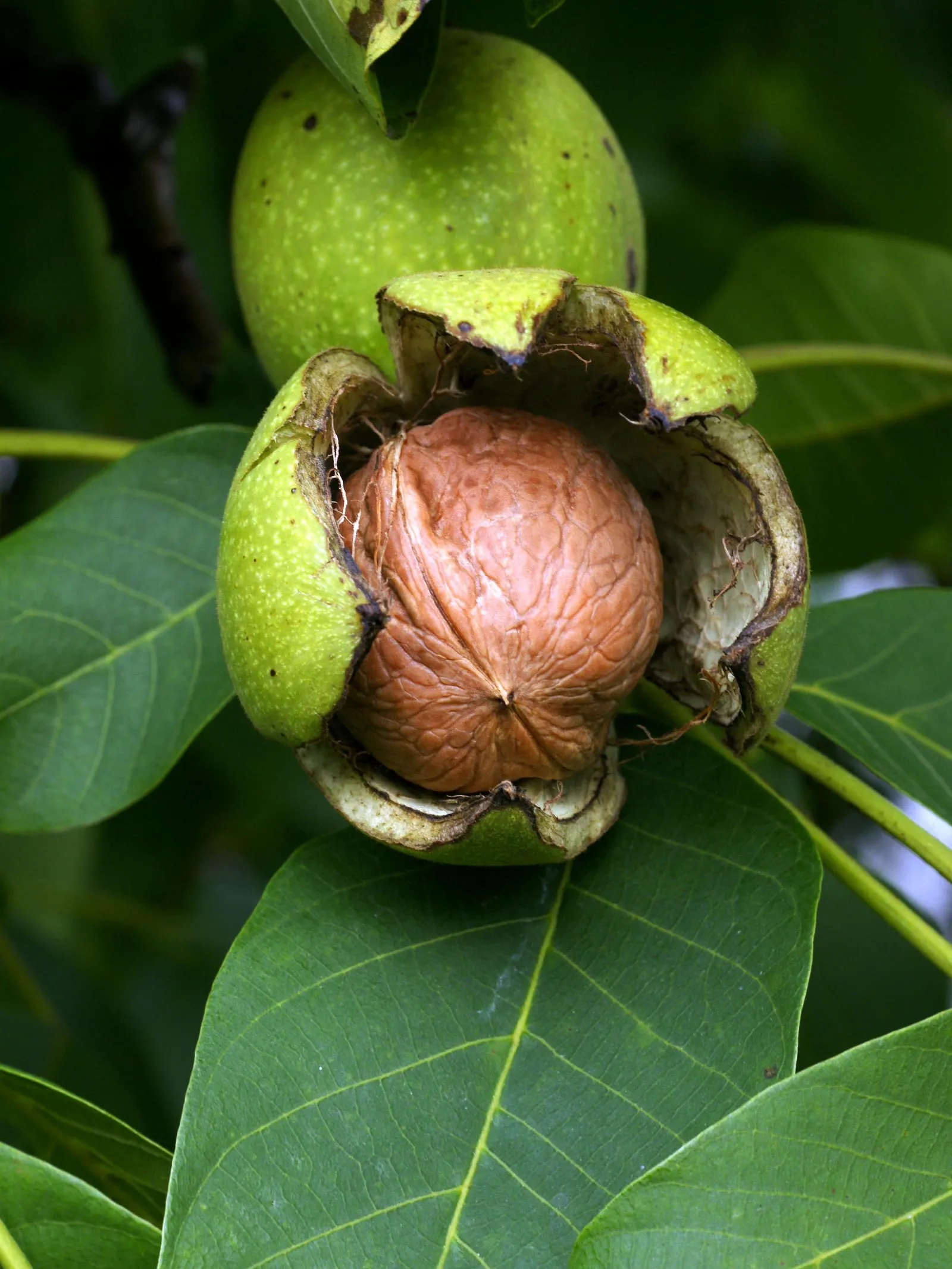
nut in zone 9a
Growing english walnut in zone 9a
Juglans regia
- Zone
- 9a 20°F to 25°F
- Growing season
- 290 days
- Chill needed
- 500 to 800 below 45°F
- Suitable varieties
- 1
- Days to harvest
- 150 to 200
The verdict
Zone 9a sits at the warm edge of English walnut's viable range, and the chill-hour gap is the defining constraint. Most standard English walnut varieties require 700 to 800 chill hours (hours below 45°F accumulated between November and February), while zone 9a locations typically accumulate 300 to 500 hours in favorable winters, and often fewer during warm years. That shortfall eliminates most named varieties outright.
Chandler is the practical exception. Bred for California's Sacramento Valley, it bears acceptably at 400 to 500 chill hours and tolerates incomplete chilling without total crop failure. Even so, zone 9a is marginal territory for Chandler. Warm winters reduce nut set and push bloom earlier, which narrows the frost-safety window and increases exposure to erratic spring weather.
Growers in cooler zone 9a microclimates, particularly at moderate elevation or under coastal marine influence, may accumulate sufficient chill to support Chandler reliably. In flat inland valley locations with minimal marine influence, expect irregular bearing in warm winters rather than consistent production.
Recommended varieties for zone 9a
1 cultivar suited to this zone, with disease-resistance and zone-fit annotations.
| Variety | Notes | Zone fit | Disease resistance |
|---|---|---|---|
| Chandler fits zone 9a | Sweet, mild, large light kernels; the California commercial standard for shelling and export. Productive late-leafing variety that dodges spring frost. | | none noted |
Critical timing for zone 9a
English walnut blooms March through early April across most of zone 9a, with the warmest sites occasionally pushing bloom into late February following unusually mild winters. Zone 9a's last average frost typically falls between January 15 and February 15, which means late frost events can intersect with the bloom window in many years.
Chandler is among the earlier-blooming English walnut selections, which narrows the frost-safety margin compared to later cultivars. Walnut is a later-leafing species relative to most stone fruits, which provides some inherent protection against early cold snaps, but that buffer compresses significantly when warm winters accelerate spring development.
Harvest runs September through October. Zone 9a's 290-day growing season provides adequate fill time when spring pollination succeeds. Husk split is the reliable harvest indicator regardless of calendar date.
Common challenges in zone 9a
- ▸ Limited stone fruit options due to insufficient chill
- ▸ Hurricane and tropical storm exposure
- ▸ Citrus disease pressure
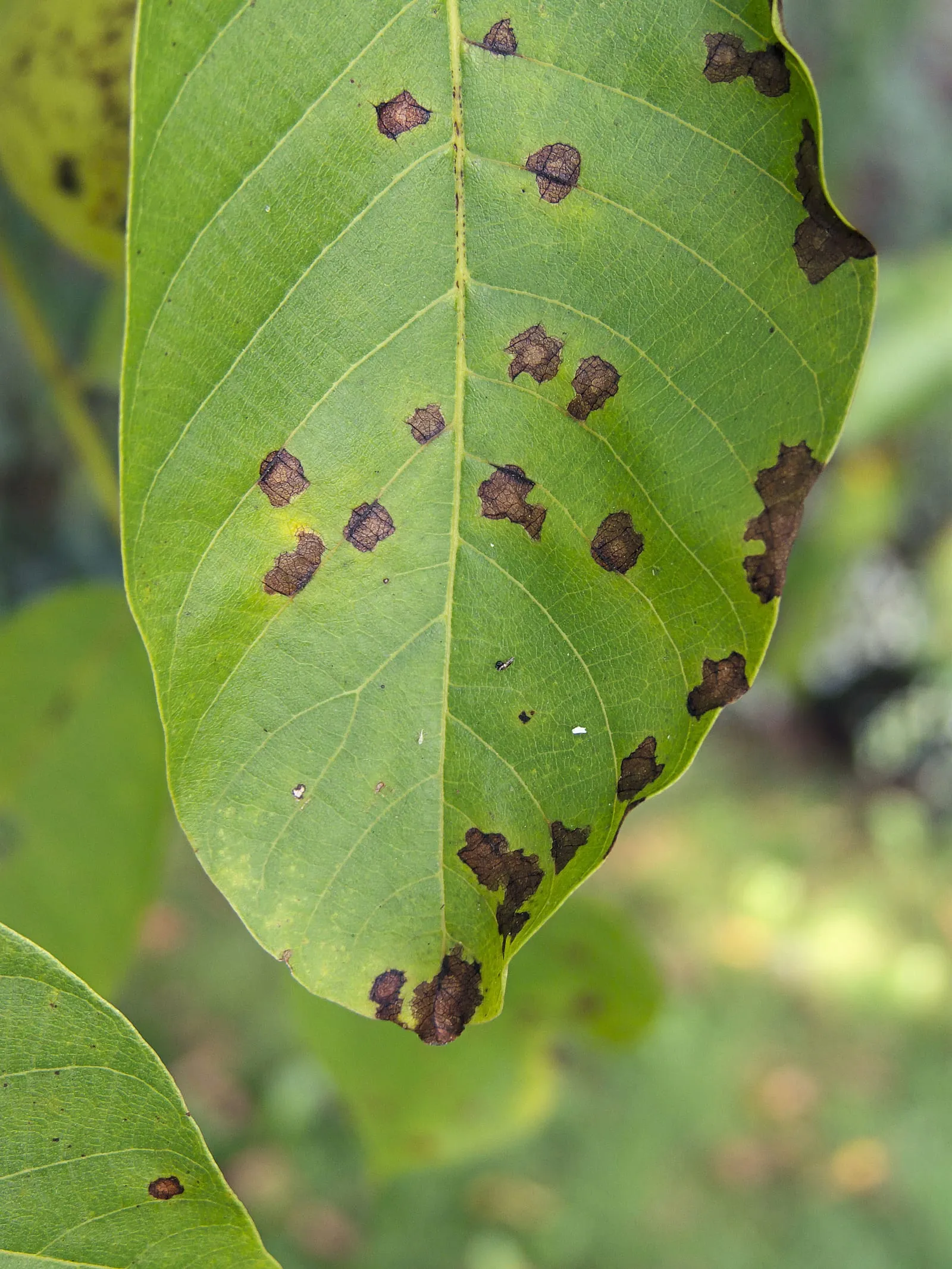
Disease pressure to watch for
Modified care for zone 9a
The central management adjustment in zone 9a is chill-hour monitoring. Tracking local accumulation through winter with a min-max thermometer allows growers to calibrate yield expectations early in the season rather than diagnosing poor nut set as a cultural failure in fall.
Walnut anthracnose intensifies under warm, wet spring conditions. Zone 9a's combination of warm temperatures and spring rainfall creates favorable conditions for spore spread during leaf emergence. Copper-based fungicide applications timed at budbreak, specifically at the first leaf unfolding, reduce early-season infection pressure.
Storm exposure is a structural concern throughout zone 9a's hurricane and tropical storm corridor. Young walnut trees benefit from staking through the first three years, and scaffold training should favor a lower, wider crown rather than the tall open structure more typical in calm-climate regions. English walnut's branch wood is prone to wind breakage, and a lower center of gravity reduces storm damage risk substantially.
Frequently asked questions
- Can English walnut grow in zone 9a?
English walnut is marginal in zone 9a. Most varieties need 700 to 800 chill hours, which zone 9a rarely provides. Chandler, a lower-chill selection requiring roughly 400 to 500 hours, is the only variety with a realistic chance, and even it will bear inconsistently in warm winters.
- What English walnut variety is best for zone 9a?
Chandler is the only English walnut variety with established performance data at zone 9a chill levels. It was developed for California's Sacramento Valley, where chill-hour accumulation overlaps with the warmer end of zone 9a's range.
- When do English walnuts bloom in zone 9a?
Bloom typically occurs March through early April in zone 9a, though warm winters can push Chandler into late February. Zone 9a's last frost falls between mid-January and mid-February on average, so late frosts can intersect with the bloom window.
- What diseases should zone 9a walnut growers watch for?
Walnut anthracnose is the primary disease concern, caused by Ophiognomonia leptostyla. It spreads during wet spring conditions and can defoliate trees in severe years. Copper fungicide applications at budbreak reduce infection pressure, particularly in years with wet March weather.
+−
+−
+−
+−
English Walnut in adjacent zones
Image: "Juglans regia Echte Walnussfrucht 1", by Böhringer Friedrich, via Wikimedia Commons, licensed under CC-BY Source.

Related