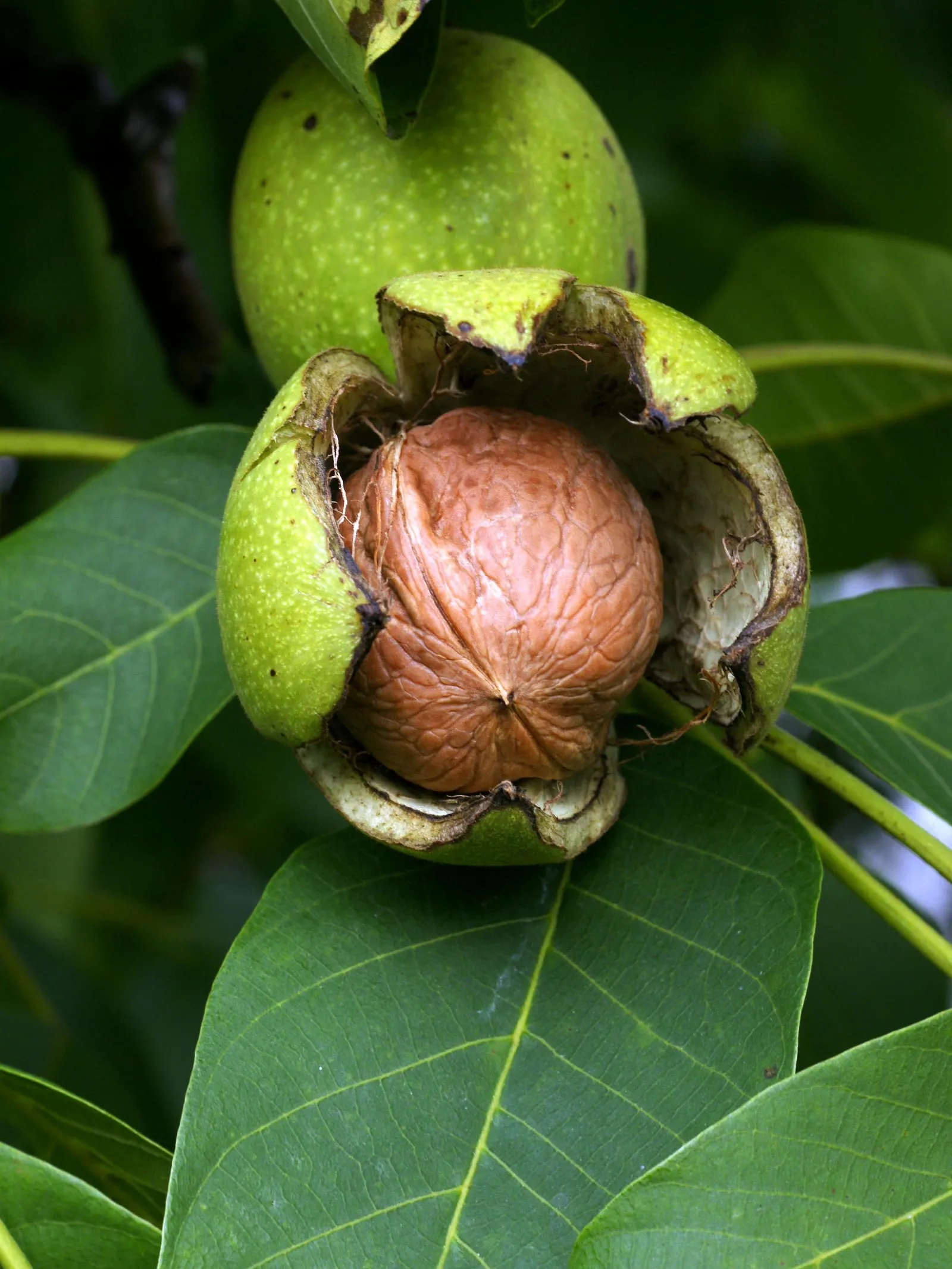
nut in zone 8b
Growing english walnut in zone 8b
Juglans regia
- Zone
- 8b 15°F to 20°F
- Growing season
- 260 days
- Chill needed
- 500 to 800 below 45°F
- Suitable varieties
- 1
- Days to harvest
- 150 to 200
The verdict
Zone 8b sits at the warm edge of English walnut's viable range. The crop requires 500 to 800 chill hours annually, and low chill accumulation is a documented challenge in this zone. In mild winters, growers in the warmer parts of zone 8b may fall short of the 500-hour threshold that even lower-chill varieties require for satisfactory bloom and set.
Chandler is the variety with the strongest track record in zone 8b because its chill requirement falls near the low end of the species range. Even so, yields can be inconsistent in years when winter temperatures remain warm through January and early February, cutting chill accumulation short before dormancy is fully satisfied.
This is a marginal zone for English walnut, not a sweet spot. Sites with favorable microclimate conditions, cooler air drainage, or higher elevation within the zone offer meaningfully better odds than flat, coastal, or urban heat island locations. Growers taking on English walnut here should treat Chandler as the default choice and expect some year-to-year variability tied directly to winter temperature patterns.
Recommended varieties for zone 8b
1 cultivar suited to this zone, with disease-resistance and zone-fit annotations.
| Variety | Notes | Zone fit | Disease resistance |
|---|---|---|---|
| Chandler fits zone 8b | Sweet, mild, large light kernels; the California commercial standard for shelling and export. Productive late-leafing variety that dodges spring frost. | | none noted |
Critical timing for zone 8b
In zone 8b, English walnut typically breaks dormancy and begins catkin emergence in late February, with pistillate flowers following in early to mid-March. The 260-day growing season provides ample time from bloom to harvest, but the early dormancy break creates a frost exposure window. Zone 8b's last frost dates generally fall between late January and late February, meaning an unusually late cold snap can damage emerging flowers before pollination.
Nut development runs through the long summer, with harvest typically in September and into October as husks split and nuts begin to drop. Chandler tends toward a mid-season harvest within that window. Growers should watch for extended warm spells in January and February that accelerate dormancy break ahead of any remaining frost risk, particularly in years following mild autumns when the tree may not have entered deep dormancy.
Common challenges in zone 8b
- ▸ Low chill hours limit apple variety selection
- ▸ Citrus greening risk
- ▸ Nematodes in sandy soils
Disease pressure to watch for
Modified care for zone 8b
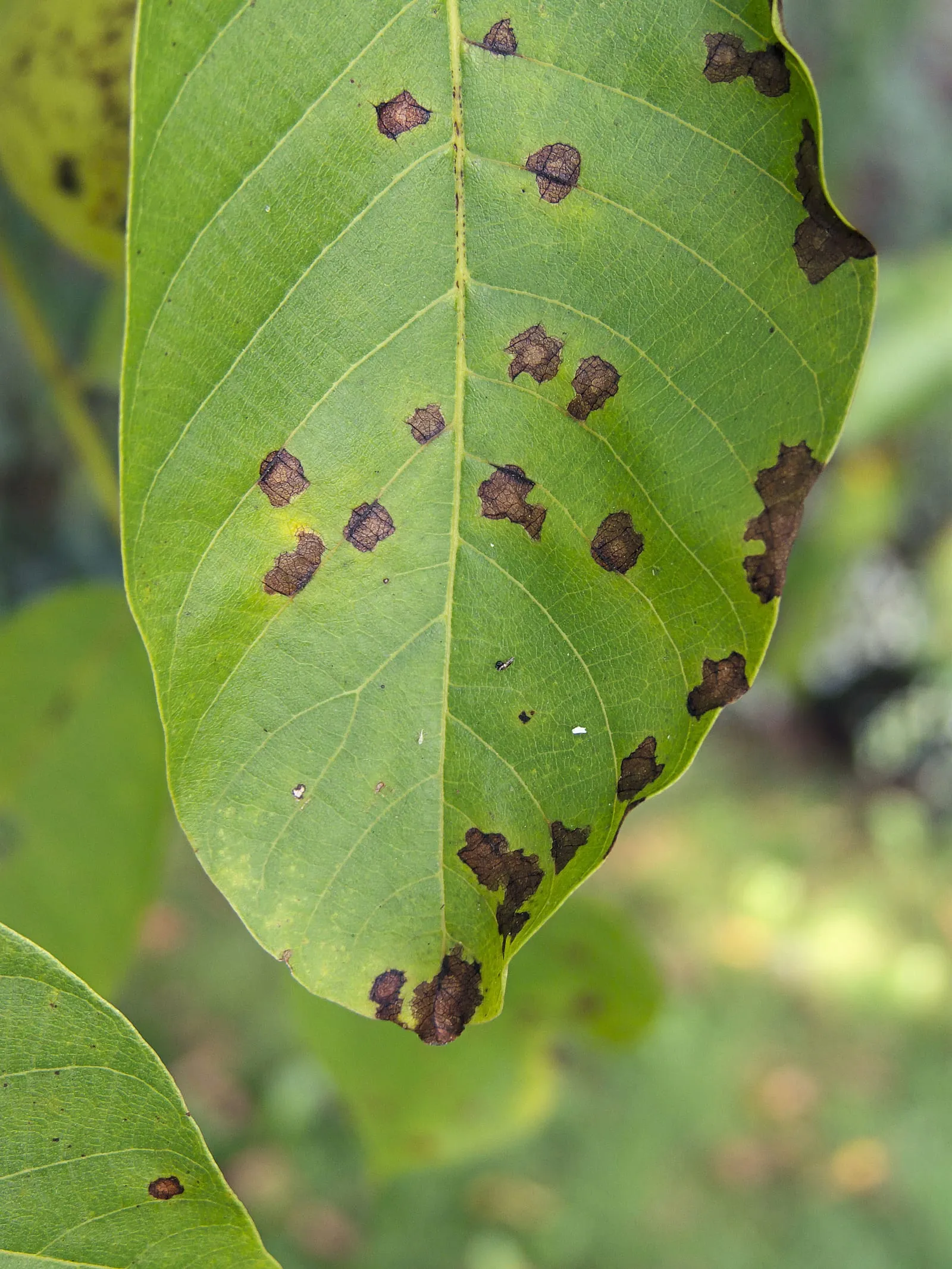
The warm, humid summers characteristic of zone 8b create favorable conditions for Walnut Anthracnose, a fungal disease that causes premature defoliation and reduces nut quality. Preventive copper-based sprays applied at leafout and again at early nut development lower infection pressure more reliably than reactive treatment after symptoms appear. Maintaining good canopy airflow through annual pruning reduces the humidity pockets where anthracnose establishes.
Sandy soils, a noted zone 8b challenge, drain quickly, hold little organic matter, and increase susceptibility to nematodes. Selecting a rootstock with documented nematode resistance and amending planting sites with compost before establishment addresses this at the start rather than after the tree is in the ground.
Irrigation management matters more in zone 8b than in cooler parts of the walnut range. The long growing season and summer heat increase water demand during kernel fill in July and August; inconsistent moisture during this window leads to shriveled kernels regardless of how well the rest of the season went.
Frequently asked questions
- Can English walnut grow in zone 8b?
English walnut can grow in zone 8b, but it is a marginal fit. The crop needs 500 to 800 chill hours, and zone 8b's low chill accumulation is the binding constraint. Chandler is the only variety with a realistic track record here, and even Chandler will produce inconsistently in warm winters.
- What English walnut variety is best for zone 8b?
Chandler is the primary variety suited to zone 8b. Its chill requirement falls near the low end of the species range, giving it the best chance of adequate dormancy satisfaction in a zone where winters are often mild.
- When does English walnut bloom in zone 8b?
Catkins typically emerge in late February, with pistillate flowers following in early to mid-March. This early timing overlaps with zone 8b's last frost window, so late cold snaps are a real bloom risk in some years.
- What diseases should zone 8b walnut growers watch for?
Walnut Anthracnose is the primary disease concern in zone 8b. Warm, humid summers favor this fungal pathogen. Preventive copper sprays at leafout and good canopy airflow through pruning are the main management tools.
+−
+−
+−
+−
English Walnut in adjacent zones
Image: "Juglans regia Echte Walnussfrucht 1", by Böhringer Friedrich, via Wikimedia Commons, licensed under CC-BY Source.

Related