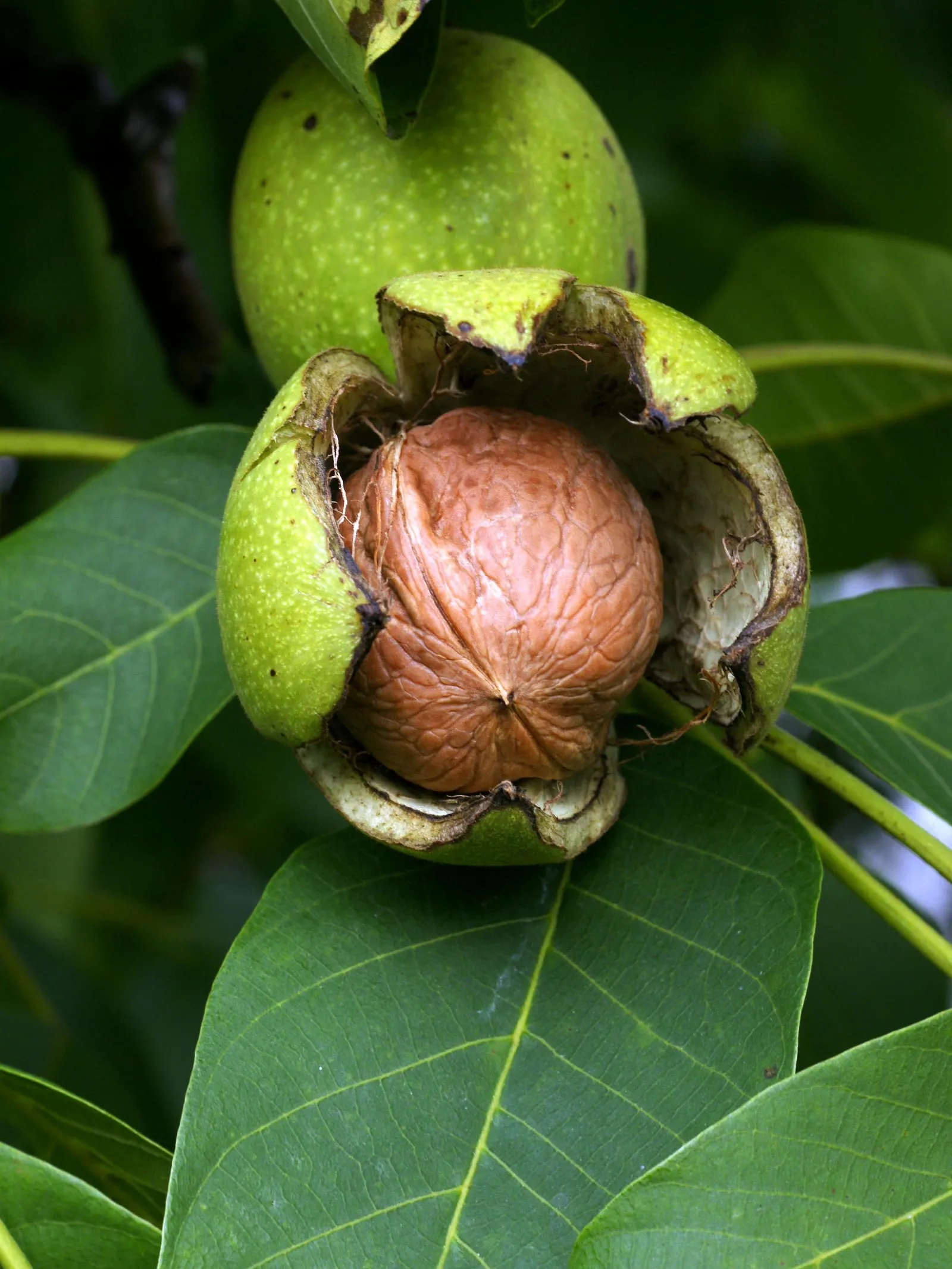
nut in zone 8a
Growing english walnut in zone 8a
Juglans regia
- Zone
- 8a 10°F to 15°F
- Growing season
- 240 days
- Chill needed
- 500 to 800 below 45°F
- Suitable varieties
- 1
- Days to harvest
- 150 to 200
The verdict
Zone 8a sits at the warmer edge of English walnut's viable range. The crop requires 500 to 800 chill hours (below 45°F), and zone 8a delivers anywhere from roughly 500 to 900 hours depending on location within the zone. Coastal and inland valley sites in the Southeast routinely fall at the low end of that range, while Pacific Northwest and mid-Atlantic zone 8a areas tend to accumulate more. The result is that suitability varies considerably across the same zone designation.
Chandler is the variety most reliably suited to zone 8a conditions. It was bred for California's Sacramento Valley, where chill accumulation closely mirrors what zone 8a growers in the Southeast and Pacific Northwest experience. Varieties with higher chill requirements (above 700 hours) carry meaningful risk of poor leafout, delayed bloom, and reduced nut set in warmer zone 8a winters. Selecting Chandler or another low-to-mid chill cultivar is not optional here; it is the difference between a productive tree and a struggling one.
Recommended varieties for zone 8a
1 cultivar suited to this zone, with disease-resistance and zone-fit annotations.
| Variety | Notes | Zone fit | Disease resistance |
|---|---|---|---|
| Chandler fits zone 8a | Sweet, mild, large light kernels; the California commercial standard for shelling and export. Productive late-leafing variety that dodges spring frost. | | none noted |
Critical timing for zone 8a
In zone 8a, English walnut typically breaks dormancy and begins leafing out in late February to mid-March, with staminate (pollen-bearing) catkins shedding before pistillate flowers are receptive. This sequence matters because late frost events, common in zone 8a through late February and occasionally into March, can damage emerging foliage and reduce nut set without necessarily killing the tree.
Harvest falls in September through October for Chandler, roughly 160 to 180 days after leafout. Zone 8a's 240-day growing season provides adequate time for hull split and full kernel development before first fall frost, which typically arrives in mid-November to December across most zone 8a locations. Late-season heat in September can speed hull split but does not generally cause quality problems at this latitude.
Common challenges in zone 8a
- ▸ Insufficient chill hours for some apple varieties
- ▸ Pierce's disease in grapes
- ▸ Heat stress on cool-season crops
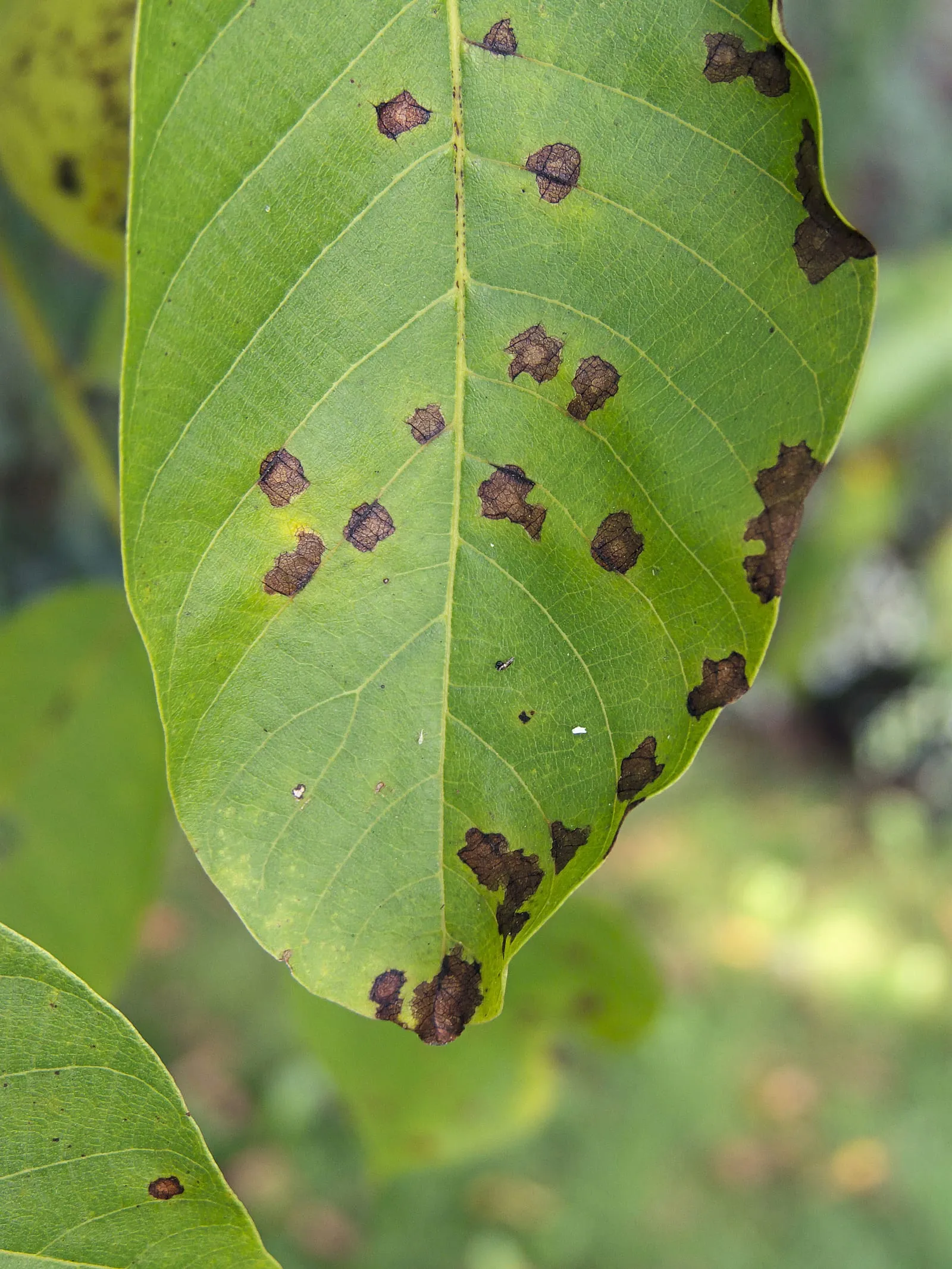
Disease pressure to watch for
Modified care for zone 8a
The primary care adjustment in zone 8a is disease management. Walnut anthracnose pressure increases with summer humidity and extended leaf wetness periods, both more common in the Southeast portions of zone 8a than in California or the Pacific Northwest. Preventive copper-based applications timed to coincide with leafout and repeated after heavy rain events reduce infection. Rake and remove fallen leaf debris; the pathogen overwinters on infected material.
Site selection also carries more weight in zone 8a than in cooler zones. A north-facing slope or location with some afternoon shade from buildings can slow spring warming, delaying leafout by a week or two and reducing the probability of late-frost damage to emerging growth. Avoid frost pockets and urban heat islands, which compress the chill accumulation season and push the tree toward the low end of its tolerance.
Frequently asked questions
- Can English walnut grow in zone 8a?
Yes, with appropriate variety selection. Chandler is the most reliably productive choice in zone 8a because its chill-hour requirement (roughly 400 to 500 hours) aligns with what most zone 8a sites accumulate. Higher-chill varieties carry significant risk of erratic leafout and poor nut set in warmer zone 8a winters.
- How many chill hours does English walnut need, and does zone 8a provide them?
English walnut generally requires 500 to 800 chill hours below 45°F. Zone 8a accumulates approximately 500 to 900 hours depending on geographic location within the zone. Southeast zone 8a sites are most likely to fall short; Pacific Northwest and mid-Atlantic zone 8a sites are more reliably adequate. Local historical chill-hour data from a nearby NOAA weather station is the most useful planning tool.
- What is walnut anthracnose, and is it a concern in zone 8a?
Walnut anthracnose is a fungal disease caused by Ophiognomonia leptostyla that causes dark spots on leaflets, premature defoliation, and surface blemishes on nuts. It is a genuine concern in humid zone 8a regions. Preventive copper sprays at leafout, good air circulation around the canopy, and removal of fallen leaf debris are the standard management practices.
- When should English walnut be harvested in zone 8a?
Expect hull split and harvest readiness in September through October for Chandler in zone 8a. Nuts are ready to harvest when the green hull begins to crack and separate from the shell. Delay past hull split leads to mold and quality loss, so monitor closely once temperatures begin to drop in early fall.
+−
+−
+−
+−
English Walnut in adjacent zones
Image: "Juglans regia Echte Walnussfrucht 1", by Böhringer Friedrich, via Wikimedia Commons, licensed under CC-BY Source.

Related