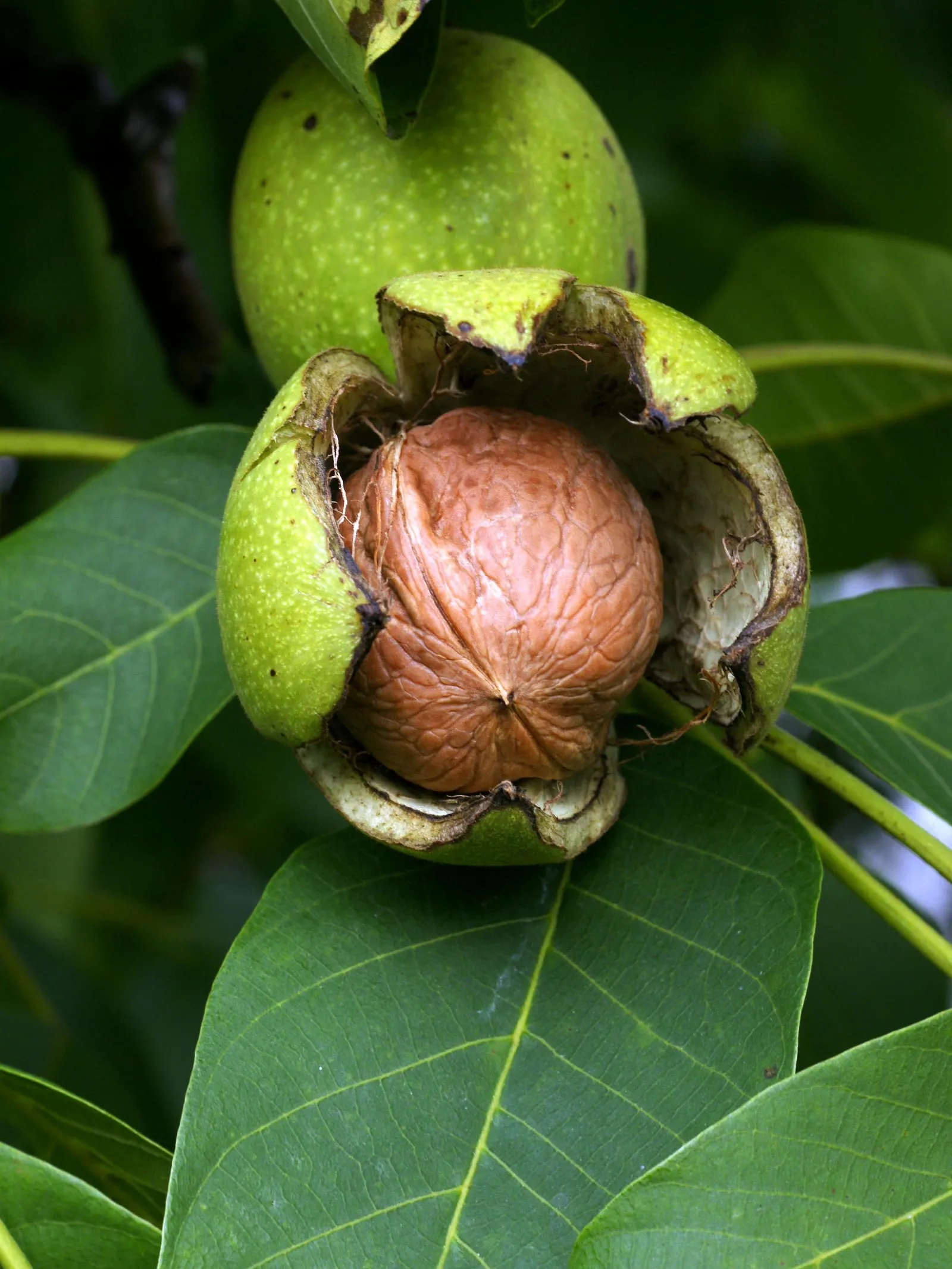
nut in zone 7b
Growing english walnut in zone 7b
Juglans regia
- Zone
- 7b 5°F to 10°F
- Growing season
- 220 days
- Chill needed
- 500 to 800 below 45°F
- Suitable varieties
- 2
- Days to harvest
- 150 to 200
The verdict
Zone 7b sits within the chill-hour range English walnut requires, with most piedmont and upper-South locations accumulating 600 to 900 chilling hours most winters, comfortably covering the 500 to 800 hour threshold. That part of the math works.
The real risk is late frost, not cold. English walnut breaks dormancy early, often pushing catkins and new growth in late March or early April across zone 7b. A frost event after bud break, which occurs with some regularity in zone 7b through mid-April, can eliminate the season's nut set entirely. This is not a marginal zone for cold hardiness, but it is a zone where site selection and variety choice matter more than they would further north. Carpathian selections tolerate late frost somewhat better than standard English walnut strains. Chandler, developed in California, performs well where late frosts are uncommon but carries more frost risk in inland 7b locations. Growers in piedmont areas should plan around this bloom vulnerability rather than assume it won't happen.
Recommended varieties for zone 7b
2 cultivars suited to this zone, with disease-resistance and zone-fit annotations.
| Variety | Notes | Zone fit | Disease resistance |
|---|---|---|---|
| Carpathian fits zone 7b | Sweet, mild, easy-shelling thin shells; fresh, baking, oil. Cold-hardy strain (zones 5-7) with reliable cropping where most English walnuts fail. Originated in the Carpathian Mountains. | | none noted |
| Chandler fits zone 7b | Sweet, mild, large light kernels; the California commercial standard for shelling and export. Productive late-leafing variety that dodges spring frost. | | none noted |
Critical timing for zone 7b
Catkins emerge and pollen is shed in late March through April in zone 7b, roughly two to four weeks before the average last frost date in many piedmont locations. This mismatch between bloom timing and frost-free status is the defining scheduling challenge for the crop in this zone.
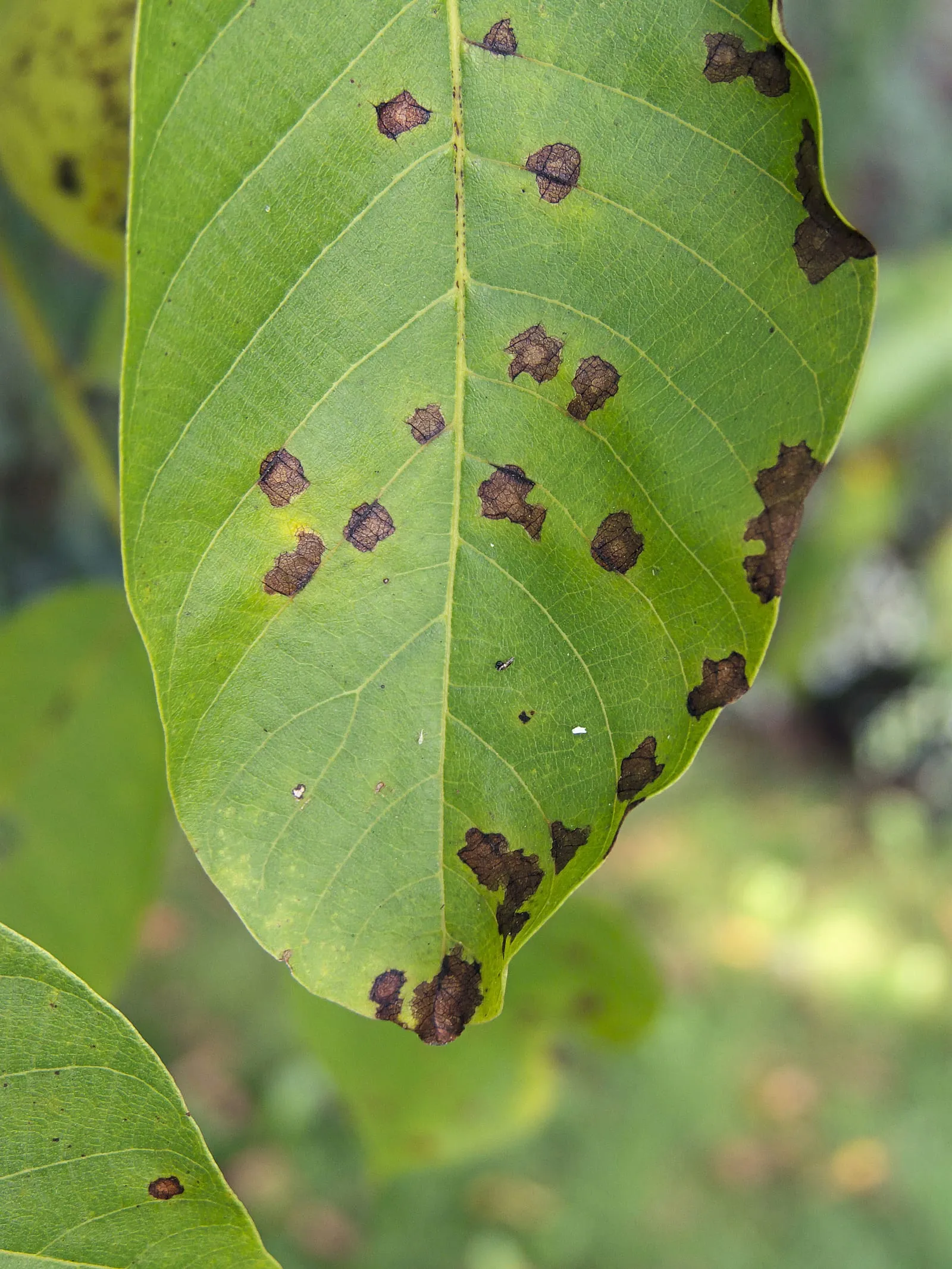
Hull split and harvest arrive in September through early October, well within zone 7b's 220-day growing season. Hulls should be removed promptly after harvest; leaving nuts in hulls accelerates mold and staining. In years with heavy late-summer rainfall, walnut anthracnose can cause premature defoliation in August and September, which affects nut fill in the final weeks before harvest. Monitoring canopy health through summer gives advance warning of reduced nut quality.
Common challenges in zone 7b
- ▸ Cedar-apple rust pressure heavy in piedmont
- ▸ Japanese beetles
- ▸ Brown marmorated stink bug
- ▸ Late summer disease pressure
Disease pressure to watch for
Modified care for zone 7b
Site selection does more work here than any spray program. Plant on slopes or elevated ground where cold air drains away from the tree during late spring freezes. Low spots and frost pockets in zone 7b can see temperatures 4 to 6 degrees colder than nearby ridgelines during radiation frost events, which can push a marginal late-April frost into a crop-damaging one.
Walnut anthracnose pressure increases under the humid summers typical of zone 7b's piedmont. Rake and remove fallen leaves in autumn; the fungus overwinters on leaf litter and reinfects new growth in spring. Copper-based fungicides applied at bud break and again after prolonged wet periods can reduce infection rates, though they do not eliminate the disease.
Japanese beetles and brown marmorated stink bugs both feed on walnut foliage and developing nuts. Beetle feeding in July is mostly cosmetic on established trees, but stink bug damage to immature nuts causes internal necrosis that does not show until harvest. Monitoring trap counts and timing any intervention to the early fruit development window (June through July) gives better results than reacting after damage is visible.
Frequently asked questions
- Can English walnut survive the winters in zone 7b?
Established trees handle zone 7b winters without significant cold damage. The minimum winter temperature range of 5 to 10 degrees Fahrenheit is within English walnut's tolerance. The greater risk is late spring frost damaging early catkins and new growth, not winter cold killing the tree.
- Which English walnut variety does best in zone 7b?
Carpathian selections are the stronger choice for most zone 7b locations because they tolerate late frosts better than standard English walnut strains. Chandler performs well in warmer parts of the zone where late frosts are infrequent, but carries more bloom-frost risk in inland piedmont sites.
- When should I expect to harvest English walnuts in zone 7b?
Harvest typically runs from mid-September through early October in zone 7b. Hull split is the indicator to watch. Remove hulls promptly after harvest to prevent mold and staining of the shell.
- What causes black spots on walnut leaves and early leaf drop in late summer?
Walnut anthracnose, a fungal disease, is the most common cause. It thrives under zone 7b's humid summers. Severe infections cause early defoliation in August or September, which can reduce nut fill in the final weeks before harvest. Removing fallen leaf litter each autumn reduces overwintering inoculum.
+−
+−
+−
+−
English Walnut in adjacent zones
Image: "Juglans regia Echte Walnussfrucht 1", by Böhringer Friedrich, via Wikimedia Commons, licensed under CC-BY Source.

Related