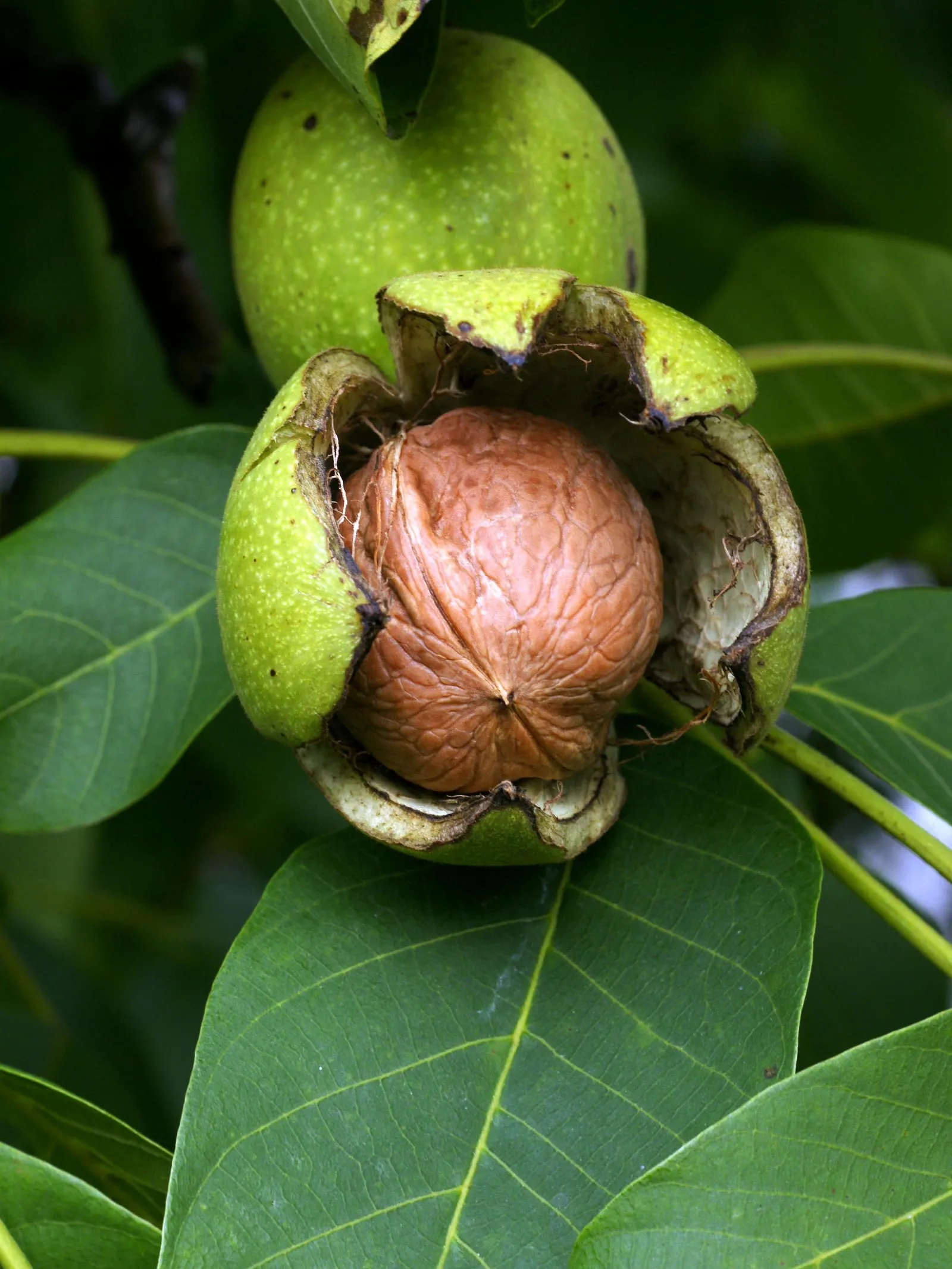
nut in zone 7a
Growing english walnut in zone 7a
Juglans regia
- Zone
- 7a 0°F to 5°F
- Growing season
- 210 days
- Chill needed
- 500 to 800 below 45°F
- Suitable varieties
- 2
- Days to harvest
- 150 to 200
The verdict
Zone 7a is a workable fit for English walnut, and for most of the zone it represents a reasonable growing environment rather than a marginal one. The crop's chill-hour requirement of 500 to 800 hours is reliably met across zone 7a, where most sites accumulate 800 to 1,100 hours below 45°F in a typical winter. The upper end of that accumulation is generally not a problem; English walnut tolerates excess chilling without significant penalty.
The concern in zone 7a is less about cold adequacy and more about late-spring frost timing. English walnut breaks dormancy and begins catkin development in mid-spring, and zone 7a's last frost window often overlaps with that period. In lower-elevation or frost-pocket sites, late frosts in April can damage emerging growth even in years when winter cold was otherwise unremarkable. Varieties like Carpathian have better late-frost tolerance than the standard Chandler, making site and variety selection more important here than in warmer zones.
Recommended varieties for zone 7a
2 cultivars suited to this zone, with disease-resistance and zone-fit annotations.
| Variety | Notes | Zone fit | Disease resistance |
|---|---|---|---|
| Carpathian fits zone 7a | Sweet, mild, easy-shelling thin shells; fresh, baking, oil. Cold-hardy strain (zones 5-7) with reliable cropping where most English walnuts fail. Originated in the Carpathian Mountains. | | none noted |
| Chandler fits zone 7a | Sweet, mild, large light kernels; the California commercial standard for shelling and export. Productive late-leafing variety that dodges spring frost. | | none noted |
Critical timing for zone 7a
In zone 7a, English walnut typically begins leafing out and producing catkins in mid to late April, with pollen shed running through early May depending on spring temperatures. Zone 7a's median last frost falls between late March and mid-April across most of the region, which puts bloom timing in a zone of moderate risk. A late frost event in the second or third week of April, not unusual in zone 7a, can reduce nut set substantially.
Hull split and harvest generally arrive in September through early October in zone 7a. The 210-day growing season provides adequate heat accumulation for nut fill, though sites in the cooler parts of the zone should prioritize earlier-maturing selections if possible. Harvest timing is more consistent here than in zones 8 and warmer, where summer heat can accelerate hull split unevenly.
Common challenges in zone 7a
- ▸ Cedar-apple rust
- ▸ Brown rot
- ▸ Fire blight
- ▸ High humidity disease pressure
Disease pressure to watch for
Modified care for zone 7a
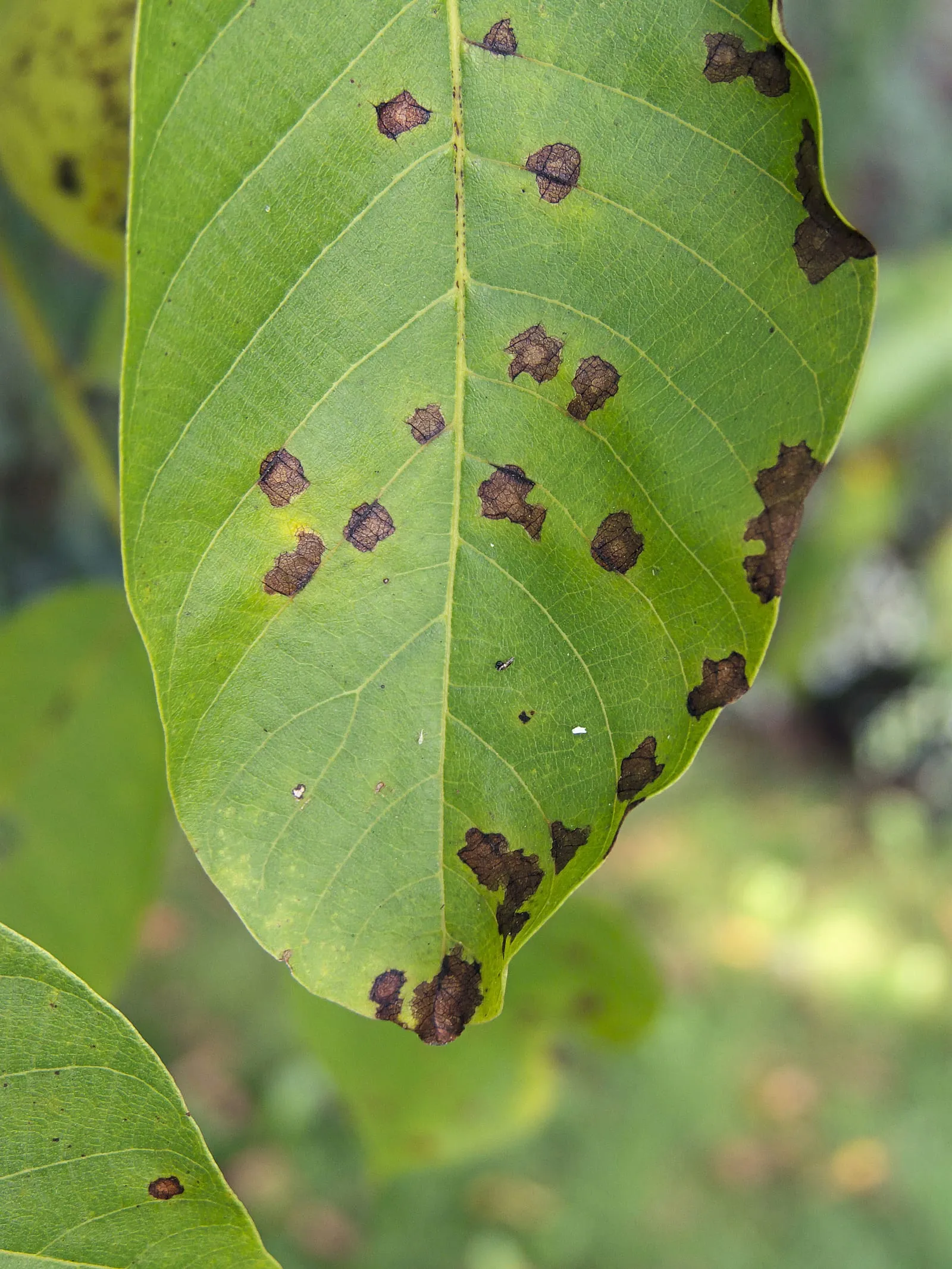
High humidity is the dominant disease management factor for English walnut in zone 7a. Walnut anthracnose, caused by Ophiognomonia leptostyla, spreads readily in wet springs and can cause early defoliation and nut blemishing. Maintaining good canopy airflow through annual pruning reduces the microclimate humidity that favors infection. Copper-based sprays at bud break and again at leaf expansion provide meaningful suppression where anthracnose pressure is consistently high.
The zone 7a disease list also includes general high-humidity pressure (Brown rot, Fire blight) relevant to nearby orchard plantings; these do not directly affect walnut but signal that the site tends toward wet springs, which reinforces the anthracnose concern. No extra winter protection is typically needed for established Carpathian or Chandler trees at zone 7a temperatures, though young trees in their first two winters benefit from wrapping the trunk to prevent frost cracking at the graft union.
Frequently asked questions
- Does English walnut get enough chill hours in zone 7a?
Yes. Zone 7a typically accumulates 800 to 1,100 chill hours in a normal winter, comfortably covering the 500 to 800 hours English walnut requires. Mild winters near the zone 7b boundary are the exception where chilling may fall short, but most zone 7a sites have no chilling deficit.
- Which English walnut varieties perform best in zone 7a?
Carpathian selections are generally the better choice for zone 7a because they tend to leaf out slightly later than Chandler, reducing exposure to late-April frosts. Chandler produces excellent nuts but its earlier bloom window increases frost risk in this zone.
- Is walnut anthracnose a serious problem in zone 7a?
It can be. Zone 7a's spring humidity favors anthracnose spread, and heavy infections cause premature defoliation and nut blemishing. Pruning for canopy airflow and applying copper at bud break are the primary controls. The disease rarely kills trees but can significantly reduce nut quality in wet years.
+−
+−
+−
English Walnut in adjacent zones
Image: "Juglans regia Echte Walnussfrucht 1", by Böhringer Friedrich, via Wikimedia Commons, licensed under CC-BY Source.

Related