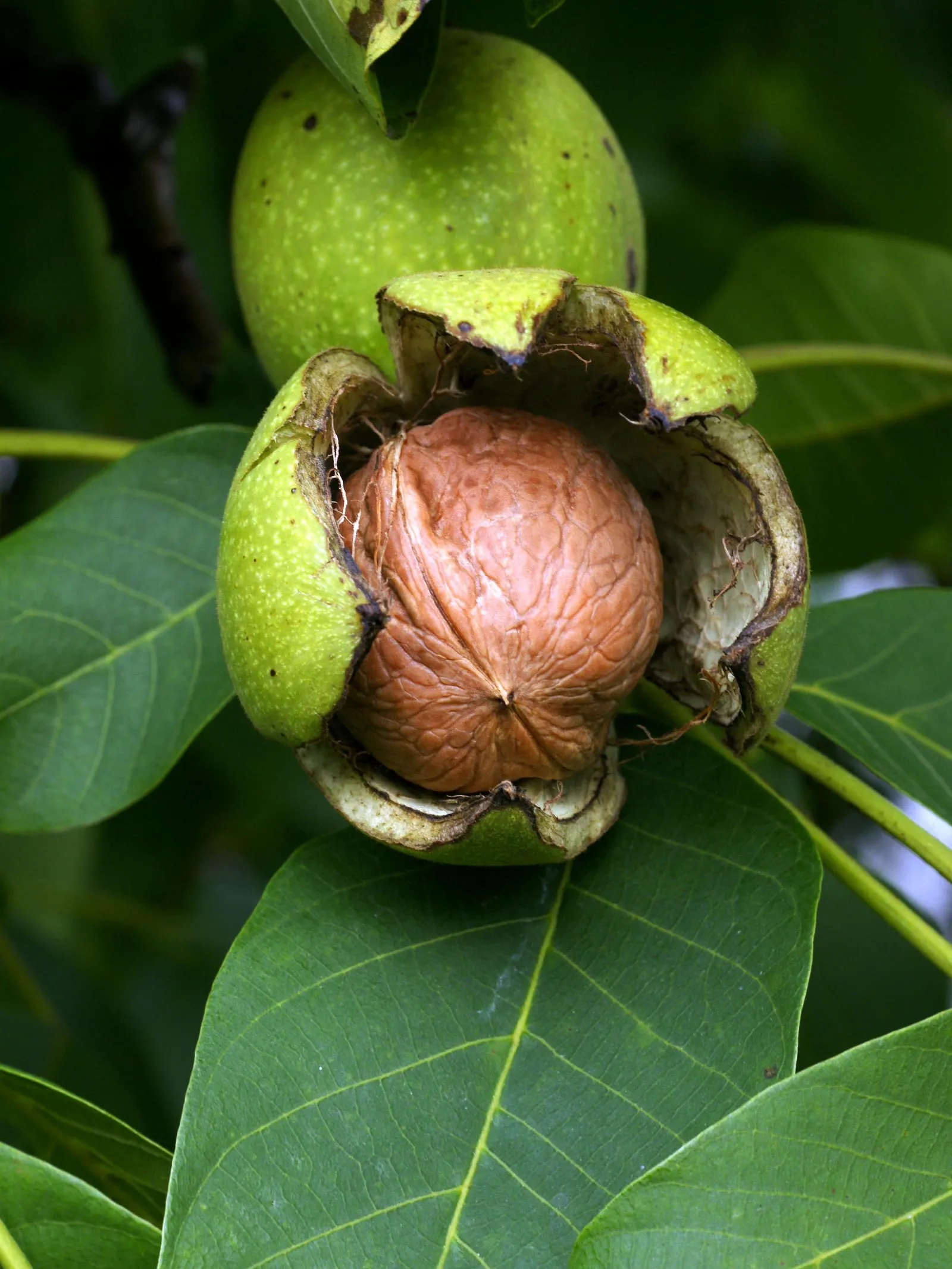
nut in zone 6b
Growing english walnut in zone 6b
Juglans regia
- Zone
- 6b -5°F to 0°F
- Growing season
- 190 days
- Chill needed
- 500 to 800 below 45°F
- Suitable varieties
- 3
- Days to harvest
- 150 to 200
The verdict
Zone 6b sits at the cooler edge of English Walnut's practical range, but it is workable rather than hopeless. The crop's chill-hour requirement of 500 to 800 hours is easily met in zone 6b, where most winters accumulate well over 1,000 chilling hours. That surplus is not a problem. The real constraint is the winter low: zone 6b bottoms out between -5 and 0°F, which can injure or kill the trunk wood of standard English Walnut selections. The Carpathian strains, developed from trees collected in the Carpathian Mountains of Poland, were specifically selected to tolerate these temperatures, and they are the reason zone 6b plantings succeed at all. Varieties like Carpathian, Lake, and Hansen have demonstrated reliable survival in this temperature band. Grafted trees on black walnut rootstock add another layer of cold tolerance at the root zone. Expect some tip dieback after hard winters, particularly on young trees, but established Carpathian-type trees typically recover. This is a marginal zone for English Walnut, not a sweet spot, but the right variety choice changes the odds substantially.
Recommended varieties for zone 6b
3 cultivars suited to this zone, with disease-resistance and zone-fit annotations.
| Variety | Notes | Zone fit | Disease resistance |
|---|---|---|---|
| Carpathian fits zone 6b | Sweet, mild, easy-shelling thin shells; fresh, baking, oil. Cold-hardy strain (zones 5-7) with reliable cropping where most English walnuts fail. Originated in the Carpathian Mountains. | | none noted |
| Lake fits zone 6b | Sweet, mild, large kernels with thin shells; fresh, baking. Wisconsin-bred Carpathian selection, productive and reliable in the upper Midwest. | | none noted |
| Hansen fits zone 6b | Sweet, mild, large kernels; fresh and baking. Cold-hardy selection productive in zone 4 sites, the hardiest commercial English walnut available. | | none noted |
Critical timing for zone 6b
English Walnut blooms early, and that creates the primary scheduling tension in zone 6b. Catkins and pistillate flowers open in late March to mid-April depending on the season, well before the zone's average last frost date, which falls between late April and early May across most of zone 6b. A late frost during or just after bloom can eliminate most or all of the nut crop for that year without damaging the tree itself. Harvest falls in September, typically before the first fall frost, so the back end of the season is generally safe. The 190-day growing season in zone 6b provides adequate time for nuts to mature fully. The bloom-to-last-frost overlap is the main calendar risk and cannot be engineered away entirely; site selection (north-facing slopes or locations that delay leaf-out by a few days) is the most practical mitigation.
Common challenges in zone 6b
- ▸ Cedar-apple rust
- ▸ Fire blight
- ▸ Stink bugs
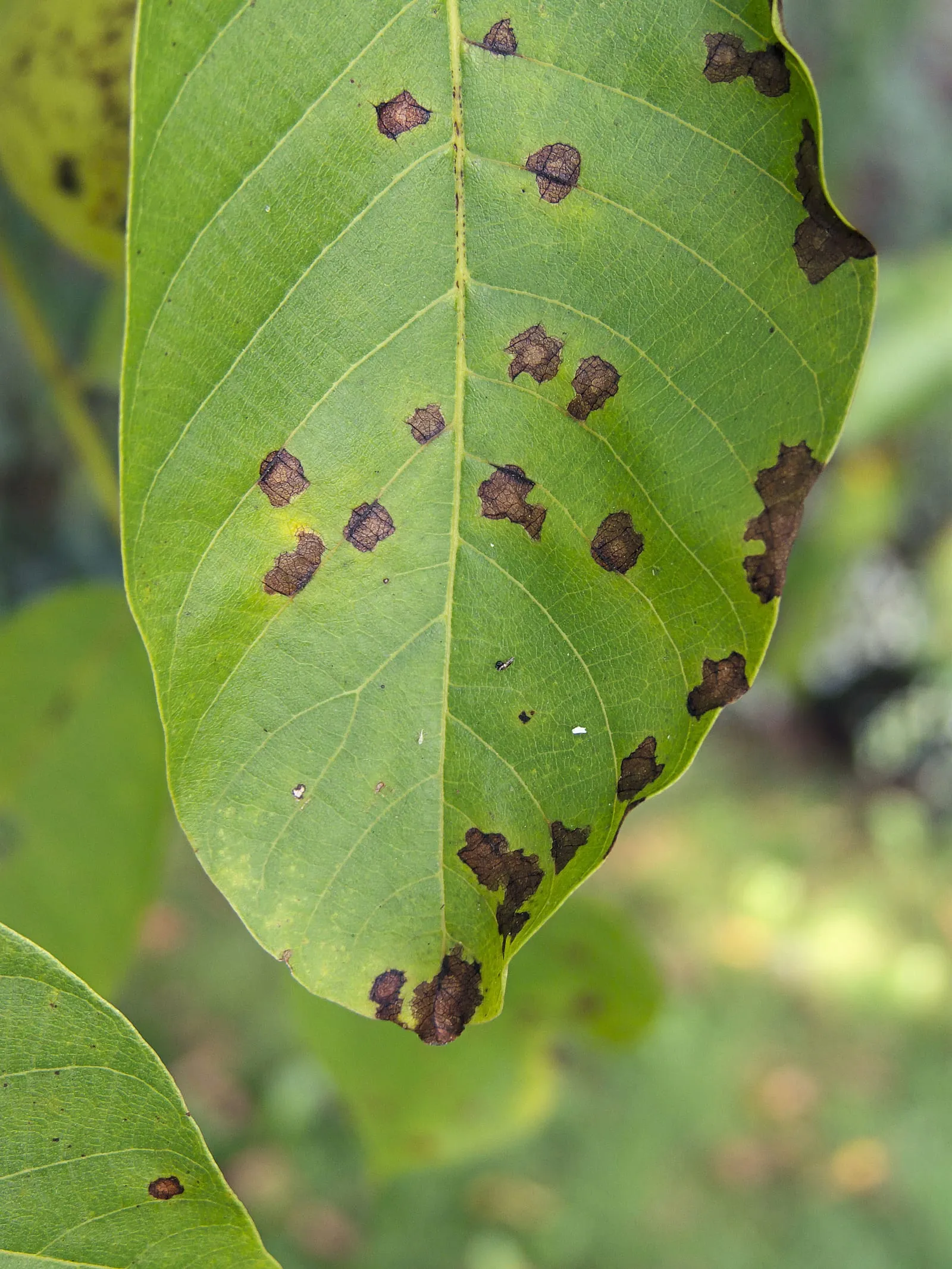
Disease pressure to watch for
Modified care for zone 6b
Walnut Anthracnose is the disease most likely to cause recurring problems in zone 6b. It intensifies during wet springs, which are common across the zone's range, causing early and heavy defoliation that weakens trees over successive seasons. Raking and removing fallen leaves reduces inoculum going into winter. Fungicide applications timed at bud break help in years with wet spring forecasts, though most established trees tolerate moderate defoliation without permanent harm. Winter protection for the trunk matters most in the first three to five years before bark fully matures. Wrapping or painting trunks with white latex reduces southwest injury from freeze-thaw cycling, which is common in zone 6b's variable winters. Stink bugs can damage developing nuts starting in August; monitoring and exclusion netting over small trees is more practical than insecticide applications at this scale. Site drainage deserves attention as well: English Walnut is sensitive to wet feet, and zone 6b's spring thaw can saturate heavy soils for weeks.
Frequently asked questions
- Can English Walnut survive zone 6b winters?
Carpathian-type varieties such as Carpathian, Lake, and Hansen are the standard choice for zone 6b. They tolerate lows of -5 to 0°F without trunk death once established. Standard English Walnut selections not bred for cold hardiness are not reliable in this zone.
- Why do zone 6b walnut trees sometimes produce no nuts?
Late spring frosts are the most common cause. English Walnut blooms in late March to mid-April in zone 6b, and a single frost event during or just after bloom eliminates the nut crop for that year. The tree itself is usually undamaged and will crop normally the following season if bloom timing is more favorable.
- What is Walnut Anthracnose and how serious is it in zone 6b?
Walnut Anthracnose is a fungal leaf disease that causes brown spots and premature defoliation. In zone 6b's wet springs it can cause near-complete defoliation. Single-season defoliation rarely kills trees, but repeated severe infections weaken vigor over time. Removing fallen leaves and applying fungicides at bud break in wet years are the primary management steps.
+−
+−
+−
English Walnut in adjacent zones
Image: "Juglans regia Echte Walnussfrucht 1", by Böhringer Friedrich, via Wikimedia Commons, licensed under CC-BY Source.

Related