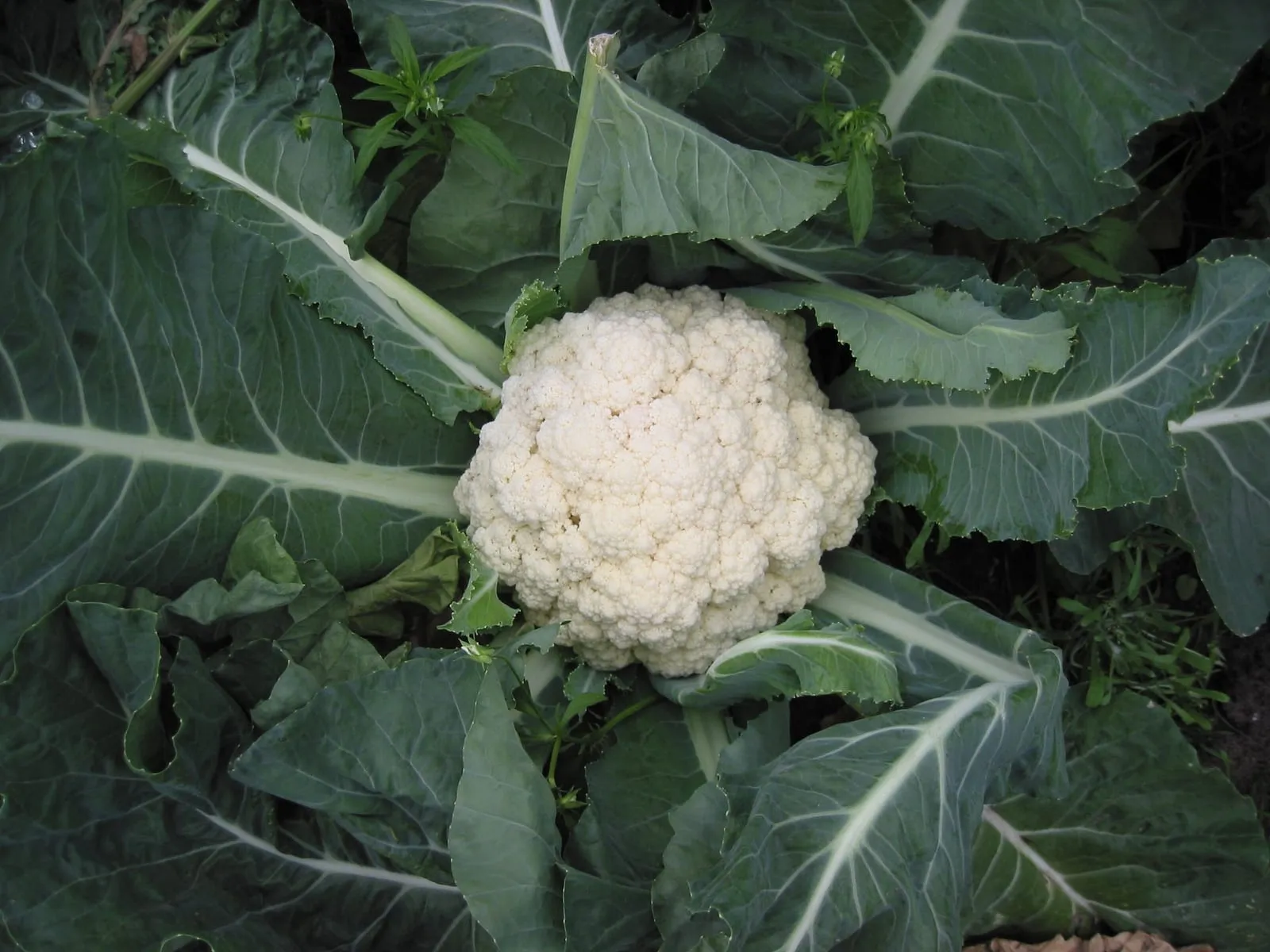
vegetable in zone 6a
Growing cauliflower in zone 6a
Brassica oleracea var. botrytis
- Zone
- 6a -10°F to -5°F
- Growing season
- 180 days
- Suitable varieties
- 4
- Days to harvest
- 55 to 100
The verdict
Zone 6a sits squarely in cauliflower's preferred growing territory. The crop is cool-season, performing best when heads develop in temperatures between 60 and 70°F, and zone 6a's spring and fall shoulder seasons reliably deliver that window. Unlike fruit trees, cauliflower has no chill-hour requirement; the binding constraint is avoiding heat during curd formation rather than accumulating cold. With a 180-day frost-free season and last-frost dates typically in mid-April, there is adequate time for both a spring crop (transplanted in early spring, harvested before summer heat) and a fall crop (transplanted in midsummer, maturing into October's cooler air).
The fall window is generally more forgiving in zone 6a: heads develop during steadily cooling days rather than racing against rising temperatures. Varieties like Romanesco and Graffiti, which tolerate a wider temperature range than standard white types, are particularly well-suited to the zone's occasional spring temperature swings. Zone 6a is not marginal for cauliflower; it is a reliable producing zone for growers who respect the crop's sensitivity to mid-season heat.
Recommended varieties for zone 6a
4 cultivars suited to this zone, with disease-resistance and zone-fit annotations.
| Variety | Notes | Zone fit | Disease resistance |
|---|---|---|---|
| Snowball Y fits zone 6a | Mild, sweet, dense white curd; the classic home-garden cauliflower. Steaming, roasting, fresh, gratins. Self-blanching, reliable in cool springs and falls. | | none noted |
| Cheddar fits zone 6a | Mild, slightly sweeter than white, beta-carotene rich; bright orange curds that hold color when cooked. Roasting, fresh, soup. Ornamental and productive. | | none noted |
| Romanesco fits zone 6a | Sweet, nutty, more complex than white cauliflower; chartreuse fractal-spiraled head. Roasting, steamed, fresh. Sensitive to heat, best as fall crop. | | none noted |
| Graffiti fits zone 6a | Mild, slightly sweet, dramatic deep purple curd; holds color when cooked briefly. Roasting, fresh, pickled. Anthocyanin-rich, ornamental. | | none noted |
Critical timing for zone 6a
For a spring crop, start transplants indoors 4 to 6 weeks before the last expected frost (typically mid-April in zone 6a), then set out in the garden in late March to early April. Heads should reach harvest size by late May or early June, before daytime highs push consistently above 75°F and trigger premature curd initiation or loose, ricey texture. Snowball Y and Cheddar mature in 55 to 65 days from transplant and are well-timed for this window.
For a fall crop, count back 65 to 80 days from the first expected fall frost (around mid-October in zone 6a) to set the transplant date, which lands in mid-to-late July. Fall heads often develop tighter curds and better color, since cool nights in September and October favor dense formation. The zone's 180-day season comfortably accommodates both plantings without overlap.
Common challenges in zone 6a
- ▸ Brown rot in stone fruit
- ▸ Japanese beetles
- ▸ Spring frost damage to peach buds
Disease pressure to watch for
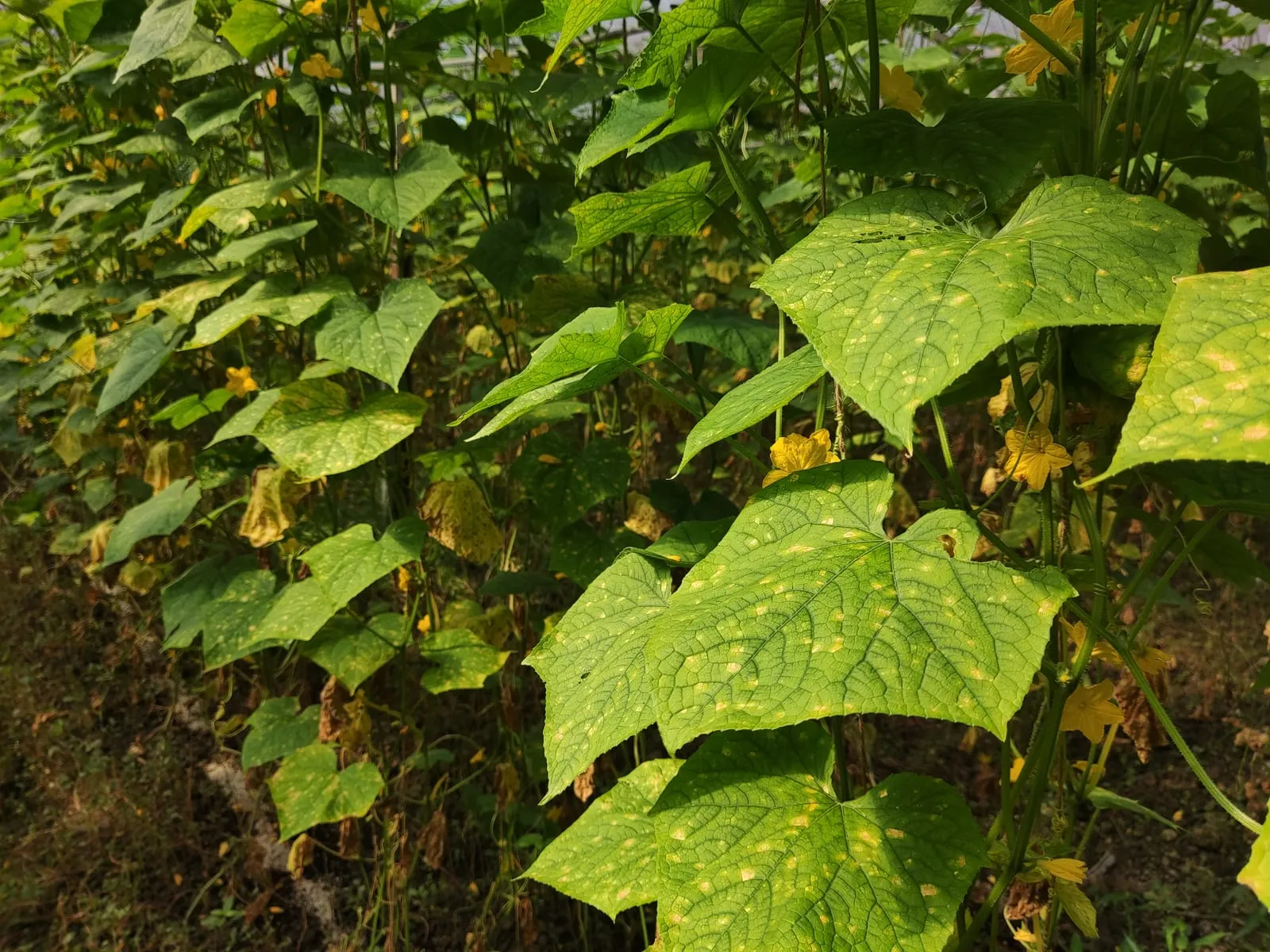
Pseudoperonospora cubensis (cucurbits) and others
Water mold (oomycete, not a true fungus) that thrives in cool damp conditions. Spreads rapidly through cucurbit and brassica plantings on wind-borne spores.
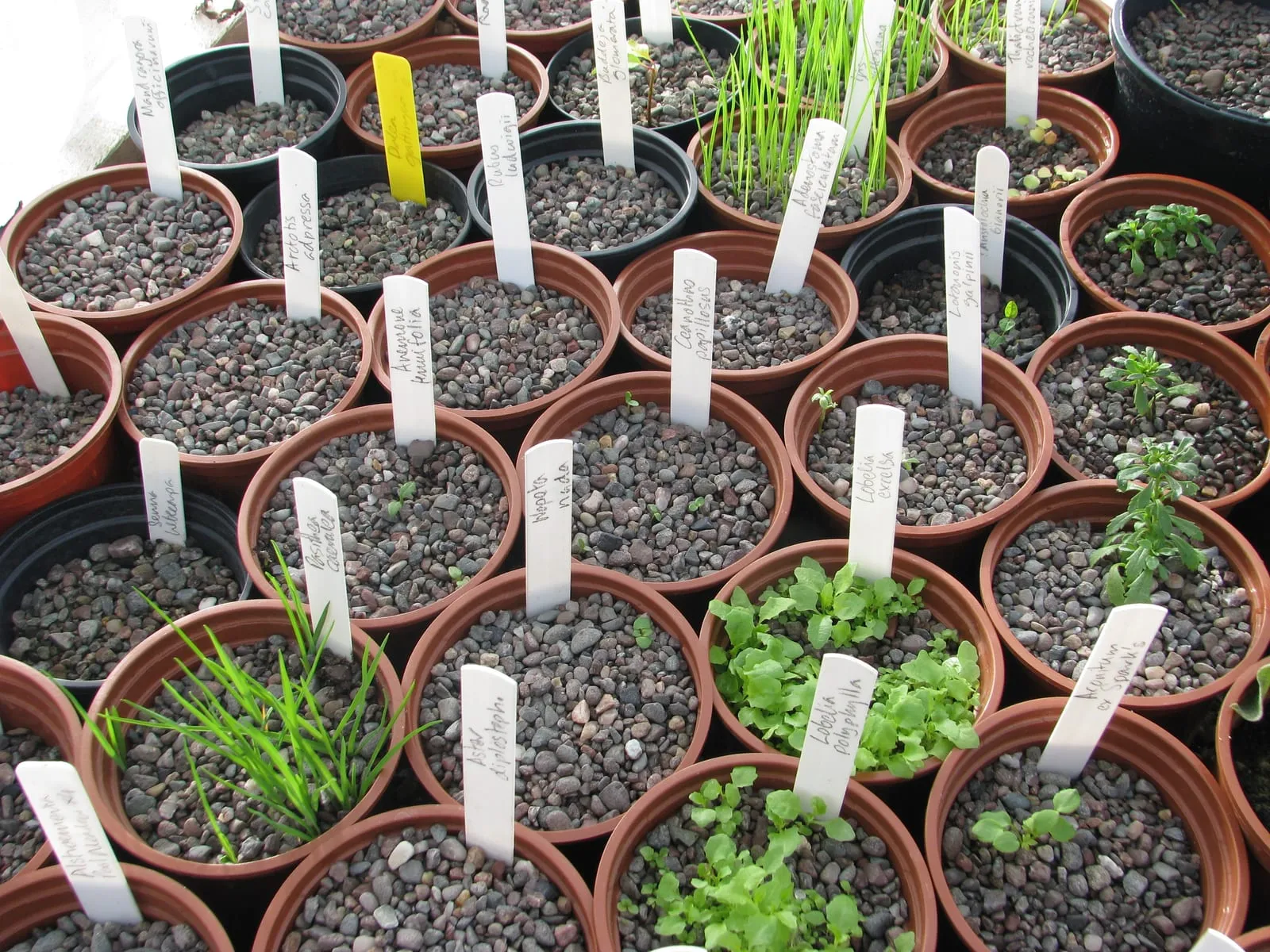
Pythium and Rhizoctonia species
Soil-borne complex of water molds and fungi that kill seedlings before or shortly after emergence. The single most common cause of seed-starting failures.
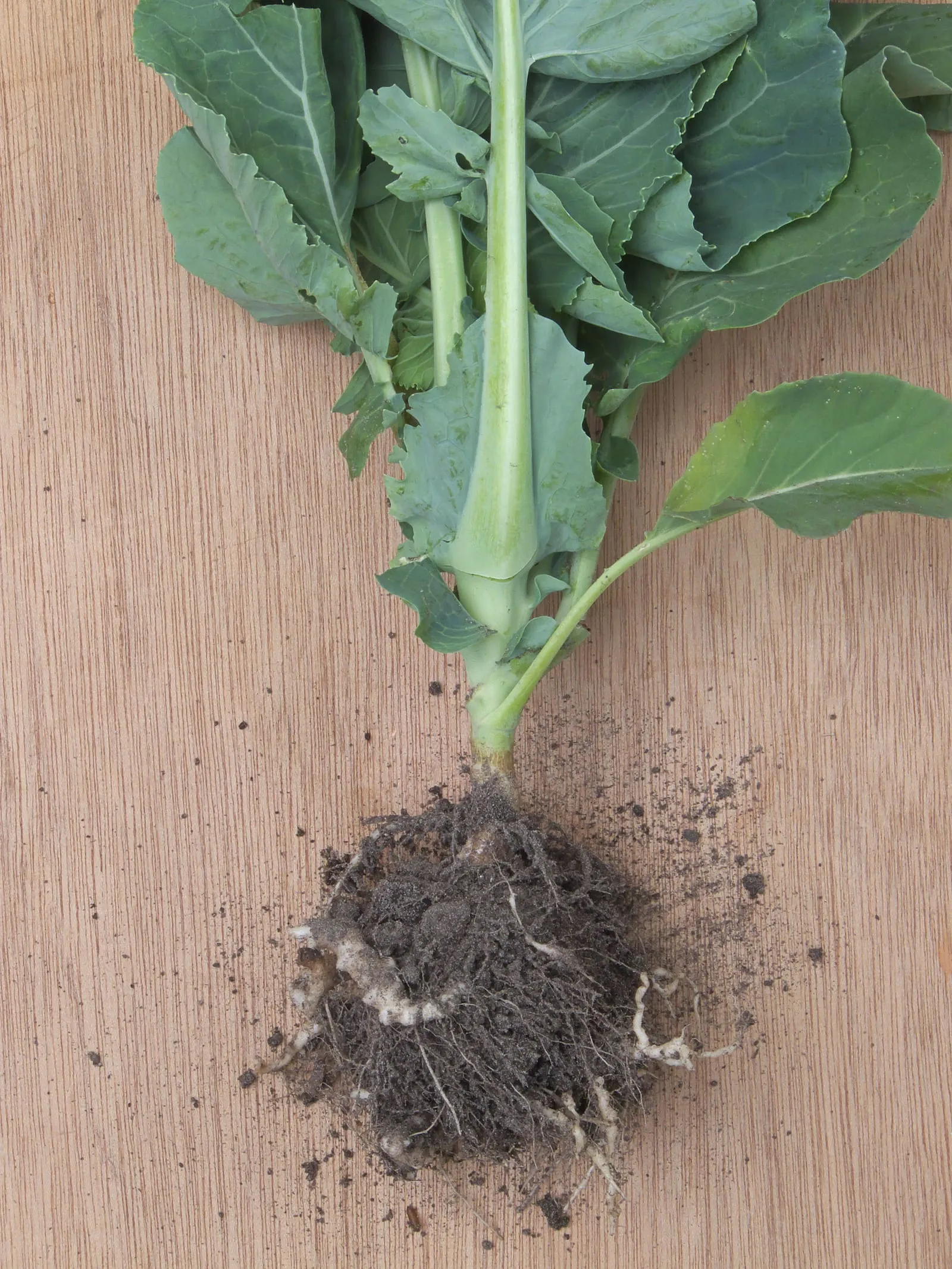
Plasmodiophora brassicae
Soil-borne disease causing characteristic distorted club-shaped roots on brassicas. Persists in soil for 10-20 years; the dominant brassica pathogen in acidic poorly-drained soils.
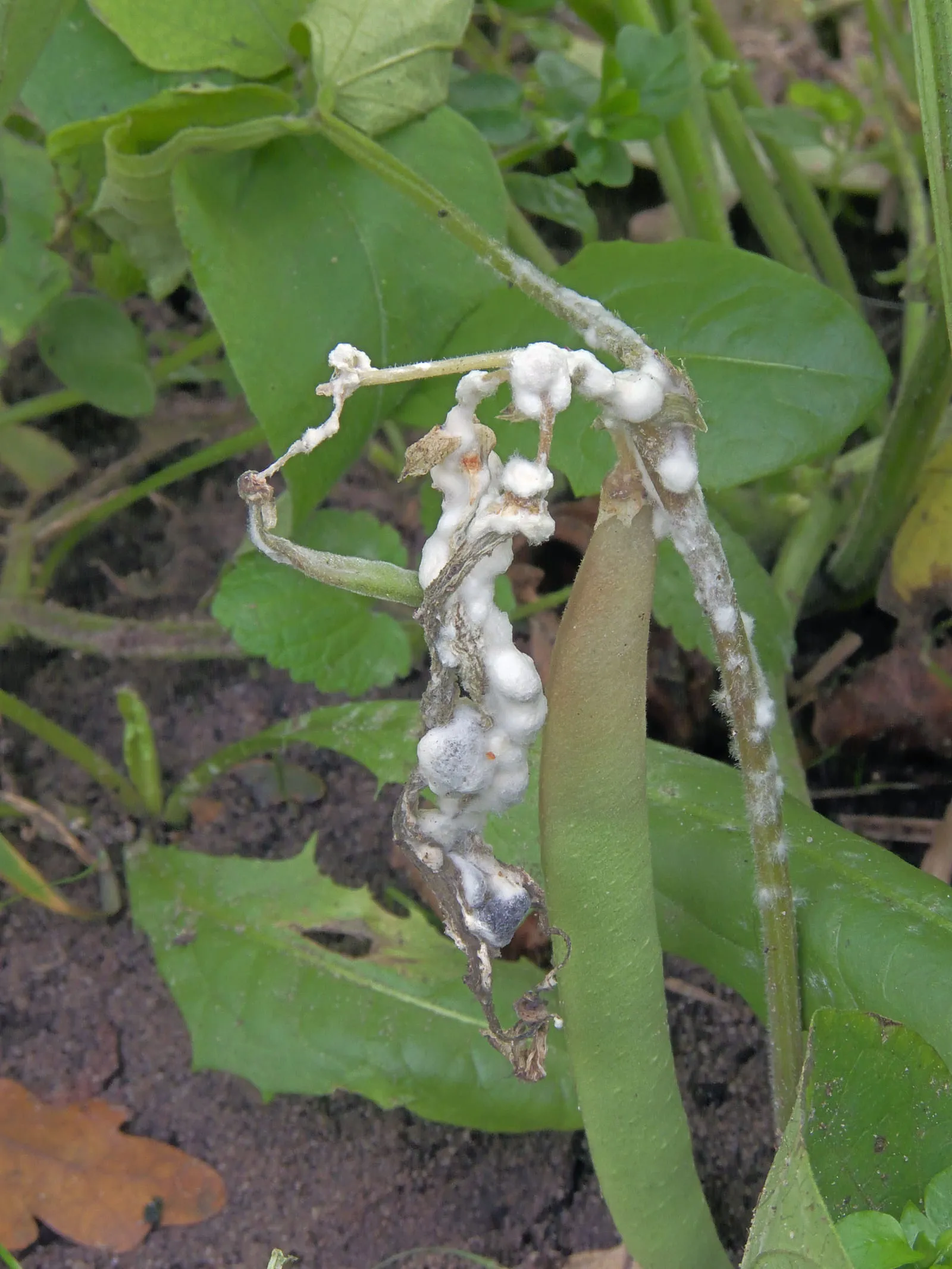
Sclerotinia sclerotiorum
Fungal disease that produces fluffy white mycelium on stems and lower leaves. Forms hard black sclerotia (resting bodies) that survive 5+ years in soil.
Modified care for zone 6a
The primary adjustment in zone 6a is timing management rather than winter protection, since cauliflower is planted and harvested entirely within the frost-free season. Blanching, gathering outer leaves over the forming head and securing them to block direct sunlight, prevents the yellowing and off-flavors that develop in exposed curds. This matters most in spring, when an unexpected warm spell can accelerate development faster than anticipated.
Downy mildew pressure increases in wet springs; spacing transplants at least 18 inches apart and avoiding overhead irrigation reduces infection risk. Clubroot is a soil-borne pathogen that persists in the ground for years; maintaining soil pH above 7.0 and rotating away from all brassicas on a 3 to 4 year cycle are the most effective controls available. White mold becomes a concern in cool, humid falls, particularly in crowded plantings where air circulation is poor. Remove and dispose of affected plant material rather than composting it.
Cauliflower in adjacent zones
Image: "Bloemkool", by Rasbak, via Wikimedia Commons, licensed under CC-BY Source.

Related