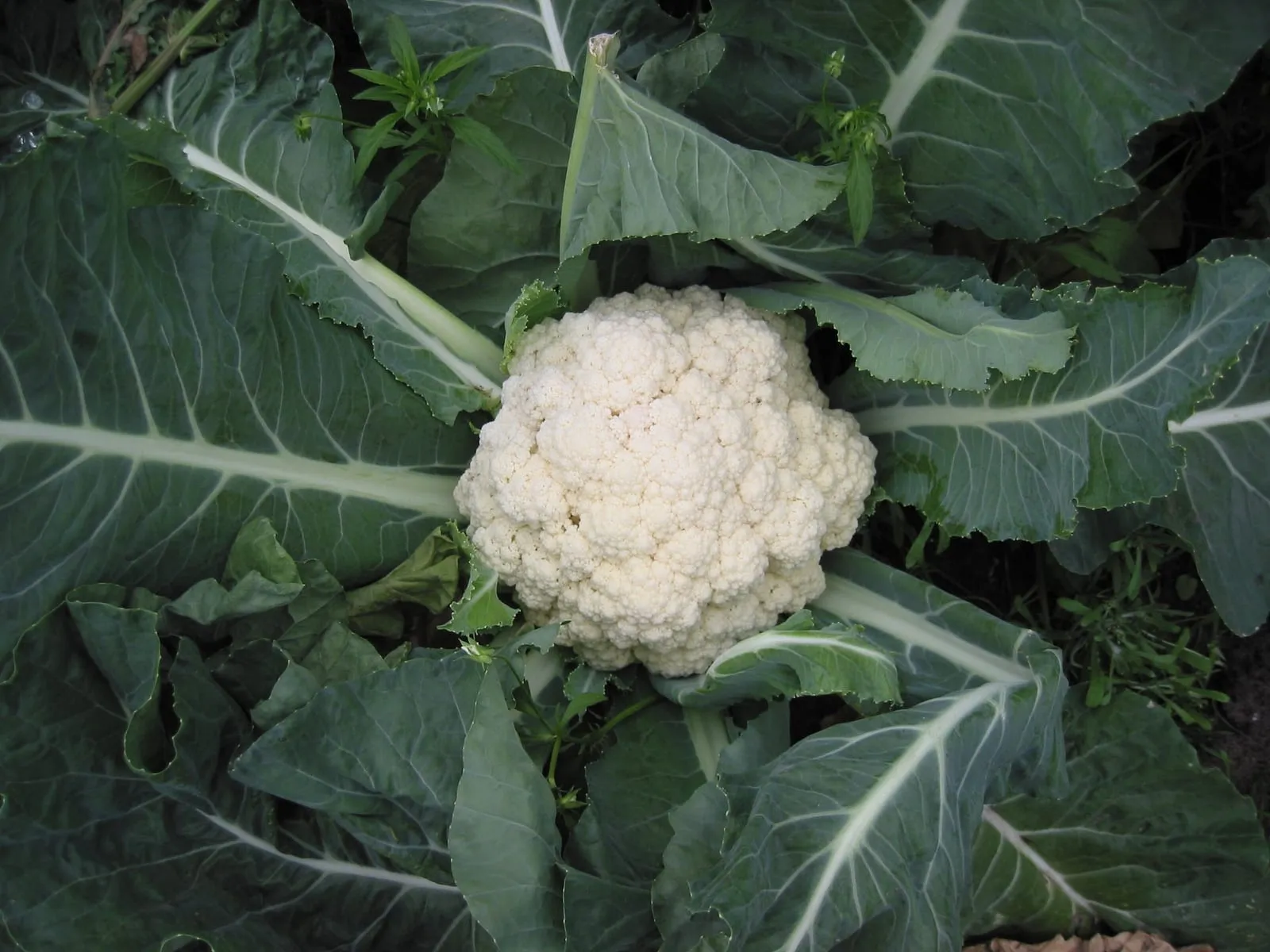
vegetable in zone 5a
Growing cauliflower in zone 5a
Brassica oleracea var. botrytis
- Zone
- 5a -20°F to -15°F
- Growing season
- 150 days
- Suitable varieties
- 4
- Days to harvest
- 55 to 100
The verdict
Zone 5a is a reliable production zone for cauliflower, not a marginal one. Cauliflower is a cool-season brassica with no chill-hour requirement in the fruit-tree sense; what it needs is sustained temperatures in the 60 to 70°F range during head development. Zone 5a's spring and fall windows deliver exactly that, and the 150-day growing season is long enough to fit both a spring crop and a fall crop into the calendar without overlap.
The main structural risk in zone 5a is late spring frosts extending into May, which can damage transplants set out too early. That is a timing problem, not a zone incompatibility. All four varieties in the compatible list, Snowball Y, Cheddar, Romanesco, and Graffiti, are well matched to this zone. Graffiti and Cheddar mature in roughly 70 to 80 days, which gives useful flexibility around frost windows. Romanesco runs slightly longer (85 to 100 days) and rewards careful scheduling for fall harvest.
Recommended varieties for zone 5a
4 cultivars suited to this zone, with disease-resistance and zone-fit annotations.
| Variety | Notes | Zone fit | Disease resistance |
|---|---|---|---|
| Snowball Y fits zone 5a | Mild, sweet, dense white curd; the classic home-garden cauliflower. Steaming, roasting, fresh, gratins. Self-blanching, reliable in cool springs and falls. | | none noted |
| Cheddar fits zone 5a | Mild, slightly sweeter than white, beta-carotene rich; bright orange curds that hold color when cooked. Roasting, fresh, soup. Ornamental and productive. | | none noted |
| Romanesco fits zone 5a | Sweet, nutty, more complex than white cauliflower; chartreuse fractal-spiraled head. Roasting, steamed, fresh. Sensitive to heat, best as fall crop. | | none noted |
| Graffiti fits zone 5a | Mild, slightly sweet, dramatic deep purple curd; holds color when cooked briefly. Roasting, fresh, pickled. Anthocyanin-rich, ornamental. | | none noted |
Critical timing for zone 5a
For a spring crop, start seeds indoors 6 to 8 weeks before the last expected frost, typically late February to early March in zone 5a. Transplant outdoors 2 to 3 weeks before last frost (late April in most of the zone), using row covers if nighttime temperatures are forecast below 28°F. Heads form as temperatures climb through May and June; harvest before daytime highs consistently exceed 80°F, which triggers buttoning and poor curd development.
For fall, back-calculate from first fall frost (typically late September to mid-October in zone 5a). Transplant in late July to early August. Fall cauliflower often produces cleaner curds because cooling temperatures improve blanching and slow downy mildew development.
Common challenges in zone 5a
- ▸ Fire blight in pears
- ▸ Cedar-apple rust
- ▸ Late spring frosts
Disease pressure to watch for
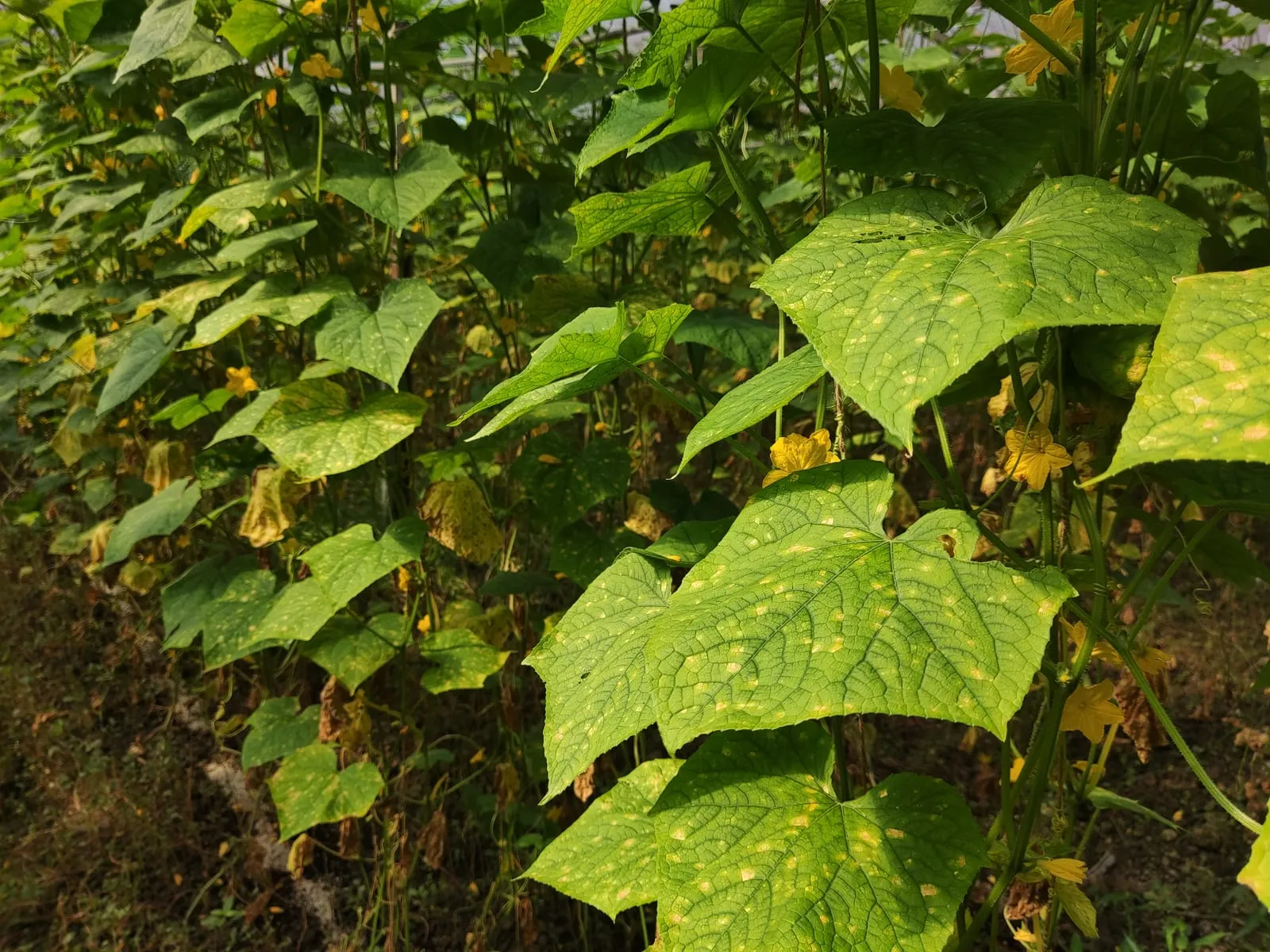
Pseudoperonospora cubensis (cucurbits) and others
Water mold (oomycete, not a true fungus) that thrives in cool damp conditions. Spreads rapidly through cucurbit and brassica plantings on wind-borne spores.
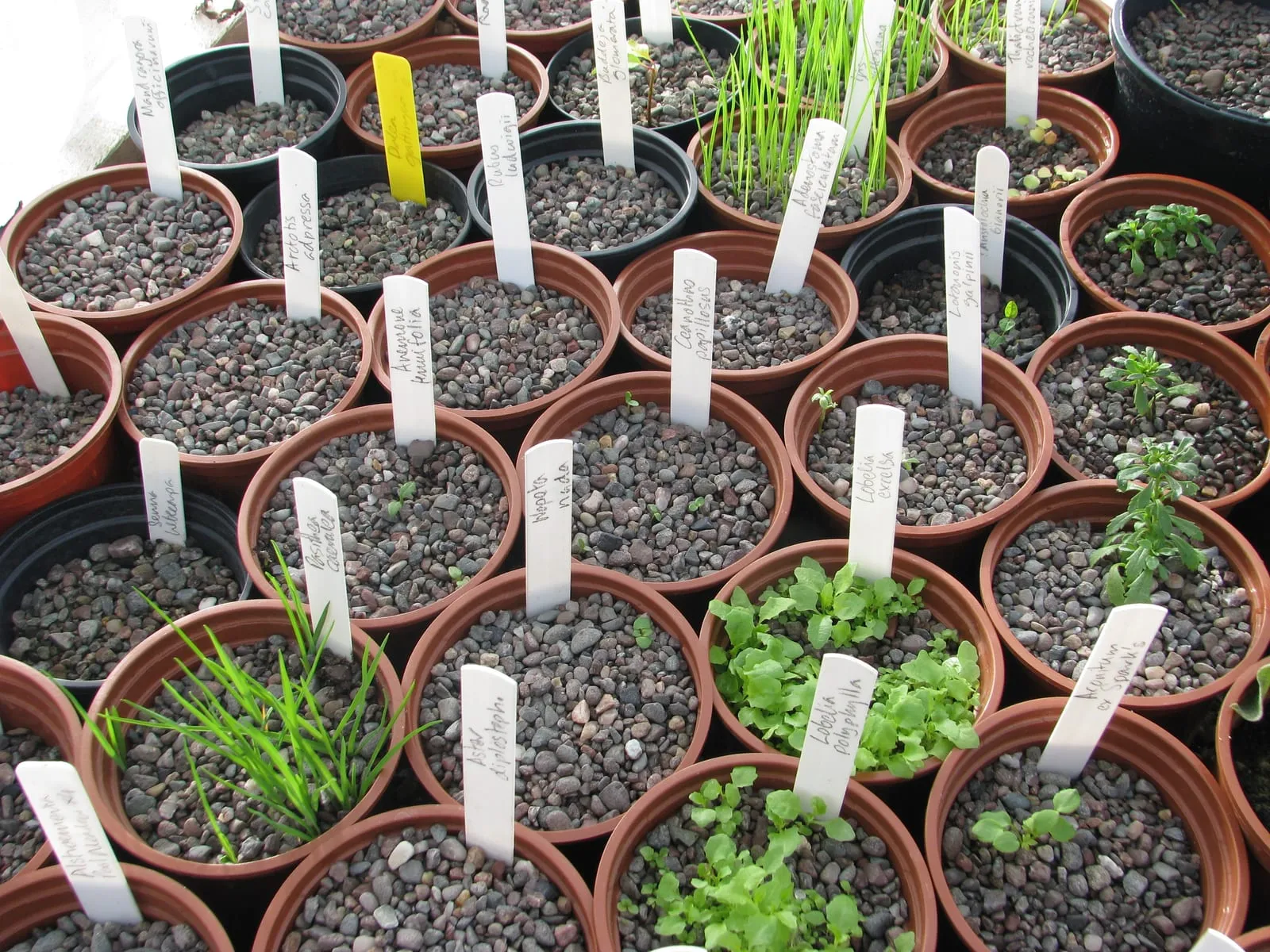
Pythium and Rhizoctonia species
Soil-borne complex of water molds and fungi that kill seedlings before or shortly after emergence. The single most common cause of seed-starting failures.
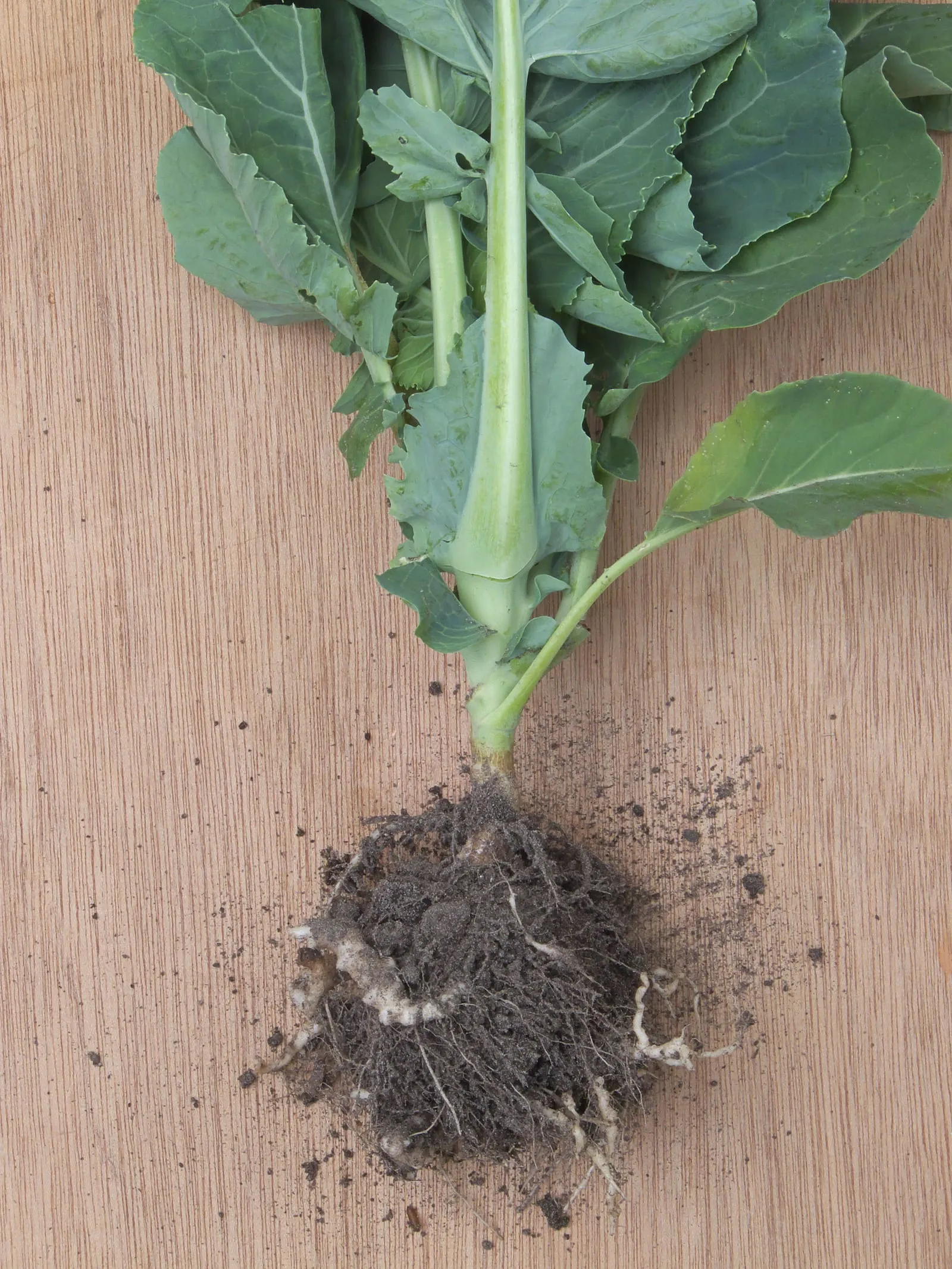
Plasmodiophora brassicae
Soil-borne disease causing characteristic distorted club-shaped roots on brassicas. Persists in soil for 10-20 years; the dominant brassica pathogen in acidic poorly-drained soils.
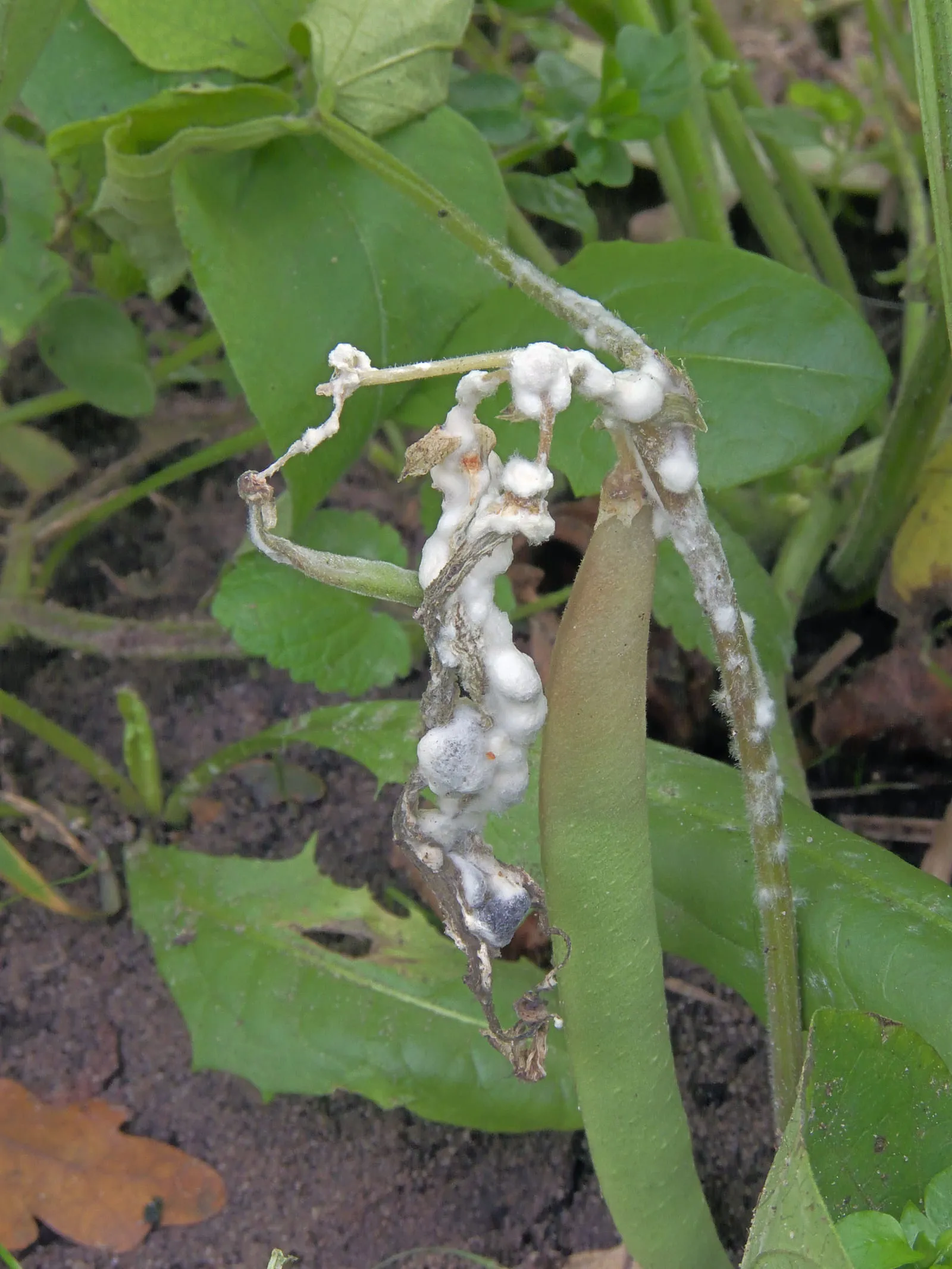
Sclerotinia sclerotiorum
Fungal disease that produces fluffy white mycelium on stems and lower leaves. Forms hard black sclerotia (resting bodies) that survive 5+ years in soil.
Modified care for zone 5a
The two adjustments zone 5a growers need to make relative to warmer regions are frost timing and disease scouting.
For frost: keep row covers available through mid-May. A late frost at the transplant stage can set a spring crop back two weeks or kill it outright. Hardening transplants for 7 to 10 days before setting out reduces cold shock.
For disease: downy mildew pressure increases in the cool, wet conditions that zone 5a springs often produce. Scout leaf undersides weekly once transplants are established. Clubroot persists in acidic soils; maintain soil pH above 7.0 and avoid planting brassicas in the same bed more than once every three to four years. White mold becomes a concern in dense plantings during humid stretches, particularly for fall crops. Adequate spacing (18 inches between plants) and good air circulation are the most effective preventive measures.
Frequently asked questions
- Can cauliflower survive a late frost in zone 5a?
Established transplants tolerate brief dips to 26 or 27°F, but younger seedlings and open curds are more vulnerable. Row covers rated to 4°F of frost protection are sufficient for most late-season cold events in zone 5a. Remove covers during the day to maintain air circulation.
- Why does my cauliflower head turn yellow or purple before harvest?
Yellow coloring on white-curd varieties like Snowball Y usually means sun exposure during curd development. Blanch by gathering outer leaves over the curd and securing them once the head reaches 2 to 3 inches across. Graffiti and Cheddar are naturally pigmented and do not require blanching.
- Is clubroot a serious risk in zone 5a?
Clubroot (Plasmodiophora brassicae) is present across much of the Upper Midwest and Northeast, including zone 5a. It survives in soil for 20 years or more. Lime to raise pH above 7.0, practice a minimum three-year brassica rotation, and source transplants from reputable nurseries. There is no curative treatment once plants are infected.
- Which variety works best for a fall crop in zone 5a?
Snowball Y and Cheddar (70 to 80 days) offer the most scheduling margin for fall harvest before first frost. Romanesco is worth attempting if transplants go out by late July, but a warm October is needed for the longer maturity window to close.
+−
+−
+−
+−
Cauliflower in adjacent zones
Image: "Bloemkool", by Rasbak, via Wikimedia Commons, licensed under CC-BY Source.

Related