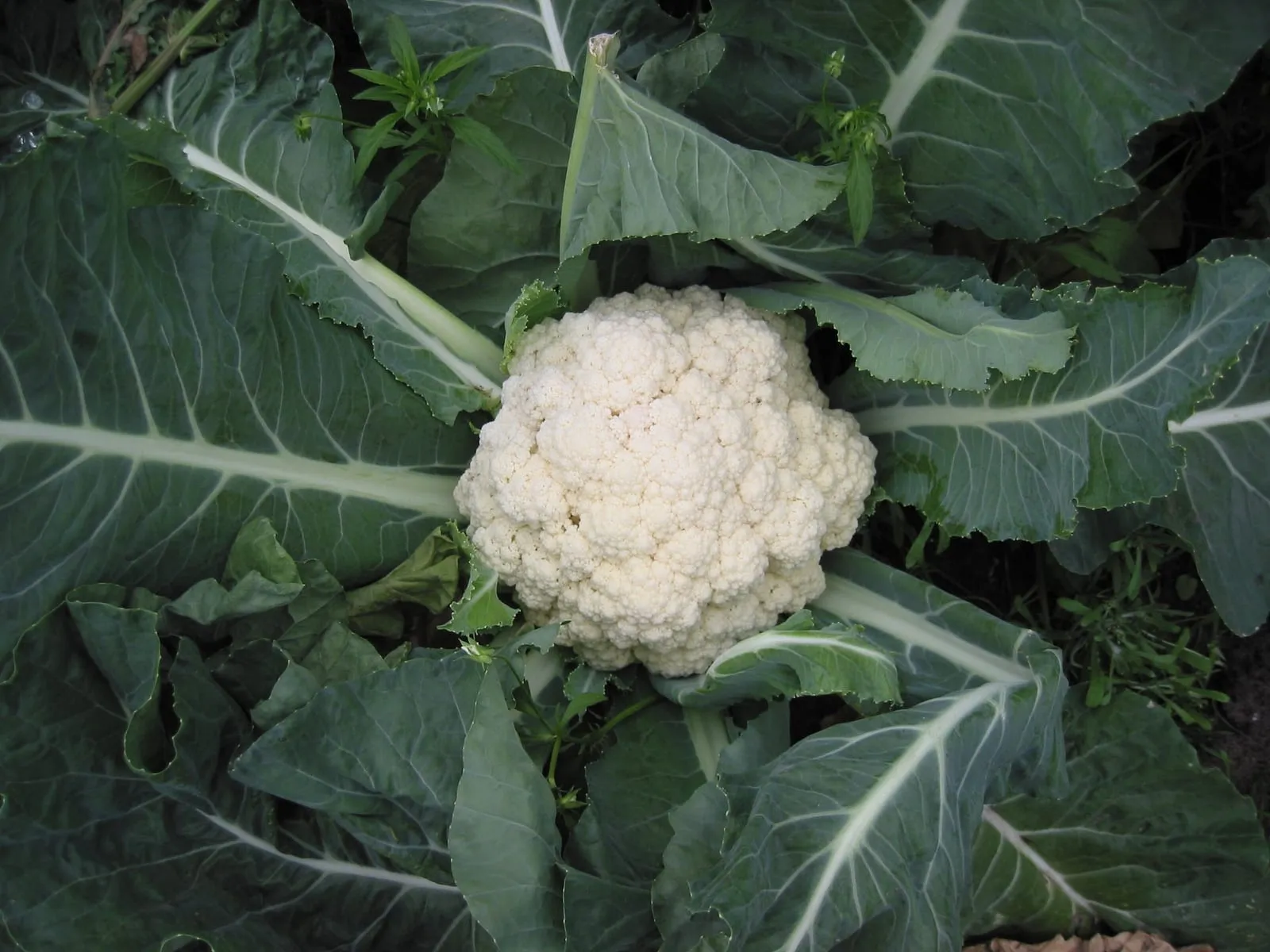
vegetable in zone 4b
Growing cauliflower in zone 4b
Brassica oleracea var. botrytis
- Zone
- 4b -25°F to -20°F
- Growing season
- 130 days
- Suitable varieties
- 3
- Days to harvest
- 55 to 100
The verdict
Cauliflower is a cool-season brassica, not a chill-hour crop, so zone 4b suitability turns on growing season length and temperature timing rather than winter dormancy requirements. The 130-day frost-free window in zone 4b is workable: most cauliflower varieties reach maturity in 50 to 80 days from transplant, leaving room for both a spring and a fall planting cycle.
Zone 4b is not marginal for cauliflower so much as demanding on timing. The crop forms heads best when daytime temperatures stay in the 60 to 70°F range, a condition zone 4b reliably delivers in early summer and again in late summer through fall. The bigger risk is a spring frost hitting young transplants before they establish, or a summer heat spike in July pushing temperatures above 80°F and causing "buttoning" (premature, undersized curd formation). Variety selection matters here: Snowball Y, Cheddar, and Graffiti all show reasonable performance in shorter-season northern zones and are appropriate starting points.
Recommended varieties for zone 4b
3 cultivars suited to this zone, with disease-resistance and zone-fit annotations.
| Variety | Notes | Zone fit | Disease resistance |
|---|---|---|---|
| Snowball Y fits zone 4b | Mild, sweet, dense white curd; the classic home-garden cauliflower. Steaming, roasting, fresh, gratins. Self-blanching, reliable in cool springs and falls. | | none noted |
| Cheddar fits zone 4b | Mild, slightly sweeter than white, beta-carotene rich; bright orange curds that hold color when cooked. Roasting, fresh, soup. Ornamental and productive. | | none noted |
| Graffiti fits zone 4b | Mild, slightly sweet, dramatic deep purple curd; holds color when cooked briefly. Roasting, fresh, pickled. Anthocyanin-rich, ornamental. | | none noted |
Critical timing for zone 4b
Spring planting follows a tight sequence in zone 4b. Seeds should be started indoors 6 to 8 weeks before the expected last frost date, which typically falls in late May across most zone 4b locations. Transplants go out after the last frost, but a row cover on hand is advisable through early June given the zone's variable spring frost timing.
Fall crops are often more reliable in zone 4b. Count back 70 to 75 days from the first expected fall frost, which typically arrives in September, and that gives a late-June to early-July transplant date. Cauliflower maturing into September and October benefits from cooling temperatures that firm up the curd and reduce buttoning risk. Harvest timing is straightforward: cut heads when curds are dense and white, before they begin to separate or yellow.
Common challenges in zone 4b
- ▸ Spring frost timing
- ▸ Apple scab pressure
- ▸ Cane berry winter dieback
Disease pressure to watch for
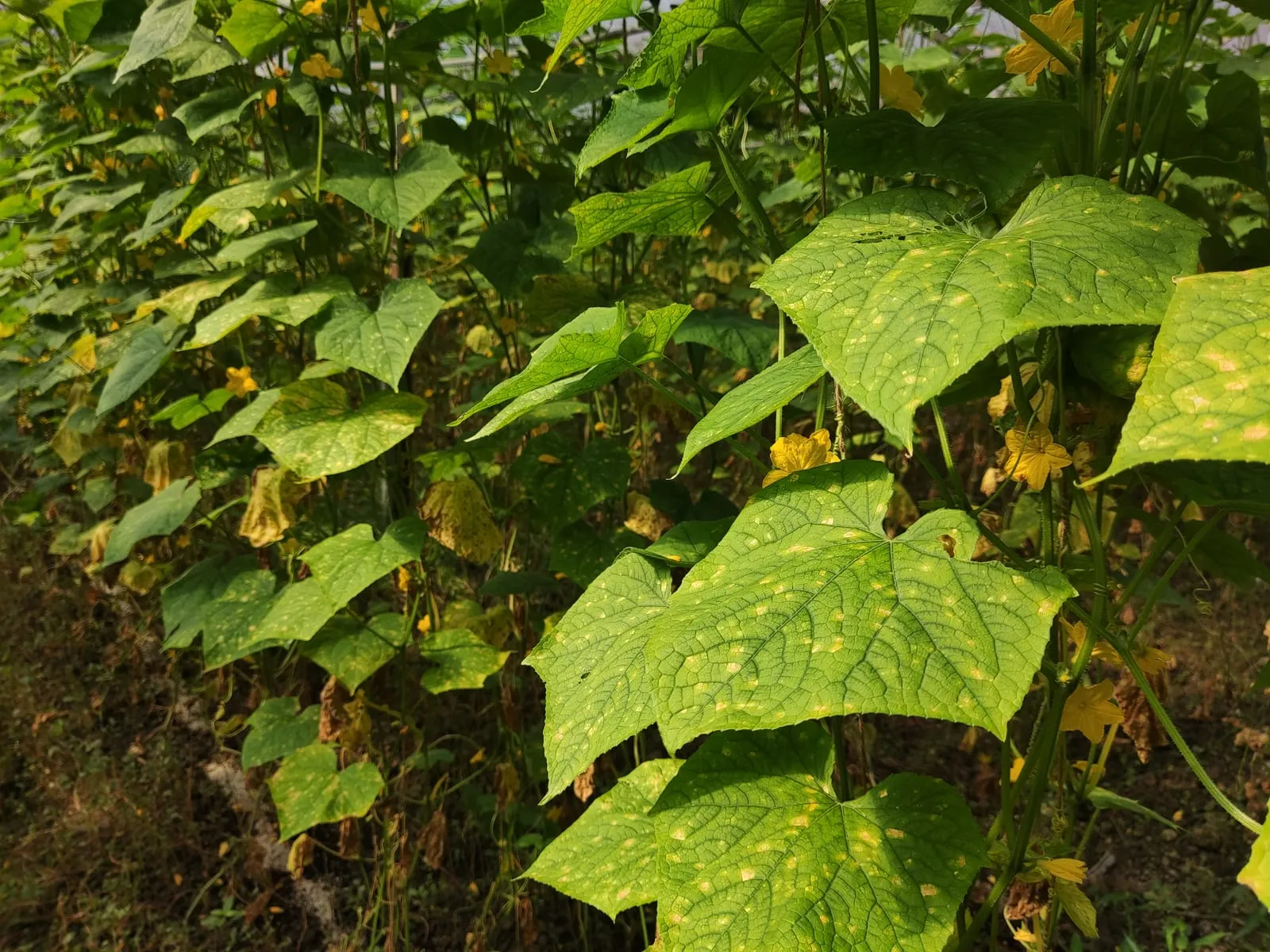
Pseudoperonospora cubensis (cucurbits) and others
Water mold (oomycete, not a true fungus) that thrives in cool damp conditions. Spreads rapidly through cucurbit and brassica plantings on wind-borne spores.
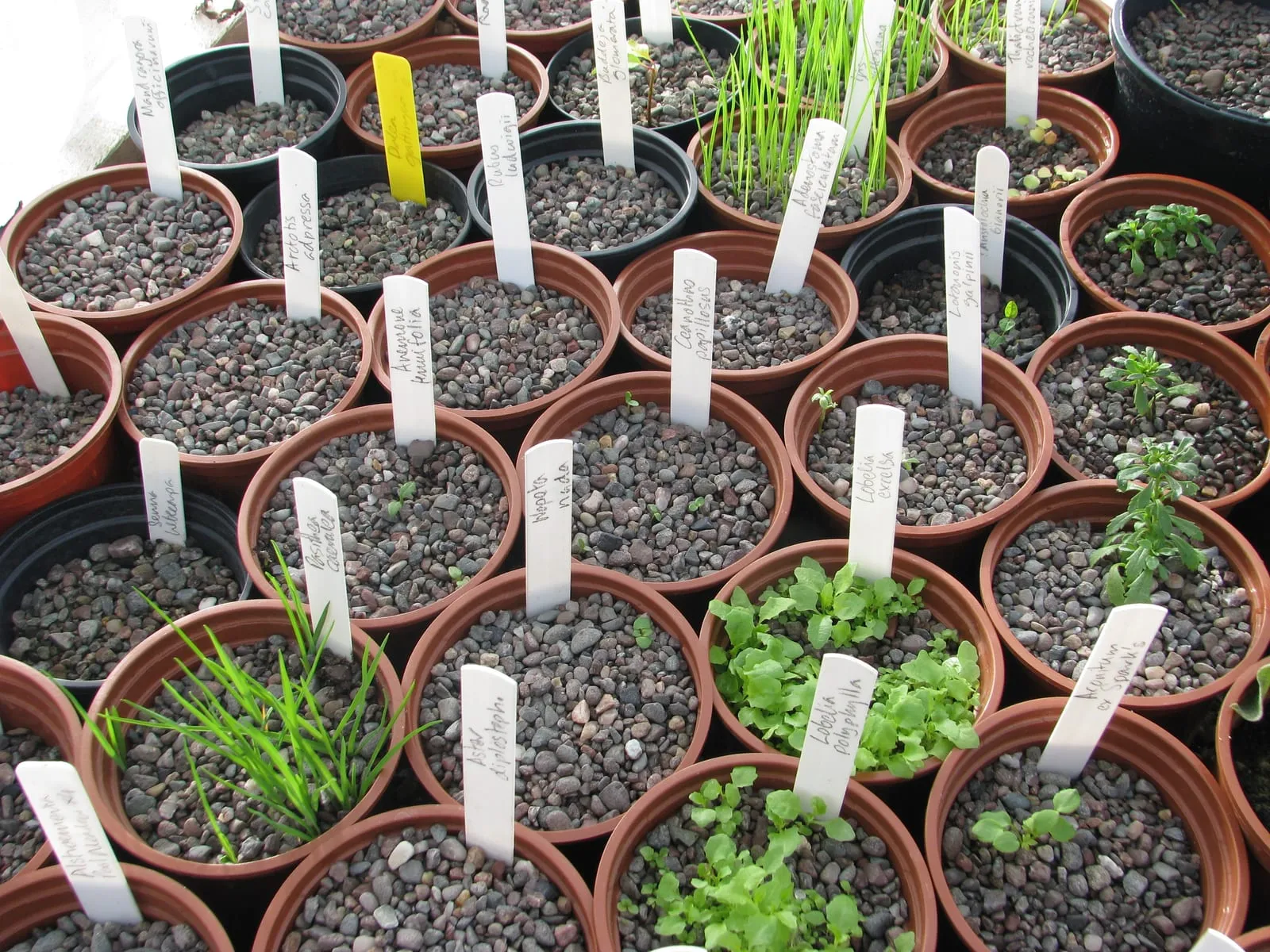
Pythium and Rhizoctonia species
Soil-borne complex of water molds and fungi that kill seedlings before or shortly after emergence. The single most common cause of seed-starting failures.
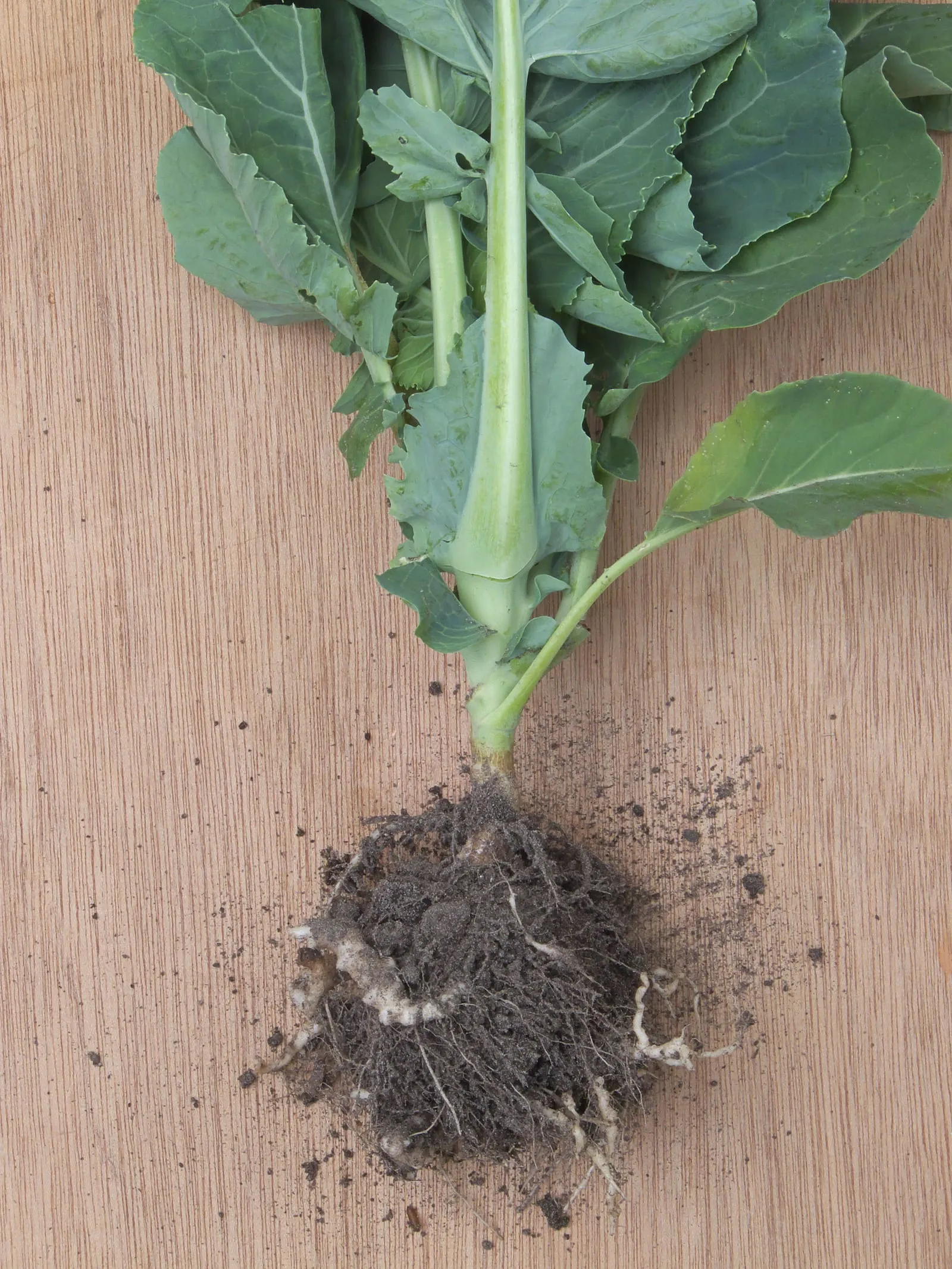
Plasmodiophora brassicae
Soil-borne disease causing characteristic distorted club-shaped roots on brassicas. Persists in soil for 10-20 years; the dominant brassica pathogen in acidic poorly-drained soils.
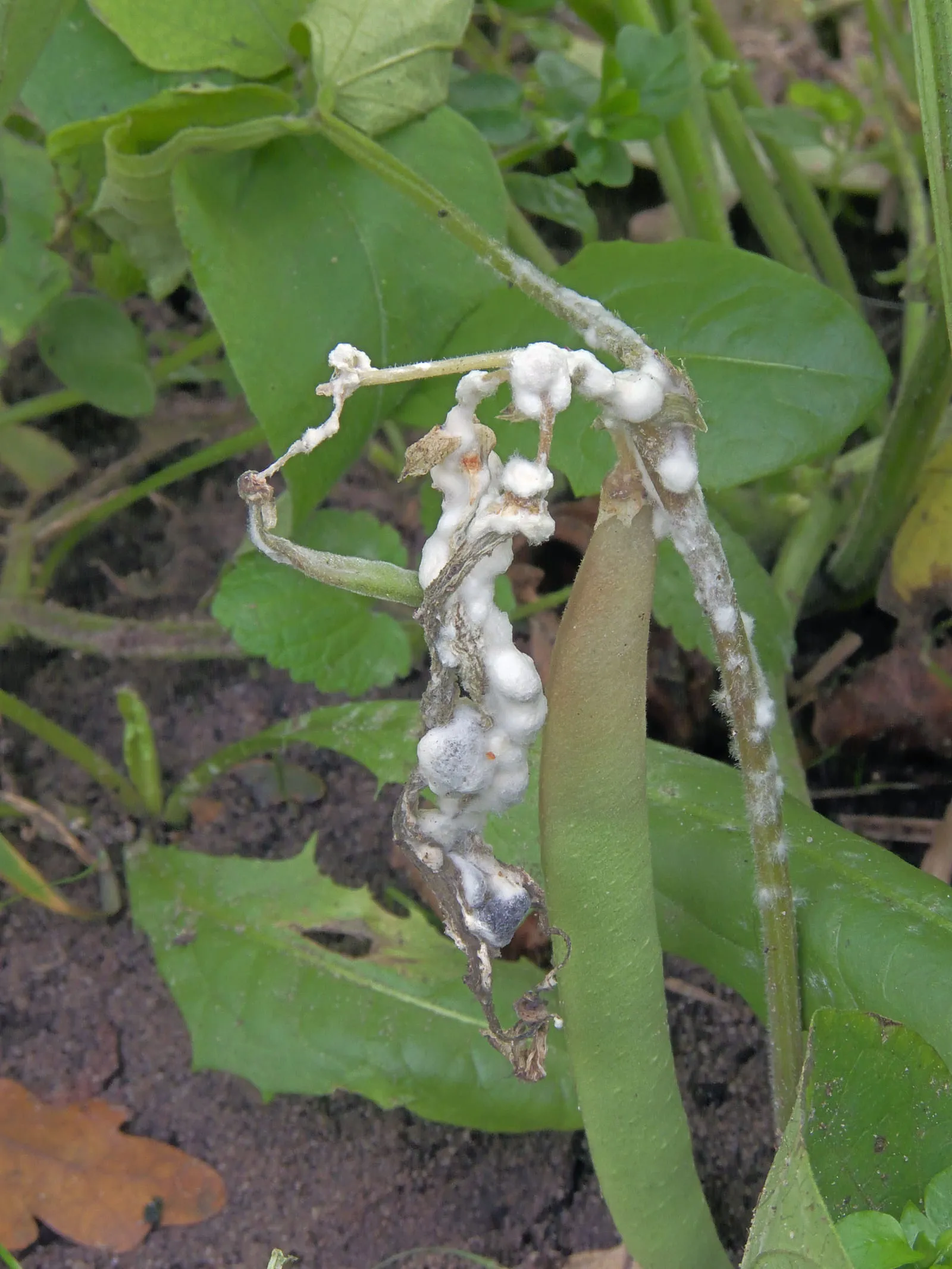
Sclerotinia sclerotiorum
Fungal disease that produces fluffy white mycelium on stems and lower leaves. Forms hard black sclerotia (resting bodies) that survive 5+ years in soil.
Modified care for zone 4b
The most important adjustment in zone 4b is treating cauliflower as two separate short-window crops rather than a single long-season planting. Relying on a single spring planting leaves no margin if a late frost damages transplants or a July heat wave causes buttoning before heads form.
Row covers or cold frames extend the safe transplant window by 1 to 2 weeks in spring and protect late fall crops from early frost damage. Blanching, covering the developing curd by tying outer leaves loosely over it, remains necessary for white-curd types like Snowball Y regardless of zone.
Disease pressure from downy mildew increases in cool, wet conditions common in zone 4b springs. Adequate plant spacing (18 inches or more) and avoiding overhead watering in the evening reduce the risk. Clubroot is a persistent soil pathogen in brassica beds; rotating cauliflower and other brassicas to a different bed location on a 3-year minimum cycle is the primary management tool, as soil pH adjustment above 7.2 also suppresses clubroot development.
Frequently asked questions
- Can cauliflower survive a late spring frost in zone 4b?
Established transplants tolerate light frosts down to about 28°F for short periods, but young seedlings are more vulnerable. Keeping a row cover on hand through early June is a practical precaution in zone 4b, where late frosts are a recognized seasonal challenge.
- Why does cauliflower form tiny, crumbly heads in zone 4b summers?
Small, premature heads, called buttoning, are typically triggered by heat stress above 80°F or by transplanting seedlings that were root-bound or cold-stressed before going in the ground. Timing transplants to avoid mid-July heat peaks and hardening off seedlings properly reduces the risk.
- Is a fall crop or a spring crop more reliable in zone 4b?
Fall crops tend to be more consistent. Cauliflower heads mature into the cooling temperatures of September and October, which improves curd quality and reduces buttoning. Spring crops race against summer heat and require precise timing around the late frost window.
- How do you manage clubroot in a zone 4b brassica bed?
Clubroot is a soil-borne pathogen with no chemical cure once established. The two most reliable tools are a 3-year or longer crop rotation out of brassicas and raising bed pH to 7.2 or above with lime, which suppresses but does not eliminate the pathogen.
+−
+−
+−
+−
Cauliflower in adjacent zones
Image: "Bloemkool", by Rasbak, via Wikimedia Commons, licensed under CC-BY Source.

Related