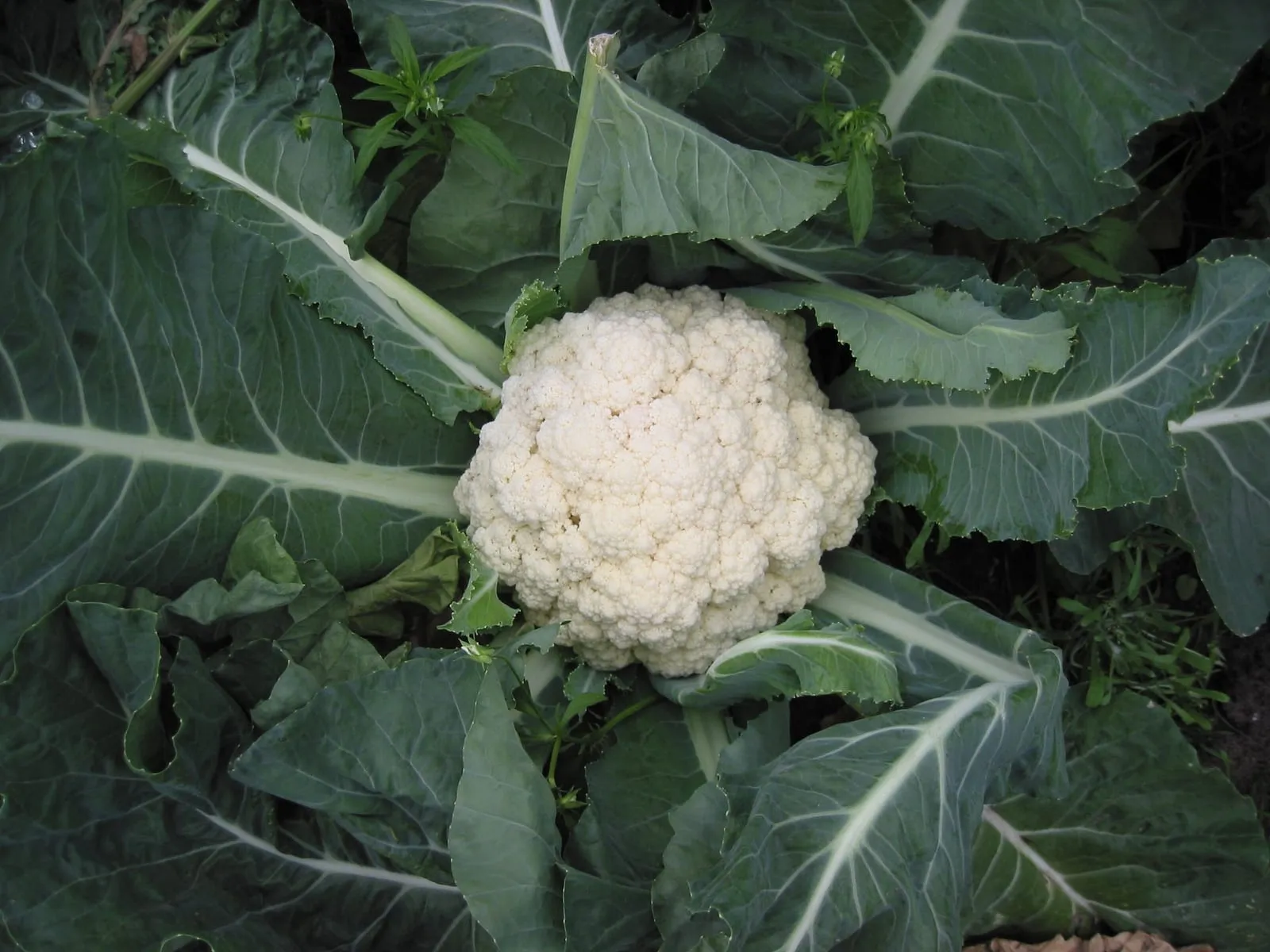
vegetable in zone 4a
Growing cauliflower in zone 4a
Brassica oleracea var. botrytis
- Zone
- 4a -30°F to -25°F
- Growing season
- 120 days
- Suitable varieties
- 2
- Days to harvest
- 55 to 100
The verdict
Cauliflower is a cool-season brassica that actually performs well in zone 4a, given the right approach. Unlike warm-season crops that struggle in short northern seasons, cauliflower prefers temperatures in the 60s °F for head development, and the cool shoulder seasons of zone 4a provide exactly that window. The 120-day growing season is workable but leaves little margin for timing errors, so variety selection matters. Snowball Y and Cheddar are both relatively compact, early-maturing selections suited to the compressed window.
Cauliflower does not require chill hours the way tree fruits do, so zone compatibility is driven by season length and temperature rather than dormancy. The -30 to -25°F winter temperatures are irrelevant in practice since cauliflower is grown as a warm-weather annual, not overwintered in the ground. The primary constraint is fitting a 55- to 80-day crop into a season that begins after a late last frost and ends before an early September freeze. For most zone 4a growers, that window closes faster than it looks on a calendar.
Recommended varieties for zone 4a
2 cultivars suited to this zone, with disease-resistance and zone-fit annotations.
| Variety | Notes | Zone fit | Disease resistance |
|---|---|---|---|
| Snowball Y fits zone 4a | Mild, sweet, dense white curd; the classic home-garden cauliflower. Steaming, roasting, fresh, gratins. Self-blanching, reliable in cool springs and falls. | | none noted |
| Cheddar fits zone 4a | Mild, slightly sweeter than white, beta-carotene rich; bright orange curds that hold color when cooked. Roasting, fresh, soup. Ornamental and productive. | | none noted |
Critical timing for zone 4a
In zone 4a, the last spring frost typically falls in late May, and the first fall frost arrives in mid to late September, producing a 110- to 120-day frost-free period. Spring cauliflower should be started indoors 5 to 6 weeks before the anticipated last frost date and transplanted out when soil temperatures have stabilized above 45°F. This usually places transplanting in late May, with harvest targeted for mid to late July using an early variety like Snowball Y.
Fall plantings often produce better heads because cauliflower develops in steadily cooling conditions. Count back 70 to 80 days from the expected first fall frost to determine a direct-sow or transplant date, which lands around late June to early July. Late frosts in spring can damage transplants that go out too early, so hardening off over 7 to 10 days before transplanting reduces cold shock.
Common challenges in zone 4a
- ▸ Late frosts damage early bloomers
- ▸ Limited peach varieties
Disease pressure to watch for
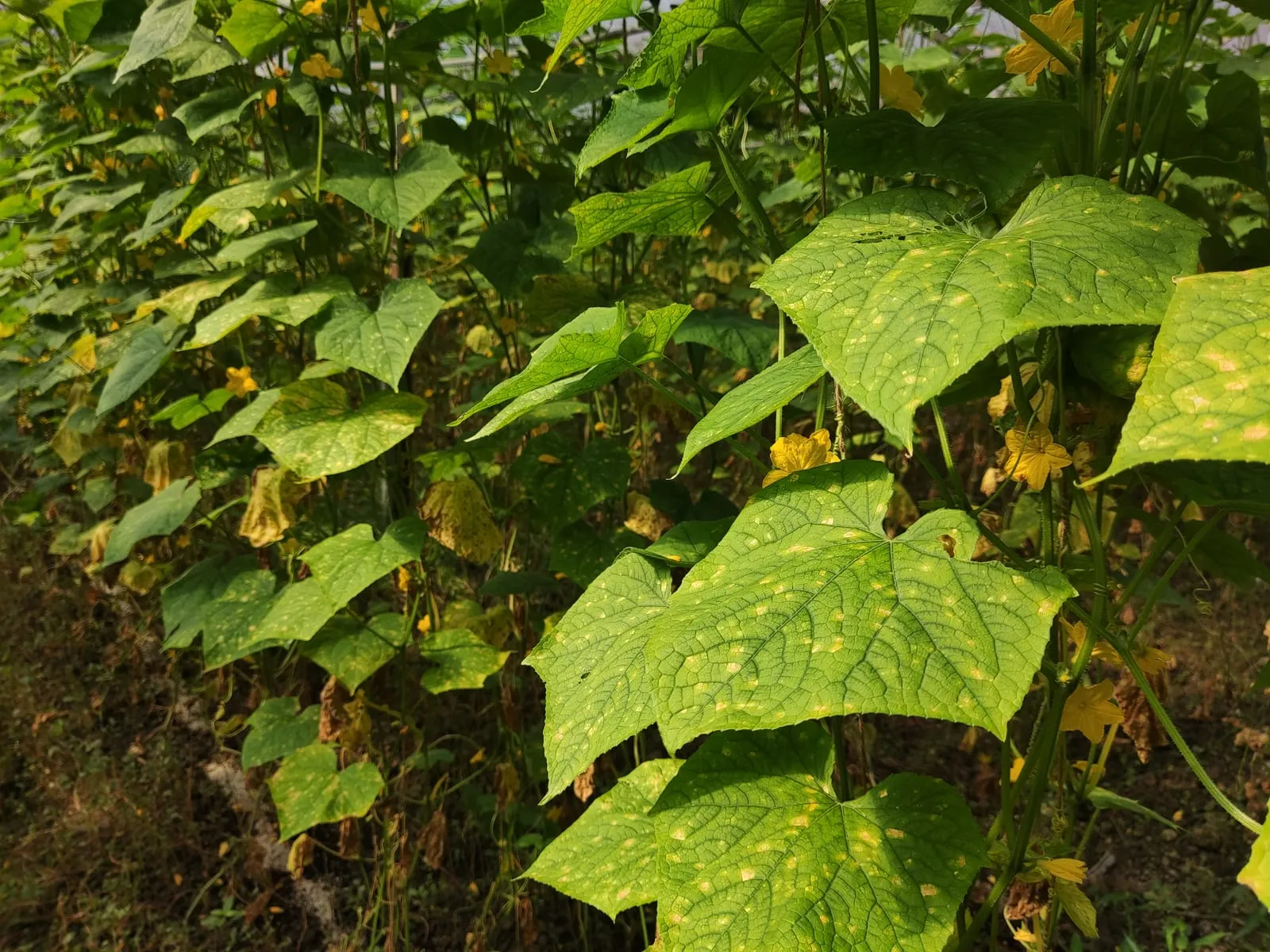
Pseudoperonospora cubensis (cucurbits) and others
Water mold (oomycete, not a true fungus) that thrives in cool damp conditions. Spreads rapidly through cucurbit and brassica plantings on wind-borne spores.
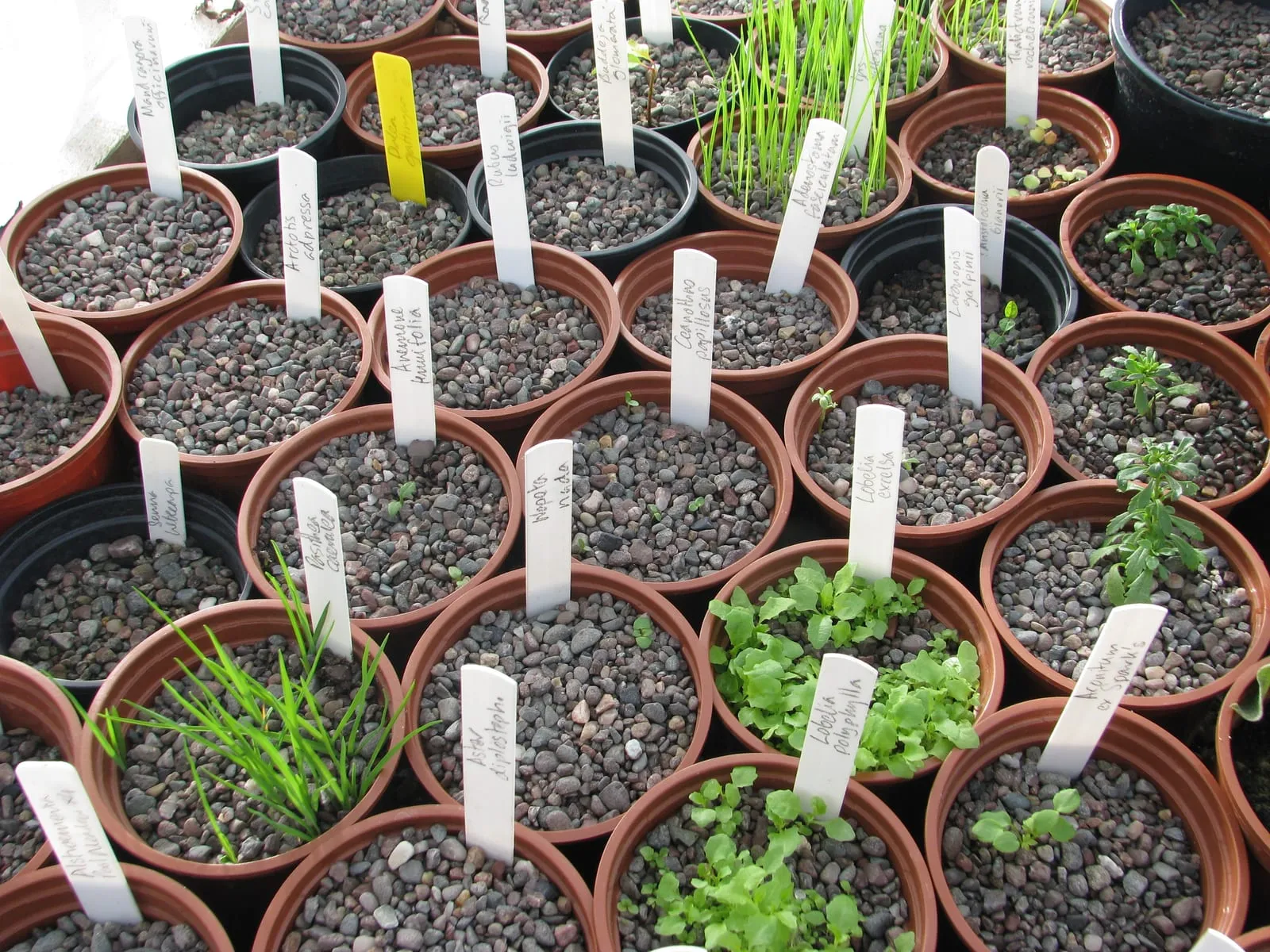
Pythium and Rhizoctonia species
Soil-borne complex of water molds and fungi that kill seedlings before or shortly after emergence. The single most common cause of seed-starting failures.
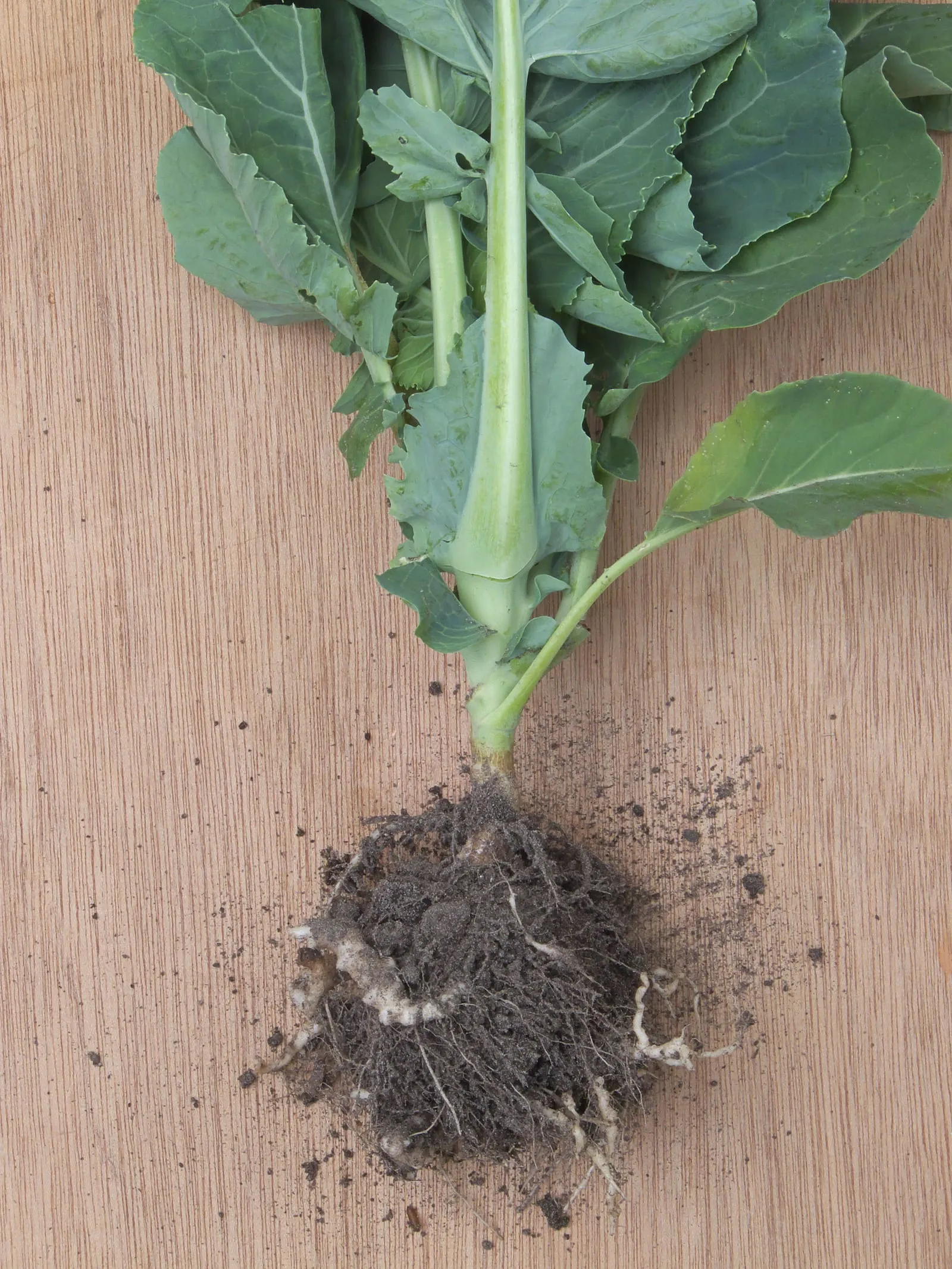
Plasmodiophora brassicae
Soil-borne disease causing characteristic distorted club-shaped roots on brassicas. Persists in soil for 10-20 years; the dominant brassica pathogen in acidic poorly-drained soils.
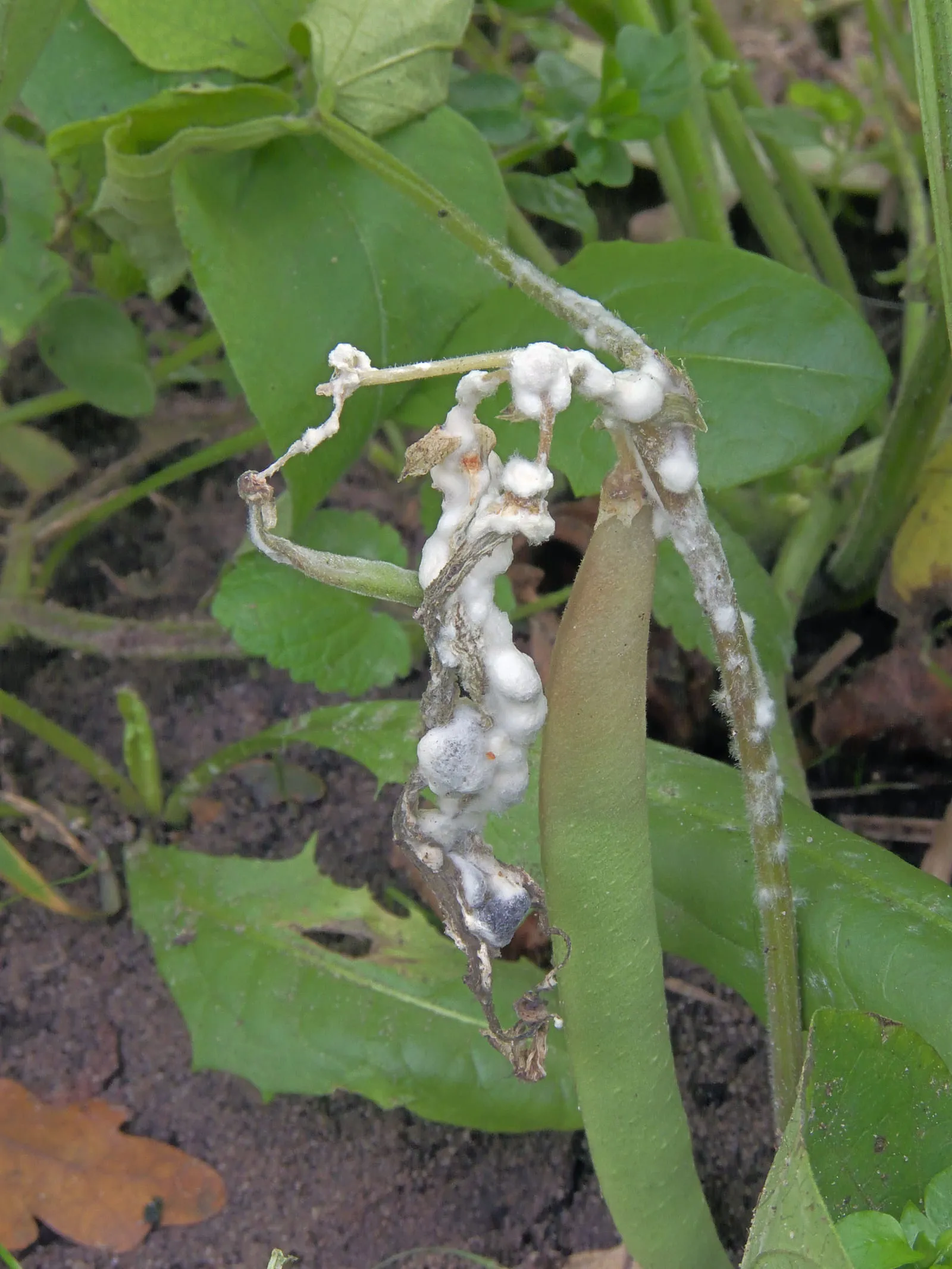
Sclerotinia sclerotiorum
Fungal disease that produces fluffy white mycelium on stems and lower leaves. Forms hard black sclerotia (resting bodies) that survive 5+ years in soil.
Modified care for zone 4a
Zone 4a growers should prioritize varieties with days-to-maturity under 75 days to reliably fit within the frost-free window. Varieties marketed for northern or short-season gardens are tested at these latitudes and are a safer starting point than standard commercial varieties.
Blanching white varieties like Snowball Y requires tying the outer leaves over the developing curd when it reaches a few inches across. In zone 4a's short season, this step should not be delayed, as an unexpected early frost can damage an exposed head. The Cheddar variety does not require blanching and is somewhat more forgiving of timing.
Downy mildew and white mold pressure increases in cool, damp conditions, which are common in zone 4a's spring and fall windows. Avoid overhead irrigation, space plants to allow airflow (18 inches minimum), and remove infected leaf material promptly. Clubroot is a soil-borne disease that persists for years; if it has appeared in a bed previously, raise soil pH to 7.0 or above and rotate brassicas on a 4-year cycle.
Frequently asked questions
- Can cauliflower survive light frosts in zone 4a?
Established transplants tolerate light frosts down to about 28°F for short periods, but developing curds are more sensitive. A hard frost below 25°F will damage or kill an unprotected head. Row cover provides meaningful protection when an unexpected late spring or early fall frost threatens.
- Is fall or spring planting better for cauliflower in zone 4a?
Fall planting generally produces better-quality heads because cauliflower develops in progressively cooler temperatures, which encourages tight, well-formed curds. Spring crops race against summer heat and can button (form small, premature heads) if warm weather arrives before the plant matures.
- Why is my cauliflower forming small, loose curds?
Buttoning (small curds forming prematurely) is typically caused by transplanting seedlings that are too old, cold stress on young plants, or nitrogen deficiency. In zone 4a, transplanting overgrown seedlings into still-cold soil is a common trigger. Use 5- to 6-week-old seedlings and wait until soil temperatures exceed 45°F.
+−
+−
+−
Cauliflower in adjacent zones
Image: "Bloemkool", by Rasbak, via Wikimedia Commons, licensed under CC-BY Source.

Related