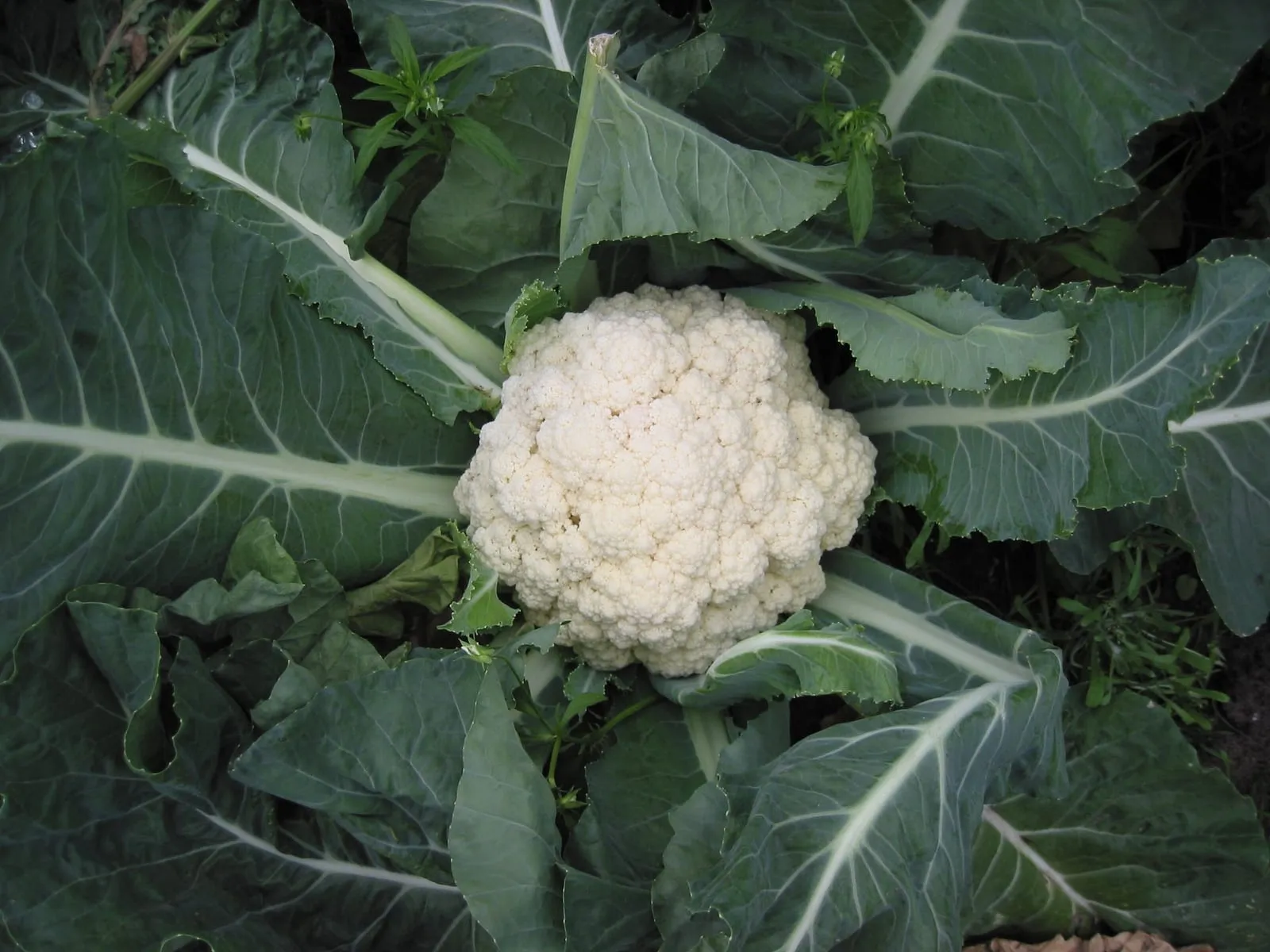
vegetable in zone 3b
Growing cauliflower in zone 3b
Brassica oleracea var. botrytis
- Zone
- 3b -35°F to -30°F
- Growing season
- 100 days
- Suitable varieties
- 1
- Days to harvest
- 55 to 100
The verdict
Cauliflower is a cool-season brassica, not a fruit crop, so chill-hour requirements do not apply. What matters instead is whether the growing season is long enough to carry the crop from transplant to harvest before killing frosts arrive. Zone 3b's average season of roughly 100 days is tight but workable for cauliflower. Snowball Y, the variety with confirmed compatibility for this zone, reaches maturity in approximately 68 days from transplant, leaving a modest buffer against early fall frosts.
The real risk in zone 3b is not cold tolerance at maturity but heat stress in midsummer. Cauliflower heads (curds) develop best in the 60 to 65°F range. When temperatures spike, curds can develop off-color or loose texture. Zone 3b's short, cool summers often work in cauliflower's favor on this front, though a late heat wave in July or August can still cause problems. Overall, this zone is within the workable range for cauliflower, not a sweet spot, but not marginal either, provided timing is precise.
Recommended varieties for zone 3b
1 cultivar suited to this zone, with disease-resistance and zone-fit annotations.
| Variety | Notes | Zone fit | Disease resistance |
|---|---|---|---|
| Snowball Y fits zone 3b | Mild, sweet, dense white curd; the classic home-garden cauliflower. Steaming, roasting, fresh, gratins. Self-blanching, reliable in cool springs and falls. | | none noted |
Critical timing for zone 3b
In zone 3b, where last spring frosts typically fall in late May and first fall frosts arrive in late August to mid-September, cauliflower must be started indoors. Sow seeds 5 to 6 weeks before the anticipated last frost date, then transplant seedlings outdoors once overnight temperatures stay reliably above 28°F. Hardened transplants tolerate light frost, but young seedlings exposed to sustained cold below that threshold can bolt prematurely.
For Snowball Y at roughly 68 days to maturity, a transplant date of late May or early June targets curd development during the coolest part of the zone's summer. Harvest typically falls in late July to mid-August. A fall succession planting is rarely practical in zone 3b given the narrow window between transplant viability and the return of killing frosts.
Common challenges in zone 3b
- ▸ Short season
- ▸ Winter desiccation
- ▸ Site selection critical for fruit trees
Disease pressure to watch for
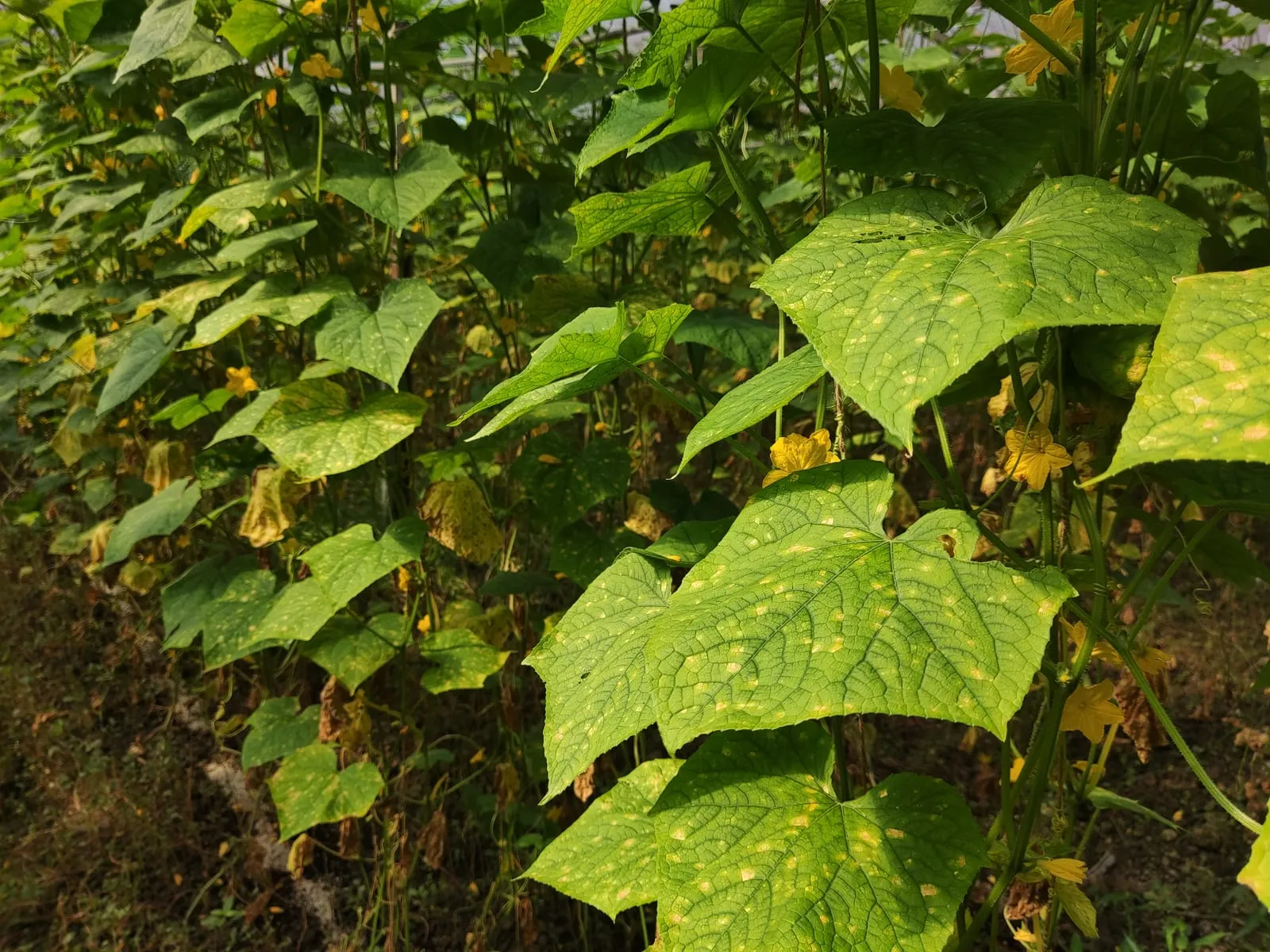
Pseudoperonospora cubensis (cucurbits) and others
Water mold (oomycete, not a true fungus) that thrives in cool damp conditions. Spreads rapidly through cucurbit and brassica plantings on wind-borne spores.
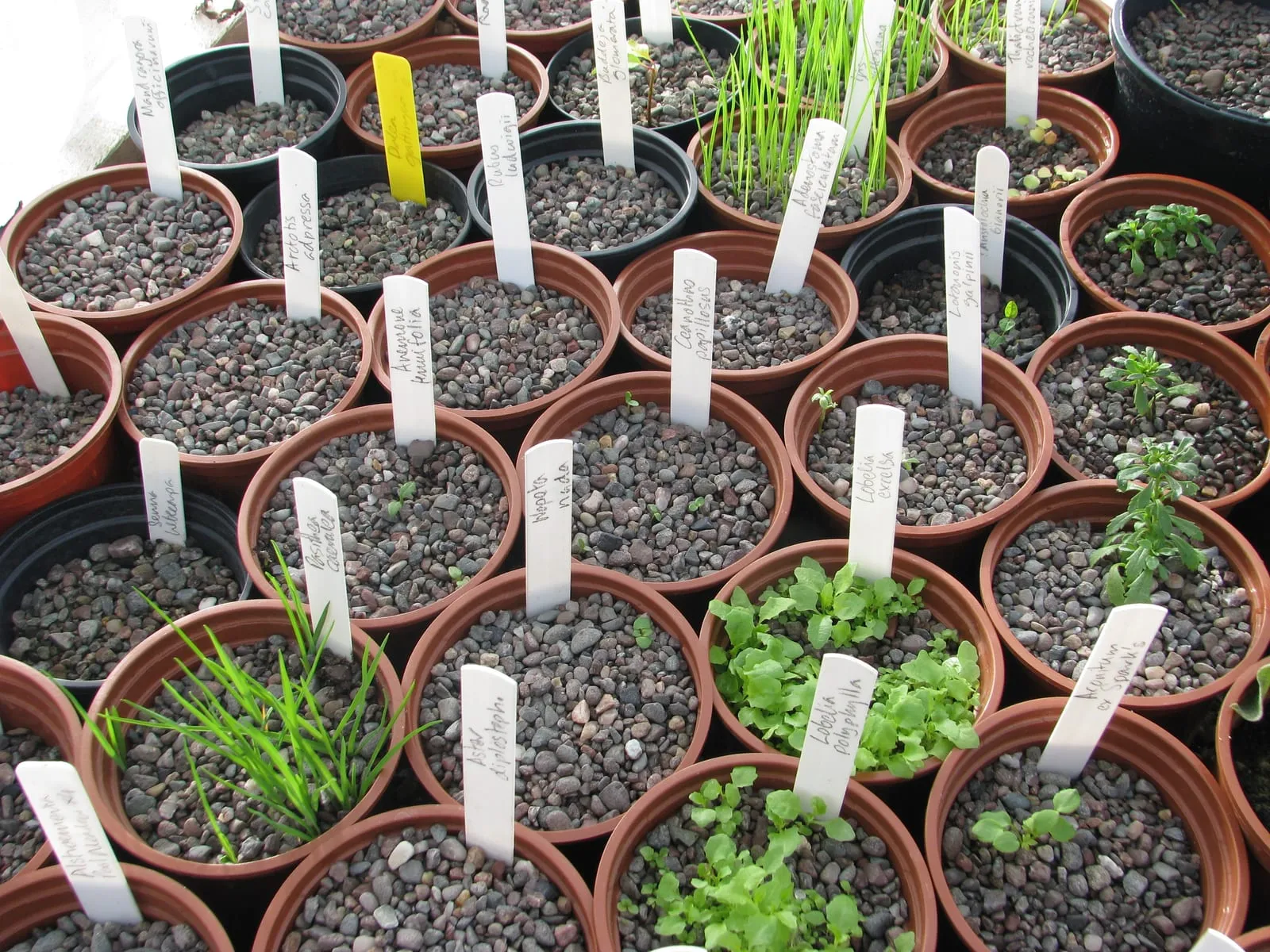
Pythium and Rhizoctonia species
Soil-borne complex of water molds and fungi that kill seedlings before or shortly after emergence. The single most common cause of seed-starting failures.
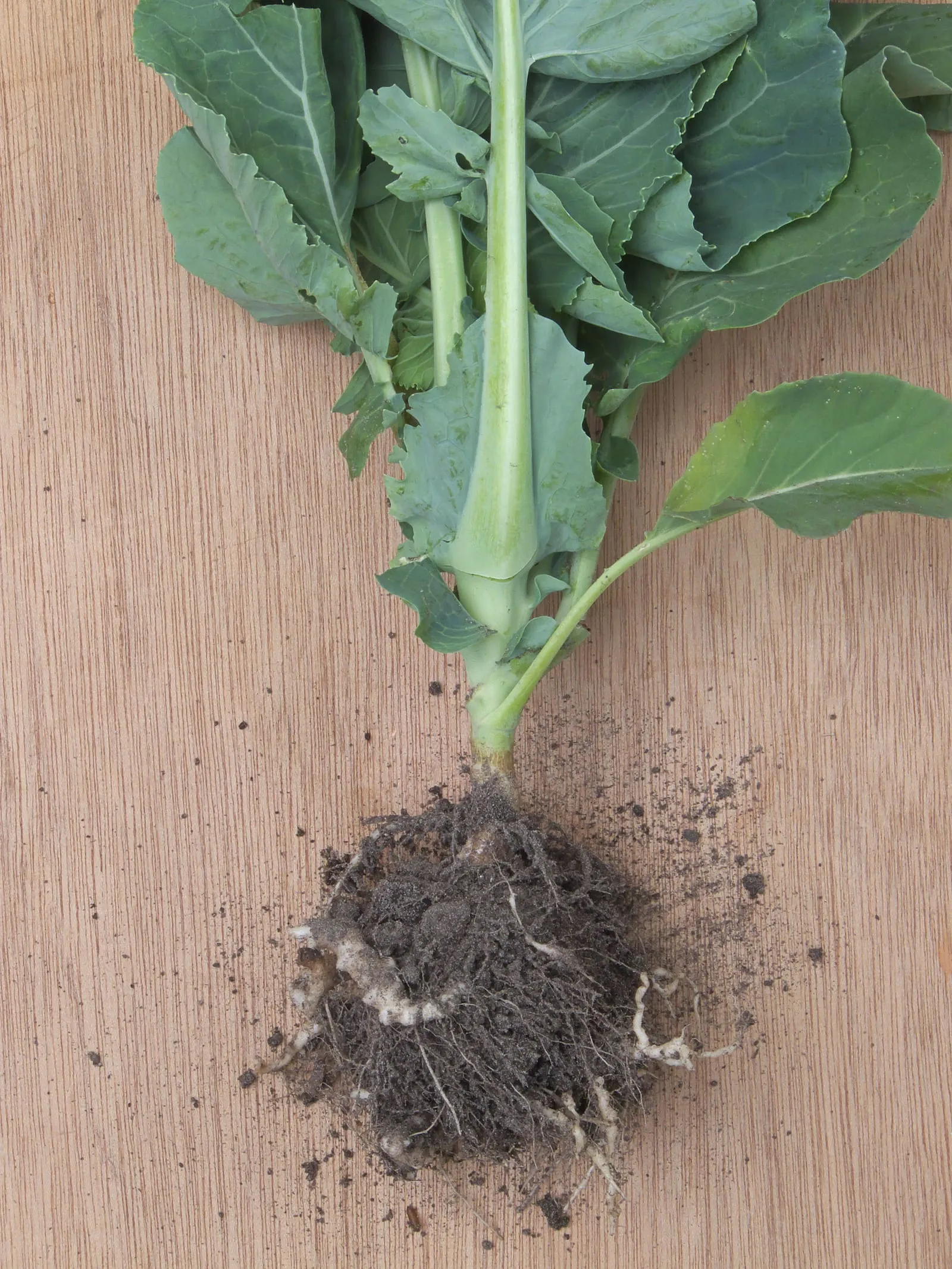
Plasmodiophora brassicae
Soil-borne disease causing characteristic distorted club-shaped roots on brassicas. Persists in soil for 10-20 years; the dominant brassica pathogen in acidic poorly-drained soils.
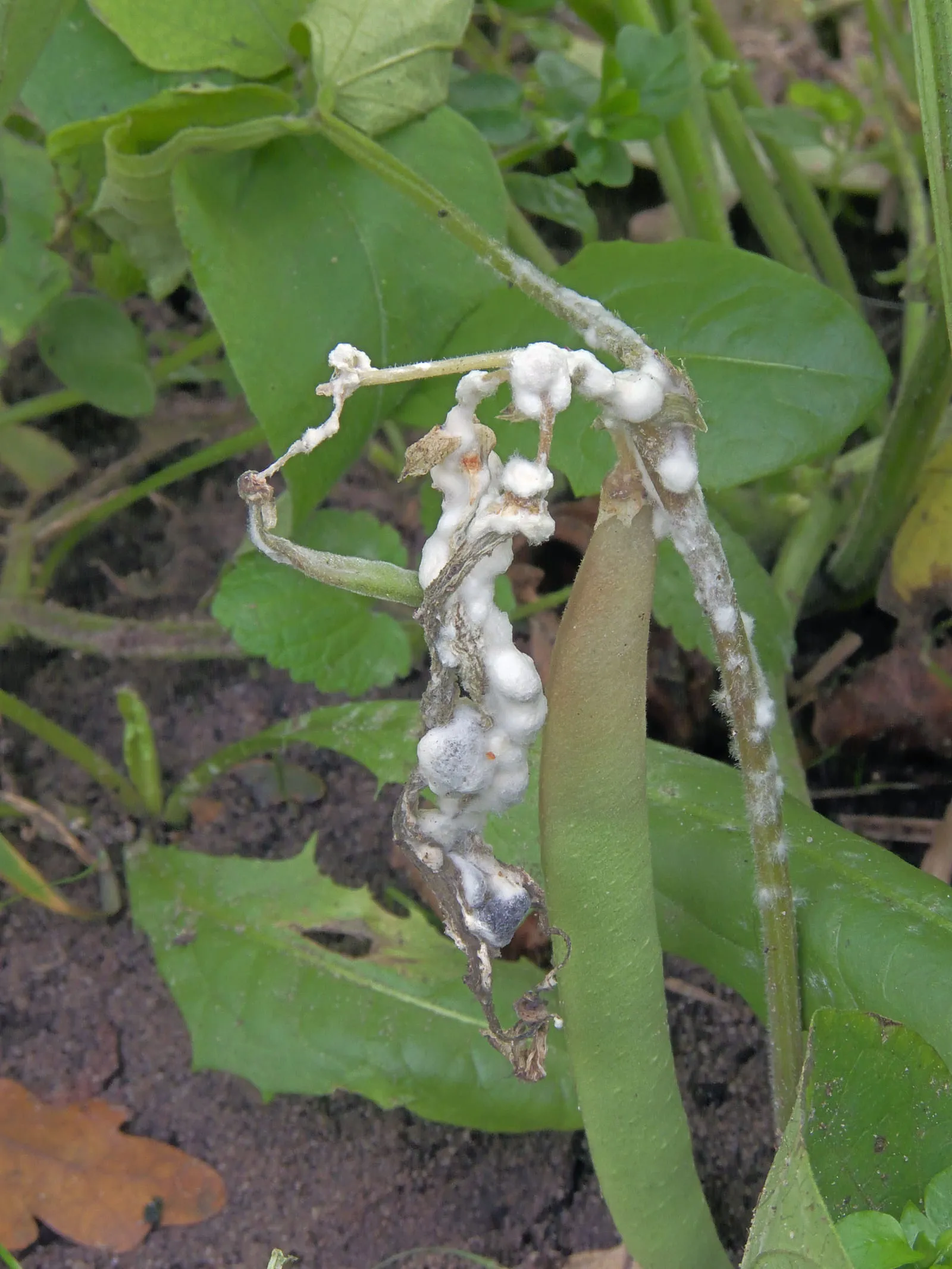
Sclerotinia sclerotiorum
Fungal disease that produces fluffy white mycelium on stems and lower leaves. Forms hard black sclerotia (resting bodies) that survive 5+ years in soil.
Modified care for zone 3b
The primary adjustment in zone 3b is a strict commitment to indoor seed starting. Attempting direct sowing outdoors wastes the limited season. Grow transplants under supplemental lighting to ensure stocky, well-rooted starts rather than leggy seedlings that struggle to establish quickly.
Black plastic mulch can be useful in colder zones to warm soil and extend the effective rooting window. Remove it in midsummer if temperatures climb and risk overheating the root zone.
Disease pressure from Downy Mildew and White Mold increases in cool, wet conditions, both common in zone 3b springs. Spacing transplants at least 18 inches apart and avoiding overhead irrigation reduce humidity at the canopy level. Clubroot is a persistent soil pathogen that builds up with repeated brassica plantings; rotating cauliflower and related crops to a different bed on a three-year cycle is practical prevention rather than an optional refinement in this region.
Frequently asked questions
- Can cauliflower survive zone 3b winters?
Cauliflower is grown as a seasonal crop in zone 3b and is harvested before winter arrives. It does not overwinter in zone 3b. The question is whether the growing season (roughly 100 days) is long enough to reach maturity, and for fast-maturing varieties like Snowball Y, it generally is.
- What is the best variety of cauliflower for zone 3b?
Snowball Y is a well-established short-season variety suited to zone 3b. It matures in approximately 68 days from transplant, fitting within the available growing window. Avoid varieties with maturity dates above 75 to 80 days, as the season buffer becomes too thin.
- Does cauliflower need full sun in zone 3b?
Full sun (at least 6 hours of direct light) is the standard recommendation and holds in zone 3b. Unlike in warmer zones where afternoon shade can help prevent curd stress during heat spikes, zone 3b growers generally benefit from maximizing sun exposure to extend the effective growing window.
- How do I prevent clubroot in zone 3b cauliflower beds?
Clubroot is caused by a soil pathogen that persists for years. The most effective approach is a strict rotation, keeping cauliflower and other brassicas out of the same bed for at least three years. Raising soil pH to 7.0 or above with lime also reduces clubroot severity. Once established, clubroot cannot be eradicated from a bed.
+−
+−
+−
+−
Cauliflower in adjacent zones
Image: "Bloemkool", by Rasbak, via Wikimedia Commons, licensed under CC-BY Source.

Related