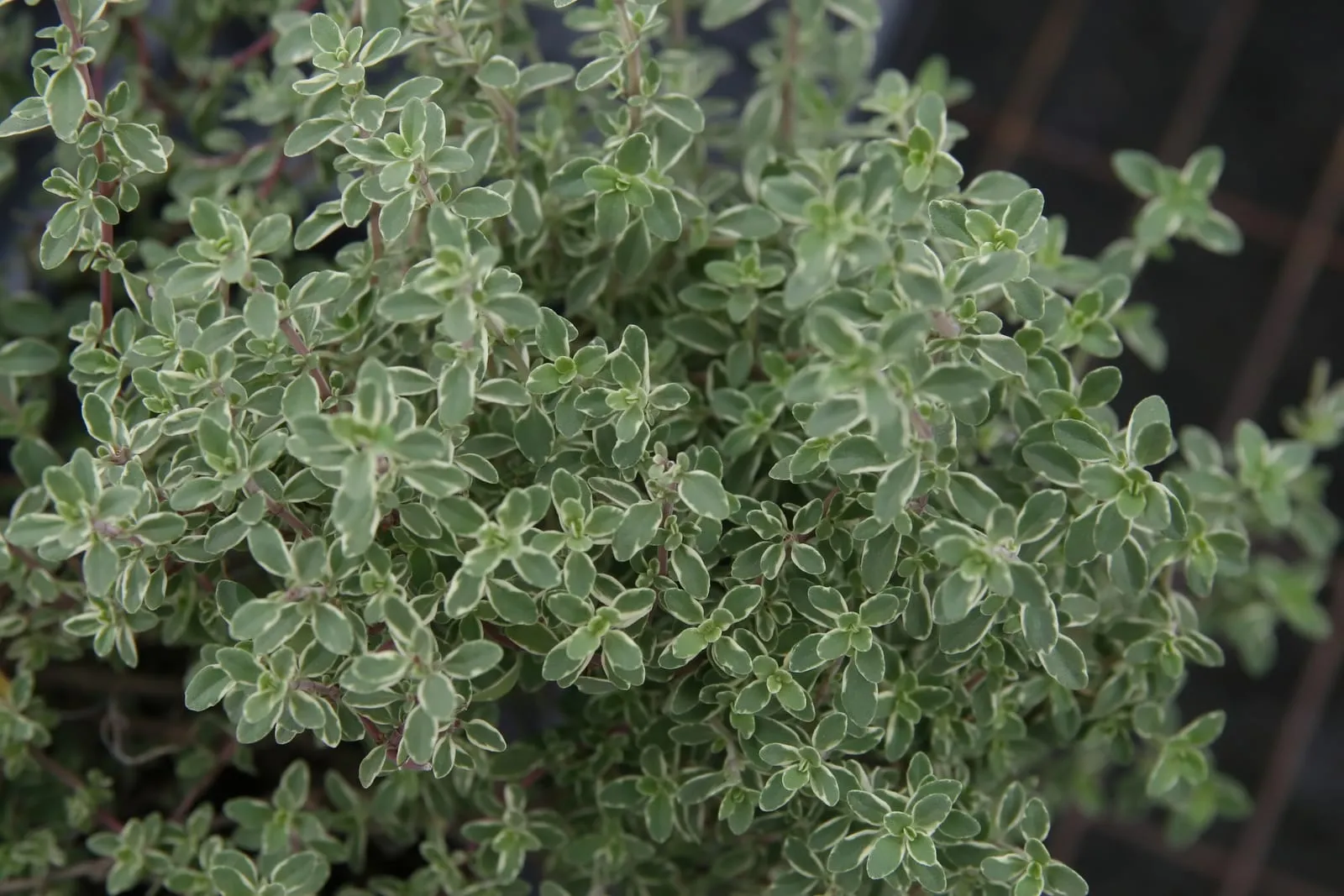
herb in zone 6a
Growing thyme in zone 6a
Thymus vulgaris
- Zone
- 6a -10°F to -5°F
- Growing season
- 180 days
- Suitable varieties
- 3
- Days to harvest
- 75 to 95
The verdict
Zone 6a, with minimum temperatures between -10 and -5°F, sits comfortably within thyme's reliable hardiness range. English/Common and Lemon thyme are both rated hardy to at least zone 5, giving zone 6a a meaningful margin of safety. Creeping thyme is similarly cold-tolerant. This is not a marginal zone for thyme; it is close to the middle of the crop's practical growing range in North America.
Unlike stone fruit or many tree crops, thyme has no chill-hour requirement. What it needs from winter is dormancy, not a counted accumulation of hours below a threshold. Zone 6a delivers that reliably. The 180-day growing season is more than adequate for multiple harvests and for young plants to establish a root system before the first hard freeze. Growers in zone 6a are more likely to lose thyme to poor drainage than to cold.
Recommended varieties for zone 6a
3 cultivars suited to this zone, with disease-resistance and zone-fit annotations.
| Variety | Notes | Zone fit | Disease resistance |
|---|---|---|---|
| English / Common fits zone 6a | Earthy, slightly minty, classic French-cooking thyme flavor; small dark green leaves on woody stems. Soups, stews, roasted meats, herbes de Provence. The cook's thyme. | | none noted |
| Lemon fits zone 6a | Bright lemon-citrus notes with thyme base; small green leaves with subtle yellow variegation. Fresh on fish, chicken, summer cocktails, fruit dishes. Productive, fragrant. | | none noted |
| Creeping (Mother of Thyme) fits zone 6a | Mild thyme flavor; ground-cover habit, pink summer flowers. Edible (smaller leaves) but mostly ornamental. Stepable groundcover, drought-tolerant. | | none noted |
Critical timing for zone 6a
In zone 6a, thyme breaks dormancy in mid-March to early April as soil temperatures climb above 40°F. Bloom typically runs from late May through July depending on variety and the specific season. The flowering window falls well after the last expected frost (generally late April across much of zone 6a) and well before the first fall frost (typically mid-October), so frost rarely interrupts bloom.
For culinary harvest, the highest essential oil concentration occurs just before and during peak bloom. Harvesting lightly in late spring and then more heavily in early summer captures the best flavor. Fall harvests should wrap up a few weeks before the first hard freeze to let cut stems harden and avoid stimulating soft new growth that won't survive.
Common challenges in zone 6a
- ▸ Brown rot in stone fruit
- ▸ Japanese beetles
- ▸ Spring frost damage to peach buds
Modified care for zone 6a
The primary risk for thyme in zone 6a is not low temperature but wet soil during freezing periods. Heavy clay or poorly drained sites allow water to collect around the crown, which then freezes and kills the plant from the roots up. Amended planting beds with coarse sand or fine gravel worked in, or raised rows, address this directly. A thin layer of gravel or grit around (not over) the crown also helps shed moisture without creating the humidity that encourages crown rot.
First-year plants benefit from a loose layer of evergreen boughs or straw applied after the ground freezes in late fall, then removed in early spring before growth resumes. Established plants in well-drained conditions generally need no winter protection in zone 6a. Summer heat and drought stress are minor compared to what growers face in zones 8 and above.
Thyme in adjacent zones
Image: "Thymus vulgaris Argenteus 1zz", by Photo by David J. Stang, via Wikimedia Commons, licensed under CC-BY Source.

Related