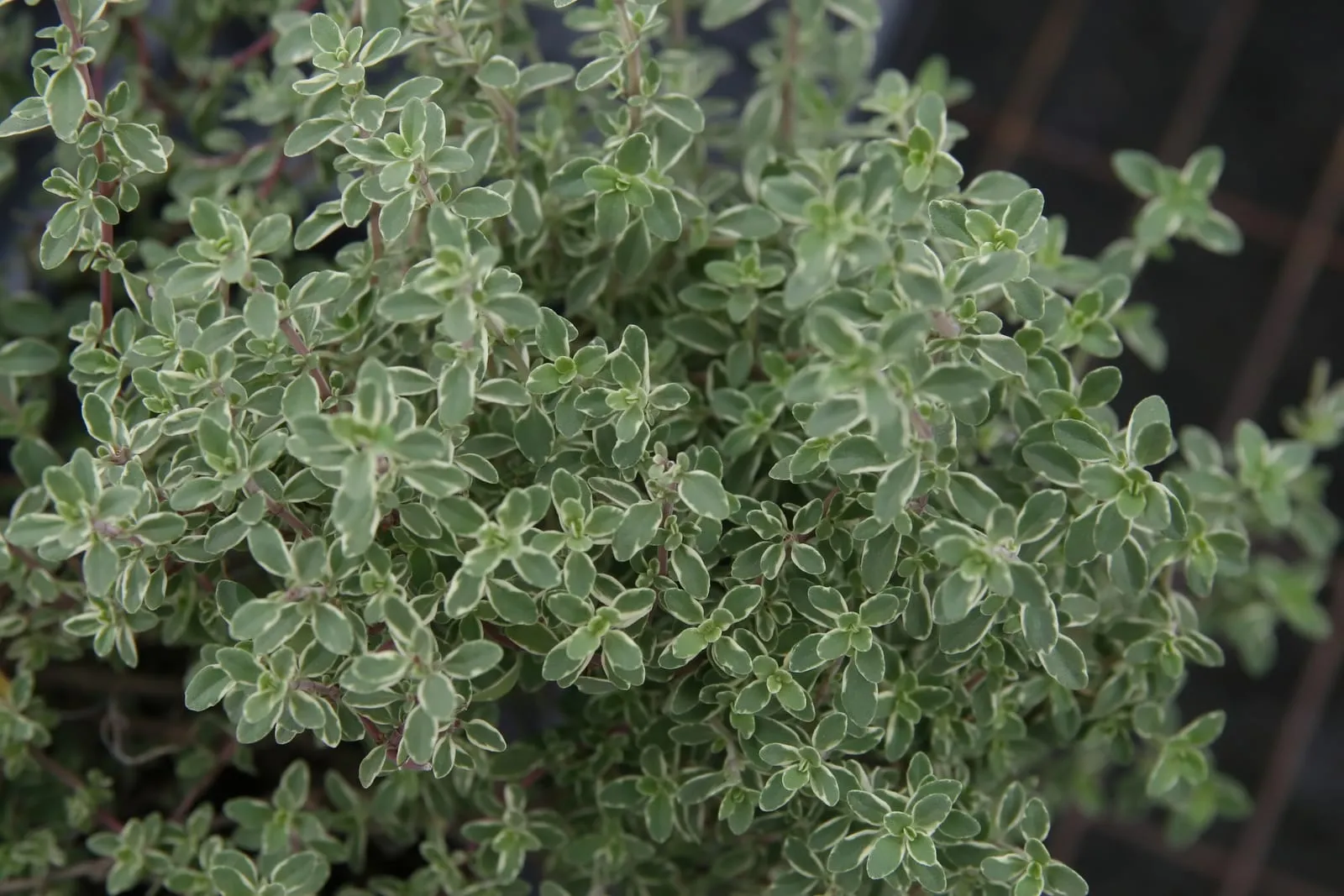
herb in zone 6b
Growing thyme in zone 6b
Thymus vulgaris
- Zone
- 6b -5°F to 0°F
- Growing season
- 190 days
- Suitable varieties
- 3
- Days to harvest
- 75 to 95
The verdict
Zone 6b, with winter minimums between -5 and 0°F, sits comfortably within thyme's established hardiness range. English/Common thyme and Creeping thyme are reliably rated to zone 4 or 5, making zone 6b a solid growing zone rather than a marginal one. Lemon thyme is somewhat less cold-tolerant, typically rated to zone 5, and can sustain crown damage in the coldest pockets of zone 6b where temperatures approach -5°F for extended periods.
Thyme is not a chilling-requirement crop in the way that deciduous fruit trees are, so chill-hour matching is not a meaningful framework here. What determines winter survival is drainage, not cold exposure alone. Thyme crowns rot more readily in cold, waterlogged soil than they freeze outright in cold, well-drained soil. On a raised bed or sloped site with sandy loam, zone 6b presents no meaningful survival challenge for established plants. The zone's 190-day growing season provides ample time for new transplants to establish strong root systems before the first hard freeze.
Recommended varieties for zone 6b
3 cultivars suited to this zone, with disease-resistance and zone-fit annotations.
| Variety | Notes | Zone fit | Disease resistance |
|---|---|---|---|
| English / Common fits zone 6b | Earthy, slightly minty, classic French-cooking thyme flavor; small dark green leaves on woody stems. Soups, stews, roasted meats, herbes de Provence. The cook's thyme. | | none noted |
| Lemon fits zone 6b | Bright lemon-citrus notes with thyme base; small green leaves with subtle yellow variegation. Fresh on fish, chicken, summer cocktails, fruit dishes. Productive, fragrant. | | none noted |
| Creeping (Mother of Thyme) fits zone 6b | Mild thyme flavor; ground-cover habit, pink summer flowers. Edible (smaller leaves) but mostly ornamental. Stepable groundcover, drought-tolerant. | | none noted |
Critical timing for zone 6b
In zone 6b, thyme breaks dormancy and resumes active growth in late March to mid-April, as soil temperatures climb above 50°F. The last frost typically falls in mid-April, so new foliage growth often coincides with residual frost risk. Established thyme tolerates light frost without damage, but recently transplanted starts benefit from row cover during late cold snaps.
Bloom typically occurs in May and June in zone 6b. Flavor concentration peaks just before and during flowering, making that window the prime harvest period for culinary drying. Regular cutting through summer delays subsequent bloom cycles and extends the productive season. The first fall frost, which arrives in late October to early November across most zone 6b locations, ends active shoot growth, though foliage often persists in a semi-evergreen state through mild winters.
Common challenges in zone 6b
- ▸ Cedar-apple rust
- ▸ Fire blight
- ▸ Stink bugs
Modified care for zone 6b
The primary zone 6b adjustment for thyme is site selection. Flat clay ground is a liability; raised beds, sloped positions, or amended planting areas with sharp drainage are preferable. Standing moisture against thyme crowns during freeze-thaw cycles in February and March is the most common cause of plant loss in this zone.
Lemon thyme, the least cold-hardy of the compatible varieties listed, is worth mulching lightly in late November with straw or pine needles. Pull mulch back from the crown itself to avoid trapping moisture. Skip plastic sheeting or piled leaves against the base.
The zone-level challenges noted for zone 6b, including cedar-apple rust, fire blight, and stink bugs, are primarily concerns for rosaceous crops and do not affect thyme. Thyme has no known susceptibility to those pathogens. The relevant pest concern in zone 6b is spider mites during hot, dry stretches in mid-summer, which tend to appear when plants are crowded and airflow is poor. Thinning older woody growth each spring reduces mite habitat and encourages fresh productive stems.
Frequently asked questions
- Does thyme come back every year in zone 6b?
English/Common thyme and Creeping thyme reliably overwinter in zone 6b when planted in well-drained soil. Lemon thyme is less dependable at the colder end of the zone (-5°F) and benefits from light mulching. Poor drainage is a greater threat to winter survival than cold temperature alone.
- When should thyme be planted outdoors in zone 6b?
Transplants can go out after the last frost date, typically mid-April in zone 6b. Starting indoors 6 to 8 weeks earlier allows plants to reach a workable size before transplanting. Direct sowing is possible but slow; transplants establish more reliably.
- Which thyme variety performs best in zone 6b?
English/Common thyme is the most reliable for zone 6b, with strong cold hardiness and consistent culinary yield. Creeping thyme works well as a ground cover or edging plant. Lemon thyme is worth growing but may need a protected microclimate or light mulching through hard winters.
+−
+−
+−
Thyme in adjacent zones
Image: "Thymus vulgaris Argenteus 1zz", by Photo by David J. Stang, via Wikimedia Commons, licensed under CC-BY Source.

Related