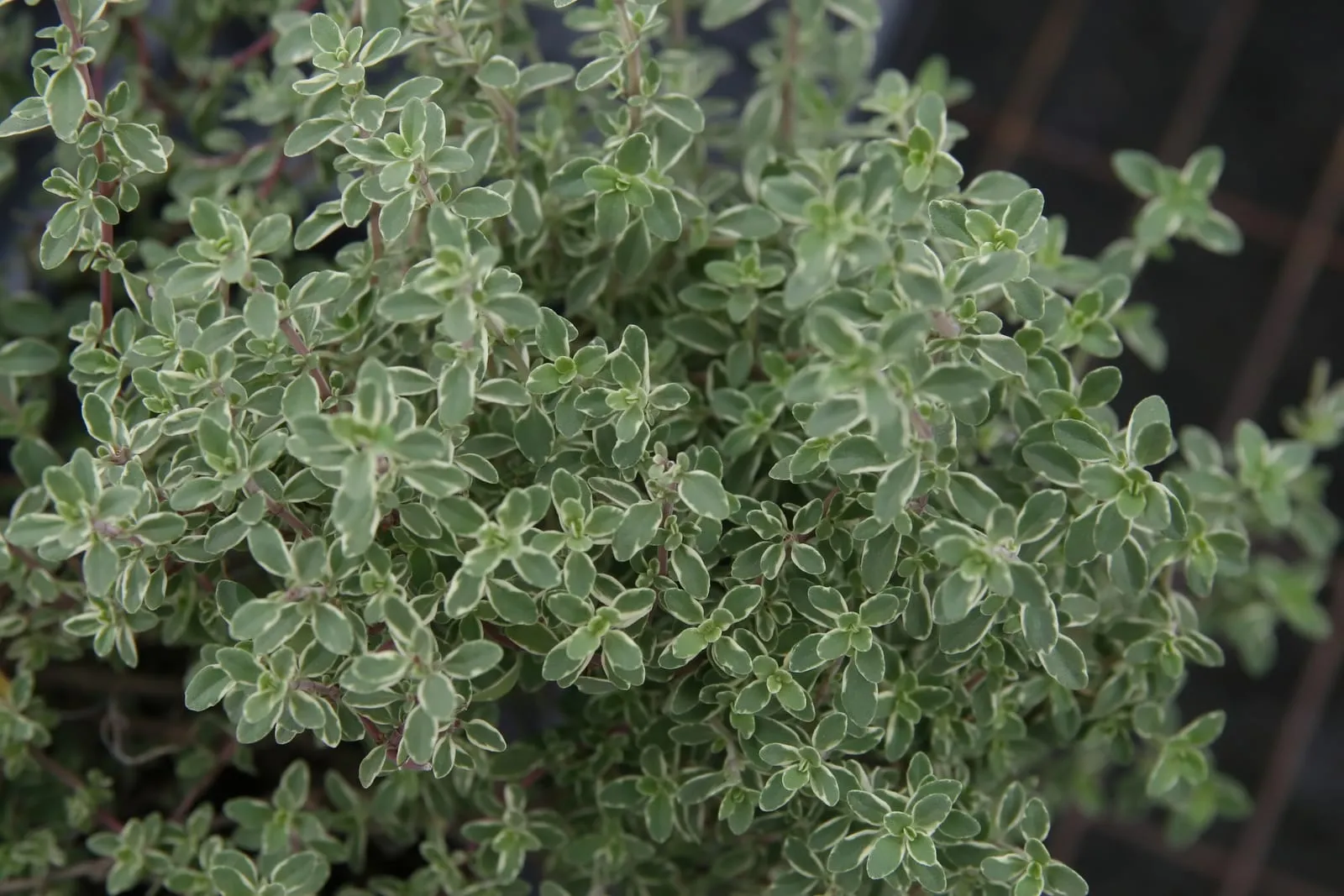
herb in zone 7a
Growing thyme in zone 7a
Thymus vulgaris
- Zone
- 7a 0°F to 5°F
- Growing season
- 210 days
- Suitable varieties
- 3
- Days to harvest
- 75 to 95
The verdict
Thyme is native to the Mediterranean basin and is hardy well below the temperature range zone 7a presents. With minimum winter temperatures between 0 and 5°F, zone 7a sits comfortably within the established cold limits of English and creeping thyme, both of which tolerate sustained cold below 0°F without significant dieback. The 210-day growing season is generous for an herb that can produce multiple harvests per year. This is not a marginal zone for thyme. The real challenge is summer rather than winter: zone 7a covers humid regions of the mid-Atlantic, Carolinas, and central South where high summer humidity creates conditions that Mediterranean herbs find stressful. Lemon thyme is somewhat less cold-tolerant than English types and may show tip dieback after the coldest nights at the lower end of the zone's temperature range, but it reliably returns from the crown. Overall, zone 7a is a capable zone for all three variety types listed, provided drainage is adequate.
Recommended varieties for zone 7a
3 cultivars suited to this zone, with disease-resistance and zone-fit annotations.
| Variety | Notes | Zone fit | Disease resistance |
|---|---|---|---|
| English / Common fits zone 7a | Earthy, slightly minty, classic French-cooking thyme flavor; small dark green leaves on woody stems. Soups, stews, roasted meats, herbes de Provence. The cook's thyme. | | none noted |
| Lemon fits zone 7a | Bright lemon-citrus notes with thyme base; small green leaves with subtle yellow variegation. Fresh on fish, chicken, summer cocktails, fruit dishes. Productive, fragrant. | | none noted |
| Creeping (Mother of Thyme) fits zone 7a | Mild thyme flavor; ground-cover habit, pink summer flowers. Edible (smaller leaves) but mostly ornamental. Stepable groundcover, drought-tolerant. | | none noted |
Critical timing for zone 7a
Thyme blooms in late spring to early summer in zone 7a, typically from mid-May through June. Bloom timing follows warming soil temperatures rather than day length, and the small flowers attract pollinators before peak summer heat arrives. The average last spring frost in zone 7a falls between late March and mid-April depending on elevation and local geography. Established thyme plants tolerate light frosts and begin active growth before the frost-free date, making early-April harvests possible on second-year plants. Transplants set out after frost are harvestable by June. The 210-day season supports harvests through October, with a final cut in late October or early November before hard frost settles in. Plants enter semi-dormancy after temperatures drop below 20°F but rarely die back completely in zone 7a winters.
Common challenges in zone 7a
- ▸ Cedar-apple rust
- ▸ Brown rot
- ▸ Fire blight
- ▸ High humidity disease pressure
Modified care for zone 7a
Drainage is the primary adjustment for zone 7a growers. Thyme planted in heavy clay or low-lying areas with poor air circulation faces elevated risk of crown rot and root rot through humid summer months, when high humidity and warm nighttime temperatures persist. Raised beds or planting areas amended with coarse grit or gravel help replicate the fast-draining lean soils thyme prefers in its native range. Avoid overhead irrigation; drip or base-level watering keeps foliage drier. Cutting plants back by one-third after the first flush of bloom in June removes dead woody material that retains moisture and improves airflow through the center of the plant. Winter protection is unnecessary for English and creeping thyme in zone 7a. Lemon thyme benefits from a light mulch layer applied over the root zone after the first hard freeze, though even without it the plant typically recovers from roots the following spring.
Frequently asked questions
- Is thyme reliably winter-hardy in zone 7a?
English and creeping thyme are reliably hardy in zone 7a, where winter lows run between 0 and 5°F. Both tolerate temperatures well below 0°F. Lemon thyme may show tip dieback after the coldest nights but returns from the crown in spring without significant intervention.
- How many harvests can thyme produce in zone 7a?
The 210-day growing season supports two to three significant harvests per year. The first comes in early to mid-April on established plants, followed by a second after the bloom flush in June, and a final cut in October before hard frost. Light harvests are possible on mild winter days when plants remain semi-active.
- Does summer humidity in zone 7a cause problems for thyme?
It can. High humidity is the primary stress factor for thyme in this zone. Crown rot and foliar disease are more likely in heavy soils with poor drainage or where plants are crowded. Good drainage, adequate plant spacing, and avoiding overhead watering address most of the risk.
- Which thyme variety performs best in zone 7a?
English (common) thyme is the most adaptable for zone 7a, tolerating both cold winters and humid summers better than the other types. Creeping thyme is equally cold-hardy and works well as a ground cover in well-drained sites. Lemon thyme is the most humidity-sensitive of the three and benefits from especially sharp drainage.
+−
+−
+−
+−
Thyme in adjacent zones
Image: "Thymus vulgaris Argenteus 1zz", by Photo by David J. Stang, via Wikimedia Commons, licensed under CC-BY Source.

Related