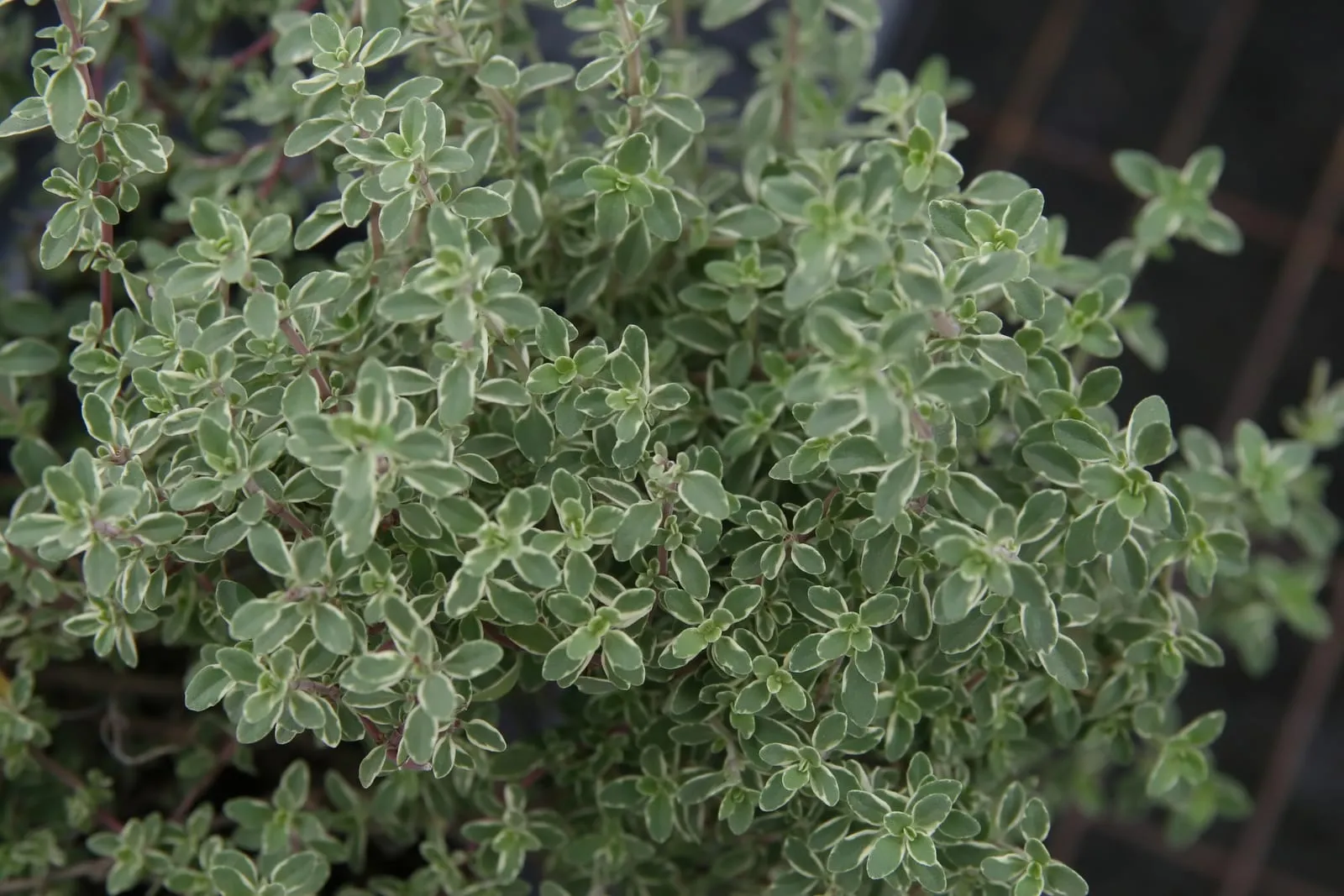
herb in zone 7b
Growing thyme in zone 7b
Thymus vulgaris
- Zone
- 7b 5°F to 10°F
- Growing season
- 220 days
- Suitable varieties
- 3
- Days to harvest
- 75 to 95
The verdict
Zone 7b is well within the core of thyme's preferred range, not a marginal case. All three commonly grown types (English/Common, Lemon, and Creeping) are reliably cold-hardy through the 5 to 10°F minimum temperatures that define zone 7b. Unlike fruit trees, thyme carries no chill-hour requirement, so that calculus does not apply here.
The 220-day growing season in zone 7b is more than ample. Thyme can remain semi-evergreen through most zone 7b winters, dying back only in unusually sharp cold snaps. The greater limiting factor in this zone is summer, not winter: thyme originates in the dry Mediterranean basin, and zone 7b's humid piedmont summers create persistent disease pressure that growers further north rarely contend with. Drainage quality and airflow matter more here than winter hardiness.
Recommended varieties for zone 7b
3 cultivars suited to this zone, with disease-resistance and zone-fit annotations.
| Variety | Notes | Zone fit | Disease resistance |
|---|---|---|---|
| English / Common fits zone 7b | Earthy, slightly minty, classic French-cooking thyme flavor; small dark green leaves on woody stems. Soups, stews, roasted meats, herbes de Provence. The cook's thyme. | | none noted |
| Lemon fits zone 7b | Bright lemon-citrus notes with thyme base; small green leaves with subtle yellow variegation. Fresh on fish, chicken, summer cocktails, fruit dishes. Productive, fragrant. | | none noted |
| Creeping (Mother of Thyme) fits zone 7b | Mild thyme flavor; ground-cover habit, pink summer flowers. Edible (smaller leaves) but mostly ornamental. Stepable groundcover, drought-tolerant. | | none noted |
Critical timing for zone 7b
Thyme blooms in late spring, typically from mid-May through mid-June in zone 7b, well after the last average frost date (late March to mid-April depending on exact location). The bloom window does not conflict with spring frost risk under normal conditions, though an unusually late frost event can clip early growth.
Harvest timing is flexible. Leaf harvest is most productive from early spring through the onset of flowering, when volatile oil concentration peaks. Cutting can continue into fall. The first hard frost (typically late October to mid-November in zone 7b) triggers dieback of tender new growth, but established plants often hold useful foliage into December in milder years.
Common challenges in zone 7b
- ▸ Cedar-apple rust pressure heavy in piedmont
- ▸ Japanese beetles
- ▸ Brown marmorated stink bug
- ▸ Late summer disease pressure
Modified care for zone 7b
The primary adjustment in zone 7b is managing the combination of summer heat and high humidity. Thyme requires sharp drainage; in clay-heavy piedmont soils, raised beds or amended mounds are often necessary to prevent root rot during wet summers. Late summer disease pressure, particularly fungal issues, increases significantly when plants are crowded or poorly ventilated. Pruning back by one-third after the main bloom flush improves airflow and delays decline.
Japanese beetle pressure peaks in July and can cause noticeable defoliation on tender stem tips. Hand removal or targeted intervention is typically sufficient for small plantings. Brown marmorated stink bugs feed on thyme but rarely cause severe damage. Cedar-apple rust does not affect thyme, so that zone 7b challenge is irrelevant here. No supplemental winter protection is needed for established plants in average zone 7b winters.
Frequently asked questions
- Will thyme survive winter outdoors in zone 7b?
Yes. All three common thyme types (English/Common, Lemon, and Creeping) are cold-hardy well below the 5 to 10°F minimum temperatures zone 7b typically sees. Established plants usually remain semi-evergreen through winter with little or no dieback except in unusually harsh cold snaps.
- Why does my thyme look ragged by late summer in zone 7b?
Zone 7b's summer humidity is harder on thyme than the cold winters are. Poor drainage, crowding, and inadequate airflow accelerate fungal decline. Cutting plants back by one-third after the spring bloom flush and ensuring sharp drainage reduces late-season deterioration considerably.
- Which thyme type performs best in zone 7b?
English/Common thyme is the most widely grown and tolerates zone 7b summers reliably when drainage is adequate. Creeping thyme handles heat well and works effectively as a low ground cover. Lemon thyme is slightly more sensitive to high humidity but performs well with good airflow.
- When is the best time to harvest thyme in zone 7b?
Peak harvest is from early spring through the onset of flowering in mid-May, when essential oil concentration is highest. Cutting can continue through fall. Avoid heavy harvesting within four to six weeks of the first expected frost to allow some hardening before winter.
+−
+−
+−
+−
Thyme in adjacent zones
Image: "Thymus vulgaris Argenteus 1zz", by Photo by David J. Stang, via Wikimedia Commons, licensed under CC-BY Source.

Related