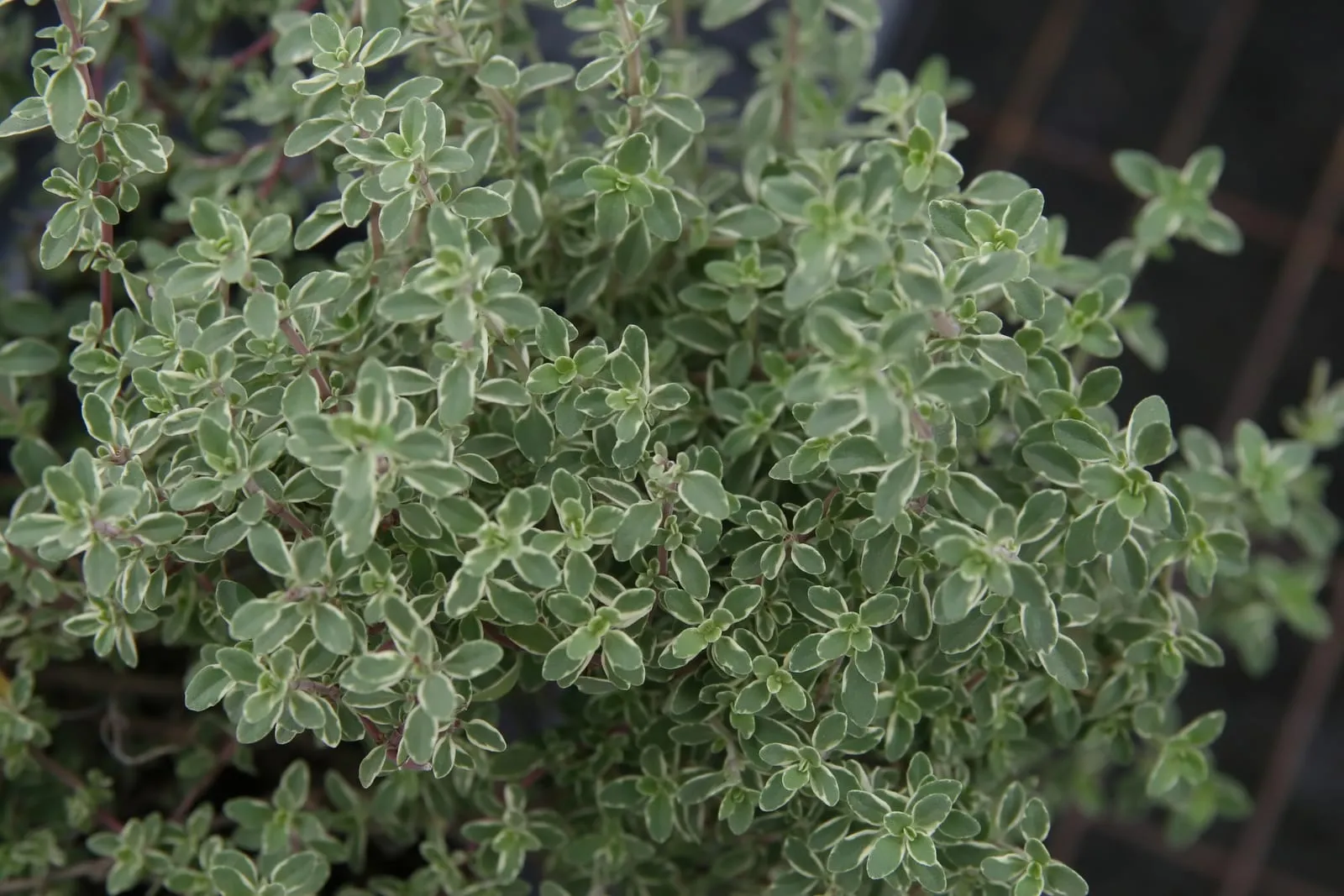
herb in zone 8a
Growing thyme in zone 8a
Thymus vulgaris
- Zone
- 8a 10°F to 15°F
- Growing season
- 240 days
- Suitable varieties
- 3
- Days to harvest
- 75 to 95
The verdict
Zone 8a is a reliable, productive zone for thyme. Unlike fruit crops with strict chill-hour requirements, thyme is a Mediterranean perennial that needs no vernalization to perform well. The zone's minimum winter temperatures of 10 to 15°F sit well above the crop's cold hardiness threshold, meaning established plants overwinter without significant die-back in most years. The 240-day growing season is more than adequate for multiple harvests and full recovery after hard pruning.
All three compatible varieties, English/Common, Lemon, and Creeping, are well suited to zone 8a conditions. English thyme is the most cold-tolerant of the group and handles the occasional temperature dip without complaint. Lemon thyme appreciates the long, warm season for aromatic oil development. Creeping thyme performs well as a ground cover in the zone's warmer microclimates. The primary risk in zone 8a is not cold but summer heat and humidity, which can stress root systems if drainage is poor.
Recommended varieties for zone 8a
3 cultivars suited to this zone, with disease-resistance and zone-fit annotations.
| Variety | Notes | Zone fit | Disease resistance |
|---|---|---|---|
| English / Common fits zone 8a | Earthy, slightly minty, classic French-cooking thyme flavor; small dark green leaves on woody stems. Soups, stews, roasted meats, herbes de Provence. The cook's thyme. | | none noted |
| Lemon fits zone 8a | Bright lemon-citrus notes with thyme base; small green leaves with subtle yellow variegation. Fresh on fish, chicken, summer cocktails, fruit dishes. Productive, fragrant. | | none noted |
| Creeping (Mother of Thyme) fits zone 8a | Mild thyme flavor; ground-cover habit, pink summer flowers. Edible (smaller leaves) but mostly ornamental. Stepable groundcover, drought-tolerant. | | none noted |
Critical timing for zone 8a
In zone 8a, thyme typically breaks dormancy and resumes active growth in late February to early March, well ahead of the average last frost in mid-March. Bloom usually occurs between late April and early June, depending on variety and site exposure. English thyme tends to flower earliest; Lemon thyme follows by a week or two.
Harvest for culinary use is most productive in the weeks just before and during bloom, when volatile oil concentration peaks. Because zone 8a winters are mild, foliage often remains usable through December and into January. A second flush of tender growth typically appears in September after summer heat eases, extending the productive harvest window well into autumn.
Common challenges in zone 8a
- ▸ Insufficient chill hours for some apple varieties
- ▸ Pierce's disease in grapes
- ▸ Heat stress on cool-season crops
Modified care for zone 8a
The main adjustment in zone 8a is managing summer heat and humidity rather than cold. Thyme is native to well-drained rocky soils in dry climates; in zone 8a's warmer, more humid conditions, poor drainage is the leading cause of plant loss. Raised beds or sharply amended soil with coarse grit or perlite significantly reduce root rot risk.
Established plants rarely need winter protection in zone 8a, but a light mulch applied after the first frost can stabilize soil temperature around the root zone during brief cold snaps. After bloom each year, cutting stems back by one-third prevents premature woodiness and encourages dense, flavorful regrowth. In sites that receive intense afternoon sun through July and August, partial shade between noon and 3 pm can reduce leaf scorch on Lemon thyme, which is slightly less heat-tolerant than English thyme.
Frequently asked questions
- Does thyme die back in zone 8a winters?
Established thyme plants rarely die back in zone 8a. The zone's minimum temperatures of 10 to 15°F are well above thyme's cold hardiness limit. Foliage may look ragged after a hard freeze but typically recovers as temperatures rise in late February.
- Can thyme be grown year-round in zone 8a?
Yes. Thyme is effectively evergreen in zone 8a. Leaf production slows in the coldest weeks of January but does not stop entirely. The plant resumes vigorous growth in late February and produces harvestable foliage through most of the year.
- Which thyme variety performs best in zone 8a heat?
English/Common thyme is the most heat-tolerant of the common varieties and the most reliably productive in zone 8a summers. Creeping thyme also handles heat well when drainage is good. Lemon thyme benefits from afternoon shade during peak summer heat.
- How often should thyme be pruned in zone 8a?
Two pruning cycles work well in zone 8a: a moderate trim after spring bloom in late May or June, and a lighter shaping in early September as temperatures ease. Avoid heavy cuts after early October to allow the plant to harden before winter.
+−
+−
+−
+−
Thyme in adjacent zones
Image: "Thymus vulgaris Argenteus 1zz", by Photo by David J. Stang, via Wikimedia Commons, licensed under CC-BY Source.

Related