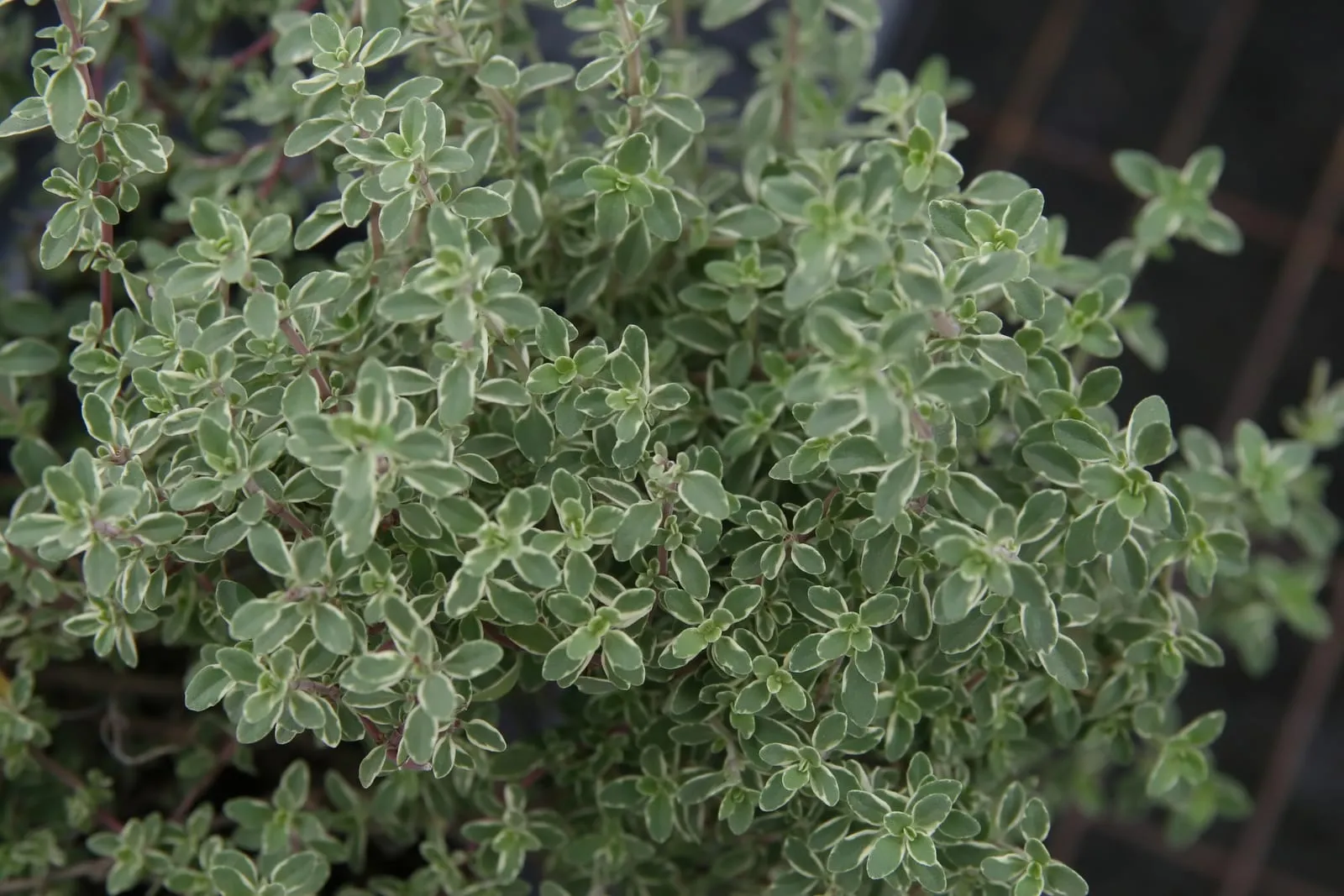
herb in zone 5b
Growing thyme in zone 5b
Thymus vulgaris
- Zone
- 5b -15°F to -10°F
- Growing season
- 165 days
- Suitable varieties
- 3
- Days to harvest
- 75 to 95
The verdict
Zone 5b is a comfortable growing zone for thyme, not a marginal one. English/Common thyme is reliably hardy to zone 4, so it handles the -15 to -10°F winter lows of zone 5b without strain. Lemon thyme sits closer to the edge of its hardiness range here, surviving most winters but occasionally suffering crown dieback in exposed sites during severe cold snaps. Creeping thyme (Mother of Thyme) is similarly robust and often the best choice for ground-level plantings where snow cover provides additional insulation.
Unlike fruit crops, thyme has no chill-hour requirement. The 165-day growing season is more than sufficient for multiple harvests of fresh foliage and for plants to build adequate root mass before the first frost. The zone's cold winters can actually benefit thyme by suppressing some soilborne fungal activity that causes root rot in warmer, wetter climates. The primary risk in zone 5b is not cold per se but freeze-thaw cycles combined with poor drainage, which is addressable through site selection.
Recommended varieties for zone 5b
3 cultivars suited to this zone, with disease-resistance and zone-fit annotations.
| Variety | Notes | Zone fit | Disease resistance |
|---|---|---|---|
| English / Common fits zone 5b | Earthy, slightly minty, classic French-cooking thyme flavor; small dark green leaves on woody stems. Soups, stews, roasted meats, herbes de Provence. The cook's thyme. | | none noted |
| Lemon fits zone 5b | Bright lemon-citrus notes with thyme base; small green leaves with subtle yellow variegation. Fresh on fish, chicken, summer cocktails, fruit dishes. Productive, fragrant. | | none noted |
| Creeping (Mother of Thyme) fits zone 5b | Mild thyme flavor; ground-cover habit, pink summer flowers. Edible (smaller leaves) but mostly ornamental. Stepable groundcover, drought-tolerant. | | none noted |
Critical timing for zone 5b
In zone 5b, thyme breaks dormancy in late March to mid-April as soil temperatures climb above 40°F. New foliage is ready for light harvest once growth is several inches underway, typically by late April or early May. Bloom occurs from late May through June depending on variety and local conditions. Harvest foliage for drying just before or at early bloom, when volatile oil concentration peaks.
The last spring frost in zone 5b typically falls between mid-April and early May. Thyme's established crowns tolerate these late frosts without damage. In fall, foliage remains usable until the first hard freeze, usually mid-October, giving growers a harvest window that spans the full growing season. Cutting back hard in late August encourages a flush of fresh growth before frost.
Common challenges in zone 5b
- ▸ Plum curculio
- ▸ Codling moth
- ▸ Cedar-apple rust
Modified care for zone 5b
The most important zone 5b adjustment is drainage. Thyme is native to thin, rocky Mediterranean soils and tolerates drought but not wet roots in frozen ground. In heavy clay or low-lying beds, raised plantings or amended soil with coarse grit significantly improve winter survival rates.
After the ground freezes in late November or December, a light mulch of straw or shredded leaves over the crowns reduces frost-heave risk without trapping moisture. Remove mulch promptly in early spring to prevent crown rot as temperatures rise.
Lemon thyme benefits from a south-facing or sheltered microclimate in zone 5b. Where winters are consistently severe, treating lemon thyme as a semi-annual and overwintering a few cuttings indoors is a practical hedge. English/Common thyme requires no such precaution and can be treated as a permanent perennial in well-sited beds.
Frequently asked questions
- Does thyme survive zone 5b winters reliably?
English/Common thyme is reliably perennial in zone 5b, hardy to zone 4. Lemon thyme is less certain and may suffer dieback in exposed sites during severe winters. Good drainage and avoiding low spots where cold air pools improves survival across all varieties.
- When should thyme be harvested in zone 5b?
Fresh foliage can be harvested from late April through mid-October. For drying and maximum oil content, harvest just before or at the start of bloom in late May to June. Avoid cutting more than one-third of the plant at once.
- Which thyme variety performs best in zone 5b?
English/Common thyme is the most cold-tolerant and the safest choice for zone 5b. Creeping thyme also performs well, especially in well-drained sites. Lemon thyme grows in zone 5b but may need a sheltered location or winter mulching to survive reliably.
- Does thyme need mulching in zone 5b?
A light mulch applied after the ground freezes helps prevent frost heave but should be removed in early spring. The greater winter risk for thyme is wet, frozen soil rather than cold air temperatures, so drainage matters more than insulation.
+−
+−
+−
+−
Thyme in adjacent zones
Image: "Thymus vulgaris Argenteus 1zz", by Photo by David J. Stang, via Wikimedia Commons, licensed under CC-BY Source.

Related