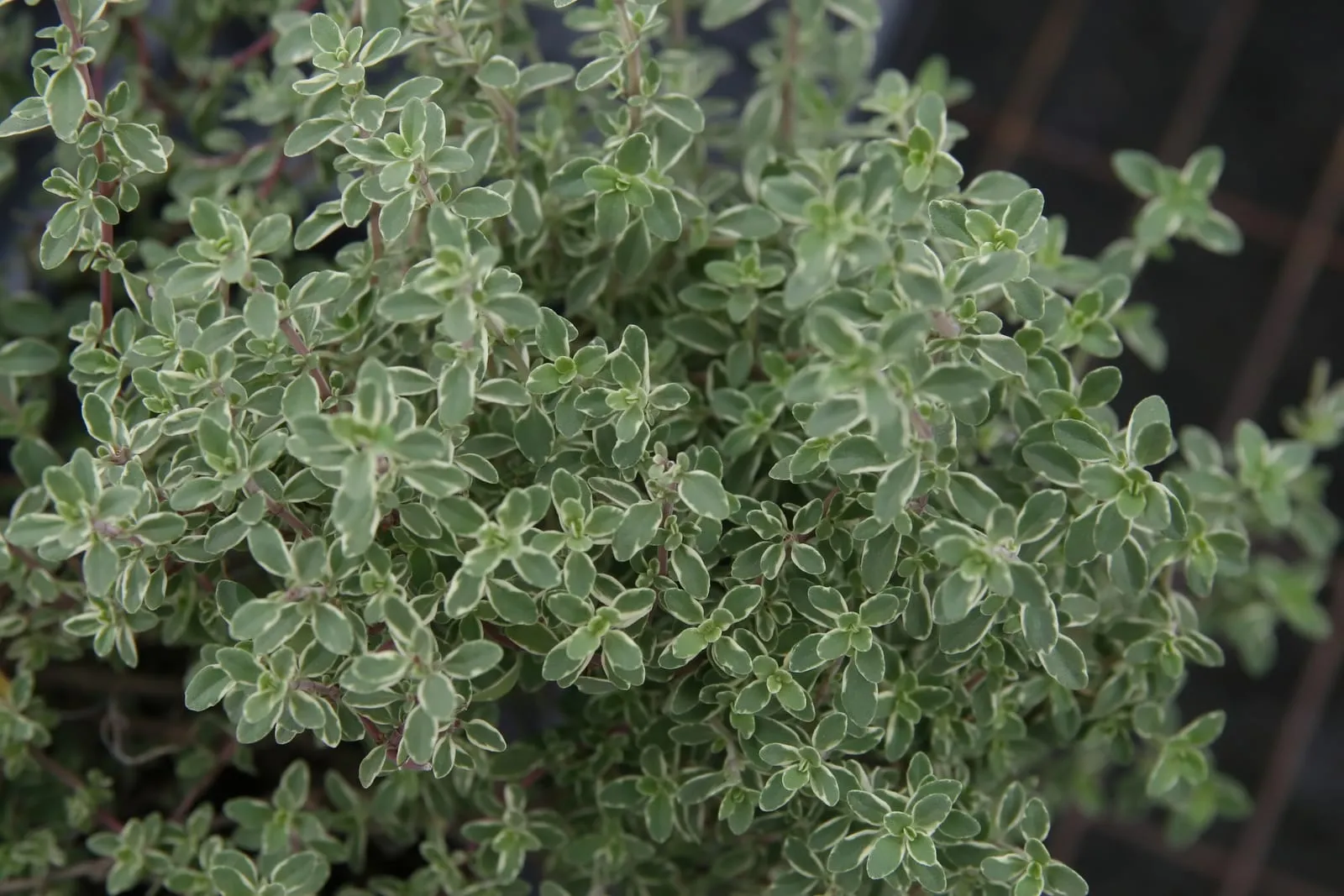
herb in zone 5a
Growing thyme in zone 5a
Thymus vulgaris
- Zone
- 5a -20°F to -15°F
- Growing season
- 150 days
- Suitable varieties
- 3
- Days to harvest
- 75 to 95
The verdict
Zone 5a sits at the cold edge of thyme's reliable perennial range. English/Common thyme is typically rated hardy to zone 4 or 5, meaning it can overwinter in zone 5a under normal conditions, but the lower end of the zone's temperature range (-20°F) will test even well-established plants. Creeping thyme (Mother of Thyme) is the most cold-tolerant of the three compatible varieties listed here, often surviving zone 4 winters without issue, making it the lowest-risk choice for permanent plantings. Lemon thyme, by contrast, is generally rated to zone 6, placing it in marginal territory for zone 5a; it may survive mild winters but should be treated as semi-hardy rather than reliably perennial.
The 150-day growing season is more than adequate for thyme's growth cycle, so season length is not the limiting factor here. The binding constraint is winter cold and, critically, freeze-thaw cycling in late winter and early spring, which can heave shallow-rooted plants out of the ground more reliably than sustained cold alone.
Recommended varieties for zone 5a
3 cultivars suited to this zone, with disease-resistance and zone-fit annotations.
| Variety | Notes | Zone fit | Disease resistance |
|---|---|---|---|
| English / Common fits zone 5a | Earthy, slightly minty, classic French-cooking thyme flavor; small dark green leaves on woody stems. Soups, stews, roasted meats, herbes de Provence. The cook's thyme. | | none noted |
| Lemon fits zone 5a | Bright lemon-citrus notes with thyme base; small green leaves with subtle yellow variegation. Fresh on fish, chicken, summer cocktails, fruit dishes. Productive, fragrant. | | none noted |
| Creeping (Mother of Thyme) fits zone 5a | Mild thyme flavor; ground-cover habit, pink summer flowers. Edible (smaller leaves) but mostly ornamental. Stepable groundcover, drought-tolerant. | | none noted |
Critical timing for zone 5a
In zone 5a, the last spring frost typically falls between late April and mid-May depending on exact location and microclimate. Thyme transplants go out after that date; starting from seed indoors 6 to 8 weeks before the anticipated last frost gives plants a head start. Established perennial thyme breaks dormancy and resumes active growth in April as soil temperatures climb above 50°F.
Bloom typically occurs in June through early July in zone 5a. Leaf harvest is most productive before and during bloom, when volatile oil concentration peaks. A second flush of growth after cutting or bloom often extends harvest into August. First fall frost in zone 5a typically arrives in October, at which point outdoor growth effectively stops for the season.
Common challenges in zone 5a
- ▸ Fire blight in pears
- ▸ Cedar-apple rust
- ▸ Late spring frosts
Modified care for zone 5a
The main adaptation in zone 5a is managing winter survival. Soil drainage is more important here than in warmer zones: thyme crowns sitting in wet, repeatedly freezing soil are far more likely to rot than those in fast-draining raised beds or sandy loam. After the ground freezes in late fall, a light layer of straw or evergreen boughs over the crown reduces freeze-thaw heaving without trapping moisture.
For lemon thyme specifically, container overwintering in an unheated but frost-protected garage or cold frame is a practical alternative to gambling on outdoor survival. Creeping thyme needs little intervention beyond good drainage. In spring, wait until new growth is clearly visible before cutting back winter-damaged stems; cutting too early on cold-marginal plants removes tissue that may still push new growth from the base.
Thyme in adjacent zones
Image: "Thymus vulgaris Argenteus 1zz", by Photo by David J. Stang, via Wikimedia Commons, licensed under CC-BY Source.

Related