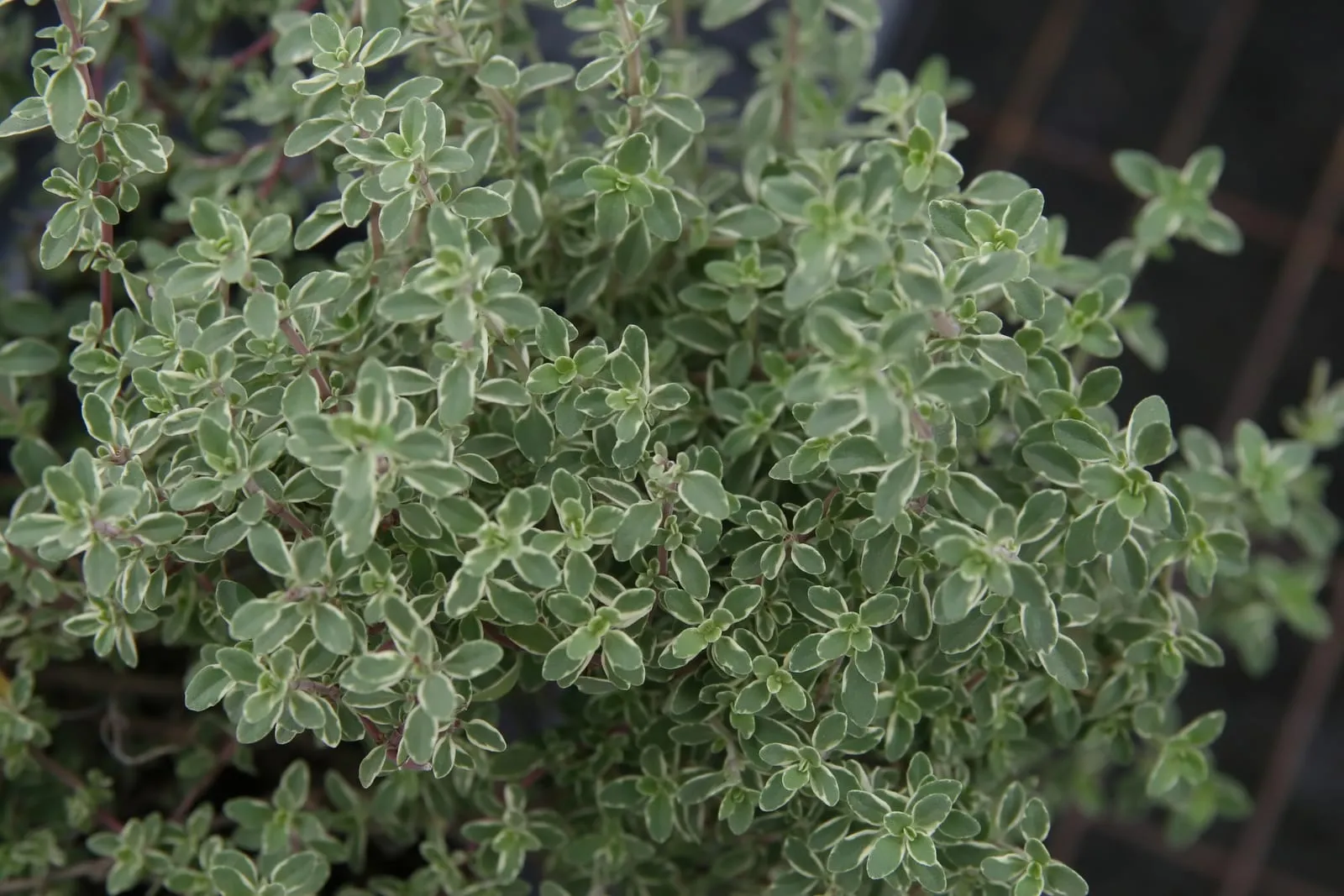
herb in zone 4b
Growing thyme in zone 4b
Thymus vulgaris
- Zone
- 4b -25°F to -20°F
- Growing season
- 130 days
- Suitable varieties
- 2
- Days to harvest
- 75 to 95
The verdict
Thyme is not a chill-hour crop, so there is no chill accumulation target to match against zone 4b's winters. The relevant question is cold hardiness: how much of a -25 to -20°F winter can thyme survive? English (Common) thyme is generally rated hardy to zone 4 or 5, placing zone 4b at the colder margin of its range. Survival in a given year depends heavily on snow cover, soil drainage, and microclimate. Creeping thyme (Mother of Thyme) is the safer choice here, with reliable hardiness to zone 3 in most references, making zone 4b well within its comfort range.
Zone 4b's 130-day growing season is sufficient for thyme to establish, produce usable harvests, and go dormant before hard freezes return. The crop is not marginal here in terms of productivity; it is marginal in terms of overwinter survival for Common thyme specifically. Growers who want English thyme should plan to overwinter one or two rooted cuttings indoors as insurance.
Recommended varieties for zone 4b
2 cultivars suited to this zone, with disease-resistance and zone-fit annotations.
| Variety | Notes | Zone fit | Disease resistance |
|---|---|---|---|
| English / Common fits zone 4b | Earthy, slightly minty, classic French-cooking thyme flavor; small dark green leaves on woody stems. Soups, stews, roasted meats, herbes de Provence. The cook's thyme. | | none noted |
| Creeping (Mother of Thyme) fits zone 4b | Mild thyme flavor; ground-cover habit, pink summer flowers. Edible (smaller leaves) but mostly ornamental. Stepable groundcover, drought-tolerant. | | none noted |
Critical timing for zone 4b
In zone 4b, thyme emerges from dormancy in mid to late April as soil temperatures climb above 45°F. Bloom typically occurs in late May through June, after the region's last frost window has closed. The bloom period is short, two to three weeks, and coincides with peak essential oil concentration in the foliage, making it the best time for a harvest if dried herb is the goal.
For fresh use, leaves are harvestable throughout the growing season once stems have leafed out. A second flush of growth often follows a midsummer cutback. The first hard frost in September or October signals the end of active growth; at that point, cutting back lightly and leaving some foliage intact helps protect the crown through winter.
Common challenges in zone 4b
- ▸ Spring frost timing
- ▸ Apple scab pressure
- ▸ Cane berry winter dieback
Modified care for zone 4b
The primary adjustment in zone 4b is protecting thyme from the freeze-thaw cycling that damages crowns more than sustained cold does. Mulch lightly with coarse material (pine bark, straw) after the ground freezes in late autumn, not before, to avoid trapping moisture around the crown. Sharp drainage is critical; thyme planted in heavy clay or low spots that collect snowmelt is far more likely to winterkill than thyme in well-drained sandy or amended beds.
Avoid late-season nitrogen applications, which push tender growth that has no time to harden before frost. Divide and replant established clumps every three to four years, as older woody crowns lose cold hardiness. For Common thyme, siting plants near a south-facing wall or other wind-sheltered microclimate can effectively bump the location a half-zone warmer and meaningfully improve overwinter success rates.
Frequently asked questions
- Can English thyme survive a zone 4b winter?
English (Common) thyme is rated hardy to zone 4 or 5 depending on the source, so zone 4b is at its cold limit. Survival improves significantly with sharp soil drainage, a sheltered microclimate, and consistent snow cover. Rooting a few cuttings to overwinter indoors provides a reliable backup if plants are lost.
- Which thyme variety is most reliable in zone 4b?
Creeping thyme (Mother of Thyme, Thymus serpyllum) is the more cold-hardy option, with references citing reliable survival to zone 3. It produces smaller leaves and a lower, spreading habit compared to English thyme, but it overwinters in zone 4b with far less attrition.
- When should thyme be harvested in zone 4b?
Harvest for fresh use throughout the growing season once the plant has leafed out in May. For the highest essential oil concentration, harvest just as flower buds form in late May or June. A midsummer trim encourages a second flush of growth before the season ends.
+−
+−
+−
Thyme in adjacent zones
Image: "Thymus vulgaris Argenteus 1zz", by Photo by David J. Stang, via Wikimedia Commons, licensed under CC-BY Source.

Related