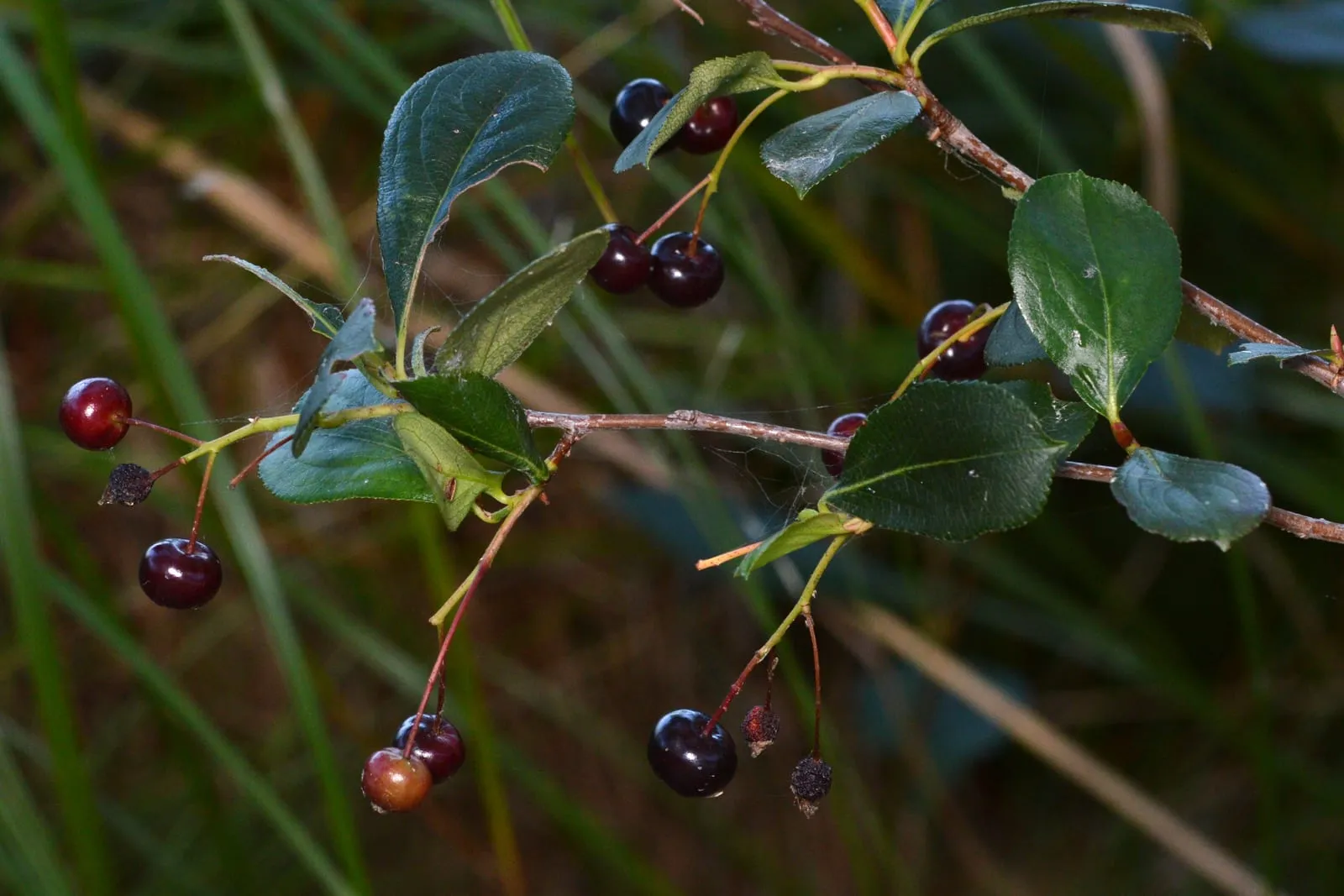
berry
Aronia (Black Chokeberry)
Aronia melanocarpa
USDA hardiness range
- Zones
- 3a–8a
- Days to harvest
- 90 to 120
- Sun
- Full
- Water
- Moderate
- Lifespan
- 30 years
Growing aronia (black chokeberry)
Aronia melanocarpa thrives across one of the widest hardiness ranges of any cultivated shrub fruit, from zone 3a through zone 8a. That cold tolerance, combined with a capacity for wet soils and intermittent drought once established, makes it viable in climates where blueberries and currants struggle.
Fresh berries are intensely astringent. Few people eat them off the bush with any enthusiasm. The practical use case is processing: juice, jam, wine, and dried powder. Flavor deepens considerably after a hard fall frost or through cooking, and demand for high-antioxidant aronia products has grown steadily in commercial markets. Growers expecting a fresh-eating experience similar to blueberry are routinely disappointed.
What separates productive plantings from failed ones is usually bird management and site drainage. Berries ripen in late summer to early fall (90 to 120 days from bloom), and the blue-black color at maturity draws robins, starlings, and cedar waxwings in quantity. Unprotected plantings can lose 30 to 60 percent of the crop in the two weeks before peak ripeness. On the drainage side, aronia tolerates wet soils better than most fruiting shrubs, but standing water promotes Botrytis and weakens root systems over time. Well-drained sites with good air movement produce the healthiest long-term plantings.
Shrubs begin producing in year two or three, peak in years five through eight, and remain productive for approximately 30 years with minimal spray requirements.
Recommended varieties
See all 3 →3 cultivars for home growers, with notes on flavor, ripening, and disease resistance.
| Variety | Notes | Zone fit | Disease resistance |
|---|---|---|---|
| Viking | Astringent fresh, deep complex flavor when processed; juice, jam, wine, dried powder. The European-developed standard, very high antioxidant content. Heavy producer, brilliant red fall color. | | none noted |
| Nero | Astringent fresh, rich processed flavor; juice, jam, wine. Czech selection bred for high yields and large berries, productive after sweetening fall frost. | | none noted |
| Autumn Magic | Tart-astringent, intense color and flavor; juice, jam. Selected for ornamental value with brilliant red-purple fall foliage. Compact 3-5 ft habit. | | none noted |
Soil and site requirements
Aronia performs across a soil pH range of roughly 5.0 to 7.0, with 5.5 to 6.5 generally optimal. Unlike blueberries, it does not require strongly acidic conditions, which broadens the range of sites where it can succeed without extensive amendment. Clay, loam, and sandy loam soils all support productive shrubs. The main drainage consideration: wet feet during the growing season increases Botrytis pressure and gradually weakens root systems. Low spots, compacted subsoils, and areas with seasonal flooding should be avoided or corrected before planting.
Full sun produces the best yields and most intense berry color. Plantings receiving fewer than six hours of direct sun per day will set fruit but at noticeably lower yields. Good air circulation around the canopy reduces ambient humidity and limits gray mold severity at harvest.
Standard production spacing is 4 to 5 feet within rows and 10 to 12 feet between rows. Home garden shrubs given more room, 6 to 8 feet between plants, develop fuller canopies and better fall color. Autumn Magic, the most compact of the common varieties at 3 to 5 feet, fits smaller sites where Viking and Nero would become unmanageable.
In zones 7a and 8a, afternoon shade during peak summer heat can reduce drought stress without meaningfully cutting yields. Supplemental irrigation during dry spells at the warm end of the range is more important than in cooler zones where summer moisture is more reliable.
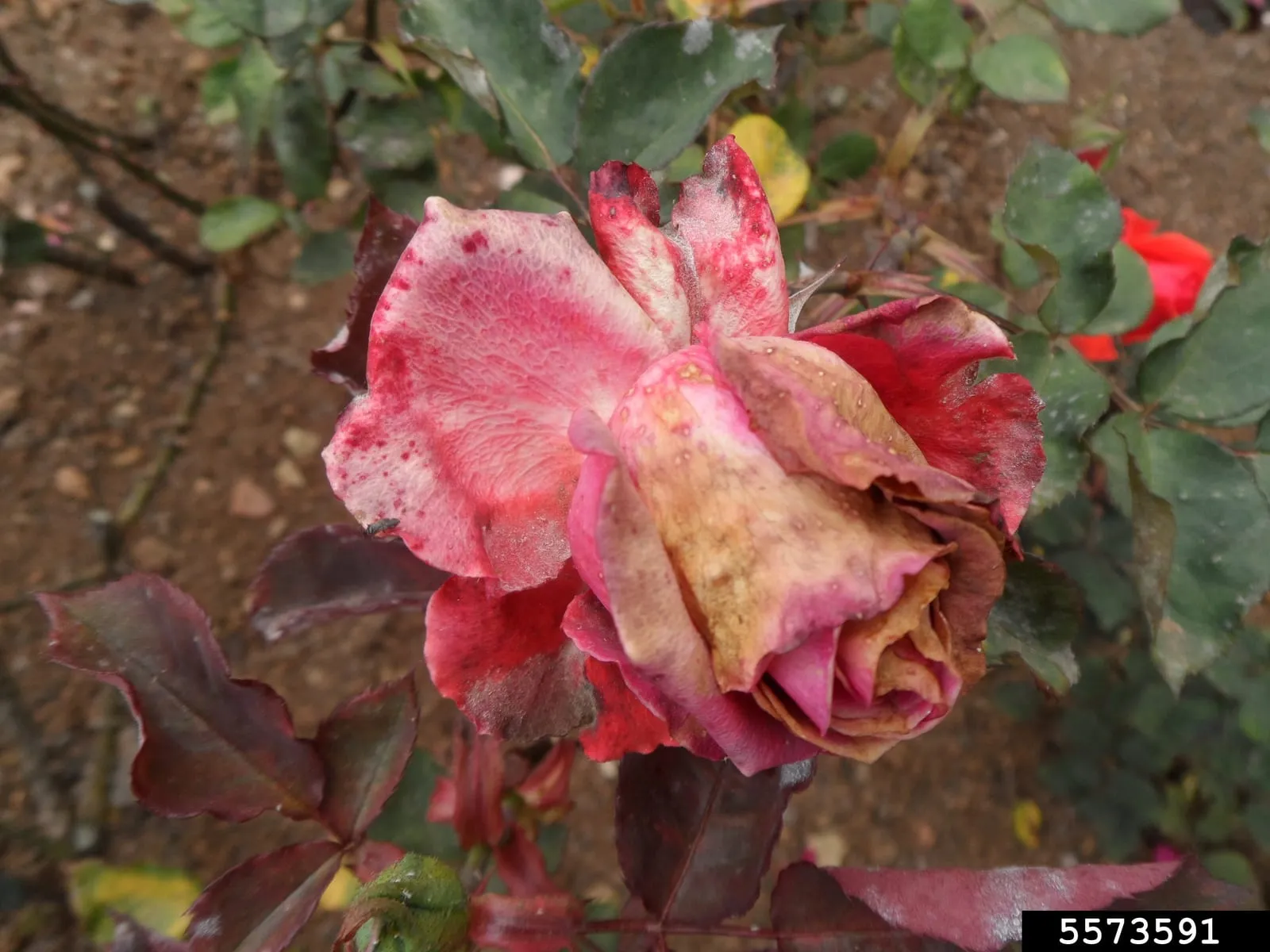
Common diseases
Common pests
Common challenges
Bird pressure is the most consistent cause of harvest loss. The blue-black color at maturity draws robins, starlings, and cedar waxwings in numbers proportional to planting size. Unprotected plantings commonly lose 30 to 60 percent of ripe fruit in the final two weeks before harvest. Netting or row cover installed when berries begin to color is the reliable solution. Scare tape, reflective strips, and propane cannons offer short-term deterrence at best.
Gray mold (Botrytis) is the primary disease risk. Infection typically starts at damaged or overripe berries and spreads through clusters during wet weather at harvest time. The most effective management is cultural: harvest promptly at peak ripeness, remove and dispose of mummified or damaged fruit, and maintain open canopy spacing to improve air circulation. Fungicide applications are rarely necessary in well-sited, well-maintained plantings. Growers in humid climates or low-lying sites with poor air movement should budget more attention to canopy management.
Warm-end zone mismatch is an underappreciated problem. Aronia is rated to zone 8a, but in zones 7b and 8a, summer heat can cause premature berry drop and muted flavor development. The crop performs most reliably between zones 3b and 6b. Growers at the warmer end of the range should plan for supplemental irrigation and expect more variable results than counterparts in cooler zones.
Companion plants
Frequently asked questions
- Is aronia self-fertile, or does it need a second variety for pollination?
Aronia melanocarpa is largely self-fertile; a single shrub will set fruit without a second variety present. Cross-pollination from a second variety can modestly improve yields and berry uniformity, but solitary plantings are commercially viable and most home garden plantings with a single variety perform adequately.
- What chill-hour requirement does aronia have?
Published chill-hour thresholds for aronia vary by cultivar and source. As a practical indicator, the species performs reliably across zones 3a through 8a, suggesting its dormancy requirements are satisfied in most North American winter climates outside the warmest coastal zones. The University of Wisconsin Extension and Iowa State Aronia Production guide provide regionally grounded guidance.
- How long does it take aronia to produce fruit from planting?
Most shrubs begin bearing in year two or three, with meaningful yields by year four and peak production in years five through eight. With a lifespan of approximately 30 years and low annual maintenance requirements, aronia delivers a long productive window once established.
- When do aronia berries ripen, and what is the harvest window?
Berries typically mature 90 to 120 days after bloom, placing harvest in late August through October depending on zone and local conditions. Viking and Nero tend toward the mid-to-late end of that window; Autumn Magic ripens slightly earlier in most zones.
- What USDA hardiness zones does aronia grow in?
Aronia melanocarpa is adapted to zones 3a through 8a. It performs most reliably between zones 3b and 6b, where summer heat is moderate and chill accumulation is adequate. In zones 7a and 8a, summer drought stress and heat-related berry drop become more common, and results are more variable.
- What is the most common disease problem with aronia?
Gray mold (Botrytis) is the primary disease concern. It typically develops on damaged or overripe berries during wet weather at harvest time and can spread through clusters quickly. Good air circulation, timely harvest, and removal of damaged fruit prevent most infections without the need for fungicide applications.
- Can aronia berries be eaten fresh off the bush?
Fresh aronia berries are intensely astringent, which limits direct consumption. Most growers process them into juice, jam, wine, or dried powder, where astringency mellows and flavor complexity increases. Flavor improves noticeably after exposure to a hard fall frost, even before processing.
+−
+−
+−
+−
+−
+−
+−
Sources
Image: "Black Chokeberry (Aronia melanocarpa) - Killarney, Ontario", by Ryan Hodnett, via Wikimedia Commons, licensed under CC-BY. Source.
_-_Killarney,_Ontario.jpg)
Aronia (Black Chokeberry) by zone
Related