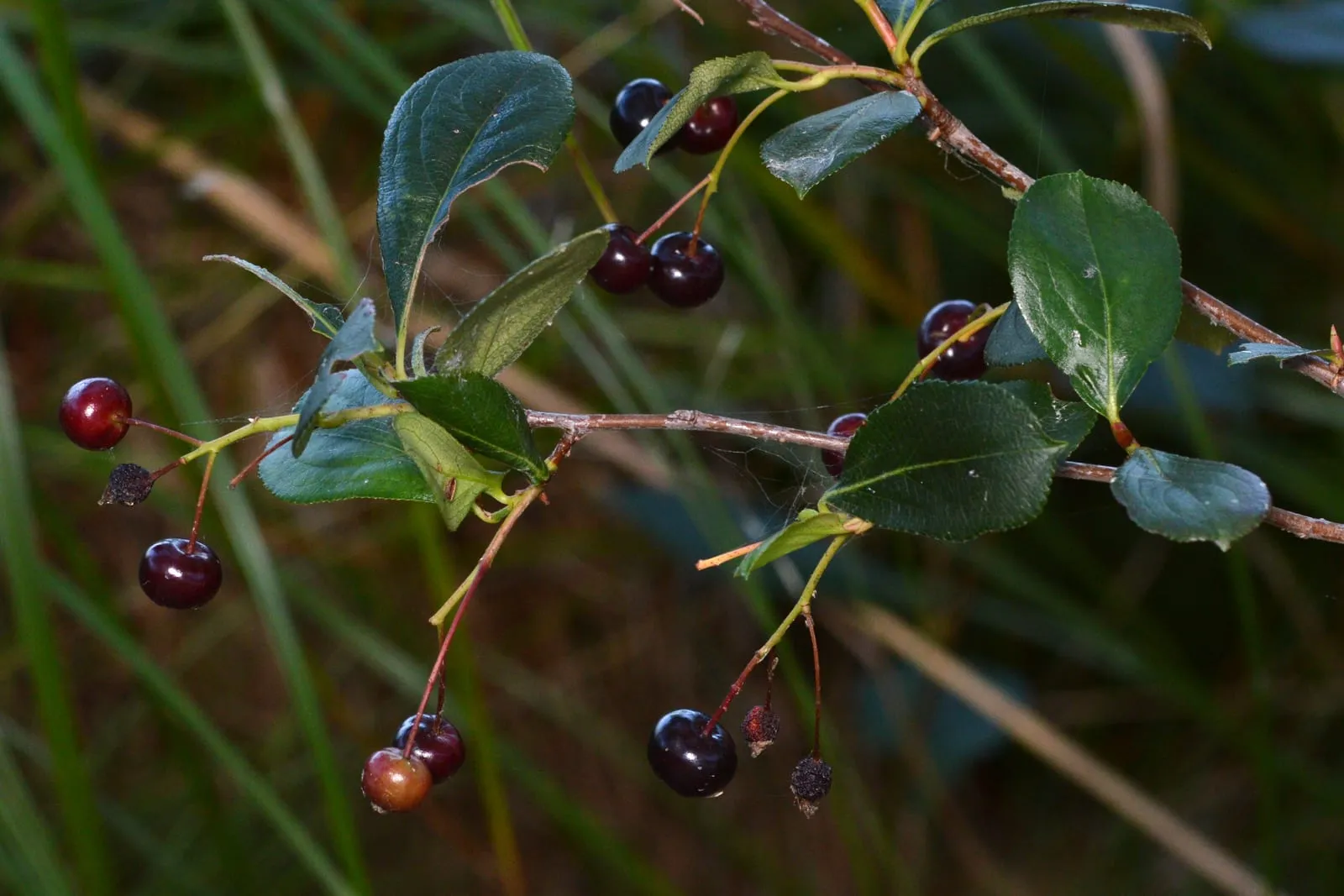
berry in zone 4a
Growing aronia (black chokeberry) in zone 4a
Aronia melanocarpa
- Zone
- 4a -30°F to -25°F
- Growing season
- 120 days
- Suitable varieties
- 3
- Days to harvest
- 90 to 120
The verdict
Aronia melanocarpa is native to eastern North America and cold-hardy to zone 3, making zone 4a a comfortable fit rather than a marginal one. Winter lows of -30°F to -25°F fall within the species' native range, and established plants rarely suffer cold injury at these temperatures.
Chill-hour accumulation is not a limiting factor in zone 4a. Winters are cold enough and long enough to fully satisfy dormancy requirements for any named variety. The more relevant constraint is the 120-day growing season. Aronia needs roughly 60 to 90 days from bloom to ripe fruit, which fits within that window but leaves little cushion if spring arrives late or early fall frosts cut the season short. Viking, Nero, and Autumn Magic are all rated to zones 3 or 4 and suit this climate well. For zone 4a growers, aronia is among the most reliable small-fruit shrubs available.
Recommended varieties for zone 4a
3 cultivars suited to this zone, with disease-resistance and zone-fit annotations.
| Variety | Notes | Zone fit | Disease resistance |
|---|---|---|---|
| Viking fits zone 4a | Astringent fresh, deep complex flavor when processed; juice, jam, wine, dried powder. The European-developed standard, very high antioxidant content. Heavy producer, brilliant red fall color. | | none noted |
| Nero fits zone 4a | Astringent fresh, rich processed flavor; juice, jam, wine. Czech selection bred for high yields and large berries, productive after sweetening fall frost. | | none noted |
| Autumn Magic fits zone 4a | Tart-astringent, intense color and flavor; juice, jam. Selected for ornamental value with brilliant red-purple fall foliage. Compact 3-5 ft habit. | | none noted |
Critical timing for zone 4a
In zone 4a, aronia typically flowers in late May to early June. That timing places bloom after the worst spring-frost risk in most years, though late-May freezes remain possible and growers should monitor forecasts through that window. Aronia blossoms are more cold-tolerant than stone-fruit flowers, but open flowers below 28°F can reduce fruit set.
Harvest falls in late August through September, roughly 60 to 90 days after peak bloom. In a 120-day season, that timing is workable but not spacious. First fall frosts in zone 4a can arrive from mid-September onward depending on elevation and local topography. Monitor fruit color closely in late August; berries should be harvested as they deepen to near-black rather than left on the shrub to risk frost damage.
Common challenges in zone 4a
- ▸ Late frosts damage early bloomers
- ▸ Limited peach varieties
Disease pressure to watch for
Modified care for zone 4a
Established aronia shrubs need no special winter protection in zone 4a. The species is adapted to cold this severe, and mulching mature plants for winter is unnecessary. First-year transplants benefit from 3 to 4 inches of mulch over the root zone before freeze-up, which moderates freeze-thaw cycles in the shallow soil zone where feeder roots concentrate.
Planting timing matters in a short season. Transplants put in the ground by early to mid-spring have adequate time to establish before dormancy. Fall planting carries real risk in zone 4a given the narrow window before hard freeze.
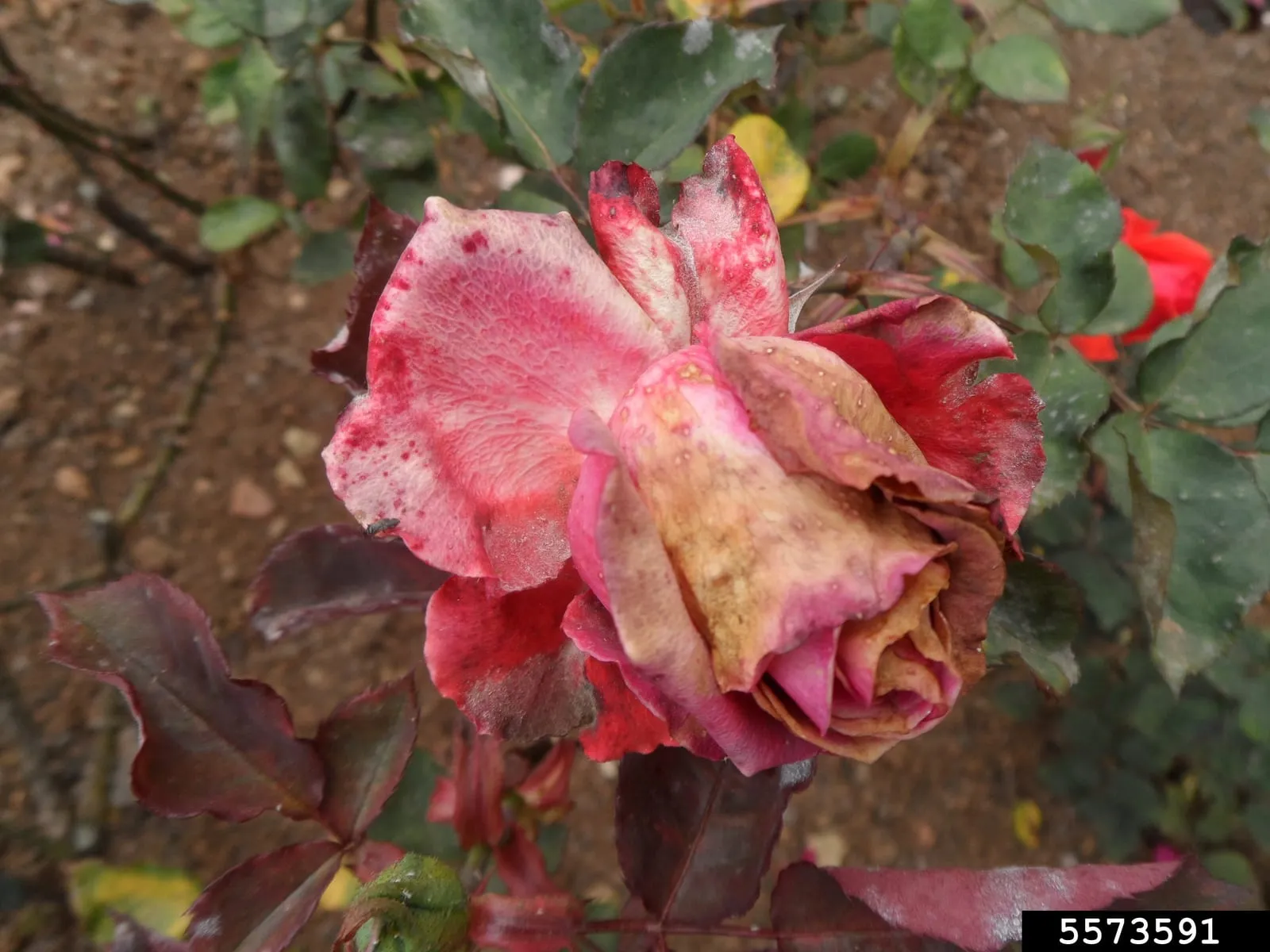
Gray Mold (Botrytis) pressure follows cool, wet spring weather, which zone 4a sees regularly. Maintain an open canopy through annual thinning cuts to improve air circulation, and avoid overhead irrigation. Botrytis problems concentrate in dense, unpruned plantings where moisture lingers after rain.
Aronia (Black Chokeberry) in adjacent zones
Image: "Black Chokeberry (Aronia melanocarpa) - Killarney, Ontario", by Ryan Hodnett, via Wikimedia Commons, licensed under CC-BY Source.
_-_Killarney,_Ontario.jpg)
Related