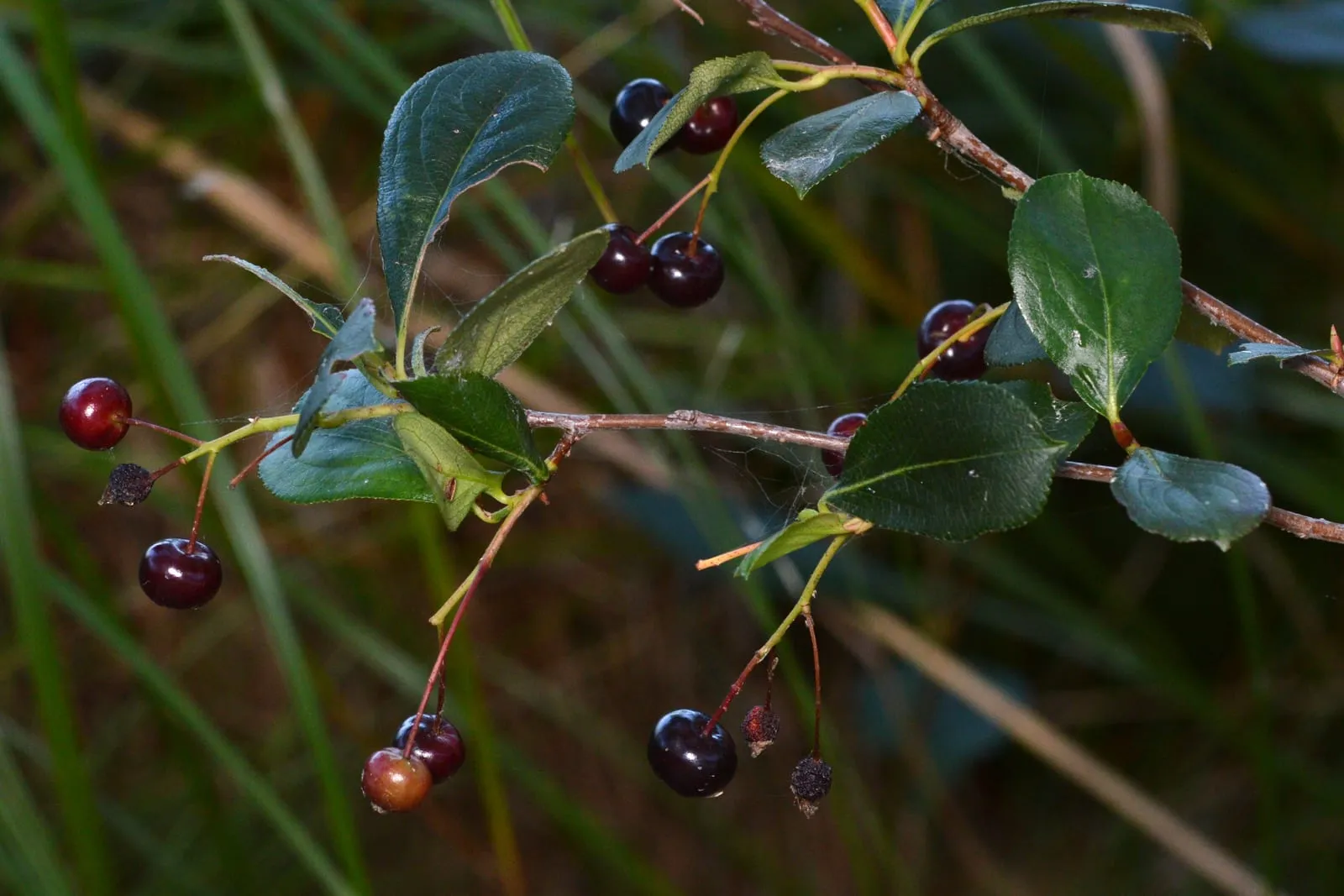
berry in zone 3b
Growing aronia (black chokeberry) in zone 3b
Aronia melanocarpa
- Zone
- 3b -35°F to -30°F
- Growing season
- 100 days
- Suitable varieties
- 3
- Days to harvest
- 90 to 120
The verdict
Aronia is one of the few fruiting shrubs genuinely suited to zone 3b rather than merely tolerating it. Native to cold northeastern North America, aronia melanocarpa handles temperatures well below zero in hardened conditions, placing zone 3b's -35 to -30°F winters comfortably within its tolerance. This is not a marginal zone for the crop; it sits near the center of aronia's cold-hardiness range.
Chill hour requirements are not a limiting factor. Zone 3b's long winters reliably satisfy aronia's dormancy needs, and bloom timing is consistent year to year without the erratic breaks that warmer zones sometimes produce. The 100-day growing season is sufficient for berry development on all three compatible varieties: Viking, Nero, and Autumn Magic, all bred or selected specifically for northern production.
The main constraint in zone 3b is the compressed harvest window rather than cold injury or inadequate chill accumulation.
Recommended varieties for zone 3b
3 cultivars suited to this zone, with disease-resistance and zone-fit annotations.
| Variety | Notes | Zone fit | Disease resistance |
|---|---|---|---|
| Viking fits zone 3b | Astringent fresh, deep complex flavor when processed; juice, jam, wine, dried powder. The European-developed standard, very high antioxidant content. Heavy producer, brilliant red fall color. | | none noted |
| Nero fits zone 3b | Astringent fresh, rich processed flavor; juice, jam, wine. Czech selection bred for high yields and large berries, productive after sweetening fall frost. | | none noted |
| Autumn Magic fits zone 3b | Tart-astringent, intense color and flavor; juice, jam. Selected for ornamental value with brilliant red-purple fall foliage. Compact 3-5 ft habit. | | none noted |
Critical timing for zone 3b
In zone 3b, aronia typically breaks dormancy in late April and blooms in late May to early June, after the last hard frosts in most locations. This late bloom pattern is an advantage: aronia avoids the late-frost damage that routinely affects early-blooming stone fruits and some pome fruits in cold zones.
Harvest falls in late August to early September, roughly 90 to 100 days after bloom. This fits within the 100-day growing season, though the margin is tight and timing varies with summer heat accumulation. A warm September extends sugar development; an early hard frost in late August can cut the season short before berries reach peak ripeness. Sites in low-lying frost pockets should factor this risk into variety selection and site decisions.
Common challenges in zone 3b
- ▸ Short season
- ▸ Winter desiccation
- ▸ Site selection critical for fruit trees
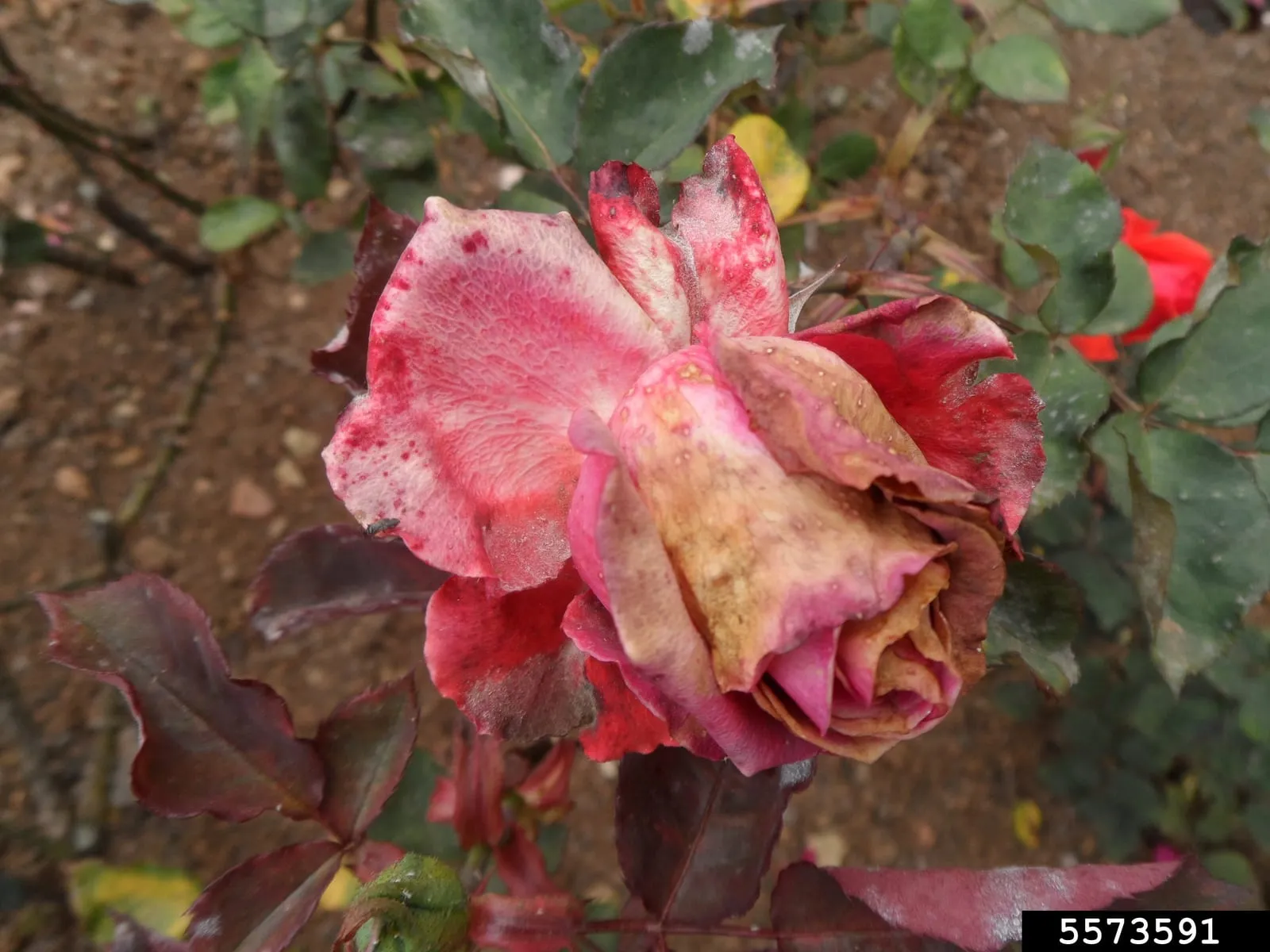
Disease pressure to watch for
Modified care for zone 3b
Winter desiccation is the primary adjustment for zone 3b. Aronia planted in exposed, wind-swept sites can suffer significant cane dieback from desiccating winter winds even when temperatures remain within the plant's cold tolerance. A protected site or a windbreak on the prevailing wind side substantially reduces this risk without compromising the full-sun conditions aronia prefers.
The short growing season limits renovation pruning options. Hard pruning fits best immediately after harvest in early September rather than waiting for spring, giving the shrub maximum time to push new growth before dormancy sets in. Late-season nitrogen applications should be avoided; they stimulate tender growth that enters winter poorly hardened.
Gray mold pressure increases in cool, wet years when berry clusters are dense. Thinning the interior of established clumps improves airflow and reduces infection risk. This is standard practice for aronia across its range but is worth prioritizing in zone 3b, where infected clusters have less time to recover before harvest.
Aronia (Black Chokeberry) in adjacent zones
Image: "Black Chokeberry (Aronia melanocarpa) - Killarney, Ontario", by Ryan Hodnett, via Wikimedia Commons, licensed under CC-BY Source.
_-_Killarney,_Ontario.jpg)
Related