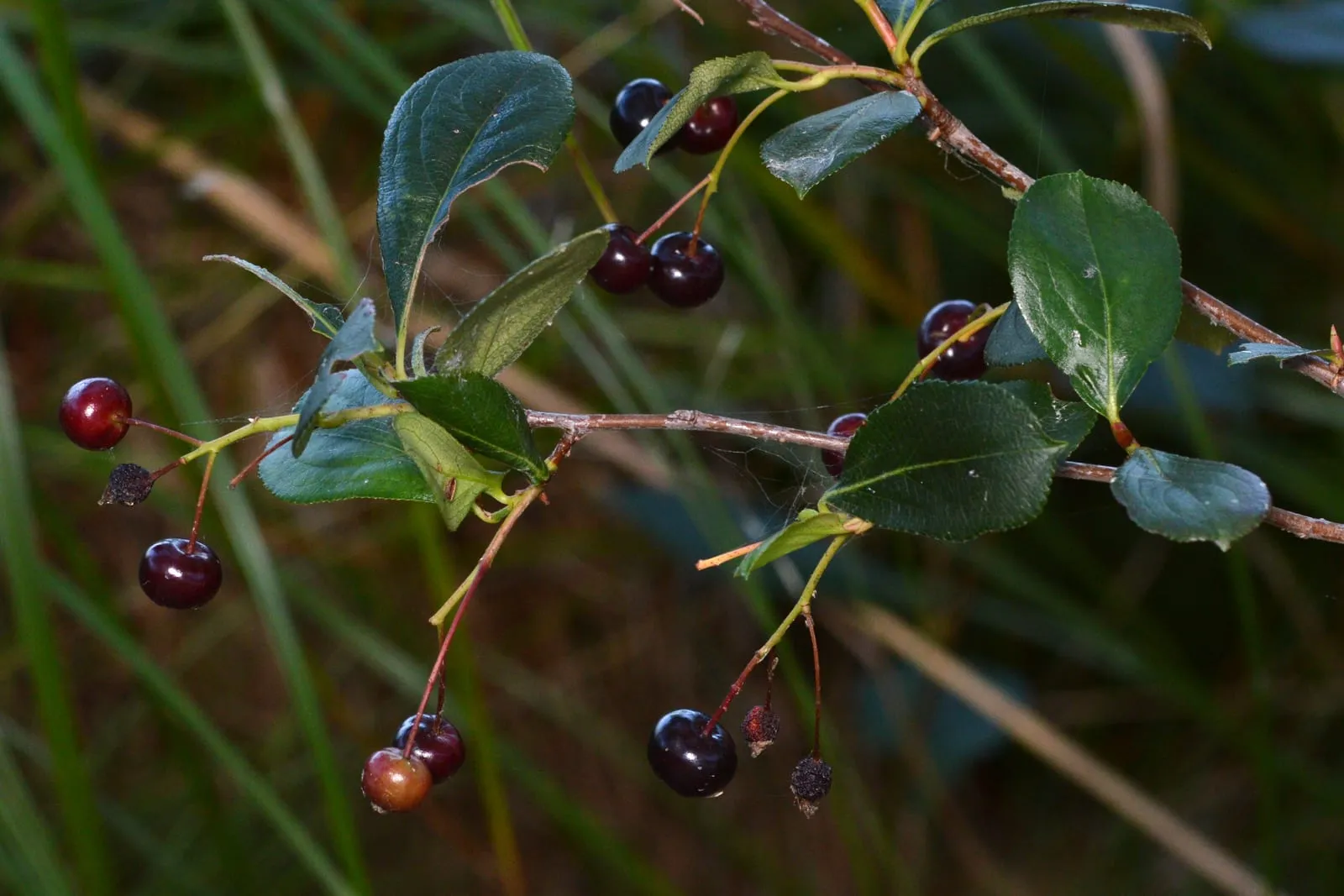
berry in zone 3a
Growing aronia (black chokeberry) in zone 3a
Aronia melanocarpa
- Zone
- 3a -40°F to -35°F
- Growing season
- 90 days
- Suitable varieties
- 2
- Days to harvest
- 90 to 120
The verdict
Aronia is one of the few fruiting shrubs that is genuinely at home in zone 3a rather than merely surviving it. Native to eastern North America, aronia tolerates temperatures down to -40°F without meaningful winter injury, placing zone 3a squarely within its cold-hardiness range rather than at its margin. Chill-hour requirements for aronia are typically in the 700 to 1,000 hour range, and zone 3a winters satisfy that threshold with room to spare.
The constraint in zone 3a is the 90-day growing season, not the cold. Aronia needs roughly 60 to 80 days from bloom to ripe fruit, which fits inside a 90-day window but leaves little buffer against a late spring frost compressing the start or an early September freeze cutting the finish short. Viking and Nero are the two varieties with documented performance under these conditions; both were selected for reliability in short-season northern climates and are the sensible choices for zone 3a plantings.
Recommended varieties for zone 3a
2 cultivars suited to this zone, with disease-resistance and zone-fit annotations.
| Variety | Notes | Zone fit | Disease resistance |
|---|---|---|---|
| Viking fits zone 3a | Astringent fresh, deep complex flavor when processed; juice, jam, wine, dried powder. The European-developed standard, very high antioxidant content. Heavy producer, brilliant red fall color. | | none noted |
| Nero fits zone 3a | Astringent fresh, rich processed flavor; juice, jam, wine. Czech selection bred for high yields and large berries, productive after sweetening fall frost. | | none noted |
Critical timing for zone 3a
Zone 3a bloom typically falls in late May to early June, after the average last frost date for most sites, but late-spring frosts remain a genuine risk through mid-May in many locations. The aronia bloom window is short, often one to two weeks, and a hard frost during full bloom can eliminate most of the season's fruit set. Growers should have frost cloth staged and monitor forecasts closely during that window.
Harvest in zone 3a generally runs mid to late August, approximately 70 to 80 days after a June bloom. That timing puts harvest comfortably ahead of the first fall frosts, which arrive on average in early to mid-September across most zone 3a sites. The window is workable, but it is not generous.
Common challenges in zone 3a
- ▸ Very short growing season
- ▸ Late spring frosts
- ▸ Limited fruit-tree options
- ▸ Heavy mulching required
Disease pressure to watch for
Modified care for zone 3a
The most important adjustment in zone 3a is mulching. A 4 to 6 inch layer of wood chips or straw around the root zone reduces freeze-thaw heaving, retains soil warmth, and supports steady establishment in the shortened season. New plantings also benefit from windbreak siting, as desiccating winter winds accelerate cane moisture loss even when temperatures stay within aronia's hardiness range.
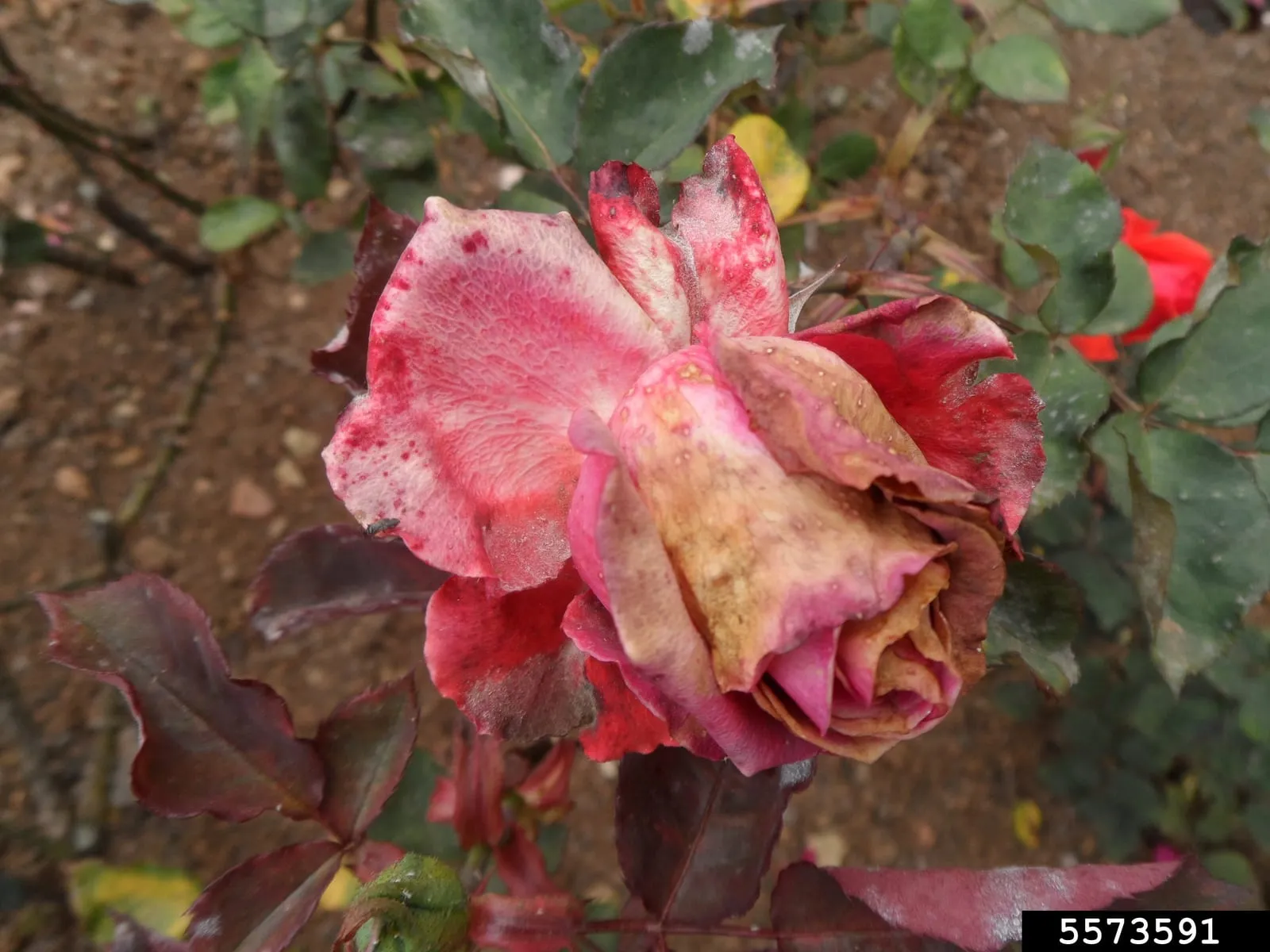
Gray mold (Botrytis) is the primary disease pressure to manage. Cool, humid summers, common across zone 3a, create favorable conditions for Botrytis on ripening fruit, particularly during a wet August. Pruning for an open canopy with good airflow is the most effective preventive measure and is usually sufficient when combined with a full-sun, well-drained planting site. Chemical intervention is rarely necessary if airflow is adequate. Site selection matters more in zone 3a than in milder climates: a south-facing, wind-sheltered position with full sun addresses frost risk, Botrytis pressure, and heat accumulation simultaneously.
Aronia (Black Chokeberry) in adjacent zones
Image: "Black Chokeberry (Aronia melanocarpa) - Killarney, Ontario", by Ryan Hodnett, via Wikimedia Commons, licensed under CC-BY Source.
_-_Killarney,_Ontario.jpg)
Related