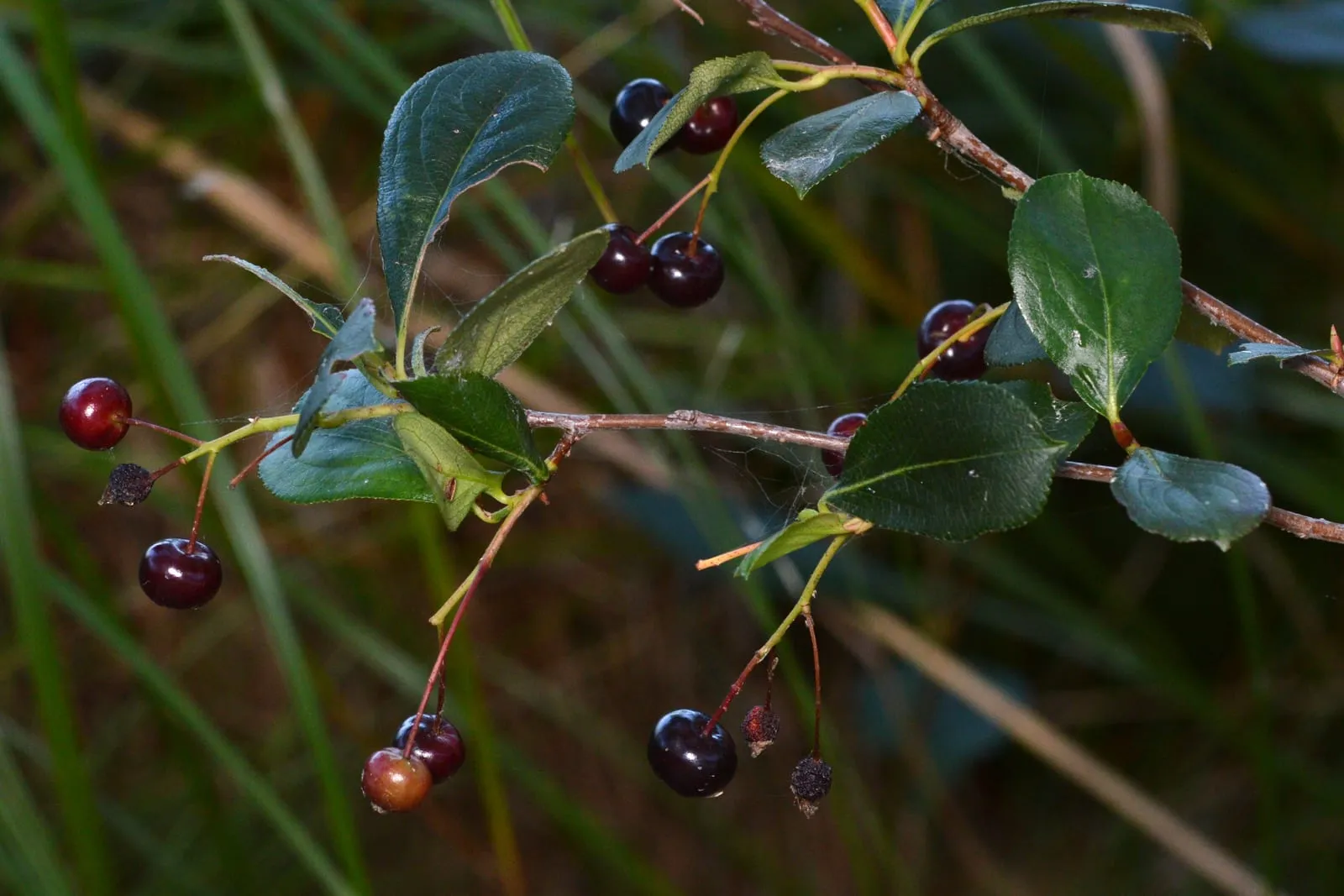
berry in zone 5a
Growing aronia (black chokeberry) in zone 5a
Aronia melanocarpa
- Zone
- 5a -20°F to -15°F
- Growing season
- 150 days
- Suitable varieties
- 3
- Days to harvest
- 90 to 120
The verdict
Zone 5a, with winter lows between -20 and -15°F, sits solidly within aronia's native range. The species evolved across the northeastern and north-central United States and handles deep cold without supplemental protection. Chill-hour accumulation is not a limiting factor here; zone 5a typically logs well over 1,000 hours below 45°F each winter, far exceeding aronia's modest chilling requirement of roughly 200 to 300 hours. The 150-day growing season is adequate for berries to ripen fully before the first fall frost. Viking, Nero, and Autumn Magic are all proven performers in this zone. The realistic concern is not cold hardiness but late spring frosts intersecting with bloom, which can reduce fruit set in a given year without threatening the shrub itself. Zone 5a is not marginal for aronia; it is close to the center of the crop's comfort range.
Recommended varieties for zone 5a
3 cultivars suited to this zone, with disease-resistance and zone-fit annotations.
| Variety | Notes | Zone fit | Disease resistance |
|---|---|---|---|
| Viking fits zone 5a | Astringent fresh, deep complex flavor when processed; juice, jam, wine, dried powder. The European-developed standard, very high antioxidant content. Heavy producer, brilliant red fall color. | | none noted |
| Nero fits zone 5a | Astringent fresh, rich processed flavor; juice, jam, wine. Czech selection bred for high yields and large berries, productive after sweetening fall frost. | | none noted |
| Autumn Magic fits zone 5a | Tart-astringent, intense color and flavor; juice, jam. Selected for ornamental value with brilliant red-purple fall foliage. Compact 3-5 ft habit. | | none noted |
Critical timing for zone 5a
In zone 5a, aronia typically blooms in late April to mid-May, once nighttime temperatures have stabilized above the mid-20s. The bloom window is relatively short, generally 10 to 14 days, which limits frost exposure compared to crops with extended flowering periods. Late spring frosts are a real risk in this zone, and a hard freeze below 28°F during open bloom can reduce fruit set, though established shrubs are not killed by such events and often set a partial crop regardless. Harvest falls from late August through September, comfortably inside the 150-day growing season. Berries in a cluster do not ripen uniformly; waiting for the full cluster to turn deep black before harvest captures the highest anthocyanin concentration and reduces astringency.
Common challenges in zone 5a
- ▸ Fire blight in pears
- ▸ Cedar-apple rust
- ▸ Late spring frosts
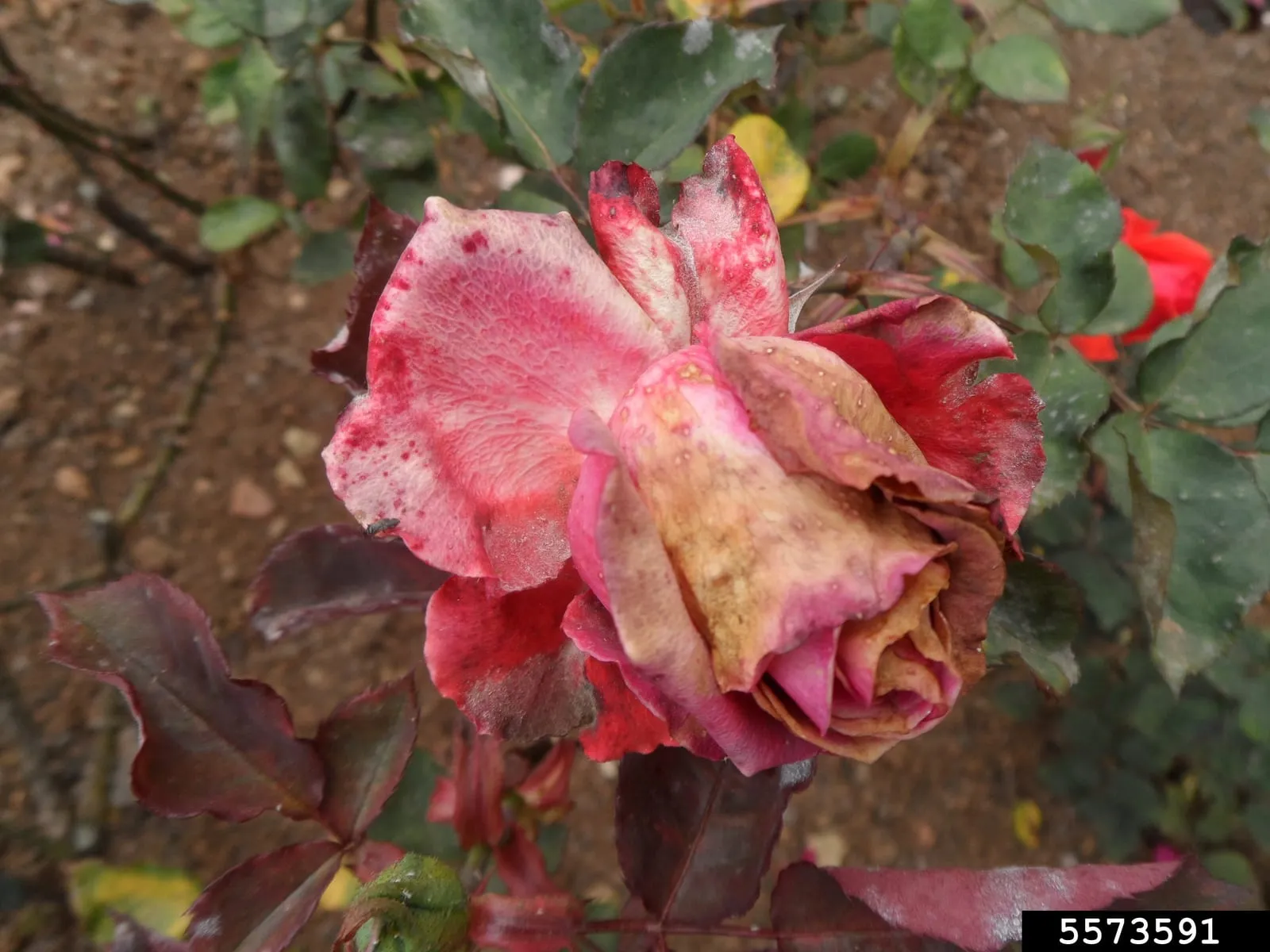
Disease pressure to watch for
Modified care for zone 5a
Aronia requires less winter management in zone 5a than most fruiting shrubs. No root mulching for cold protection is needed on established plants, and branch dieback from winter temperatures is uncommon with the standard named varieties. The main adjustment relative to milder zones is disease vigilance: cool, wet springs common to zone 5a create favorable conditions for Gray Mold (Botrytis), which attacks flower clusters and developing berries. Annual removal of crossing and crowded interior canes improves airflow and is the most effective preventive measure. Site selection matters significantly; a location with morning sun, afternoon drainage, and no low-lying frost pockets addresses both Botrytis risk and late-frost exposure at once. Nitrogen fertilization is best applied after bloom is complete to avoid stimulating tender growth before the last frost date has passed.
Aronia (Black Chokeberry) in adjacent zones
Image: "Black Chokeberry (Aronia melanocarpa) - Killarney, Ontario", by Ryan Hodnett, via Wikimedia Commons, licensed under CC-BY Source.
_-_Killarney,_Ontario.jpg)
Related