berry in zone 5b
Growing aronia (black chokeberry) in zone 5b
Aronia melanocarpa
- Zone
- 5b -15°F to -10°F
- Growing season
- 165 days
- Suitable varieties
- 3
- Days to harvest
- 90 to 120
The verdict
Zone 5b is a reliable sweet spot for aronia, not a marginal case. Aronia melanocarpa is native to cold northeastern North America and is rated cold-hardy to USDA zone 3, meaning the -15 to -10°F winter lows in zone 5b present no meaningful cold injury risk to established plants.
Chill-hour requirements for aronia are modest relative to many fruit crops, generally estimated at 800 to 1,000 hours below 45°F; zone 5b exceeds this threshold without difficulty in most winters. The 165-day growing season provides adequate time for berries to ripen fully before the first fall frost. Viking, Nero, and Autumn Magic are all well-documented performers in this zone range, with consistent yield records from Minnesota and Great Lakes extension trials.
The crop's primary limitation in zone 5b is not climate fit but disease pressure during wet seasons, particularly gray mold at flowering and fruit set. Cold hardiness and season length are non-issues here.
Recommended varieties for zone 5b
3 cultivars suited to this zone, with disease-resistance and zone-fit annotations.
| Variety | Notes | Zone fit | Disease resistance |
|---|---|---|---|
| Viking fits zone 5b | Astringent fresh, deep complex flavor when processed; juice, jam, wine, dried powder. The European-developed standard, very high antioxidant content. Heavy producer, brilliant red fall color. | | none noted |
| Nero fits zone 5b | Astringent fresh, rich processed flavor; juice, jam, wine. Czech selection bred for high yields and large berries, productive after sweetening fall frost. | | none noted |
| Autumn Magic fits zone 5b | Tart-astringent, intense color and flavor; juice, jam. Selected for ornamental value with brilliant red-purple fall foliage. Compact 3-5 ft habit. | | none noted |
Critical timing for zone 5b
In zone 5b, aronia bloom typically opens in late April to mid-May, depending on spring temperature progression and local microclimates. This window overlaps with a period when late frosts remain possible across much of the zone; a hard frost during peak bloom can reduce fruit set for that season, though aronia is more frost-tolerant at bloom than most stone fruits.
Harvest falls in late August through September, well ahead of the first fall frost in most zone 5b locations. Berries on Viking and Nero can hold on the plant into early October without significant quality loss if bird pressure allows, providing some flexibility. The interval between bloom and ripe harvest runs roughly 120 to 130 days, comfortably within the 165-day growing season with margin on both ends.
Common challenges in zone 5b
- ▸ Plum curculio
- ▸ Codling moth
- ▸ Cedar-apple rust
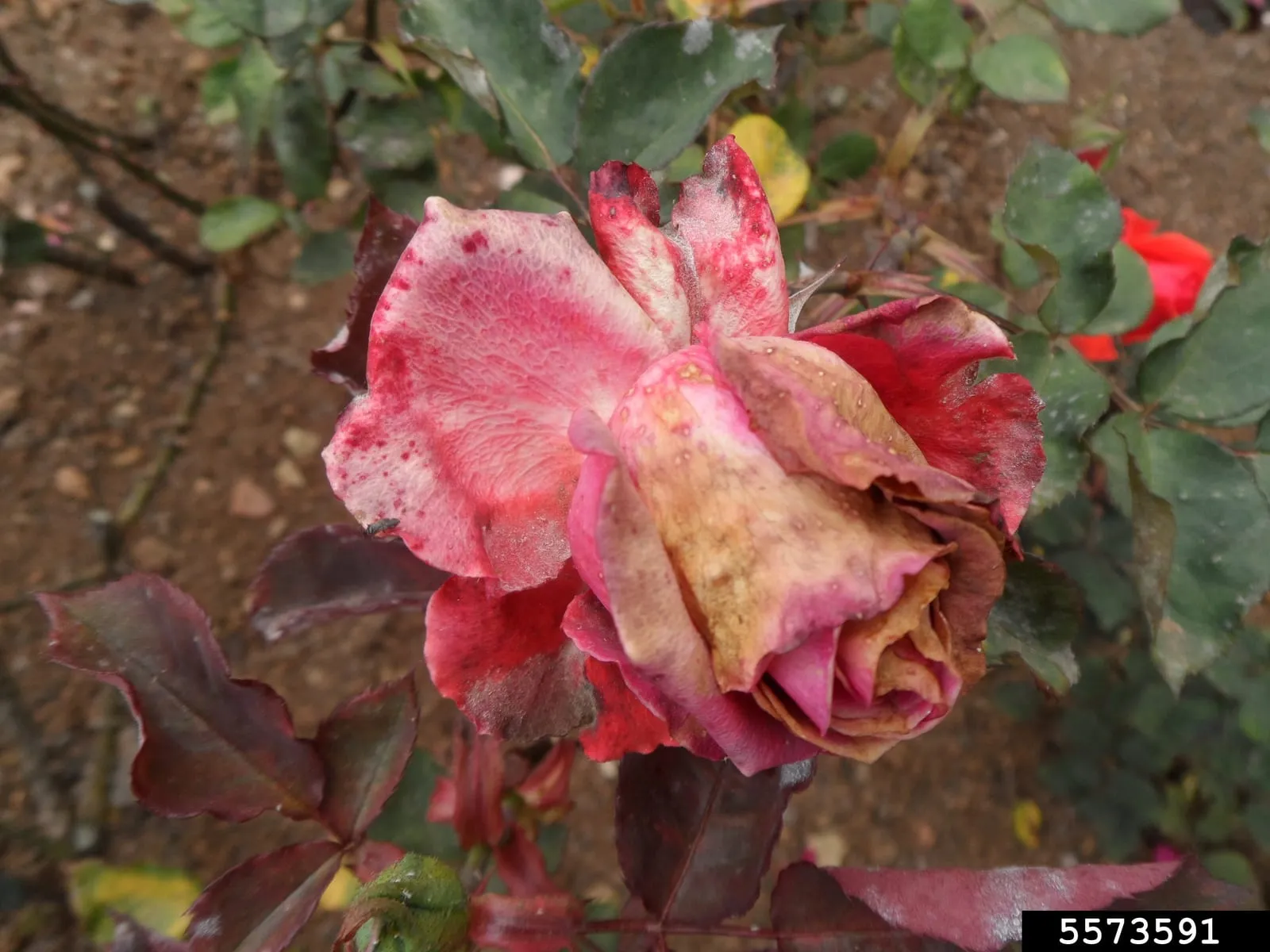
Disease pressure to watch for
Modified care for zone 5b
Zone 5b does not require significant departures from standard aronia culture. Established plants need no winter wrapping or root mounding. Plum curculio and codling moth, both present in this zone, are less damaging to aronia than to thin-skinned tree fruits, but monitoring is worthwhile when the planting is adjacent to apple or plum blocks.
Cedar-apple rust warrants attention where eastern red cedars grow nearby; aronia is a documented alternate host. Removing nearby juniper understory or timing copper applications to bracket bloom reduces spore load during the susceptible period.
Gray mold pressure rises in wet springs when bloom and early fruit development coincide with persistent humidity. Pruning for open canopy structure and avoiding overhead irrigation during fruit set are the most practical adjustments. No additional fertilization or soil amendment strategy is specific to zone 5b; standard annual compost application and pH maintenance at 5.5 to 6.5 apply across the crop's full range.
Aronia (Black Chokeberry) in adjacent zones
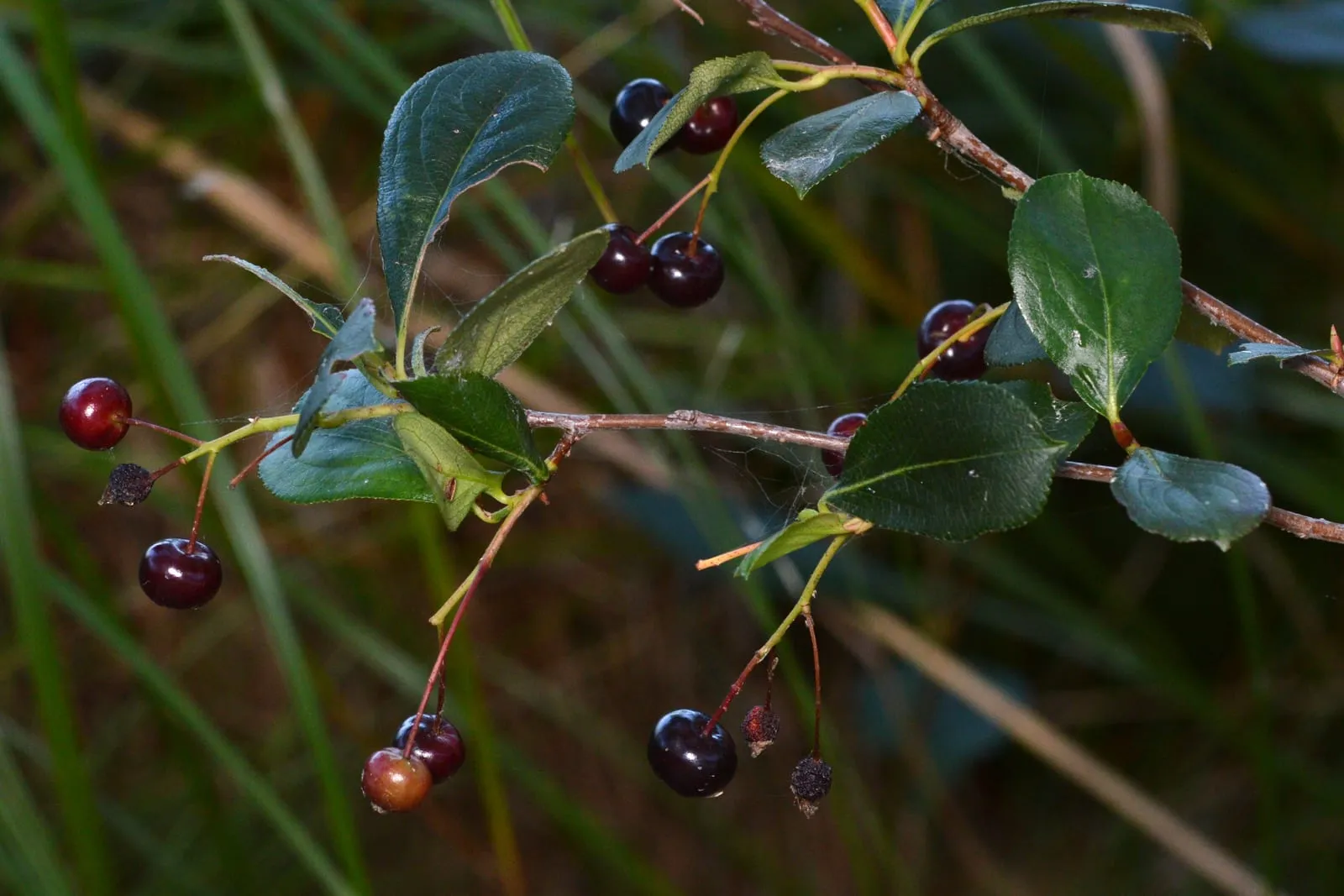
Image: "Black Chokeberry (Aronia melanocarpa) - Killarney, Ontario", by Ryan Hodnett, via Wikimedia Commons, licensed under CC-BY Source.
_-_Killarney,_Ontario.jpg)
Related