berry in zone 6a
Growing aronia (black chokeberry) in zone 6a
Aronia melanocarpa
- Zone
- 6a -10°F to -5°F
- Growing season
- 180 days
- Suitable varieties
- 3
- Days to harvest
- 90 to 120
The verdict
Aronia melanocarpa is rated hardy to USDA zone 3, which makes zone 6a well within its comfort zone rather than a marginal case. Winter lows of -10 to -5°F pose no real threat to established plants; the shrub handles temperatures far colder without meaningful dieback or bud damage. Chill-hour accumulation is ample in zone 6a, as aronia has relatively modest chilling requirements and zone 6a winters reliably exceed whatever threshold the crop needs.
If anything, zone 6a sits toward the warmer edge of where aronia performs at its best. In hotter, drier summers the canopy may show mild heat stress, and fruit set can be slightly less consistent than in zones 4 or 5. That said, Viking, Nero, and Autumn Magic all perform reliably here. This is one of the least frost-sensitive fruit-bearing shrubs to site in zone 6a, and it requires none of the careful microclimate selection that peaches or cherries demand in this zone.
Recommended varieties for zone 6a
3 cultivars suited to this zone, with disease-resistance and zone-fit annotations.
| Variety | Notes | Zone fit | Disease resistance |
|---|---|---|---|
| Viking fits zone 6a | Astringent fresh, deep complex flavor when processed; juice, jam, wine, dried powder. The European-developed standard, very high antioxidant content. Heavy producer, brilliant red fall color. | | none noted |
| Nero fits zone 6a | Astringent fresh, rich processed flavor; juice, jam, wine. Czech selection bred for high yields and large berries, productive after sweetening fall frost. | | none noted |
| Autumn Magic fits zone 6a | Tart-astringent, intense color and flavor; juice, jam. Selected for ornamental value with brilliant red-purple fall foliage. Compact 3-5 ft habit. | | none noted |
Critical timing for zone 6a
In zone 6a, aronia typically blooms in late April through mid-May, once soil temperatures stabilize and daytime highs hold consistently above 50°F. The zone's average last frost falls in mid-April, which means early bloom years carry some risk of frost damage to open flowers. Aronia's bloom window is later than peach or cherry, which reduces but does not eliminate that risk.
Berries ripen from late August into October depending on variety. Autumn Magic tends to hold fruit on the shrub longer than Viking or Nero, which can extend the practical harvest window into early fall. The zone's 180-day growing season is more than sufficient to bring a full crop to maturity without late-season frost pressure cutting the season short.
Common challenges in zone 6a
- ▸ Brown rot in stone fruit
- ▸ Japanese beetles
- ▸ Spring frost damage to peach buds
Disease pressure to watch for
Modified care for zone 6a
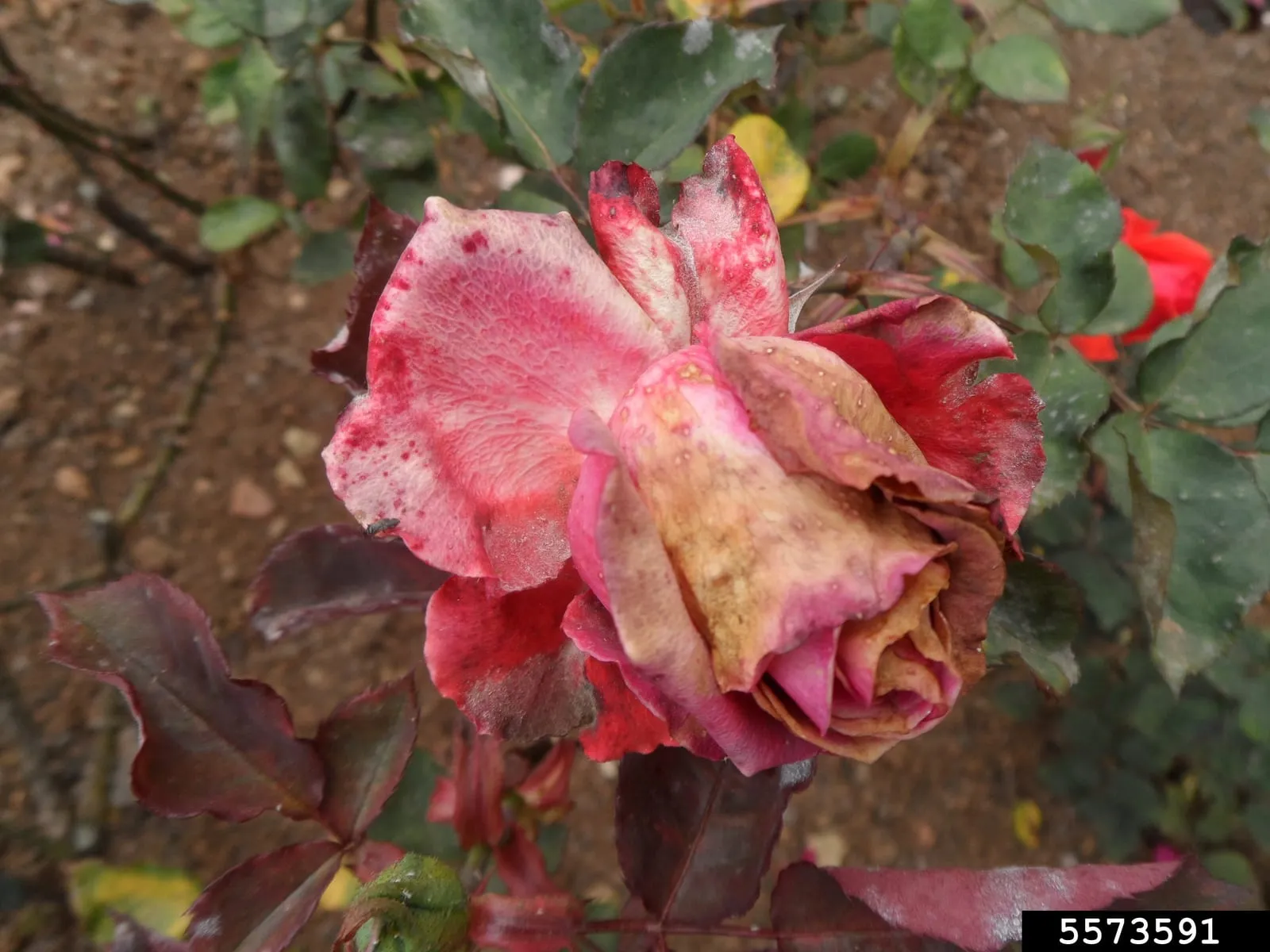
Zone 6a growers encounter fewer extreme winter stresses than those in zones 4 or 5, so heavy mulching for root protection is less critical after the first year. The main seasonal adjustments involve managing Gray Mold (Botrytis), which becomes a concern during wet springs when humidity stays high around developing flower clusters. Pruning for airflow through the shrub interior is the most effective intervention; aronia's naturally dense habit promotes stagnant air pockets that favor Botrytis.
Japanese beetles, a notable pest across much of zone 6a, can cause significant defoliation in midsummer. Hand-picking or targeted neem applications are the least disruptive management options for low-spray growers. Given aronia's tendency to sucker and fill in over time, thinning older canes in late winter also improves spray penetration if chemical management becomes necessary for beetle pressure.
Aronia (Black Chokeberry) in adjacent zones
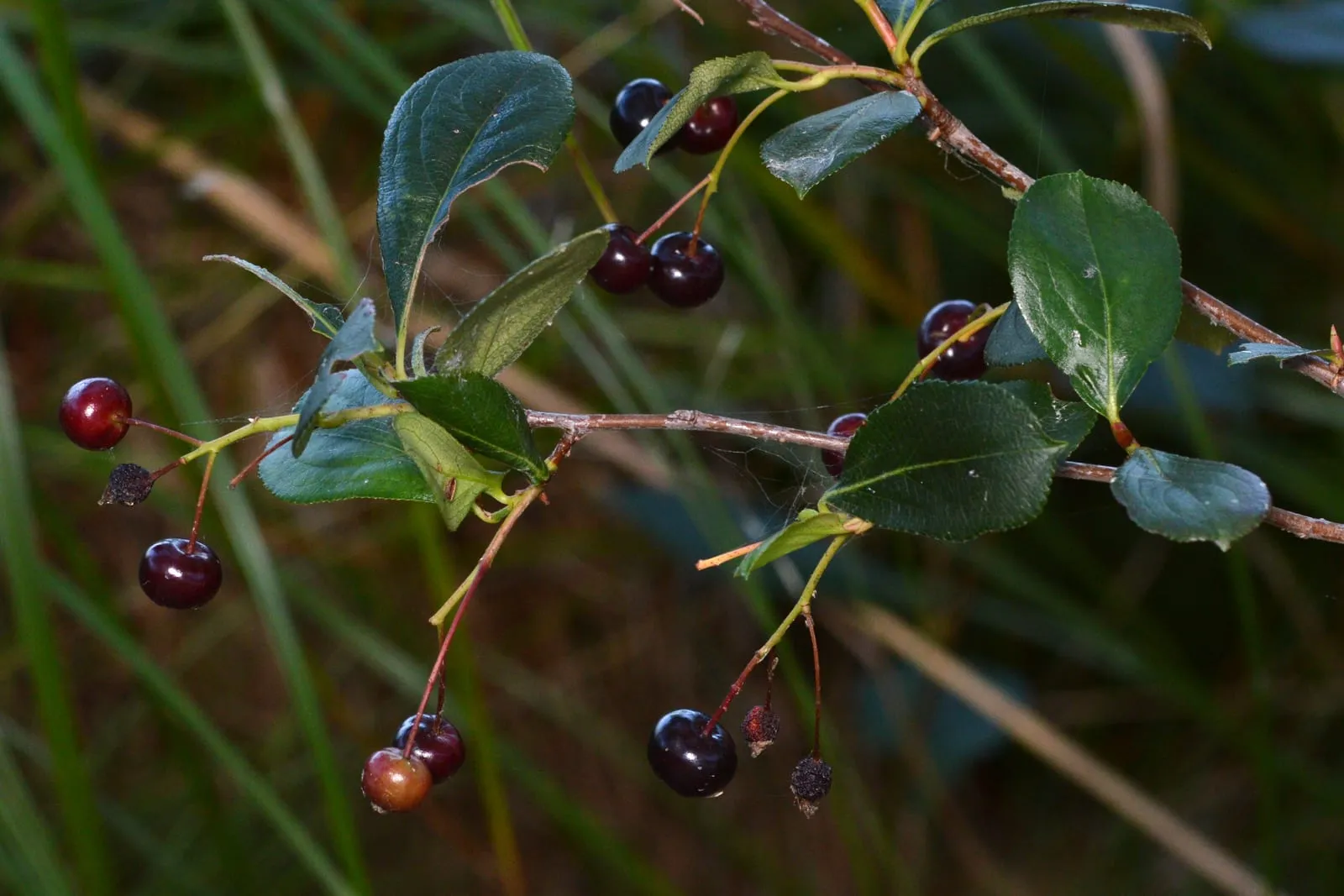
Image: "Black Chokeberry (Aronia melanocarpa) - Killarney, Ontario", by Ryan Hodnett, via Wikimedia Commons, licensed under CC-BY Source.
_-_Killarney,_Ontario.jpg)
Related