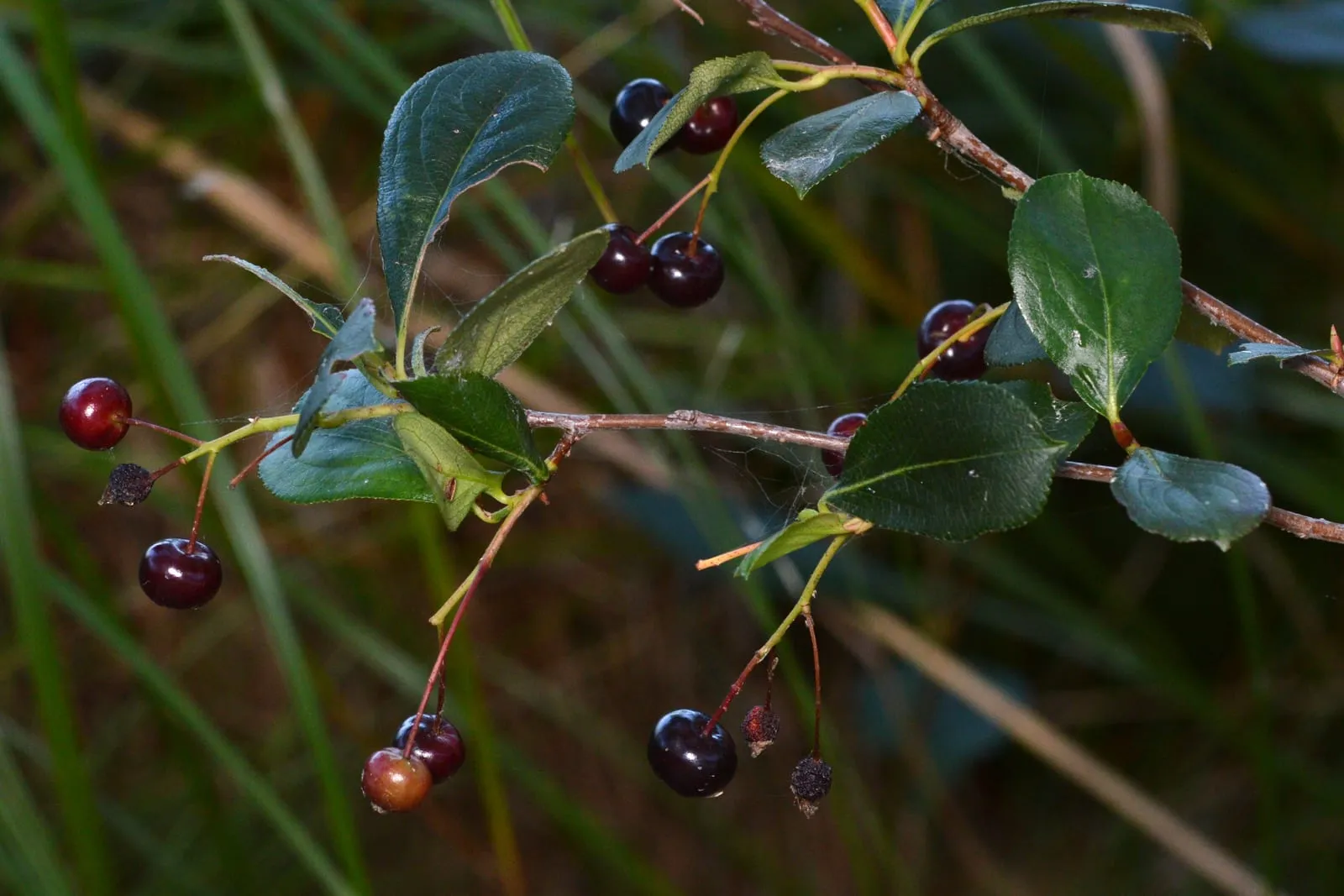
berry in zone 6b
Growing aronia (black chokeberry) in zone 6b
Aronia melanocarpa
- Zone
- 6b -5°F to 0°F
- Growing season
- 190 days
- Suitable varieties
- 3
- Days to harvest
- 90 to 120
The verdict
Zone 6b is well within aronia's comfort range, not a marginal case. Black chokeberry is native to eastern North America and hardy to zone 3, so the -5 to 0°F winter minimum in zone 6b presents no survival risk. Chill-hour accumulation is also reliable: zone 6b winters consistently deliver well above the 1,000 hours below 45°F that aronia needs to break dormancy and set fruit cleanly. The 190-day growing season gives ample time for fruit to develop and fully ripen before first fall frost.
Varieties bred for commercial production, including Viking, Nero, and Autumn Magic, were selected largely in climates similar to or colder than zone 6b, so their performance data translates directly. Growers in the warmer end of zone 6b (closer to 0°F minimums) may see slightly earlier budbreak, which increases exposure to late-frost events, but aronia's overall fit in this zone is strong.
Recommended varieties for zone 6b
3 cultivars suited to this zone, with disease-resistance and zone-fit annotations.
| Variety | Notes | Zone fit | Disease resistance |
|---|---|---|---|
| Viking fits zone 6b | Astringent fresh, deep complex flavor when processed; juice, jam, wine, dried powder. The European-developed standard, very high antioxidant content. Heavy producer, brilliant red fall color. | | none noted |
| Nero fits zone 6b | Astringent fresh, rich processed flavor; juice, jam, wine. Czech selection bred for high yields and large berries, productive after sweetening fall frost. | | none noted |
| Autumn Magic fits zone 6b | Tart-astringent, intense color and flavor; juice, jam. Selected for ornamental value with brilliant red-purple fall foliage. Compact 3-5 ft habit. | | none noted |
Critical timing for zone 6b
In zone 6b, aronia typically blooms in late April to mid-May, a window that overlaps with the tail end of frost risk in many parts of the zone. Last frost dates in zone 6b commonly fall between April 1 and April 30, so late-breaking cold snaps can clip open flowers. Aronia blooms are fairly brief, so the overlap is a real but limited risk rather than a consistent problem.
Harvest follows in late August through September, roughly 60 to 90 days after fruit set. The berries deepen to near-black and develop their characteristic astringency at full ripeness. Waiting until after the first light frost of fall can mellow the bitterness slightly, and zone 6b's first fall frost typically arrives in October, leaving a comfortable window.
Common challenges in zone 6b
- ▸ Cedar-apple rust
- ▸ Fire blight
- ▸ Stink bugs
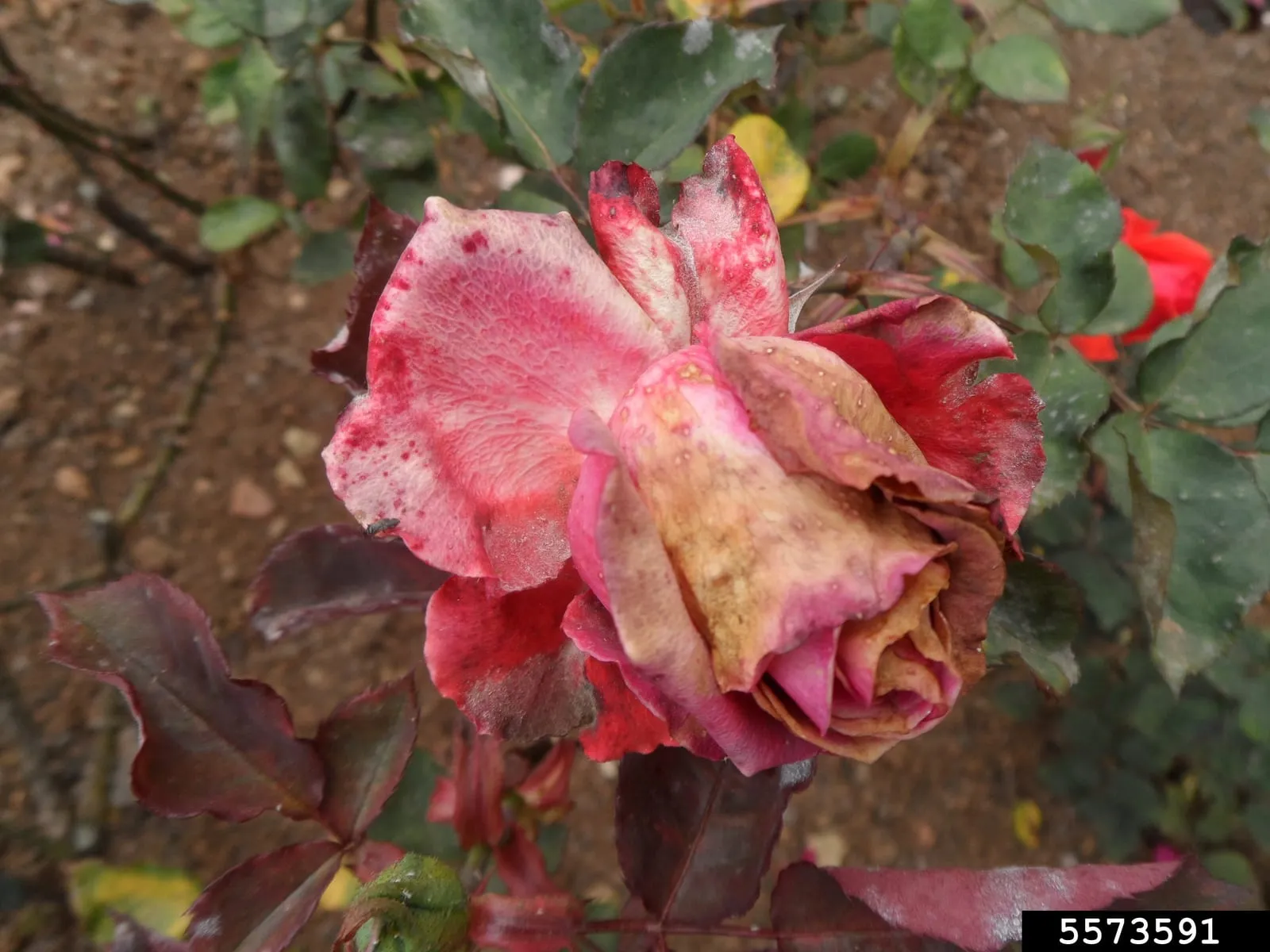
Disease pressure to watch for
Modified care for zone 6b
Aronia requires less adjustment in zone 6b than most fruiting shrubs, but a few zone-specific factors are worth noting. Gray mold (Botrytis) pressure increases in wet springs and in plantings with poor air circulation. Zone 6b's spring rainfall patterns favor the disease, so spacing plants at least 5 feet apart and avoiding overhead irrigation during bloom helps reduce infection. Prune out dense interior growth annually to maintain airflow.
Stink bugs are an emerging pest across the mid-Atlantic and lower Midwest portions of zone 6b and can cause cosmetic damage and early fruit drop in late summer. Row cover or exclusion netting applied as fruit colors is the most effective non-chemical response. Cedar-apple rust and fire blight are listed zone challenges, but aronia itself is not a primary host for either; they matter more if apples or pears are planted nearby.
Aronia (Black Chokeberry) in adjacent zones
Image: "Black Chokeberry (Aronia melanocarpa) - Killarney, Ontario", by Ryan Hodnett, via Wikimedia Commons, licensed under CC-BY Source.
_-_Killarney,_Ontario.jpg)
Related