berry in zone 7a
Growing aronia (black chokeberry) in zone 7a
Aronia melanocarpa
- Zone
- 7a 0°F to 5°F
- Growing season
- 210 days
- Suitable varieties
- 2
- Days to harvest
- 90 to 120
The verdict
Aronia is rated hardy from zones 3 through 8, placing zone 7a at the warm end of its comfortable range rather than a marginal edge. Chill-hour accumulation in zone 7a typically runs 800 to 1,100 hours below 45°F, which comfortably exceeds aronia's estimated requirement of 500 to 700 hours. Cold hardiness is not the limiting factor here.
The real constraint is summer heat and humidity. Zone 7a's 210-day growing season exposes aronia to extended periods above 90°F that are atypical of its native boreal habitat, and the high-humidity disease environment differs substantially from northern production regions. Research from cooler growing zones suggests anthocyanin concentration in the fruit tracks inversely with summer heat load, so fruit quality in zone 7a tends to run lower than in zones 4 through 6, even when yields are acceptable.
Viking and Autumn Magic both carry sufficient heat tolerance to produce reliably in zone 7a. The zone is workable for aronia, not a sweet spot.
Recommended varieties for zone 7a
2 cultivars suited to this zone, with disease-resistance and zone-fit annotations.
| Variety | Notes | Zone fit | Disease resistance |
|---|---|---|---|
| Viking fits zone 7a | Astringent fresh, deep complex flavor when processed; juice, jam, wine, dried powder. The European-developed standard, very high antioxidant content. Heavy producer, brilliant red fall color. | | none noted |
| Autumn Magic fits zone 7a | Tart-astringent, intense color and flavor; juice, jam. Selected for ornamental value with brilliant red-purple fall foliage. Compact 3-5 ft habit. | | none noted |
Critical timing for zone 7a
Aronia blooms in mid-spring, typically from late March through mid-April in zone 7a. Zone 7a's average last frost falls around March 25 to April 5, which creates a narrow overlap between late-emerging bloom and residual frost risk. The shrub's bloom window spans two to three weeks, wide enough that a single late frost rarely causes total crop failure, though it can reduce set in years when the timing aligns badly.
Harvest in zone 7a falls earlier than in northern regions, generally late August through mid-September. The compressed summer heat can drive fruit to full black coloration before sugars and tannins have fully developed. Color alone is an unreliable harvest indicator in warmer zones; waiting for fruit to soften slightly and taste less aggressively astringent gives a more accurate signal of peak ripeness.
Common challenges in zone 7a
- ▸ Cedar-apple rust
- ▸ Brown rot
- ▸ Fire blight
- ▸ High humidity disease pressure
Disease pressure to watch for
Modified care for zone 7a
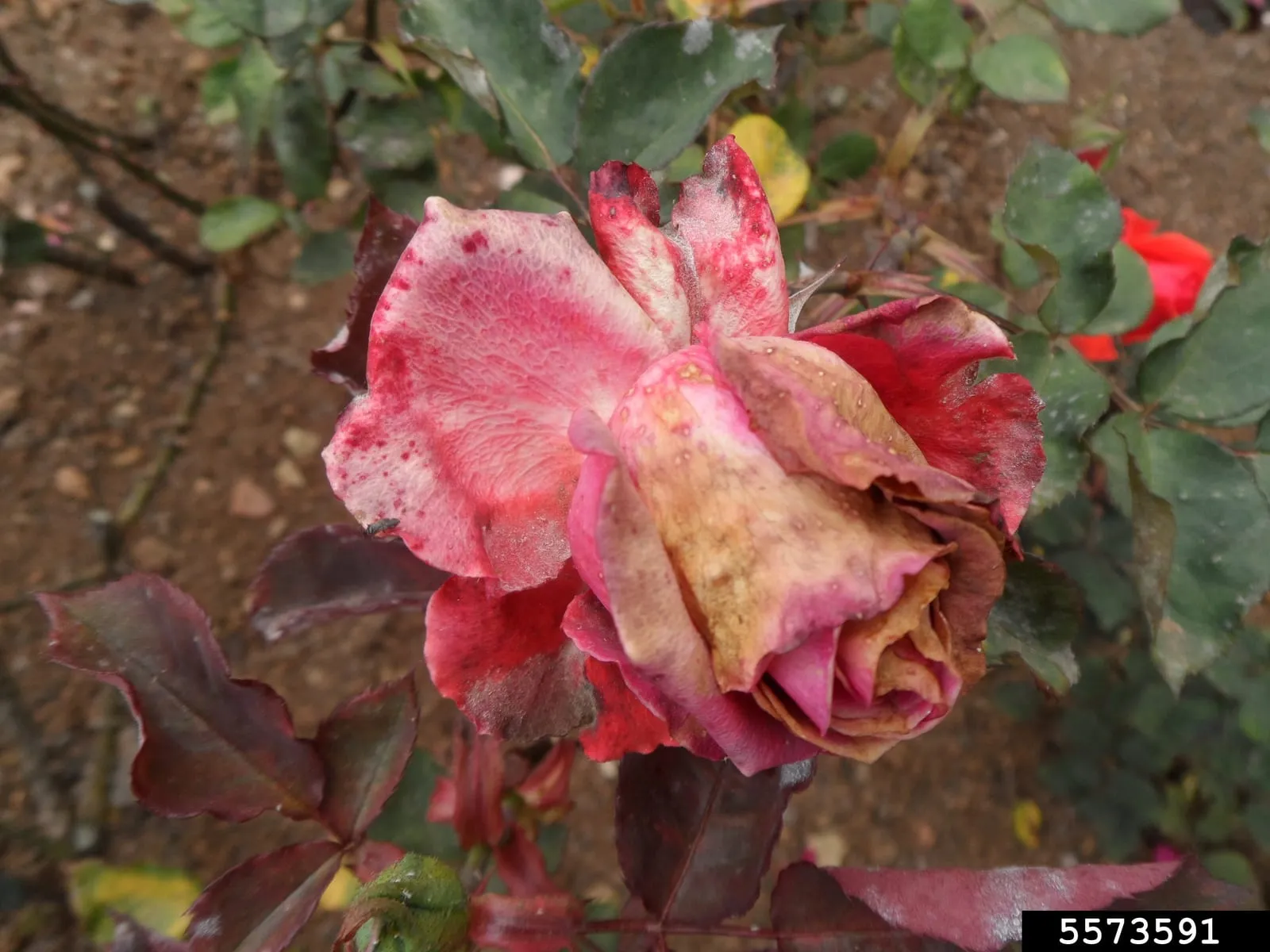
The primary management adjustment in zone 7a is aggressive pruning for canopy airflow. High summer humidity and aronia's naturally dense, multi-stemmed growth habit create interior microclimate conditions favorable to Gray Mold (Botrytis), which is the principal disease risk in this zone. Removing one-third of older canes annually, targeting the thickest interior stems, keeps light and air moving through the shrub and limits the moisture retention where Botrytis establishes.
Summer irrigation should be reserved for genuine drought periods. Consistent soil moisture maintains the humid canopy environment that fungal pathogens prefer. A 3-inch organic mulch layer applied after leaf-out conserves moisture during dry stretches without keeping roots wet through wet periods.
Winter protection measures standard in zones 4 and 5 are unnecessary for established plants in zone 7a; hard freezes sufficient to damage aronia root systems are uncommon. Cedar-apple rust and fire blight are present in zone 7a but aronia is not a primary host for either; growers planting near apples or hawthorns should monitor for incidental pressure without treating proactively.
Aronia (Black Chokeberry) in adjacent zones
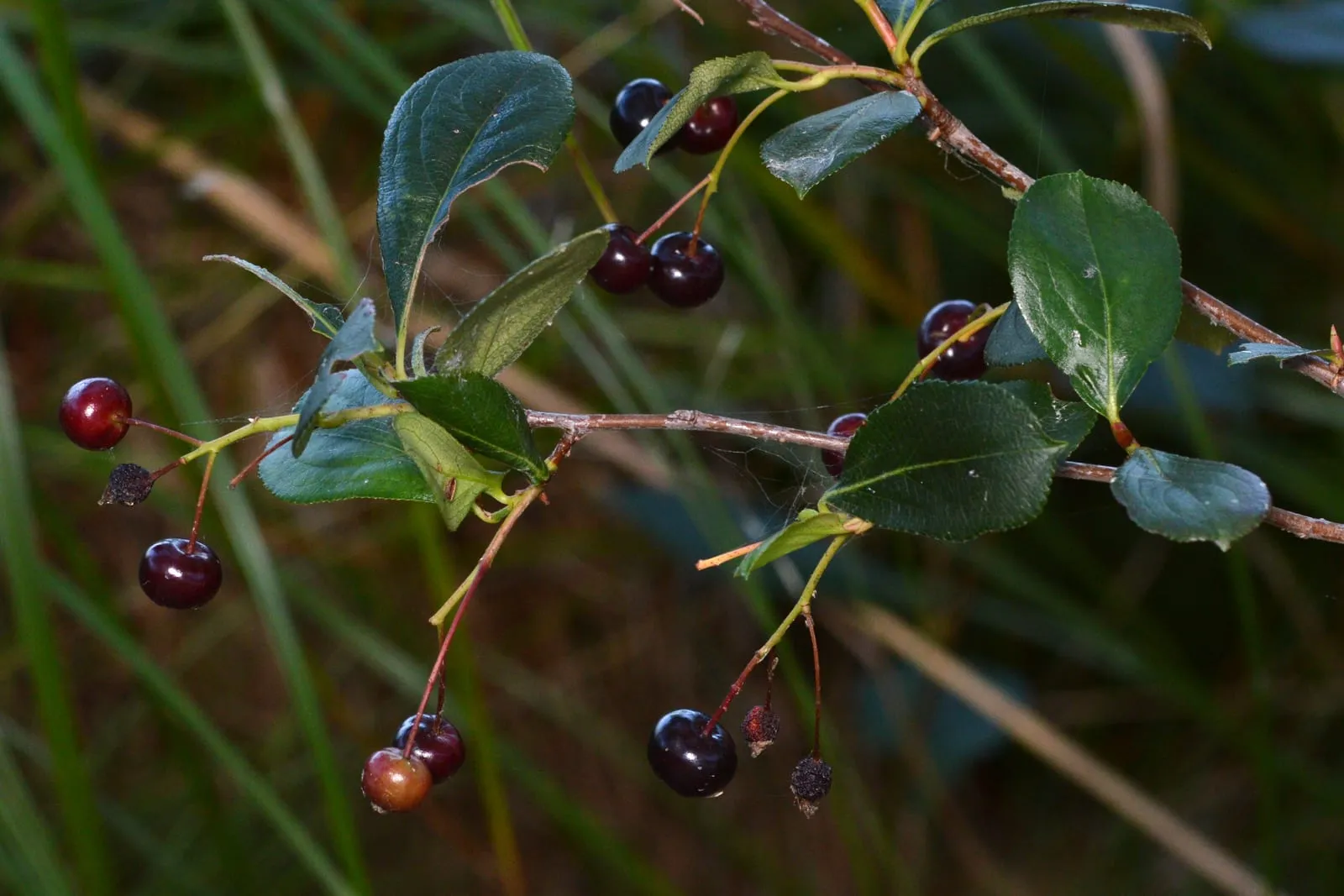
Image: "Black Chokeberry (Aronia melanocarpa) - Killarney, Ontario", by Ryan Hodnett, via Wikimedia Commons, licensed under CC-BY Source.
_-_Killarney,_Ontario.jpg)
Related