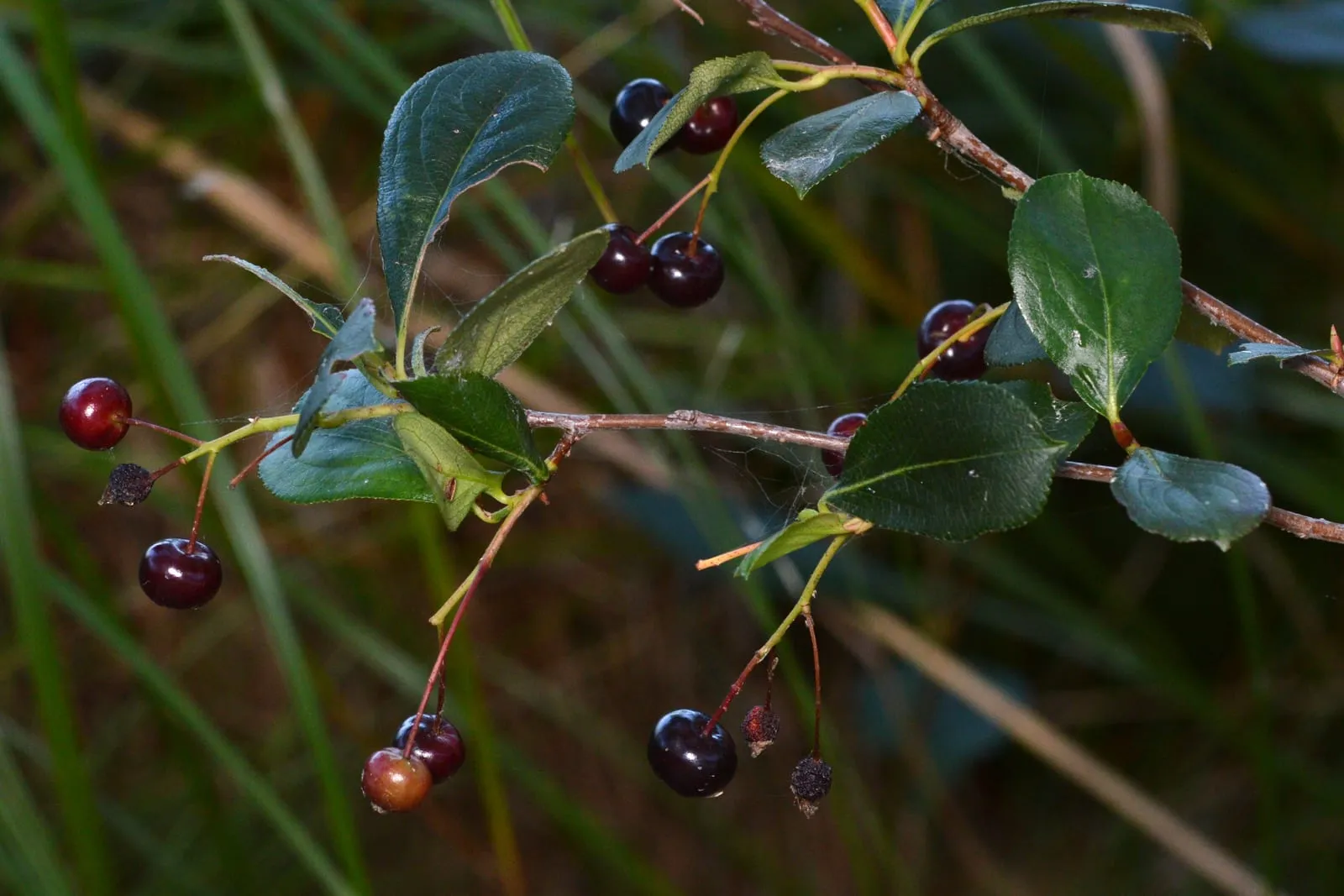
berry in zone 7b
Growing aronia (black chokeberry) in zone 7b
Aronia melanocarpa
- Zone
- 7b 5°F to 10°F
- Growing season
- 220 days
- Suitable varieties
- 0
- Days to harvest
- 90 to 120
The verdict
Aronia melanocarpa is native to eastern North America and hardy through zone 3, which puts zone 7b near the warm edge of its natural range. Winter minimums of 5 to 10°F are well above the crop's cold-tolerance threshold, so winter injury is not a concern. The more relevant question is whether zone 7b accumulates sufficient chill hours. Aronia's chilling requirements are modest compared to most fruit crops, and zone 7b typically satisfies them in most winters, though an unusually warm winter with few extended cold periods can narrow that margin.
The 220-day growing season is considerably longer than aronia needs to complete a crop, and the added summer heat accelerates fruit development. Growers who expect the flavor profile documented in northern production literature may find zone 7b fruit somewhat less astringent, as prolonged heat tends to reduce the tannin intensity that makes aronia distinctive in culinary and nutraceutical contexts. Zone 7b is workable for aronia, but not a sweet spot. It is a marginal warm edge, and variety selection and site choice matter more here than in cooler zones.
Critical timing for zone 7b
Aronia blooms in late April to early May in zone 7b, typically after the primary frost window has closed. Average last spring frost for the zone falls in late March to early April, so the bloom period usually clears frost with a reasonable buffer. The risk to watch for is a late frost following an early warm stretch that advances flowering by a week or two, a pattern that occurs occasionally in the piedmont.
Fruit ripens in late August through mid-September in zone 7b, two to three weeks earlier than in northern production benchmarks at zone 5. The long, warm summer pushes maturity forward noticeably. Harvest timing is better confirmed by taste and seed color (seeds should be dark brown to black) than by calendar date, since sugar accumulation can outpace full flavor development under high heat.
Common challenges in zone 7b
- ▸ Cedar-apple rust pressure heavy in piedmont
- ▸ Japanese beetles
- ▸ Brown marmorated stink bug
- ▸ Late summer disease pressure
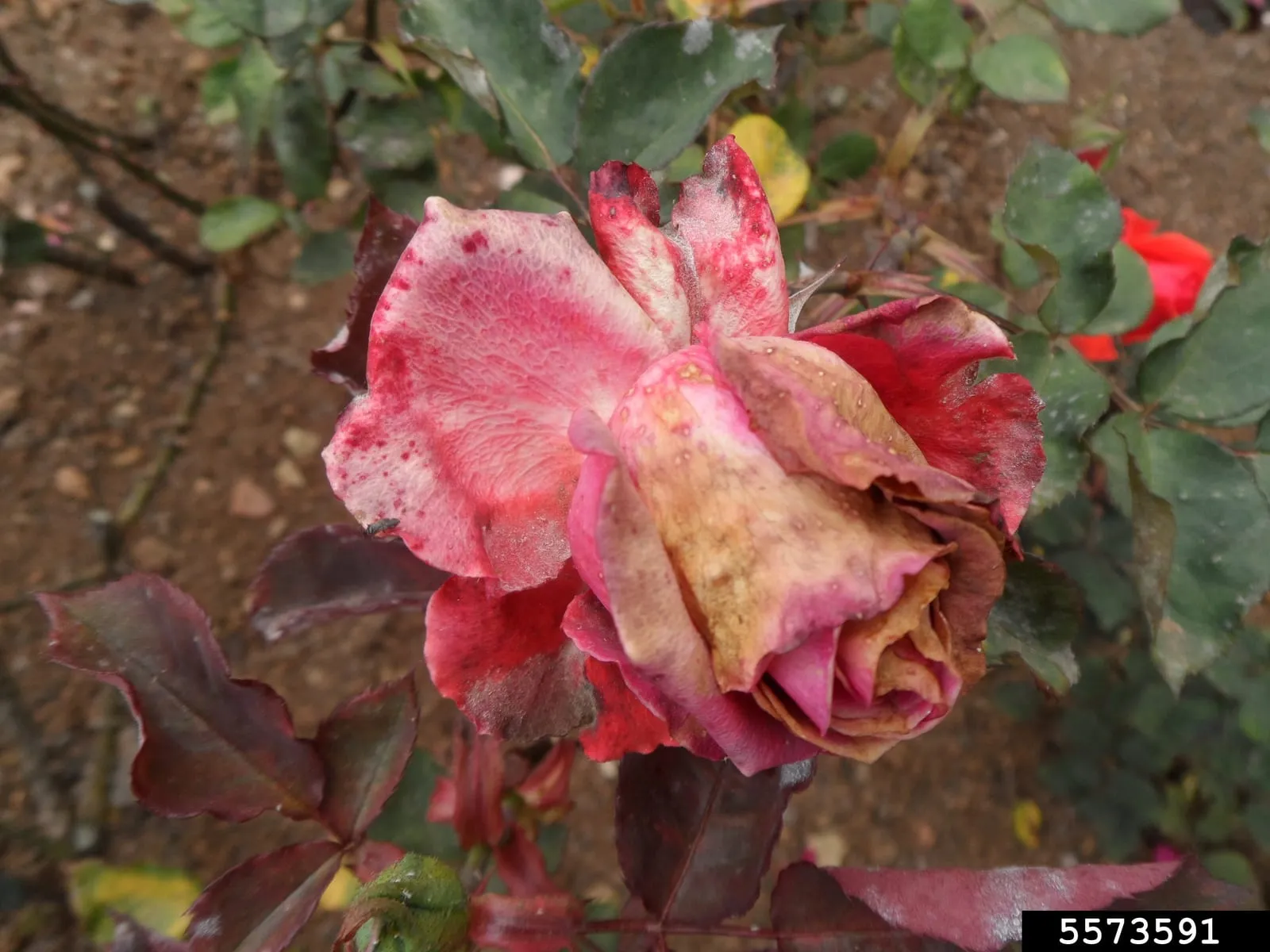
Disease pressure to watch for
Modified care for zone 7b
Pest pressure is the primary zone 7b adjustment. Japanese beetle populations are heavy in most of the piedmont from late June through August and will defoliate aronia if left unmanaged. Physical removal in the early morning is effective on small plantings; larger plantings may require targeted intervention timed to adult emergence. Brown marmorated stink bug is also significant in zone 7b and can damage fruit in the weeks before harvest.
Gray mold (Botrytis cinerea) is the main fungal threat. Warm nights and high summer humidity in zone 7b create favorable infection conditions as the fruit cluster fills out. Maintaining open shrub architecture through annual thinning cuts improves airflow and reduces incidence. Avoid overhead irrigation, and mulch the root zone to limit soil splash. Cedar-apple rust, while heavy in the piedmont on susceptible rosaceous hosts, does not significantly affect aronia. No winter protection is needed in zone 7b; the shrubs are significantly hardier than the zone demands.
Frequently asked questions
- Is zone 7b too warm for aronia?
Aronia survives and produces in zone 7b, but it is near the warm limit of the crop's natural range. Chill-hour accumulation is usually adequate, though warm winters can reduce it. Fruit quality, particularly the astringency characteristic of aronia, tends to be less pronounced in hot summers than in cooler northern zones.
- When does aronia fruit ripen in zone 7b?
In zone 7b, aronia typically ripens in late August through mid-September, two to three weeks earlier than in zone 5 production regions. The extended warm season accelerates fruit development. Harvest by taste and seed color rather than fixed date.
- What pests cause the most damage to aronia in zone 7b?
Japanese beetles and brown marmorated stink bugs are the primary pests of concern. Japanese beetles feed heavily on foliage from late June through August. Stink bugs target developing fruit in late summer before harvest.
- Does aronia need winter protection in zone 7b?
No. Aronia melanocarpa is cold-hardy well below zone 7b minimum temperatures. Winter injury is not a realistic risk in zone 7b, and no mulching, wrapping, or wind protection is needed for the shrub itself.
+−
+−
+−
+−
Aronia (Black Chokeberry) in adjacent zones
Image: "Black Chokeberry (Aronia melanocarpa) - Killarney, Ontario", by Ryan Hodnett, via Wikimedia Commons, licensed under CC-BY Source.
_-_Killarney,_Ontario.jpg)
Related