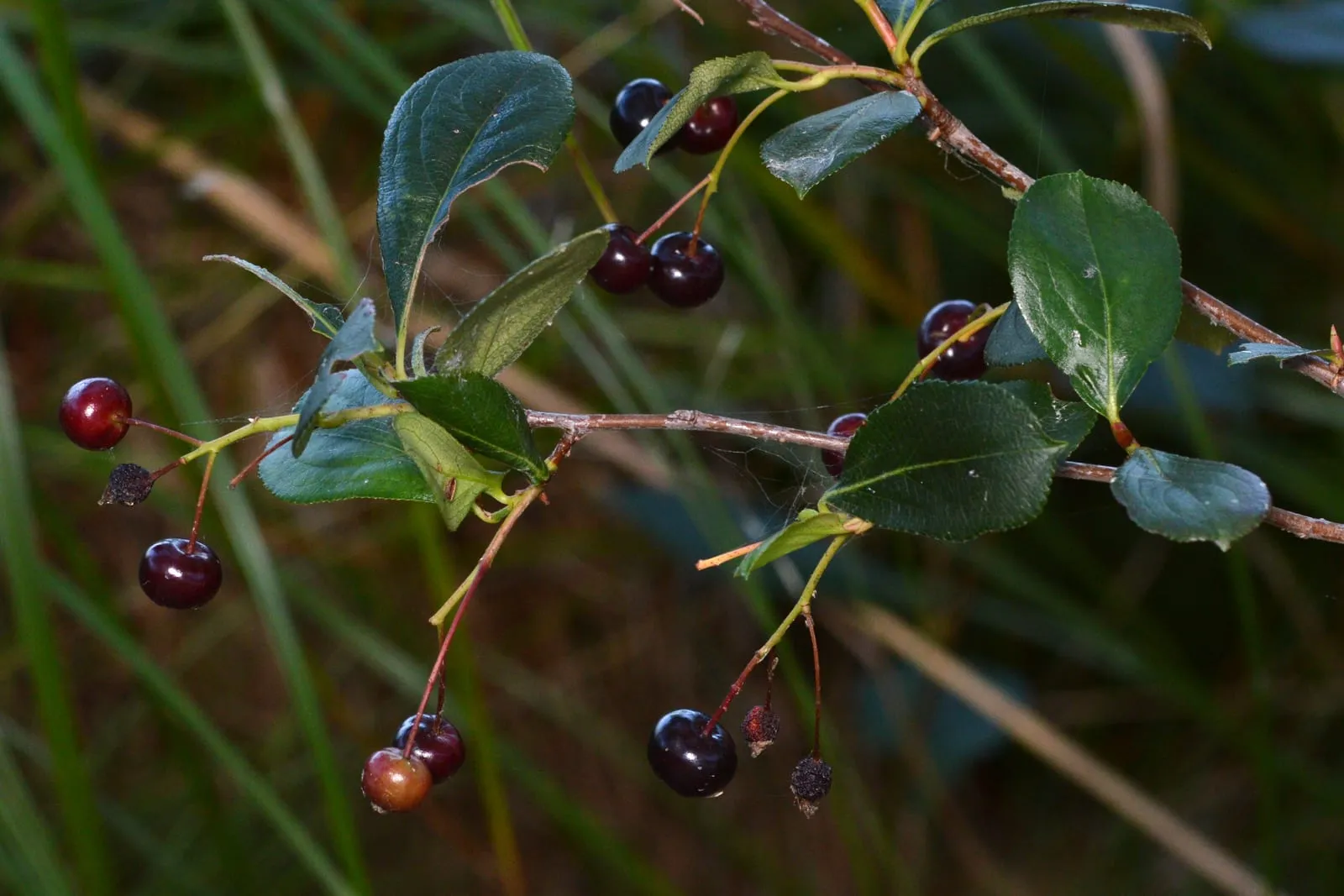
berry in zone 8a
Growing aronia (black chokeberry) in zone 8a
Aronia melanocarpa
- Zone
- 8a 10°F to 15°F
- Growing season
- 240 days
- Suitable varieties
- 0
- Days to harvest
- 90 to 120
The verdict
Aronia melanocarpa is rated hardy through zone 8, placing zone 8a at the warm edge of its reliable range. The crop's chill-hour requirement sits in the 400 to 700 hour range, depending on cultivar, and zone 8a accumulates roughly 400 to 600 hours in a typical winter. That overlap is narrow. In mild winters, chill accumulation can fall short of 400 hours, resulting in delayed, uneven budbreak and reduced fruit set the following season.
The warm end of zone 8a, particularly in low-elevation sites in the Deep South or the Gulf Coast fringe, carries real risk of chronic underchill. The cooler, northern reaches of zone 8a, and sites with some elevation gain, fare considerably better. Growers in those positions will see more consistent performance than growers in flatter, warmer microclimates.
Aronia is not a sweet spot crop in zone 8a. It can be grown, but site selection and cultivar choice matter more here than in zones 5 through 7, where the plant is unambiguously at home.
Critical timing for zone 8a
In zone 8a, aronia typically opens bloom in late March to early April, several weeks earlier than in its northern native range. The zone's last frost date generally falls between mid-February and mid-March, so bloom timing intersects with a narrowing but real frost window. A late freeze after buds have broken can damage flowers and eliminate that season's crop.
Fruit develops through the long 240-day growing season and ripens in late August through September, roughly two to three weeks earlier than in zone 6 plantings. Heat during fruit development tends to reduce berry size and can compress the harvest window. Growers should monitor clusters closely from mid-August onward, since overripe aronia drops quickly and loses the astringency that makes the fruit useful for processing.
Common challenges in zone 8a
- ▸ Insufficient chill hours for some apple varieties
- ▸ Pierce's disease in grapes
- ▸ Heat stress on cool-season crops
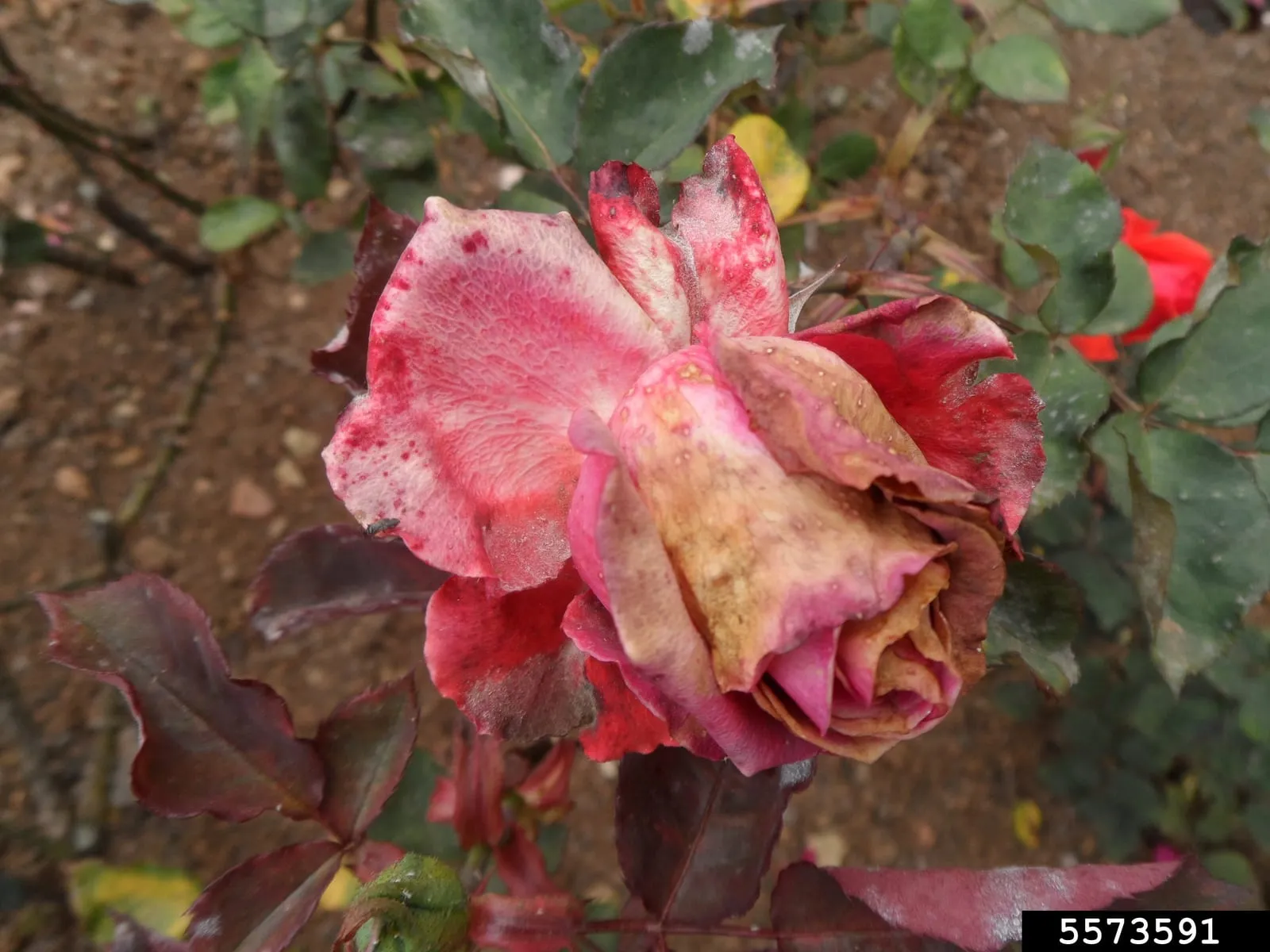
Disease pressure to watch for
Modified care for zone 8a
The primary adjustment in zone 8a is managing heat and moisture stress through summer. Aronia tolerates drought once established, but prolonged heat above 90°F during fruit fill stresses the plant and reduces berry weight. Supplemental irrigation during dry stretches from June through August is worth considering, particularly in the first three years.
Gray mold (Botrytis cinerea) poses a greater threat in zone 8a than in cooler zones because warm, humid summers extend the infection window. Improving air circulation through selective pruning and avoiding overhead irrigation where possible reduces pressure. Remove any mummified fruit promptly; it serves as overwintering inoculum.
Site selection should prioritize afternoon shade where possible. A north-facing slope or a position shaded by a taller windbreak from the southwest reduces heat load without sacrificing the full sun aronia needs for good fruit production in the morning hours.
Frequently asked questions
- Can aronia survive zone 8a winters?
Yes. Aronia is cold-hardy well below zone 8a minimums, so winter cold is not the concern. The issue is warm winters: insufficient chill hours lead to erratic spring leafout and poor fruit set. The cold hardiness is there; the chill accumulation is what growers need to monitor.
- Which aronia cultivars perform best in zone 8a?
The input data for this page does not include cultivar-level chill-hour ratings for zone 8a conditions. University extension programs in zone 8 states have begun evaluating low-chill selections; checking with your local extension office for current trial results is the most reliable route.
- When should aronia be harvested in zone 8a?
Expect ripe fruit from late August through mid-September. Taste is the best guide: fully ripe aronia is deeply astringent but should not taste fermented or mealy. In zone 8a heat, berries can go from ripe to overripe in under a week, so check clusters frequently once color sets.
- How does gray mold affect aronia in warm zones?
Gray mold (Botrytis cinerea) infects flowers and developing fruit during wet, humid periods. In zone 8a, the longer warm season extends the period when conditions favor infection. Pruning for airflow and avoiding overhead watering are the primary cultural controls; no fungicide is routinely necessary in well-managed plantings.
+−
+−
+−
+−
Aronia (Black Chokeberry) in adjacent zones
Image: "Black Chokeberry (Aronia melanocarpa) - Killarney, Ontario", by Ryan Hodnett, via Wikimedia Commons, licensed under CC-BY Source.
_-_Killarney,_Ontario.jpg)
Related