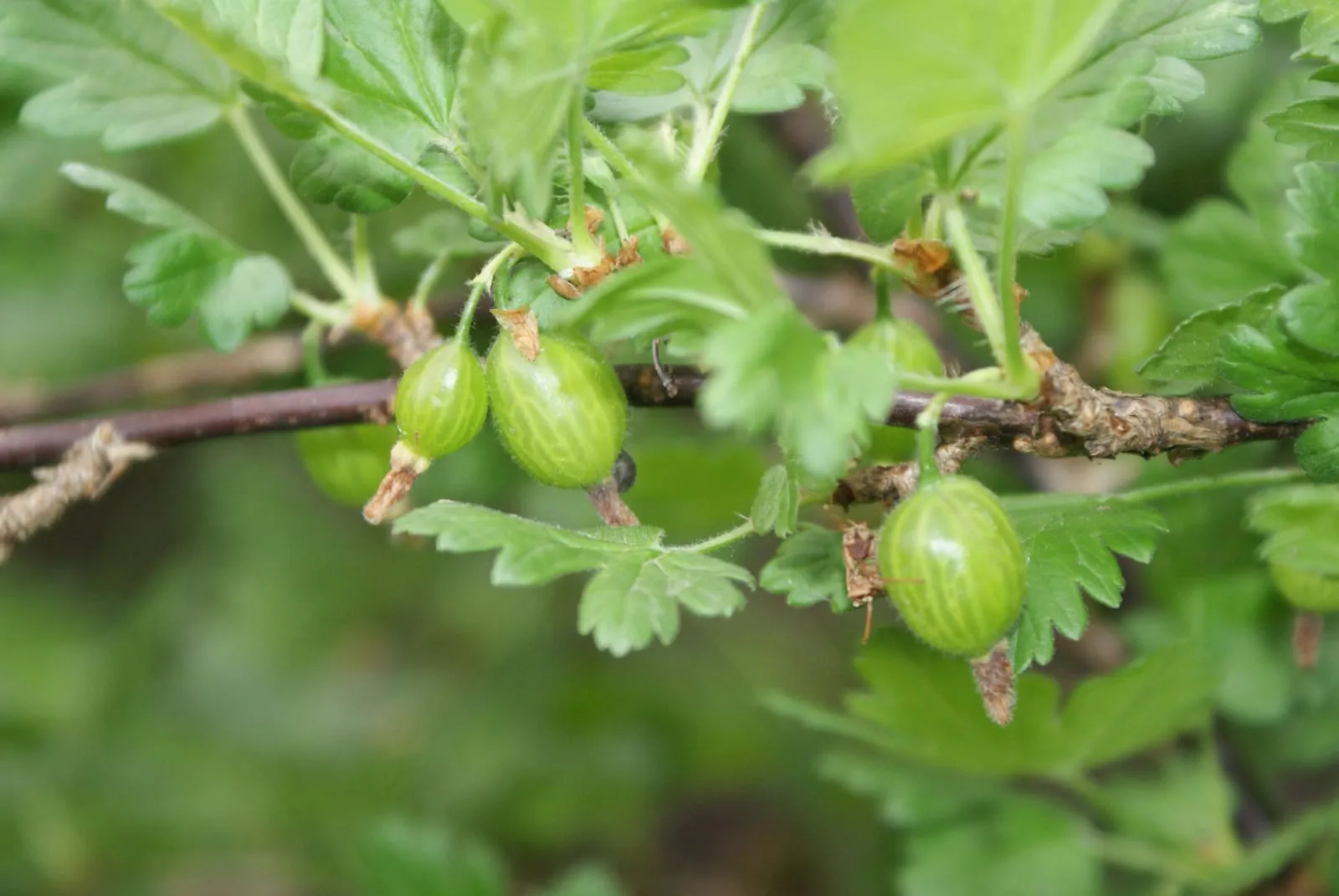
berry
Gooseberry
Ribes uva-crispa
USDA hardiness range
- Zones
- 3a–7b
- Chill hours
- 800 to 1200 below 45°F
- Days to harvest
- 80 to 100
- Sun
- Partial
- Water
- Moderate
- Lifespan
- 15 to 20 years
Growing gooseberry
Gooseberry (Ribes uva-crispa) occupies a narrow but reliable niche in the home orchard: it tolerates deep cold (zones 3a through 7b), produces consistently where many fruits struggle, and rewards patient growers with berries that rarely appear in supermarkets. The crop requires 800 to 1,200 chill hours, making it a natural fit for northern and mountain climates. At the warm edge of its range (zones 7a and 7b), insufficient winter cold becomes a limiting factor in some years, and berry set can be inconsistent.
Where gooseberry tends to fail is not in the cold but in the heat. Plants grown in hot, poorly ventilated sites are far more susceptible to berry powdery mildew, the most damaging fungal disease in the genus. Consistent air circulation and partial shade during peak afternoon heat improve both plant health and fruit quality in warmer zones.
A productive planting typically hinges on three elements: a mildew-resistant variety matched to local conditions, a site with morning sun and some afternoon relief, and a pruning regimen that keeps the canopy open. Neglected bushes become dense enough to trap moisture and harbor disease within two or three seasons. Plants live 15 to 20 years, so variety selection and site preparation at planting carry long-term consequences. Cornell Currant and Gooseberry provides variety trial data relevant to northeastern and north-central conditions.
Recommended varieties
See all 4 →4 cultivars for home growers, with notes on flavor, ripening, and disease resistance.
| Variety | Notes | Zone fit | Disease resistance |
|---|---|---|---|
| Hinnonmaki Red | Sweet-tart, complex flavor when fully ripe; fresh dessert, jam, pies. Dark red berries, classic European flavor, productive Finnish variety. Mildew-resistant. | |
|
| Invicta | Tart, large pale-green berries with rich flavor; jam, pies, dessert. The British commercial standard, very productive, mildew-resistant. Heavily thorned. | |
|
| Pixwell | Tart, mild, light green-pink berries; jam, pies. American variety with thornless lower canes for easier harvest. Cold-hardy and productive. | | none noted |
| Captivator | Sweet-tart, large pink-red dessert berries; fresh eating, jam. Nearly thornless Canadian variety, mildew-resistant, the home-garden favorite. | |
|
Soil and site requirements
Gooseberry performs best in slightly acidic to neutral soil (pH 6.0 to 6.5) with reliable drainage. It tolerates clay better than many small fruits, but sustained waterlogging encourages root rot and weakens plants over time. If the site drains slowly, raised beds or berm planting improves long-term survival.
Partial sun is the preferred exposure. Full sun is workable in cool climates (zones 3 through 5) but becomes a liability in warmer zones, where afternoon shade reduces heat stress and limits powdery mildew pressure. An east-facing slope or a site with light afternoon shade from a structure or taller plantings is often the best compromise.
Space plants 5 to 6 feet apart within rows, with rows at least 8 feet apart to allow air movement and equipment access. Crowded plantings carry consistently higher fungal disease risk. A north-facing microclimate can delay bloom by a week or more in early spring, which is useful in zones 5 through 7 where late frost events occasionally damage open flowers. RHS Gooseberry Cultivation notes that gooseberry flowers can tolerate temperatures down to approximately 28°F (-2°C) but unprotected clusters are vulnerable at lower readings.
Common diseases
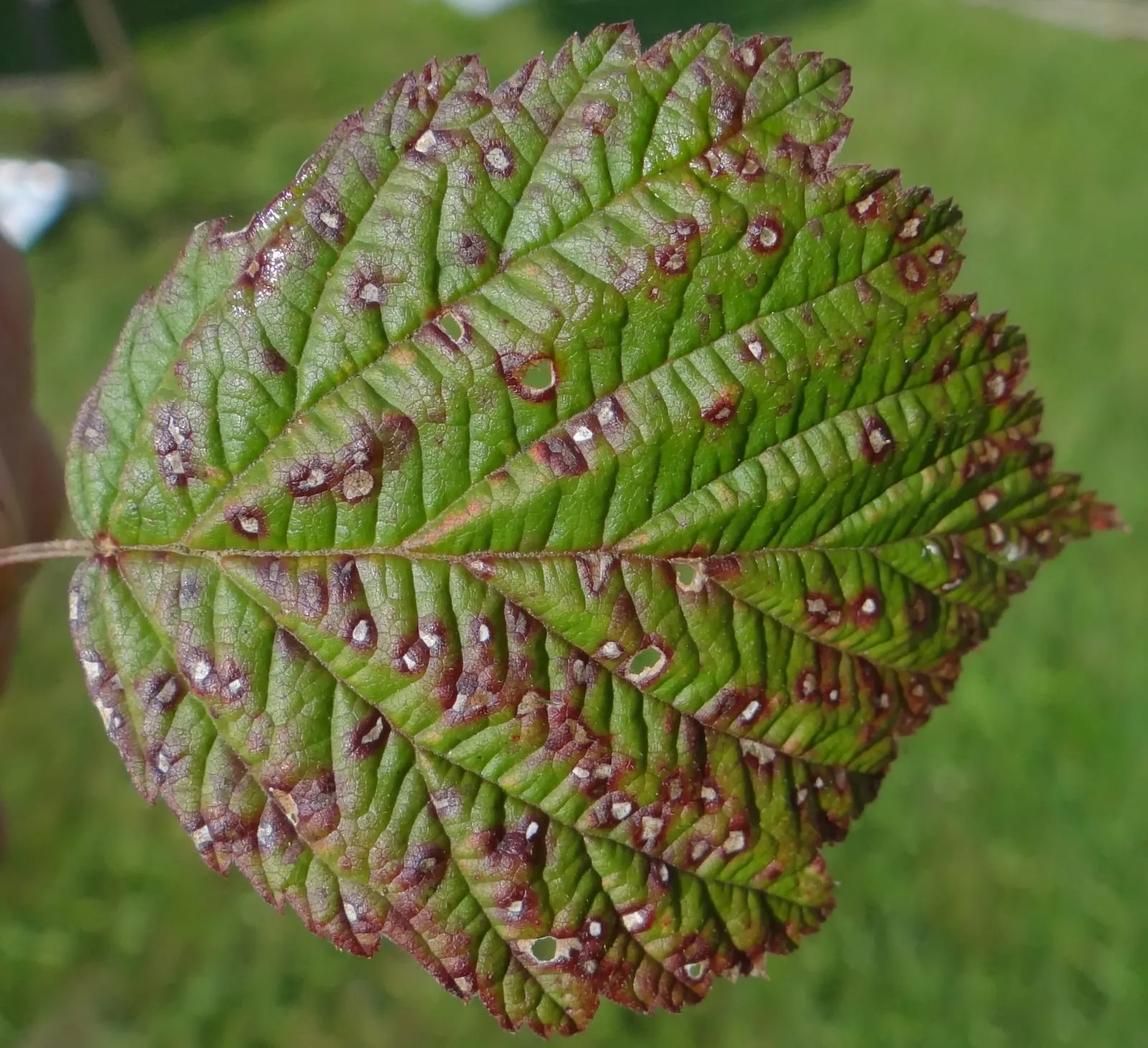
Elsinoe veneta
Fungal cane disease causing purple-bordered lesions that girdle and weaken bramble and Ribes canes, reducing yield over consecutive seasons.
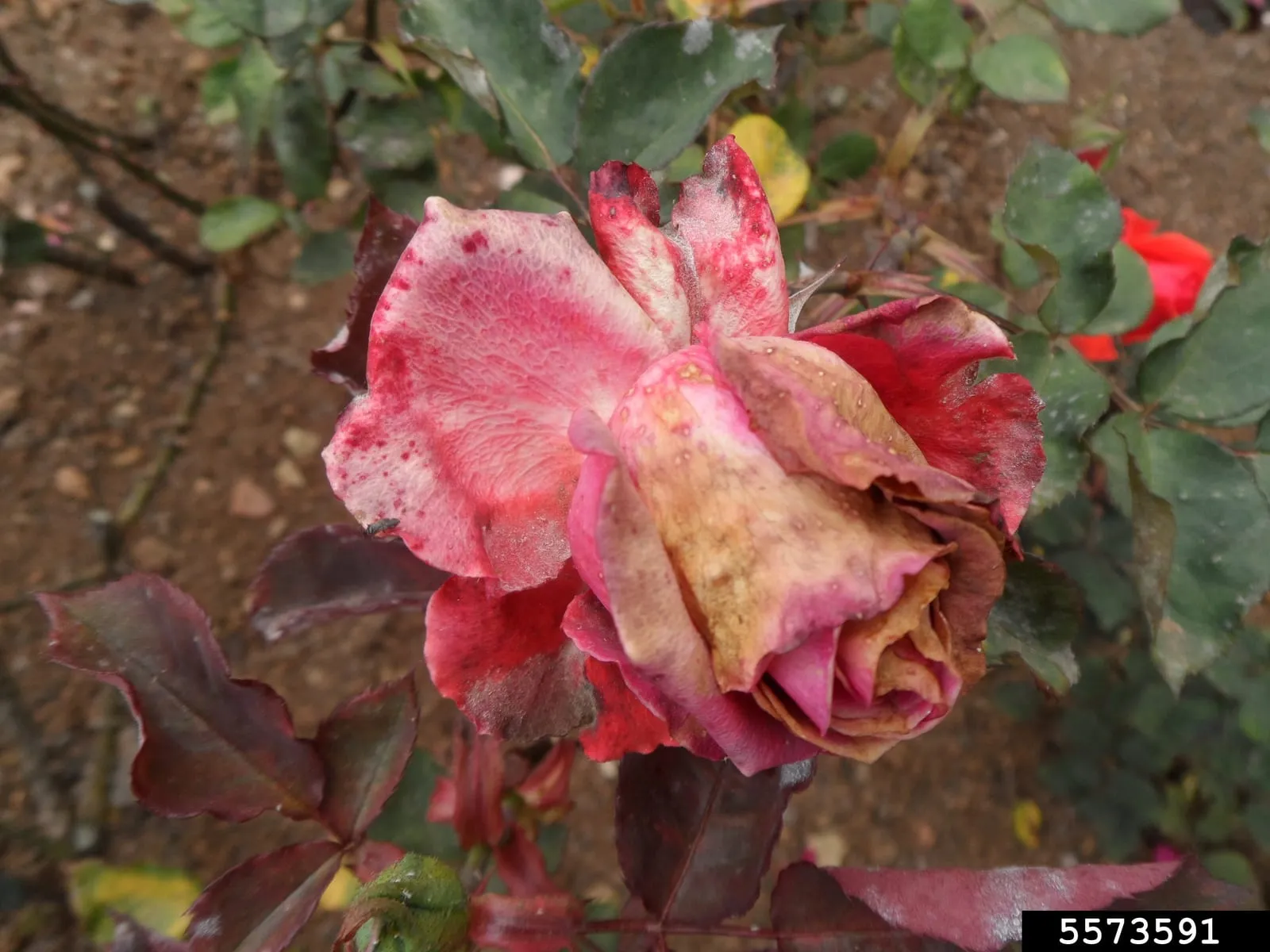
Botrytis cinerea
Ubiquitous fungal disease that causes fruit rot during cool wet weather, often the dominant berry disease in humid regions.
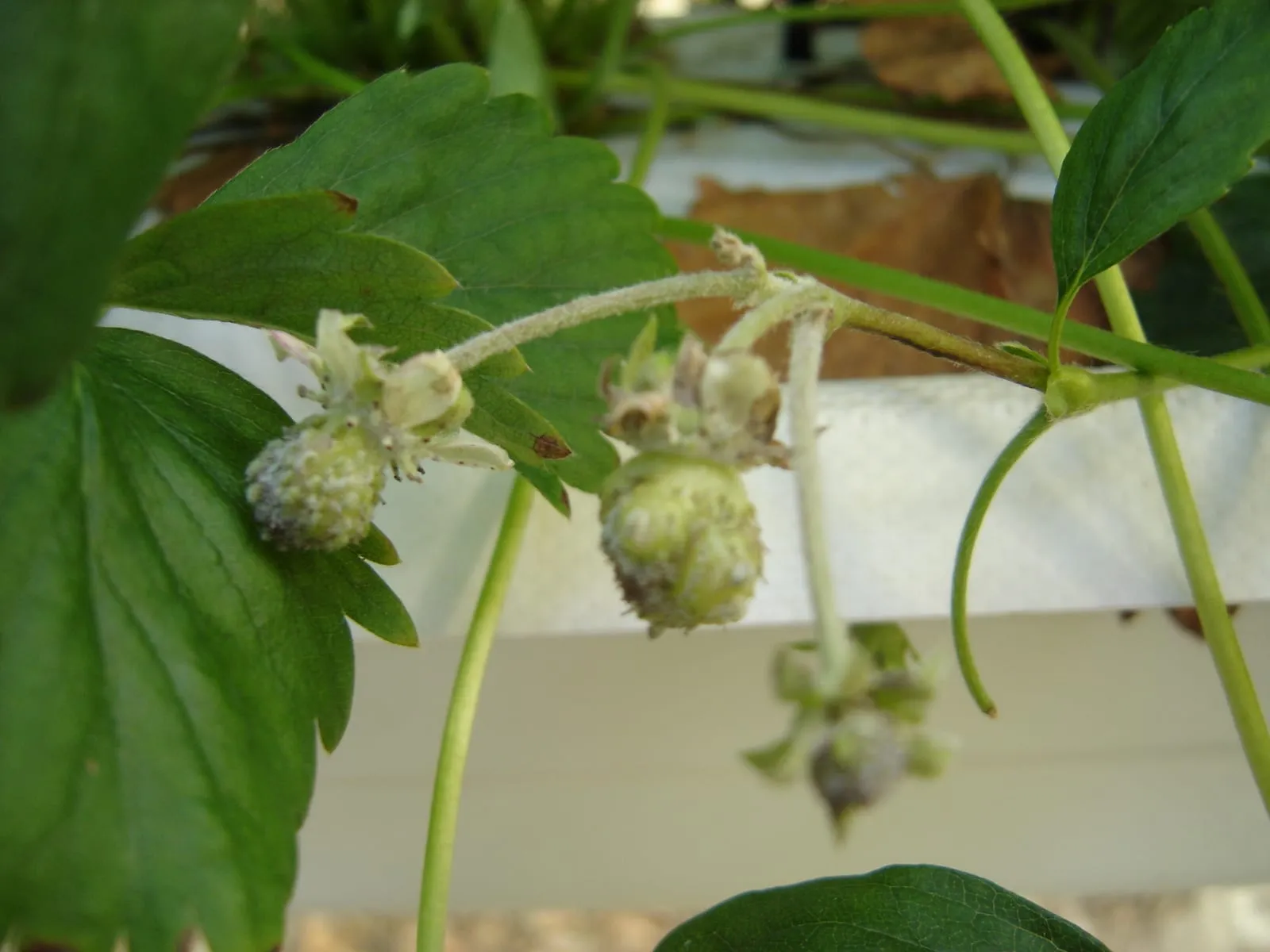
Podosphaera and Sphaerotheca species
Surface-feeding fungal disease producing white powdery growth on leaves and fruit, particularly damaging on gooseberries.
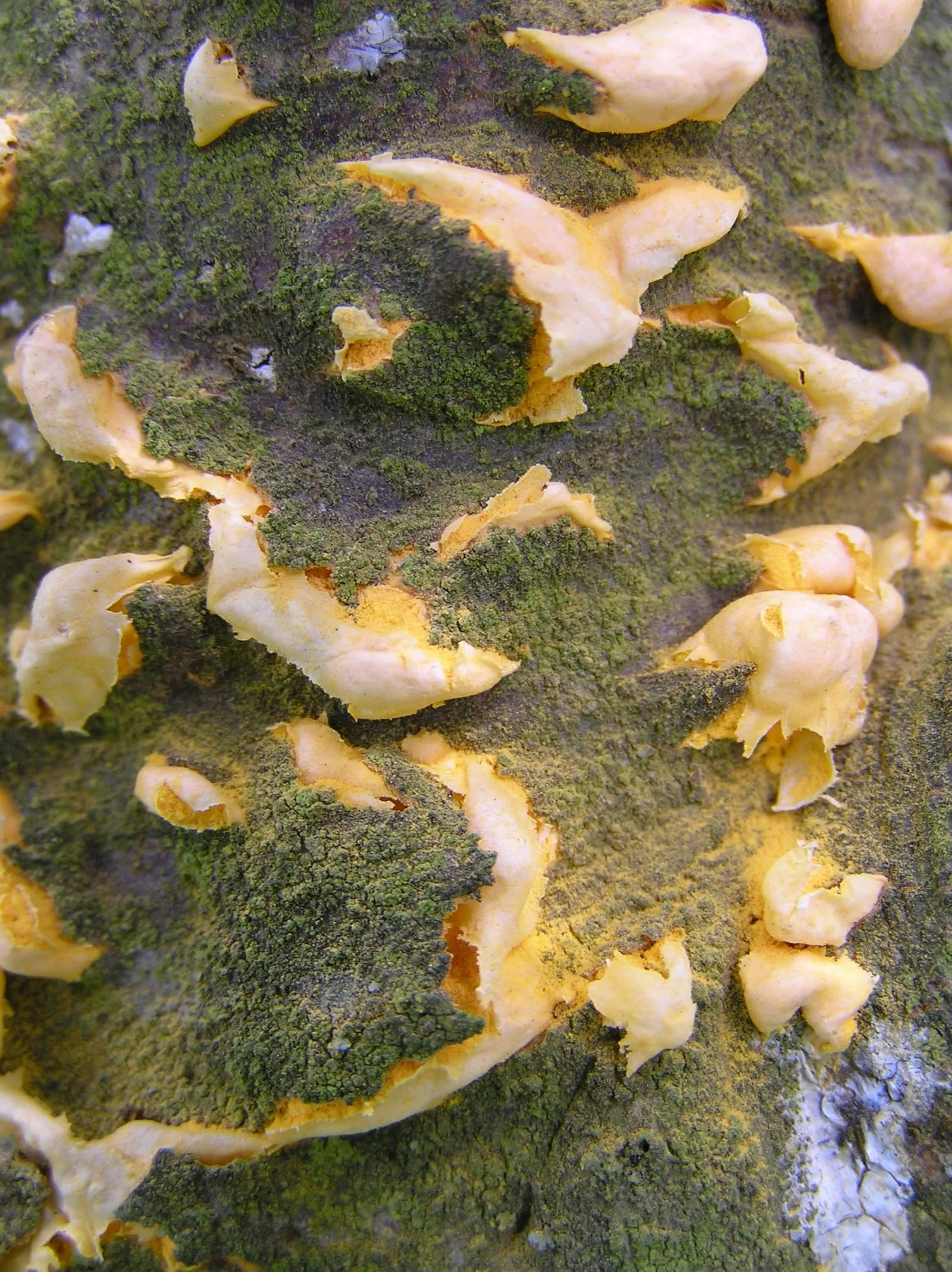
Cronartium ribicola
Two-host rust requiring both Ribes (currants and gooseberries) and white pines. Historically led to Ribes-planting bans in much of the US; some states still restrict black currant cultivation.
Common pests
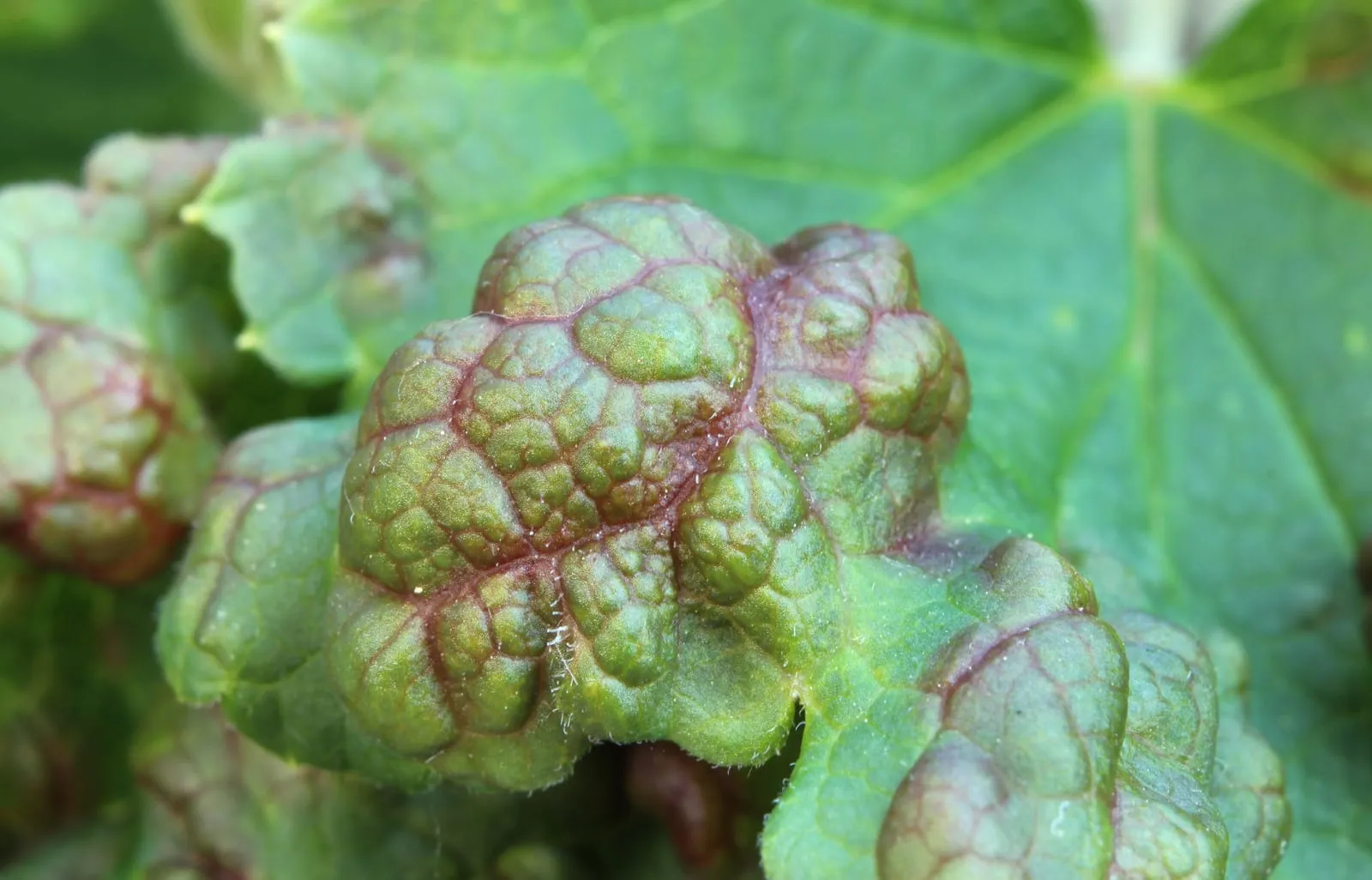
Cryptomyzus ribis
Sap-feeding aphid that causes characteristic red blistering on currant and gooseberry leaves in spring.
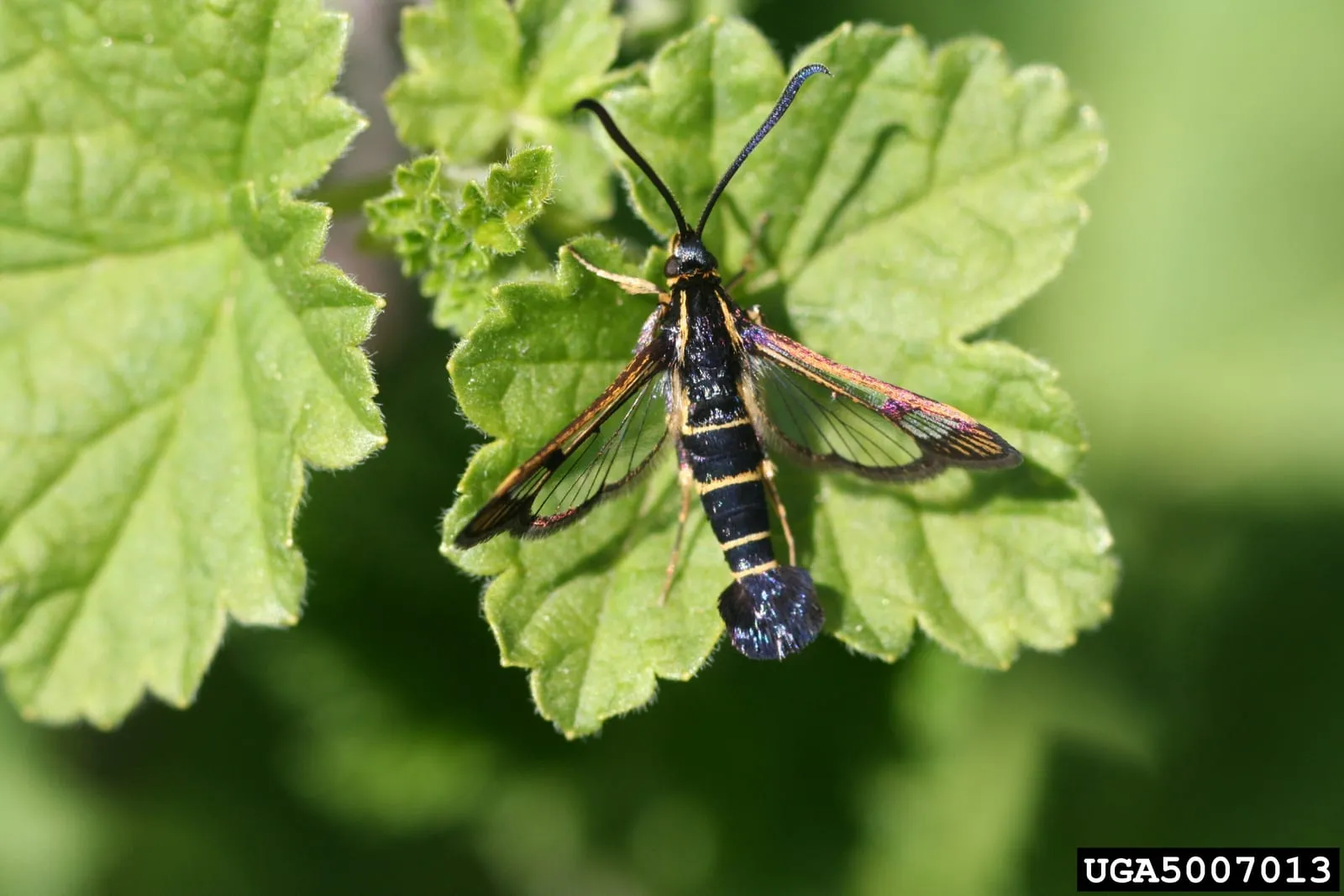
Synanthedon tipuliformis
Clearwing moth whose larvae tunnel inside currant and gooseberry canes, hollowing them out.
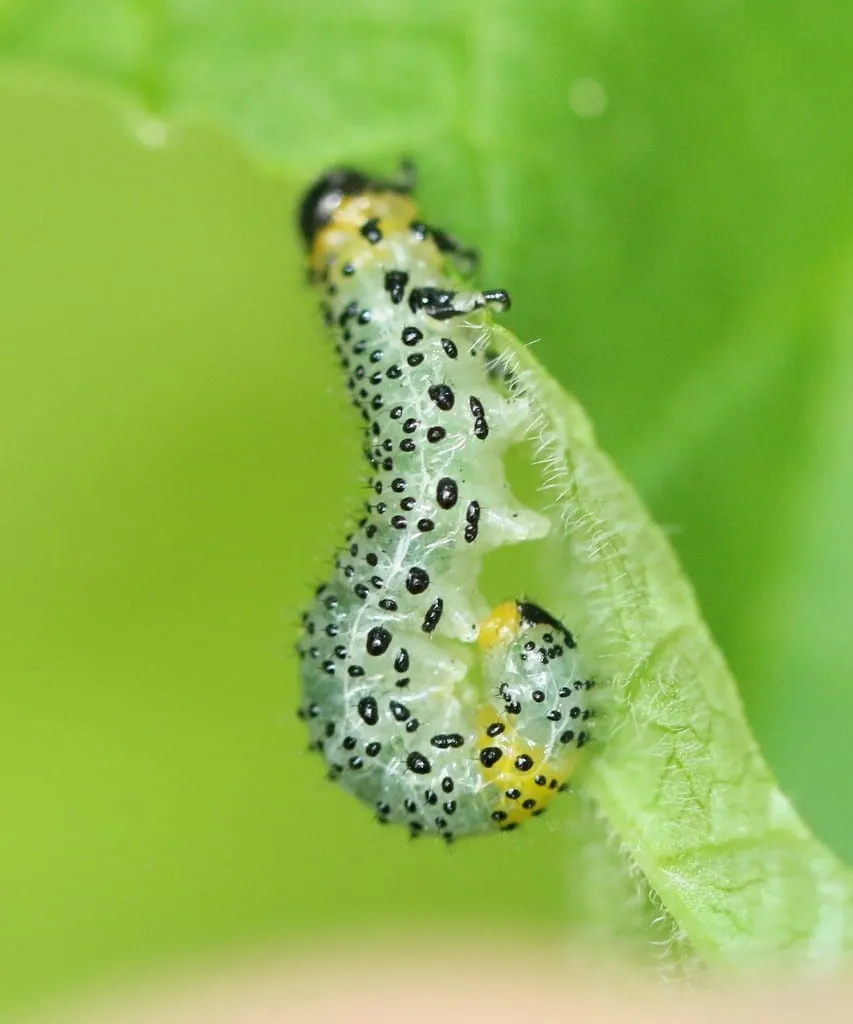
Nematus ribesii
Sawfly whose larvae can rapidly defoliate currant and gooseberry bushes, working from the inside of the bush outward.
Multiple species
Robins, catbirds, mockingbirds, starlings, cedar waxwings and other songbirds can strip ripening berry and fruit crops in days. Crows and blackbirds also damage fresh sweet corn ears in milk stage. The single biggest yield-loss factor in unprotected home plantings.
Common challenges
Berry powdery mildew is the primary disease threat. It overwinters on infected cane tissue and spreads rapidly in humid, low-airflow conditions. Susceptible varieties can lose most of their crop to infected, shrunken berries; mildew-resistant selections such as Hinnonmaki Red and Invicta substantially reduce this risk, though they do not eliminate it entirely. Cultural controls include maintaining an open vase canopy through annual pruning and removing infected tissue during dormant-season cuts.
The second consistent failure mode is inadequate chill-hour accumulation at the warm edge of the crop's range. Gooseberry needs 800 to 1,200 chill hours (temperatures between 32°F and 45°F during winter), and plants in zones 7a and 7b may not reliably meet even the lower threshold during mild winters. Siting on a north-facing slope or in a gentle frost pocket can increase winter chill accumulation enough to improve bloom consistency in these zones.
Imported currantworm and currant borer are the most damaging insect pests. Currantworm larvae can defoliate entire bushes rapidly in late spring if populations build unchecked; scouting for egg masses along leaf veins from bud break onward is the most practical early warning. Currant borer damage appears as wilting canes with hollow interiors. Affected canes should be removed and destroyed promptly to slow population buildup.
Companion plants
Frequently asked questions
- How many chill hours does gooseberry require?
Gooseberry needs 800 to 1,200 chill hours annually (hours with temperatures between 32°F and 45°F during winter dormancy). Plants at the lower end of this range may succeed in zones 7a and 7b, but in mild winters, inconsistent berry set is possible.
- What USDA hardiness zones can grow gooseberry?
Gooseberry is reliably productive in zones 3a through 7b. It handles deep cold well but struggles where summer heat is prolonged. Chill-hour shortfalls become the limiting factor at the warm end of its range, particularly in zone 7b during mild winters.
- Does gooseberry need a second plant for pollination?
Most gooseberry varieties are self-fertile and will produce fruit without a second plant. Planting two or more varieties in proximity can improve yield modestly, but a single well-sited bush is capable of producing a usable crop on its own.
- How long does it take for gooseberries to ripen after bloom?
Gooseberries typically ripen 80 to 100 days after bloom. Green-stage berries are suitable for jam and cooking from around 80 days. Dessert-quality sweetness develops closer to full ripeness, when berries reach their mature color and soften slightly.
- What is the most common disease problem in gooseberry?
Berry powdery mildew is the most widespread disease, infecting berries and cane tips with a white powdery coating that stunts fruit development. Mildew-resistant varieties combined with open pruning that maximizes air circulation are the most effective preventive measures.
- How long do gooseberry plants remain productive?
With annual pruning and reasonable site management, gooseberry plants typically remain productive for 15 to 20 years. Neglected bushes decline faster as dense canopies increase disease pressure and reduce light penetration to fruiting wood.
- Is gooseberry legal to grow everywhere in the United States?
Not everywhere. Gooseberry (along with currants) is a host for white pine blister rust, and some states historically restricted or banned Ribes cultivation to protect white pine timber. Regulations vary by state and have changed over time; check with your local cooperative extension office before planting.
+−
+−
+−
+−
+−
+−
+−
Sources
Image: "Ribes uva-crispa in Minsk", by Хомелка, via Wikimedia Commons, licensed under CC-BY. Source.

Gooseberry by zone
Related