berry in zone 7b
Growing gooseberry in zone 7b
Ribes uva-crispa
- Zone
- 7b 5°F to 10°F
- Growing season
- 220 days
- Chill needed
- 800 to 1200 below 45°F
- Suitable varieties
- 0
- Days to harvest
- 80 to 100
The verdict
Zone 7b sits at the warm edge of the gooseberry's reliable range. The crop's chill-hour requirement of 800 to 1200 hours conflicts with what most zone 7b locations deliver: piedmont and coastal-plain sites typically accumulate 700 to 950 hours below 45°F in a normal winter, satisfying the lower bound most years but rarely approaching the upper end. Mountain-adjacent corners of zone 7b fare better and can meet the full requirement consistently.
Minimum winter temperatures of 5 to 10°F are cold enough to complete dormancy without damaging established canes. The more persistent challenge is summer heat. Gooseberries evolved in cool, moist climates, and zone 7b's 220-day growing season delivers extended heat and humidity that stresses plants and promotes several of the diseases common to this zone. Success is achievable, particularly with afternoon-shade siting and attentive disease management, but growers should expect more work than counterparts in zones 5 or 6.
Critical timing for zone 7b
Gooseberries break dormancy and bloom early, typically late February to mid-March in zone 7b. That timing creates real exposure to late frosts, which occur regularly through early April across much of the zone. A hard freeze during open bloom can eliminate the entire crop for the season; low-lying frost pockets and north-facing depressions are poor siting choices for this reason.
Fruit matures quickly once set. Most varieties ripen late May through June in zone 7b, well ahead of the worst summer heat. Harvest is generally complete before late June. The compressed window between bloom and harvest means a single weather event, whether a late frost or an early heat spike in May, can have an outsized effect on yield. Monitoring forecasts through the bloom and fruit-set period is worth the attention.
Common challenges in zone 7b
- ▸ Cedar-apple rust pressure heavy in piedmont
- ▸ Japanese beetles
- ▸ Brown marmorated stink bug
- ▸ Late summer disease pressure
Disease pressure to watch for
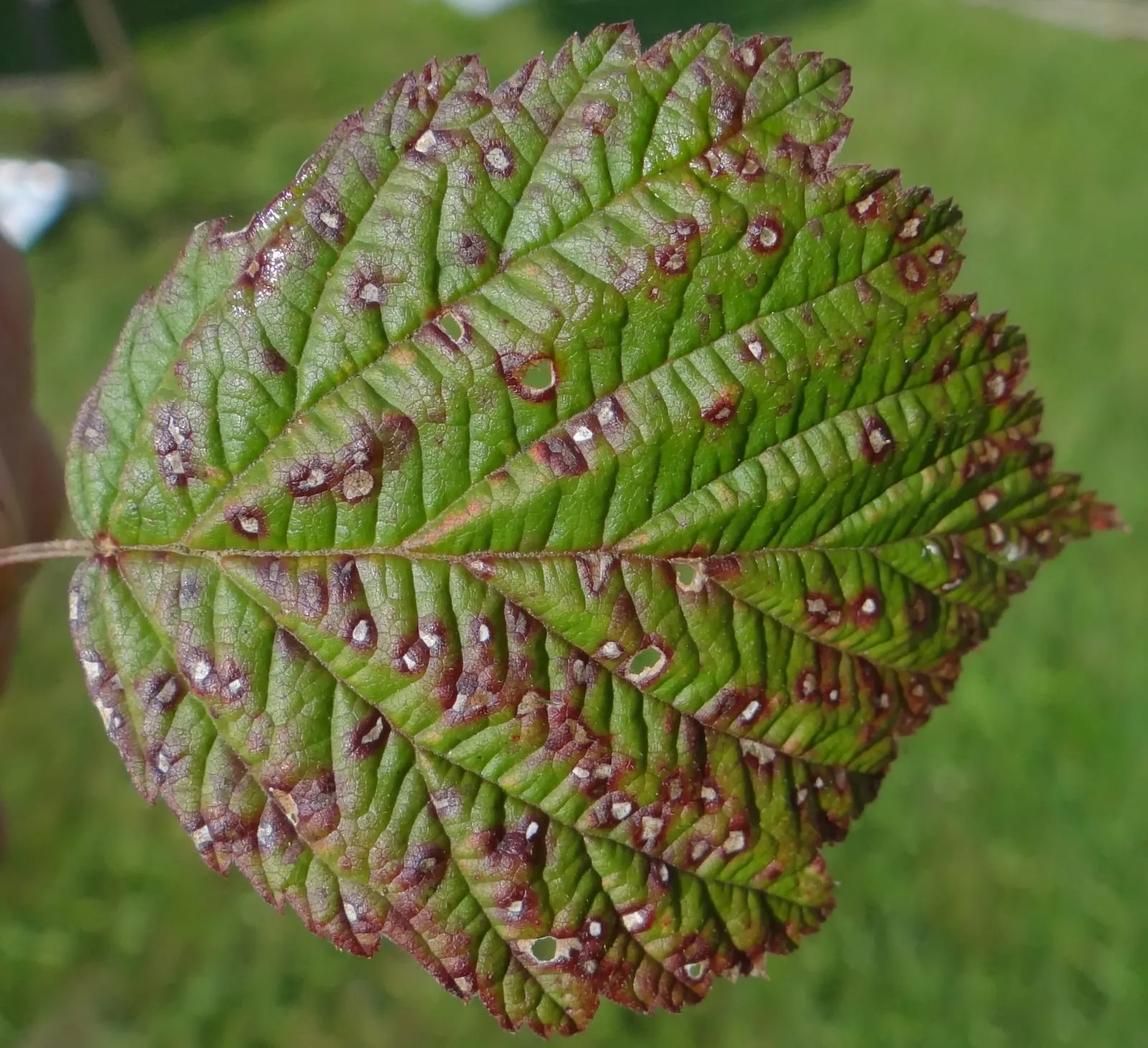
Elsinoe veneta
Fungal cane disease causing purple-bordered lesions that girdle and weaken bramble and Ribes canes, reducing yield over consecutive seasons.
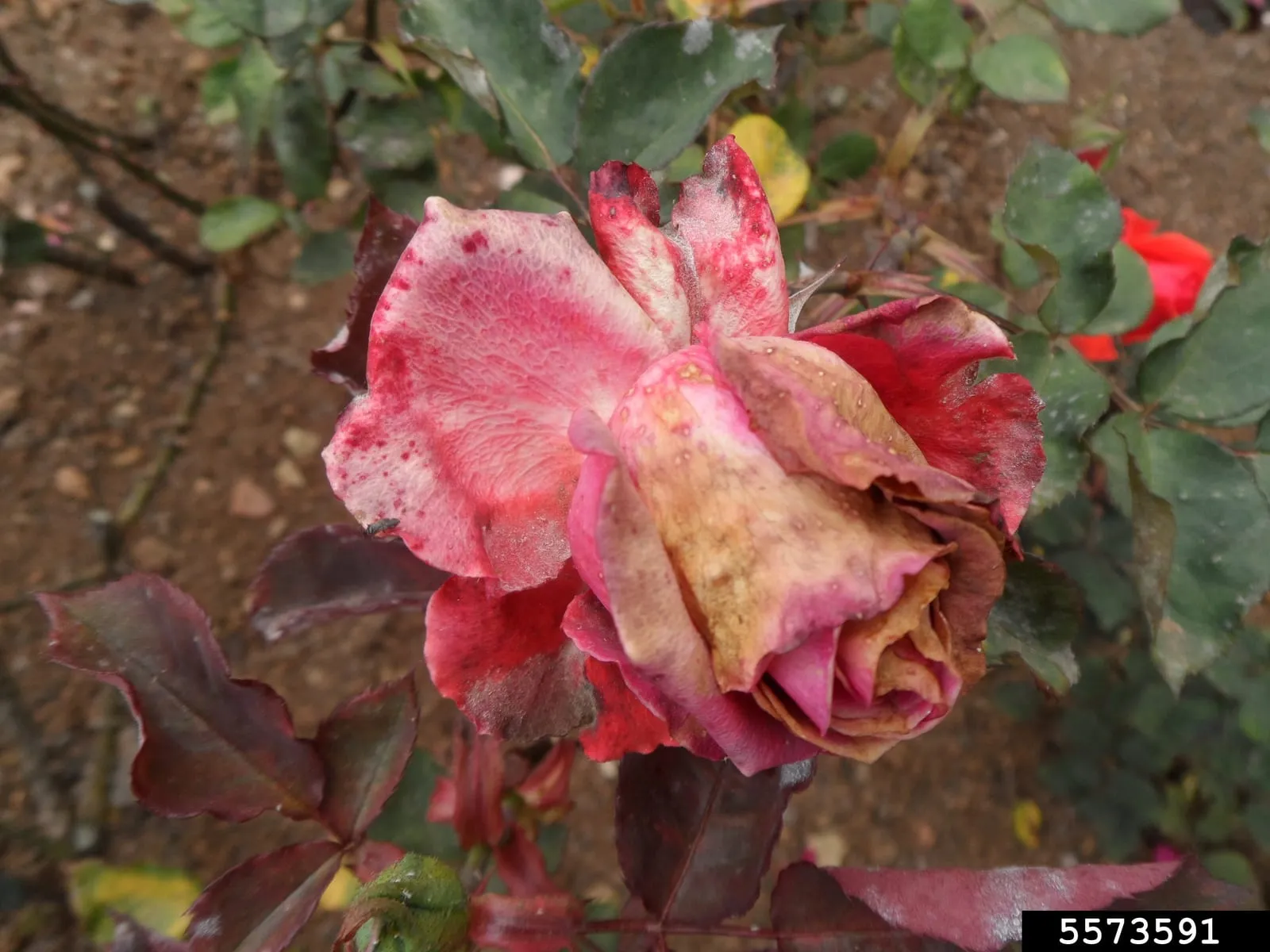
Botrytis cinerea
Ubiquitous fungal disease that causes fruit rot during cool wet weather, often the dominant berry disease in humid regions.
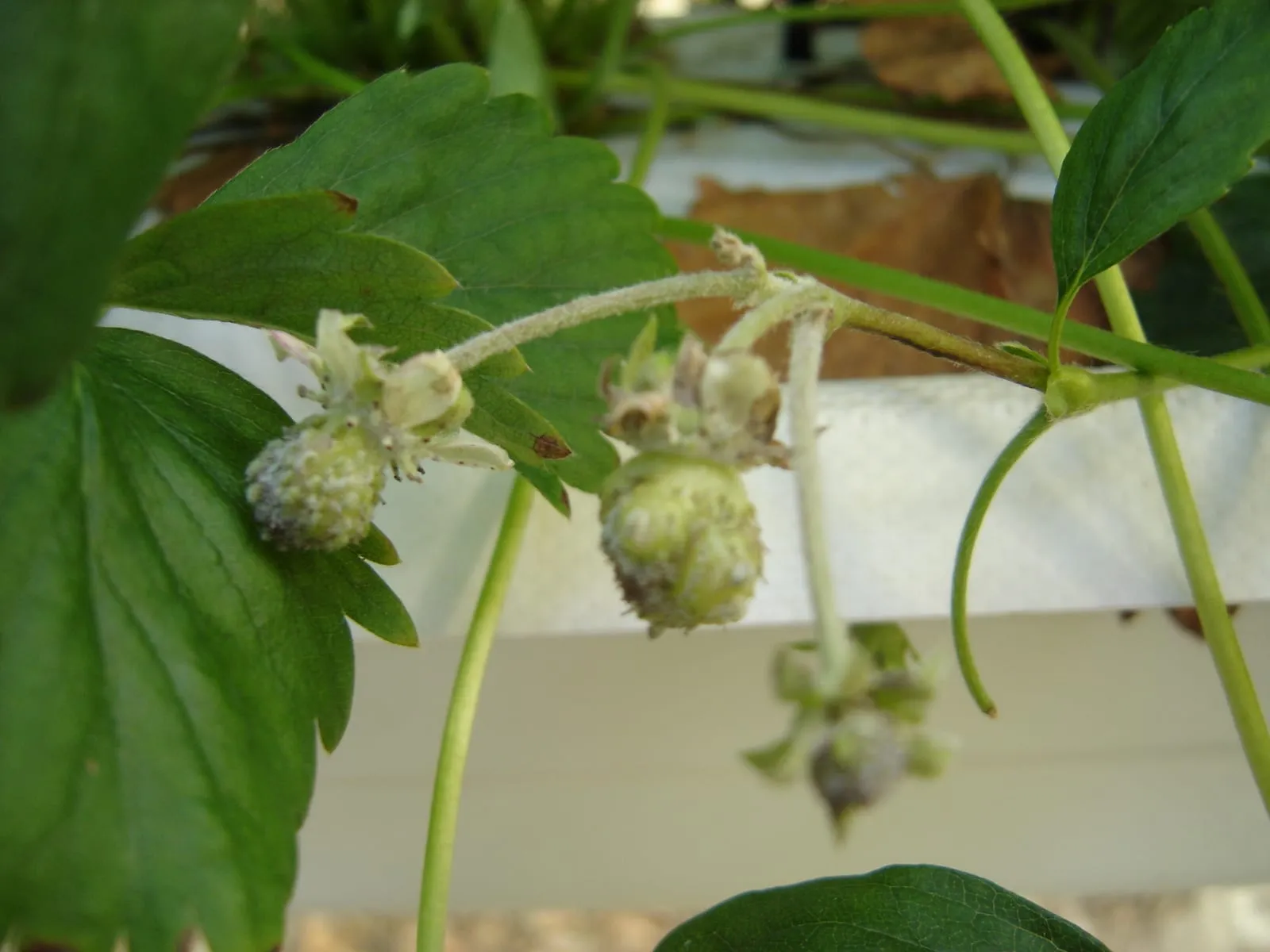
Podosphaera and Sphaerotheca species
Surface-feeding fungal disease producing white powdery growth on leaves and fruit, particularly damaging on gooseberries.
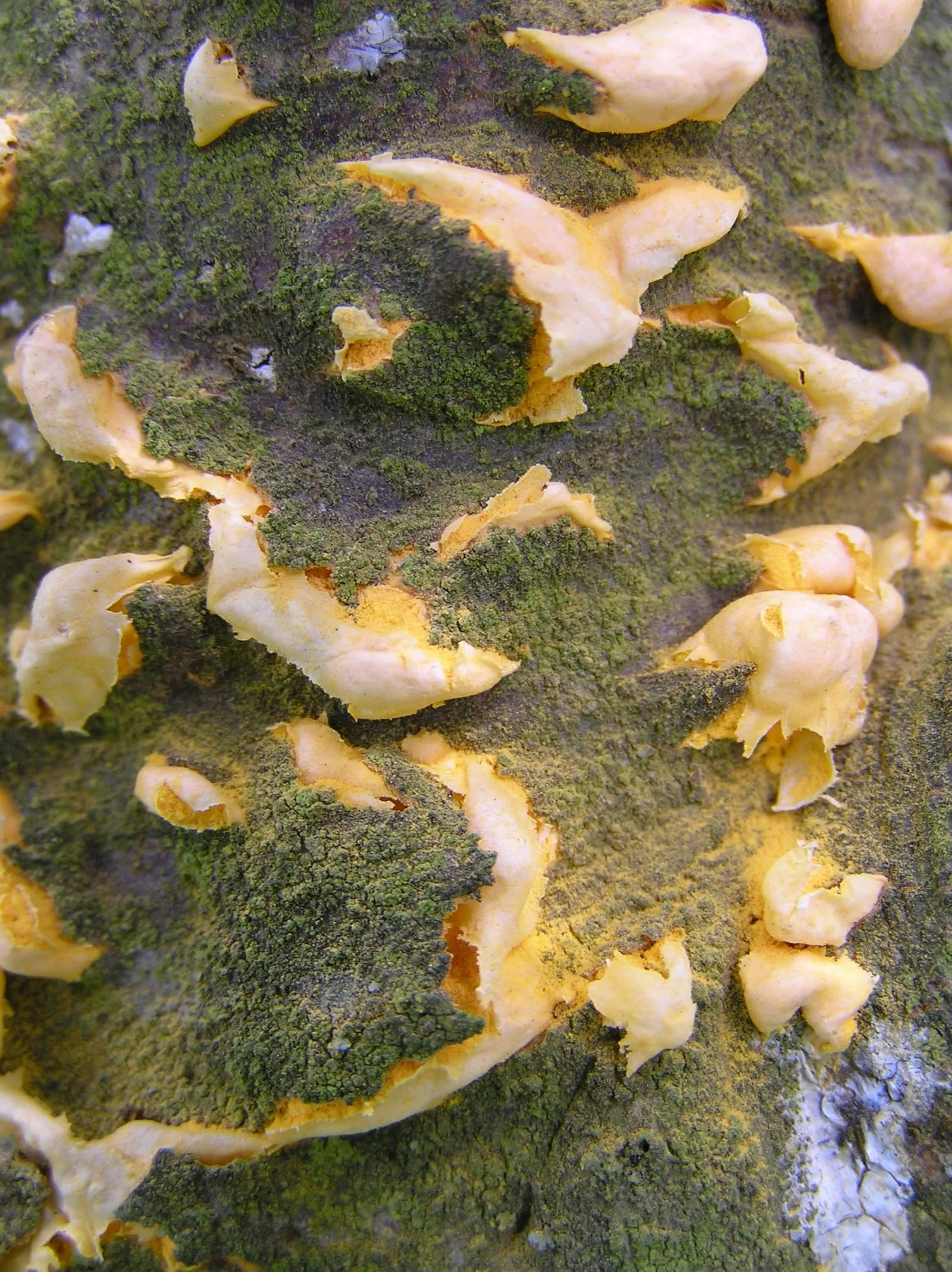
Cronartium ribicola
Two-host rust requiring both Ribes (currants and gooseberries) and white pines. Historically led to Ribes-planting bans in much of the US; some states still restrict black currant cultivation.
Modified care for zone 7b
Two adjustments matter most in zone 7b: siting and fungicide timing. A north-facing slope or a spot with afternoon shade meaningfully reduces summer heat load on canes and improves berry quality. Full-sun positioning that performs well in zone 5 often accelerates cane dieback in zone 7b summers.
White Pine Blister Rust is a genuine concern wherever white pines grow nearby. Gooseberries serve as an alternate host, so avoiding planting within several hundred feet of white pines reduces infection pressure considerably. Berry powdery mildew and gray mold both thrive in the region's humid summers; wide cane spacing for airflow and preventive sulfur or copper applications beginning at bud break provide the most effective management window. Japanese beetles arrive in late June through July and will defoliate plants if left unchecked; hand removal or targeted treatment during peak emergence limits cumulative damage.
Frequently asked questions
- Can gooseberries produce reliably in zone 7b?
Production is possible but not guaranteed every year. Chill-hour accumulation in zone 7b is marginal for most of the crop's range, and summers are warmer and more humid than gooseberries prefer. Growers who site plants carefully, manage disease proactively, and choose lower-chill selections get the most consistent results.
- When should gooseberries be planted in zone 7b?
Bare-root plants establish best when planted in late winter, typically January through early March, before buds break. This gives roots time to settle before the warm season arrives. Container-grown plants can go in during fall as well, allowing root establishment during the mild months before summer heat.
- What diseases are most likely to be a problem in zone 7b?
Berry powdery mildew and gray mold are the most common concerns given the region's summer humidity. White Pine Blister Rust is a significant risk near white pine stands, as gooseberries are an alternate host. Cane anthracnose also appears under wet conditions and can weaken fruiting wood if not addressed early in the season.
+−
+−
+−
Gooseberry in adjacent zones
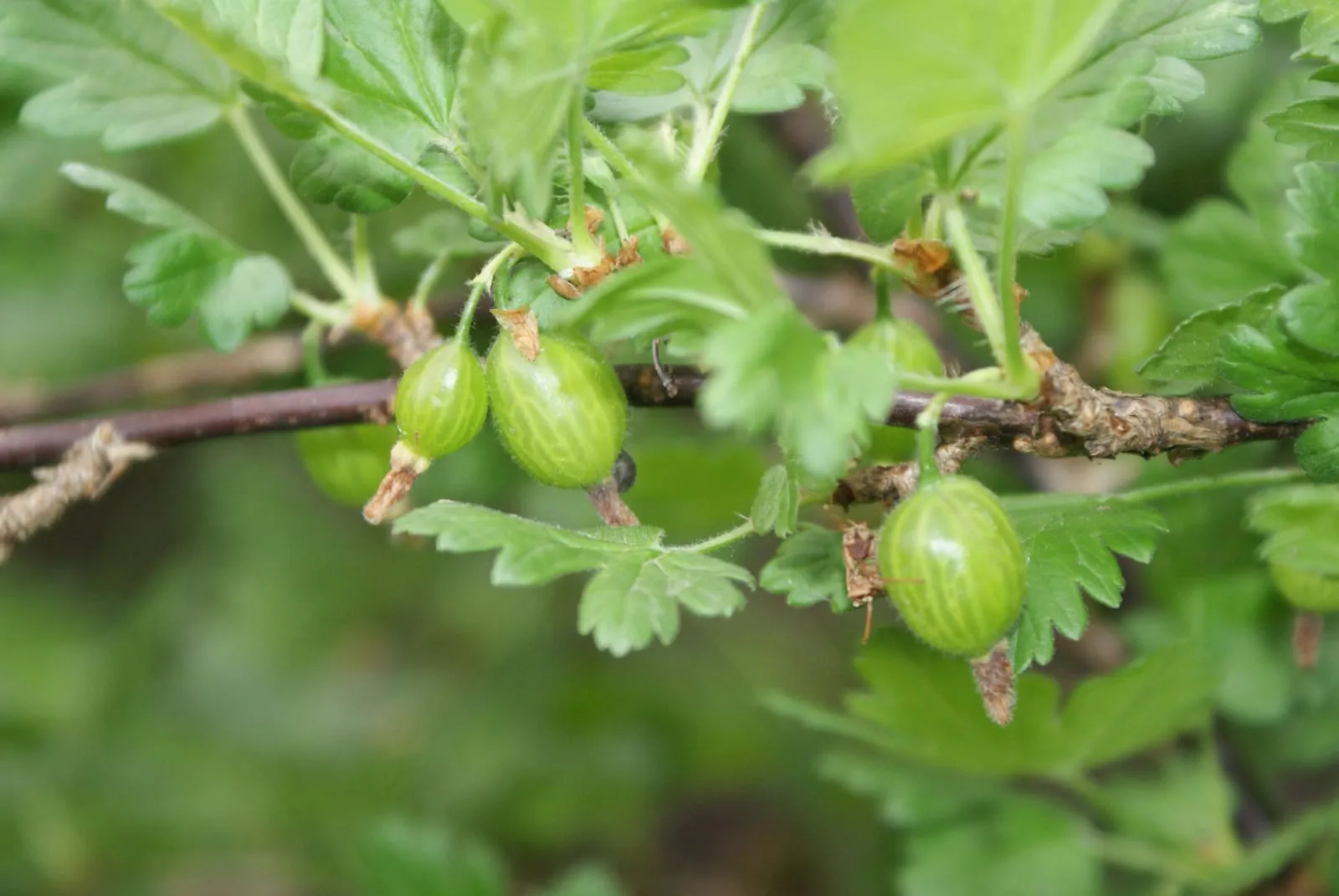
Image: "Ribes uva-crispa in Minsk", by Хомелка, via Wikimedia Commons, licensed under CC-BY Source.

Related