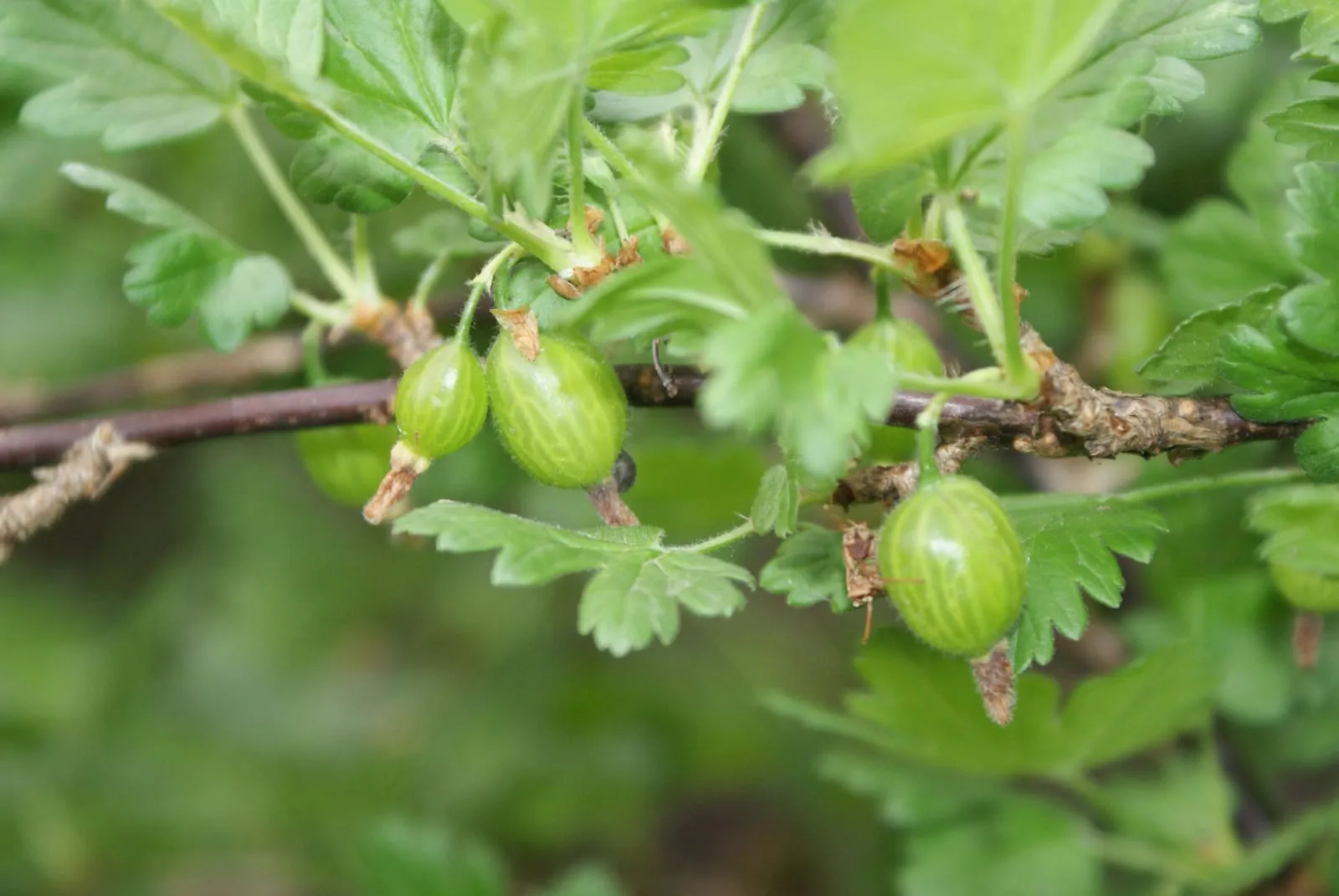
berry in zone 7a
Growing gooseberry in zone 7a
Ribes uva-crispa
- Zone
- 7a 0°F to 5°F
- Growing season
- 210 days
- Chill needed
- 800 to 1200 below 45°F
- Suitable varieties
- 2
- Days to harvest
- 80 to 100
The verdict
Gooseberry sits at the southern edge of its reliable range in zone 7a. The crop's chill-hour requirement of 800 to 1,200 hours is met in most zone 7a winters, but just barely. In mild winters, accumulation can fall short of 800 hours, resulting in poor bud break, staggered flowering, and reduced yields. This is not a sweet spot; it is a marginal zone where variety selection and site placement matter more than in cooler regions.
Varieties with documented performance at the warm end of the range are the safest bets. Hinnonmaki Red and Invicta both carry some tolerance for lower chill accumulation and summer heat compared to older European cultivars. Even so, expect lower average yields in zone 7a than the same plant would produce in zones 4 through 6. The 210-day growing season is not the constraint; summer heat load and inconsistent chill accumulation are the limiting factors.
Recommended varieties for zone 7a
2 cultivars suited to this zone, with disease-resistance and zone-fit annotations.
| Variety | Notes | Zone fit | Disease resistance |
|---|---|---|---|
| Hinnonmaki Red fits zone 7a | Sweet-tart, complex flavor when fully ripe; fresh dessert, jam, pies. Dark red berries, classic European flavor, productive Finnish variety. Mildew-resistant. | |
|
| Invicta fits zone 7a | Tart, large pale-green berries with rich flavor; jam, pies, dessert. The British commercial standard, very productive, mildew-resistant. Heavily thorned. | |
|
Critical timing for zone 7a
Gooseberry breaks dormancy early relative to most fruit crops. In zone 7a, buds typically swell in late February, with bloom opening in early to mid March depending on winter temperatures. Zone 7a's average last frost falls between mid March and early April, which puts late blooms at real risk. An early warm spell followed by a late frost can eliminate a significant portion of the fruit set.
Fruit development is rapid once bloom passes. Harvest in zone 7a generally runs from late May through late June, earlier than in cooler zones. Growers watching for late-season heat should plan to harvest on the early side of the window; gooseberries soften quickly once summer temperatures climb past 85°F.
Common challenges in zone 7a
- ▸ Cedar-apple rust
- ▸ Brown rot
- ▸ Fire blight
- ▸ High humidity disease pressure
Disease pressure to watch for
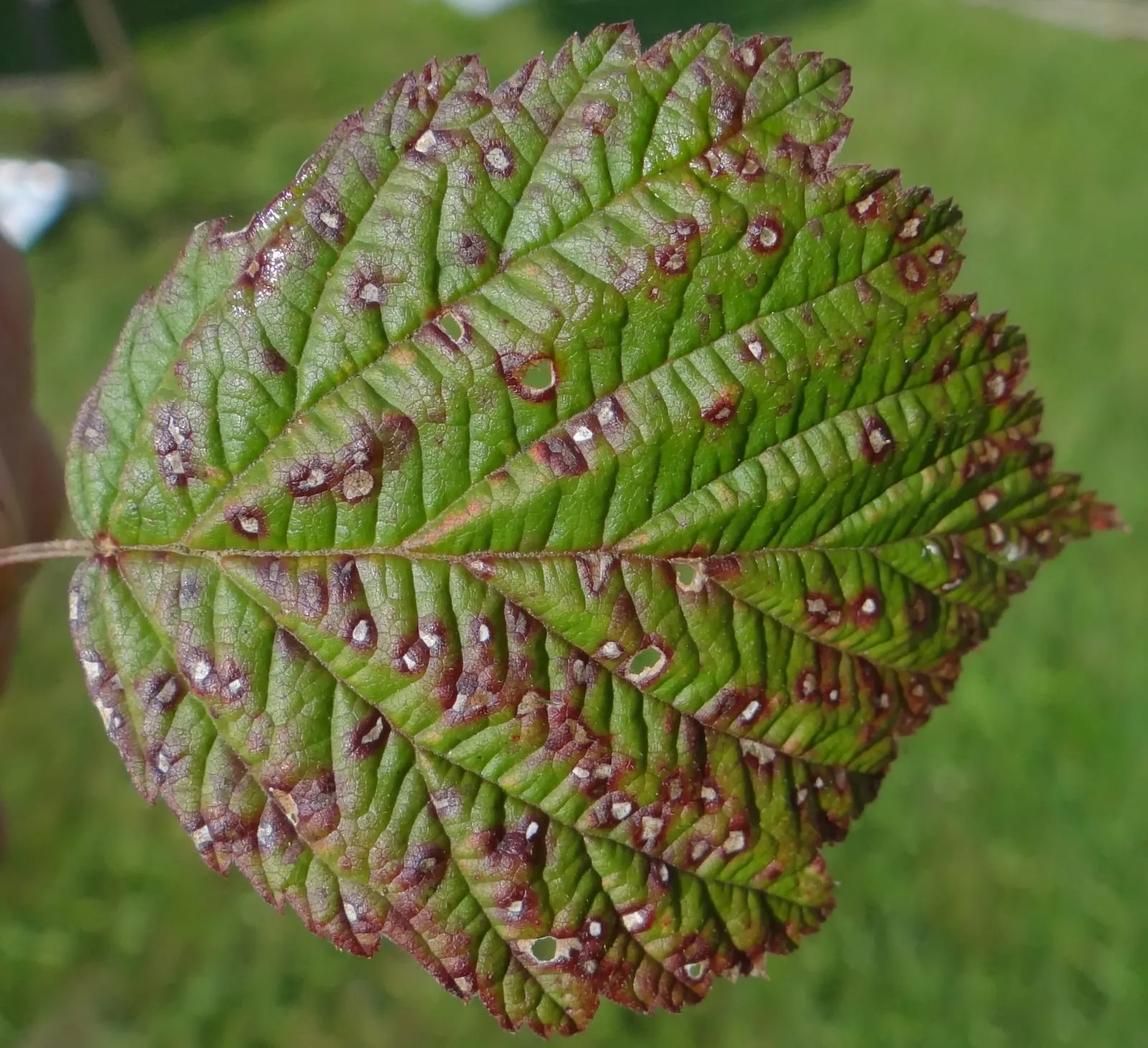
Elsinoe veneta
Fungal cane disease causing purple-bordered lesions that girdle and weaken bramble and Ribes canes, reducing yield over consecutive seasons.
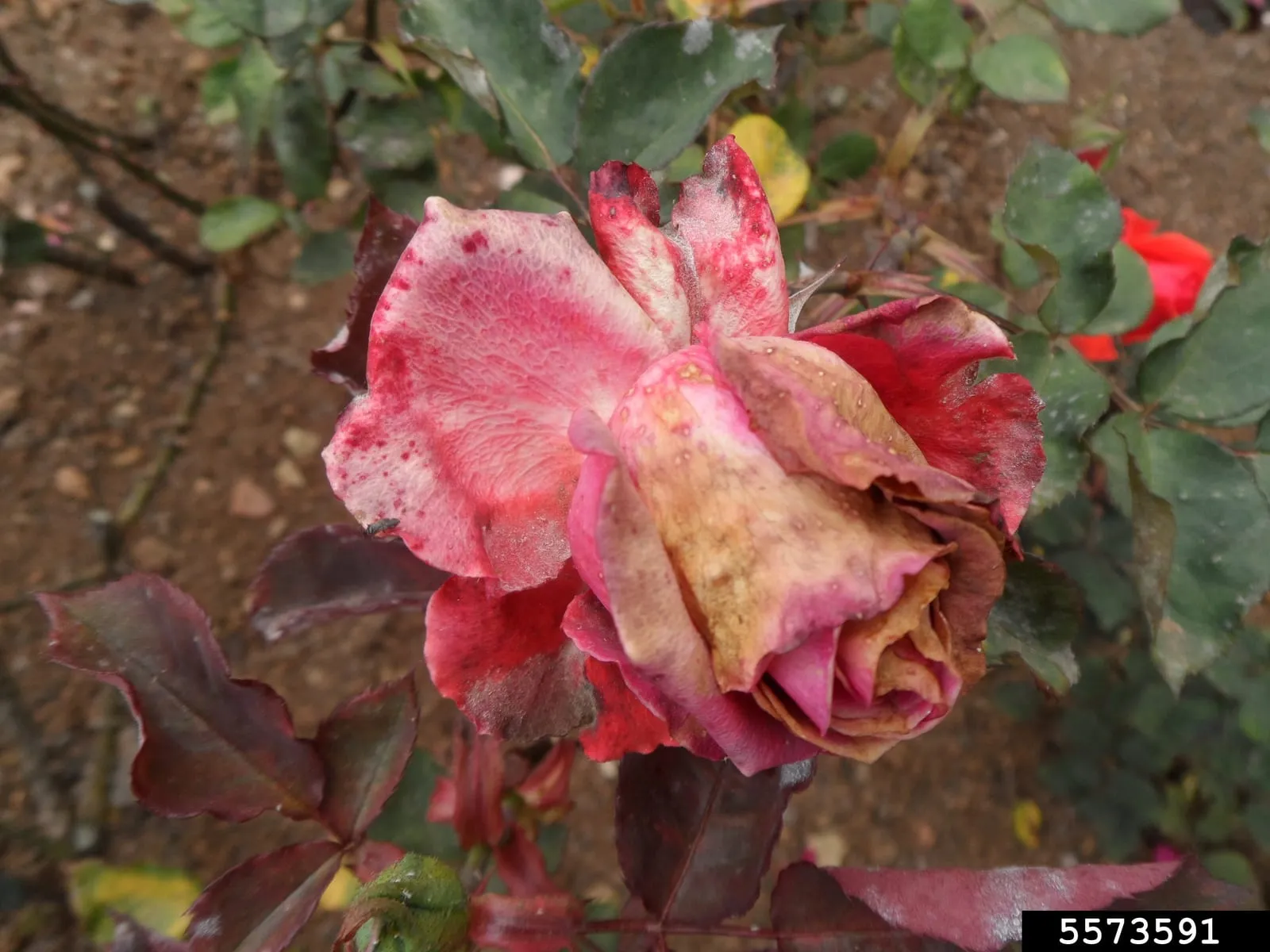
Botrytis cinerea
Ubiquitous fungal disease that causes fruit rot during cool wet weather, often the dominant berry disease in humid regions.
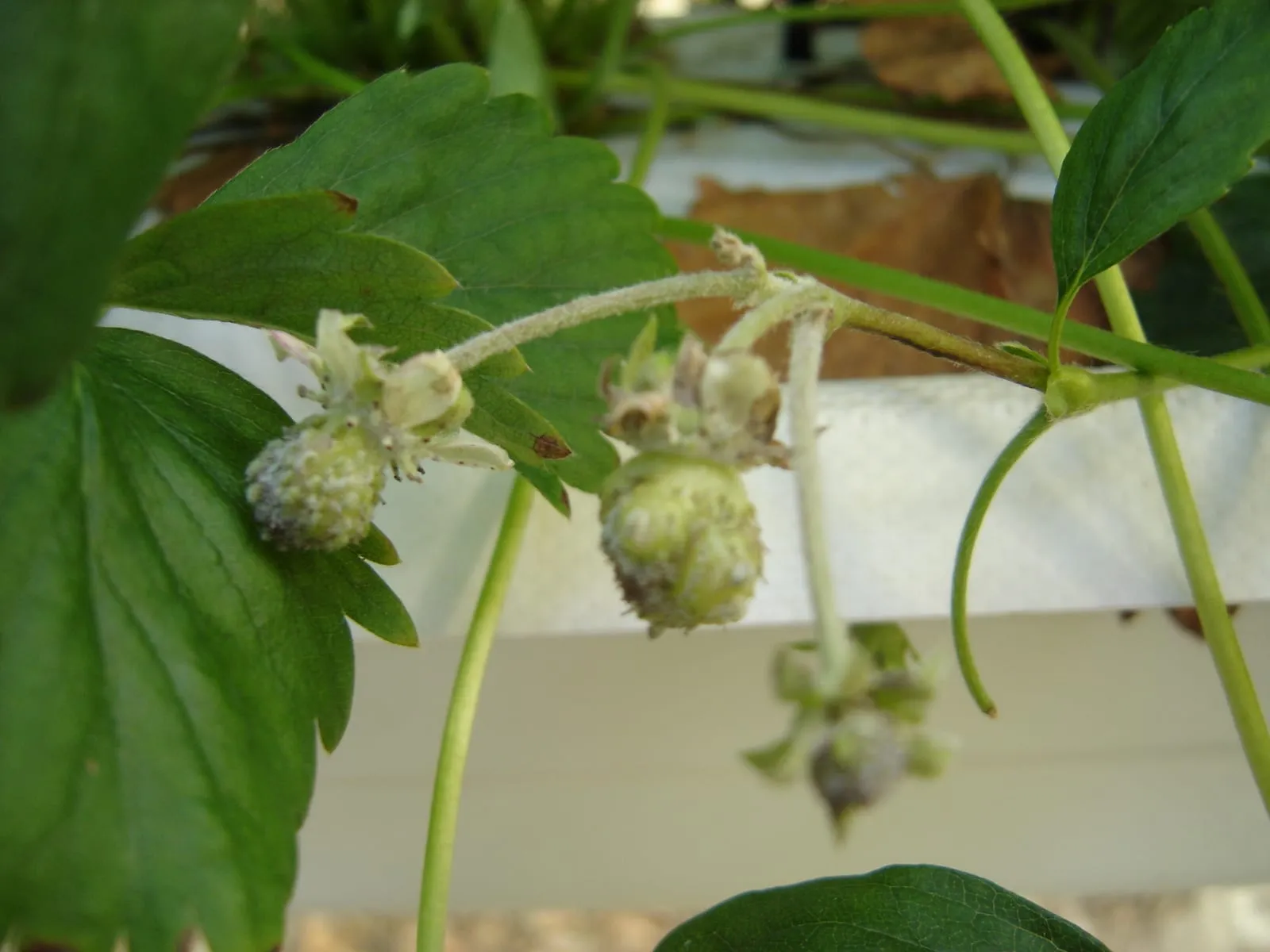
Podosphaera and Sphaerotheca species
Surface-feeding fungal disease producing white powdery growth on leaves and fruit, particularly damaging on gooseberries.
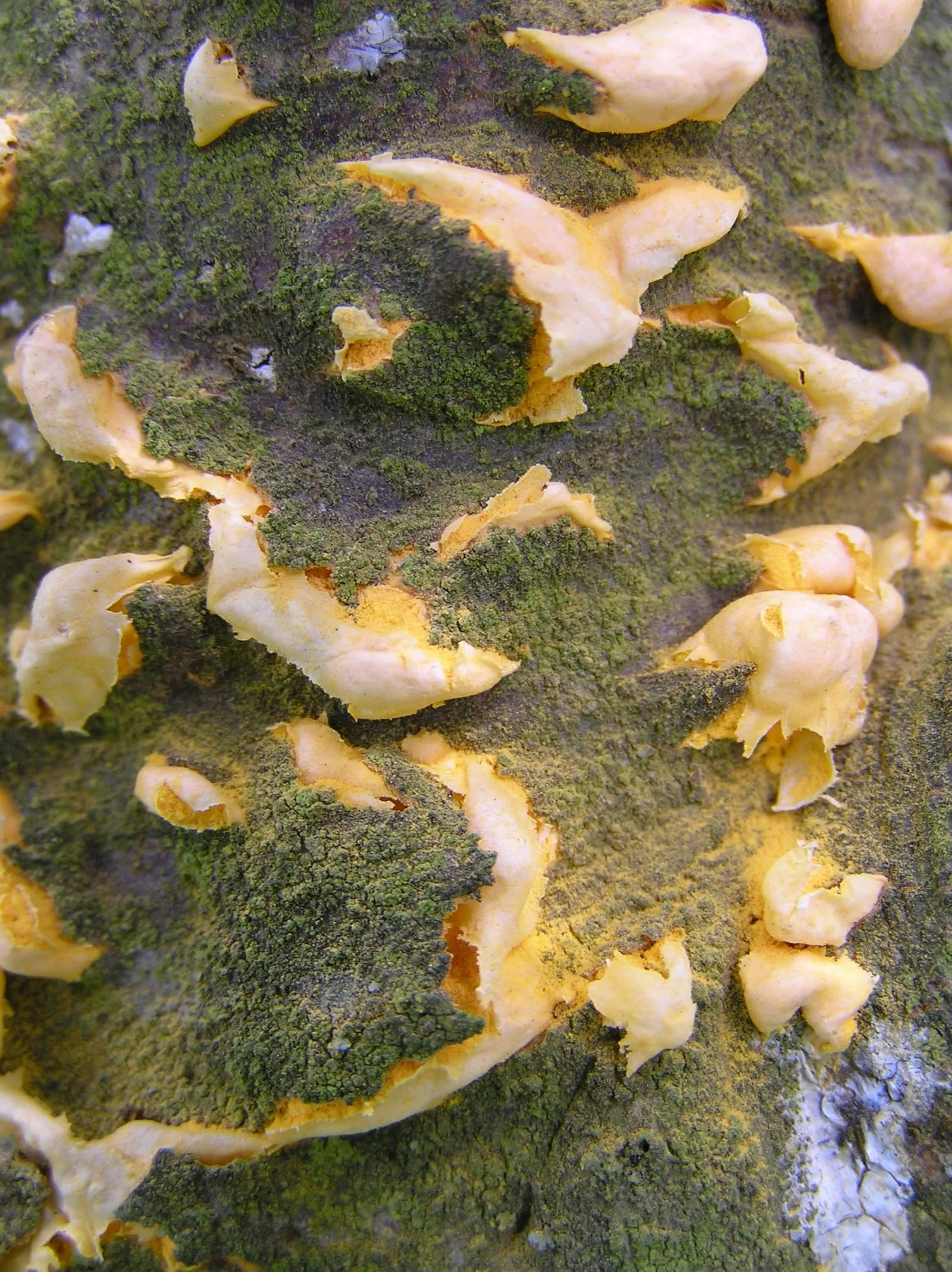
Cronartium ribicola
Two-host rust requiring both Ribes (currants and gooseberries) and white pines. Historically led to Ribes-planting bans in much of the US; some states still restrict black currant cultivation.
Modified care for zone 7a
Zone 7a's combination of humidity and warm summers amplifies the disease pressure gooseberry already carries. Cane Anthracnose, Gray Mold, and Berry Powdery Mildew all thrive under the high-humidity conditions common across zone 7a from late spring through summer. Pruning for open canopy structure is not optional here; it is the primary disease management tool. Remove crowded interior canes aggressively after harvest and again in late winter before bud break.
Site selection should favor morning sun with afternoon shade where possible, which reduces heat stress on fruit and slows powdery mildew spread during peak summer hours. Avoid low-lying areas with poor air drainage. White Pine Blister Rust is a concern near five-needled pines; maintain separation of at least 300 feet or remove nearby hosts. Supplemental irrigation during June and July helps maintain fruit size, but overhead watering should be avoided entirely.
Frequently asked questions
- Can gooseberry reliably produce fruit in zone 7a?
Yes, but production is less consistent than in cooler zones. Chill-hour accumulation is sufficient in most winters, though warm winters can fall short. Heat-tolerant varieties like Hinnonmaki Red and Invicta perform better in zone 7a than traditional European cultivars.
- When should I harvest gooseberries in zone 7a?
Harvest typically runs from late May through late June in zone 7a, earlier than in northern zones. Pick on the early side of the window; fruit softens quickly once summer heat arrives.
- What diseases are most problematic for gooseberry in zone 7a?
Cane Anthracnose, Gray Mold, and Berry Powdery Mildew are the primary concerns given zone 7a's humidity. Open canopy pruning and good air circulation are the most effective preventive measures. White Pine Blister Rust is also a risk near five-needled pines.
- Does gooseberry need afternoon shade in zone 7a?
Afternoon shade is beneficial. It reduces heat stress on developing fruit and slows powdery mildew spread during peak summer temperatures. Morning sun is still important for drying foliage and reducing fungal pressure.
+−
+−
+−
+−
Gooseberry in adjacent zones
Image: "Ribes uva-crispa in Minsk", by Хомелка, via Wikimedia Commons, licensed under CC-BY Source.

Related