berry in zone 6b
Growing gooseberry in zone 6b
Ribes uva-crispa
- Zone
- 6b -5°F to 0°F
- Growing season
- 190 days
- Chill needed
- 800 to 1200 below 45°F
- Suitable varieties
- 4
- Days to harvest
- 80 to 100
The verdict
Zone 6b is a reliable fit for gooseberry, not a marginal one. The crop requires 800 to 1,200 chill hours below 45°F, and zone 6b winters (-5°F to 0°F minimum) routinely deliver 1,000 to 1,400 hours in a typical season. Chill accumulation is rarely the limiting factor here.
The 190-day growing season is more than the crop needs to ripen fully. Gooseberries enter dormancy well before the first hard freeze and break dormancy early enough to make productive use of the long shoulder seasons. Varieties like Hinnonmaki Red and Captivator, both bred for northern conditions, perform consistently in zone 6b without the adaptation stress they can show in warmer zones.
The primary constraints in this zone are fungal disease pressure and, in the eastern portions, proximity to white pine stands that host blister rust. Neither is a dealbreaker, but both require active management.
Recommended varieties for zone 6b
4 cultivars suited to this zone, with disease-resistance and zone-fit annotations.
| Variety | Notes | Zone fit | Disease resistance |
|---|---|---|---|
| Hinnonmaki Red fits zone 6b | Sweet-tart, complex flavor when fully ripe; fresh dessert, jam, pies. Dark red berries, classic European flavor, productive Finnish variety. Mildew-resistant. | |
|
| Invicta fits zone 6b | Tart, large pale-green berries with rich flavor; jam, pies, dessert. The British commercial standard, very productive, mildew-resistant. Heavily thorned. | |
|
| Pixwell fits zone 6b | Tart, mild, light green-pink berries; jam, pies. American variety with thornless lower canes for easier harvest. Cold-hardy and productive. | | none noted |
| Captivator fits zone 6b | Sweet-tart, large pink-red dessert berries; fresh eating, jam. Nearly thornless Canadian variety, mildew-resistant, the home-garden favorite. | |
|
Critical timing for zone 6b
Gooseberries break dormancy early in zone 6b, with bloom typically opening between late March and mid-April depending on microclimate and variety. The average last frost for much of zone 6b falls between April 1 and April 15, which means bloom and frost risk overlap in cooler springs. Pixwell and Invicta tend to bloom slightly later than Hinnonmaki Red, which can reduce frost exposure in exposed sites.
Fruit ripens from late June through mid-July in most zone 6b locations. Hinnonmaki Red runs toward the earlier end; Captivator runs later. The window between bloom and harvest is roughly 10 to 12 weeks. First fall frost typically arrives in October, leaving ample time for canes to harden off before temperatures drop to damaging levels.
Common challenges in zone 6b
- ▸ Cedar-apple rust
- ▸ Fire blight
- ▸ Stink bugs
Disease pressure to watch for
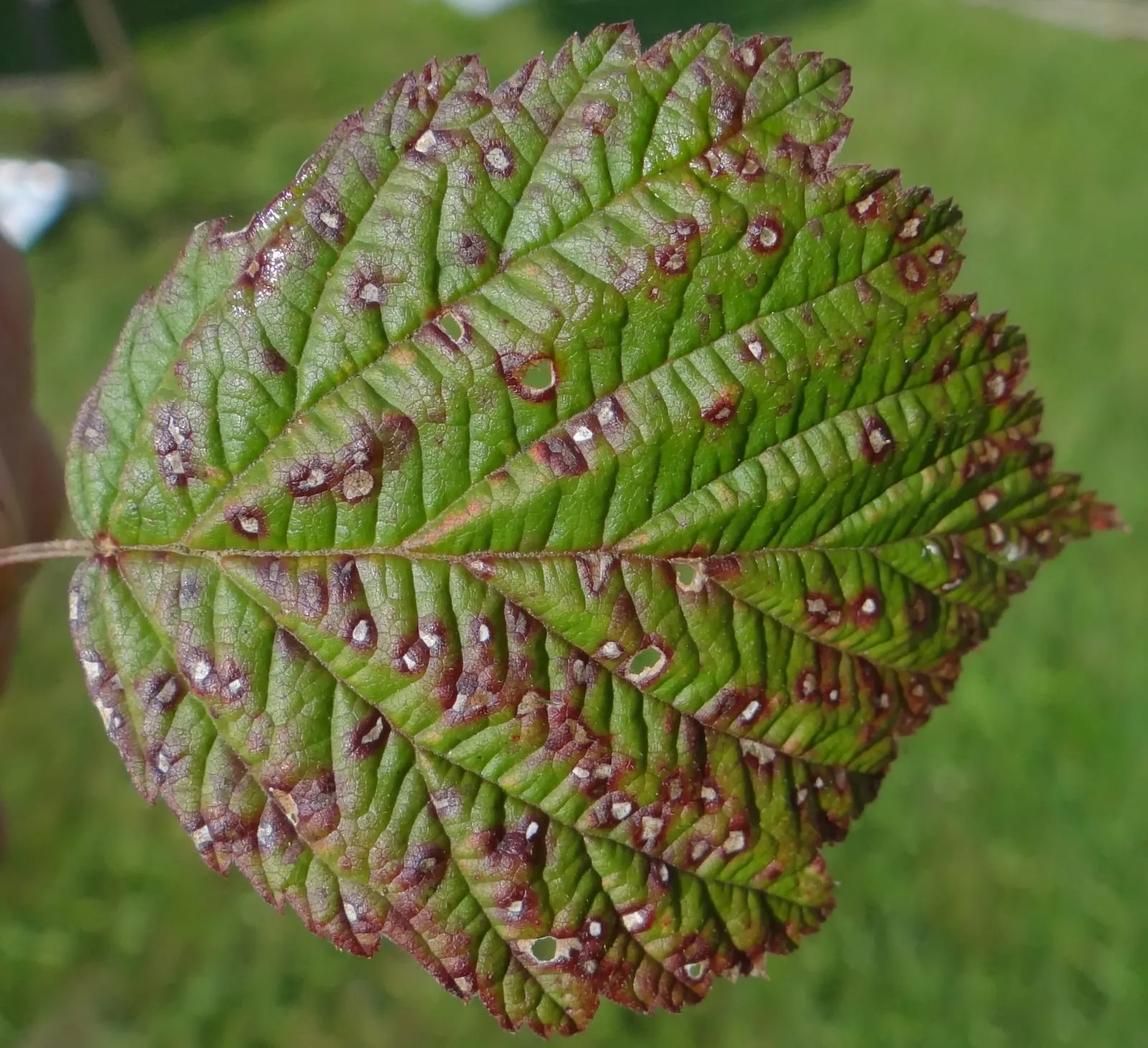
Elsinoe veneta
Fungal cane disease causing purple-bordered lesions that girdle and weaken bramble and Ribes canes, reducing yield over consecutive seasons.
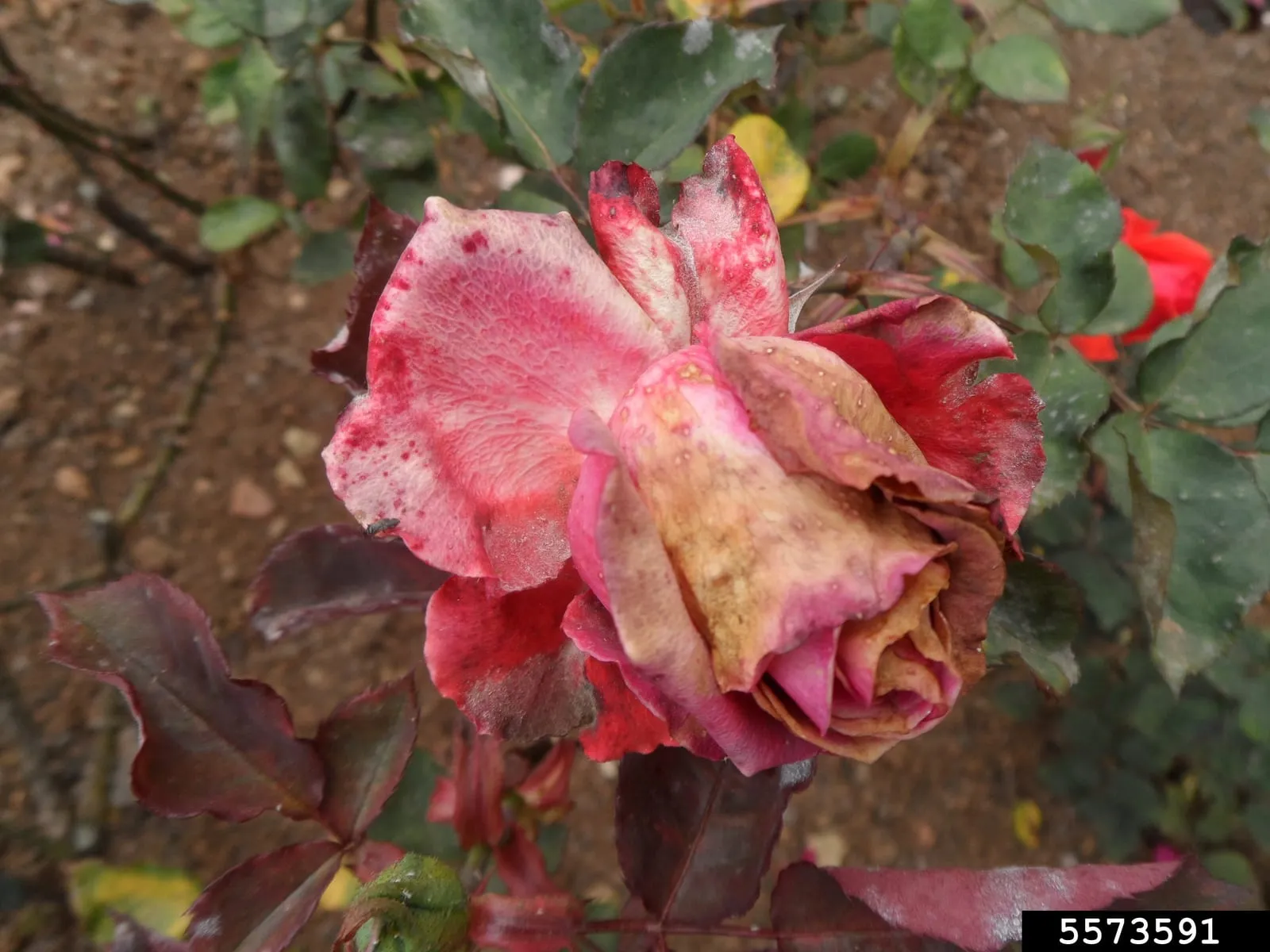
Botrytis cinerea
Ubiquitous fungal disease that causes fruit rot during cool wet weather, often the dominant berry disease in humid regions.
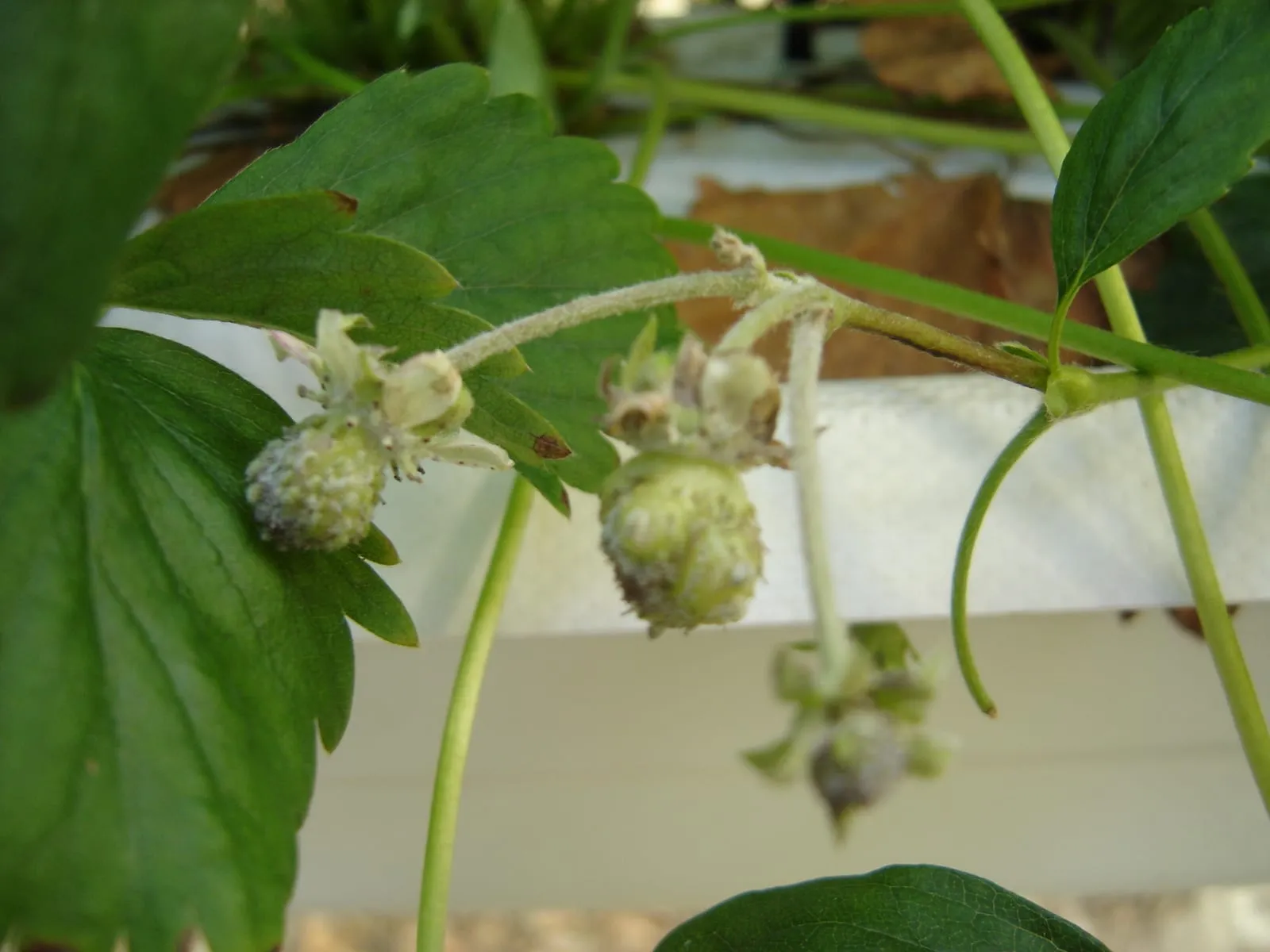
Podosphaera and Sphaerotheca species
Surface-feeding fungal disease producing white powdery growth on leaves and fruit, particularly damaging on gooseberries.
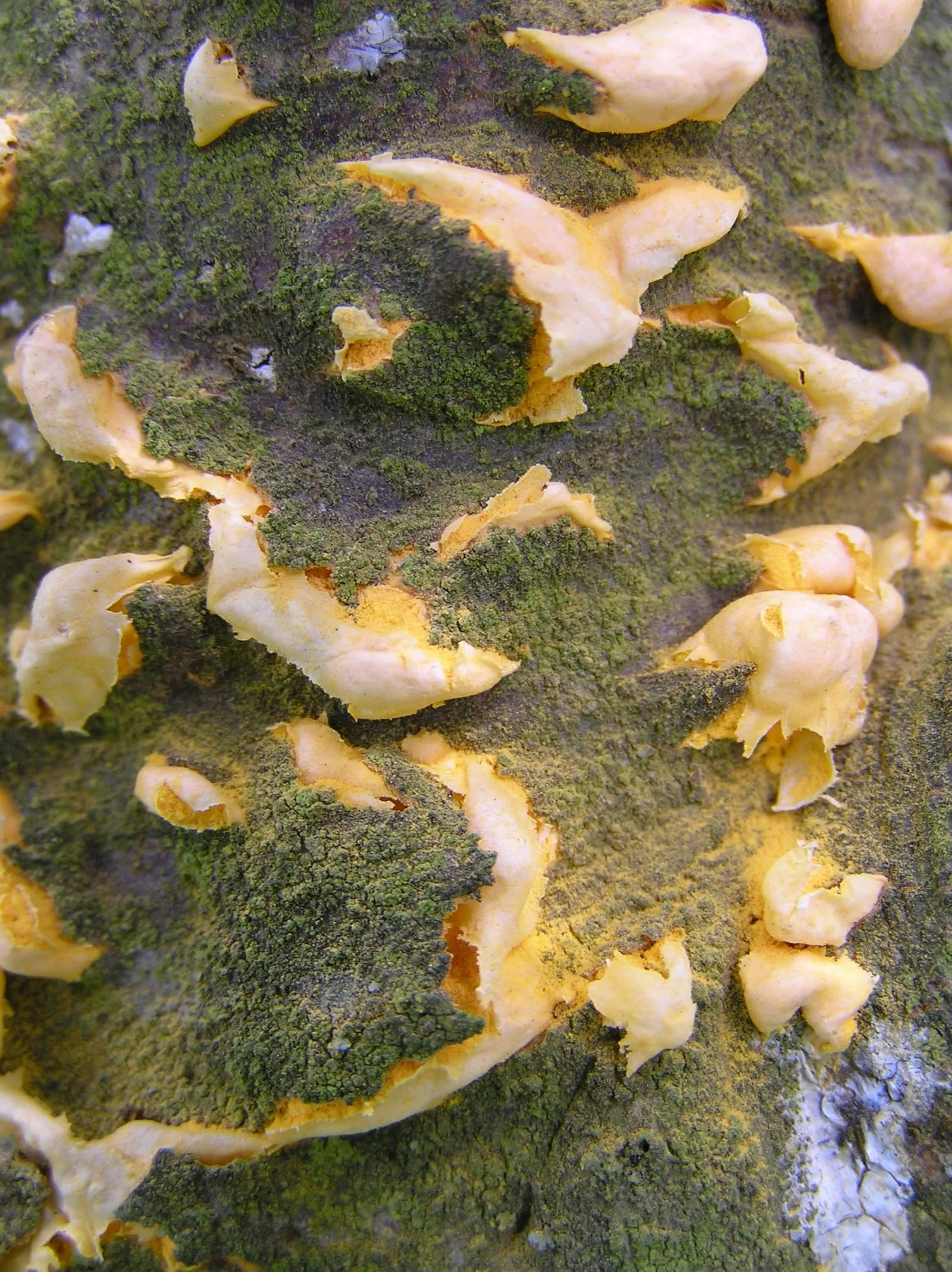
Cronartium ribicola
Two-host rust requiring both Ribes (currants and gooseberries) and white pines. Historically led to Ribes-planting bans in much of the US; some states still restrict black currant cultivation.
Modified care for zone 6b
Zone 6b winters are well within gooseberry's cold tolerance, so additional winter protection is rarely needed for established plants. The more pressing management concerns are fungal.
White Pine Blister Rust (Cronartium ribicola) requires an alternate host, and zone 6b in the Northeast and upper Midwest often has dense white pine populations nearby. Growers in those areas should avoid planting within several hundred feet of white pines where practical, and should confirm whether state regulations on Ribes planting apply to their county.
Berry powdery mildew and gray mold (Botrytis) both thrive in the humid summers common across zone 6b. Pruning for open canopy structure, spacing plants at least 4 to 5 feet apart, and avoiding overhead irrigation reduces infection pressure significantly. Stink bug feeding on developing fruit is a documented nuisance in zone 6b; row covers during fruit development provide some protection without affecting pollination, since gooseberries are largely self-fertile.
Frequently asked questions
- Do gooseberries need a pollination partner in zone 6b?
Most gooseberry varieties, including Hinnonmaki Red, Invicta, and Pixwell, are self-fertile and will set fruit without a second plant. Planting two or more varieties can increase yield, but it is not required for a productive harvest.
- Is White Pine Blister Rust a serious concern in zone 6b?
It depends on location. Blister rust requires white pine as an alternate host, so risk is highest in wooded areas of the Northeast and upper Midwest. Some states still restrict or regulate Ribes planting; check your state's department of agriculture before ordering bare-root plants.
- When is the best time to plant gooseberry in zone 6b?
Early spring, as soon as the soil can be worked, is the preferred planting window for bare-root plants. This gives roots time to establish before summer heat. Container-grown plants can go in through early fall, at least six weeks before the first expected frost.
- Which gooseberry variety handles zone 6b disease pressure best?
Captivator and Hinnonmaki Red both show reasonable resistance to powdery mildew compared to older American varieties. Invicta is productive and widely grown but somewhat more susceptible to mildew in humid conditions. Pixwell is reliable but carries less disease resistance than the European-derived varieties.
+−
+−
+−
+−
Gooseberry in adjacent zones
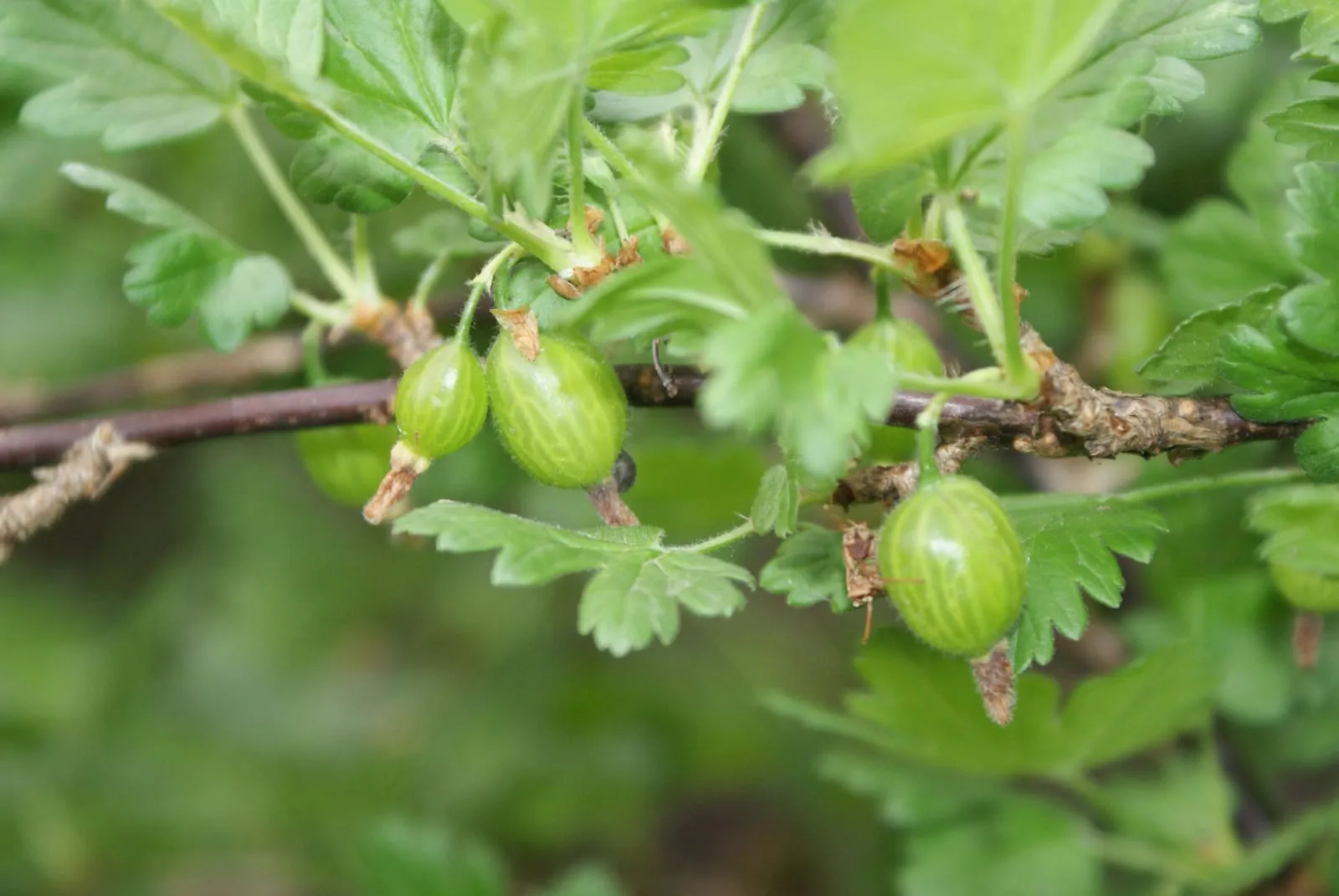
Image: "Ribes uva-crispa in Minsk", by Хомелка, via Wikimedia Commons, licensed under CC-BY Source.

Related