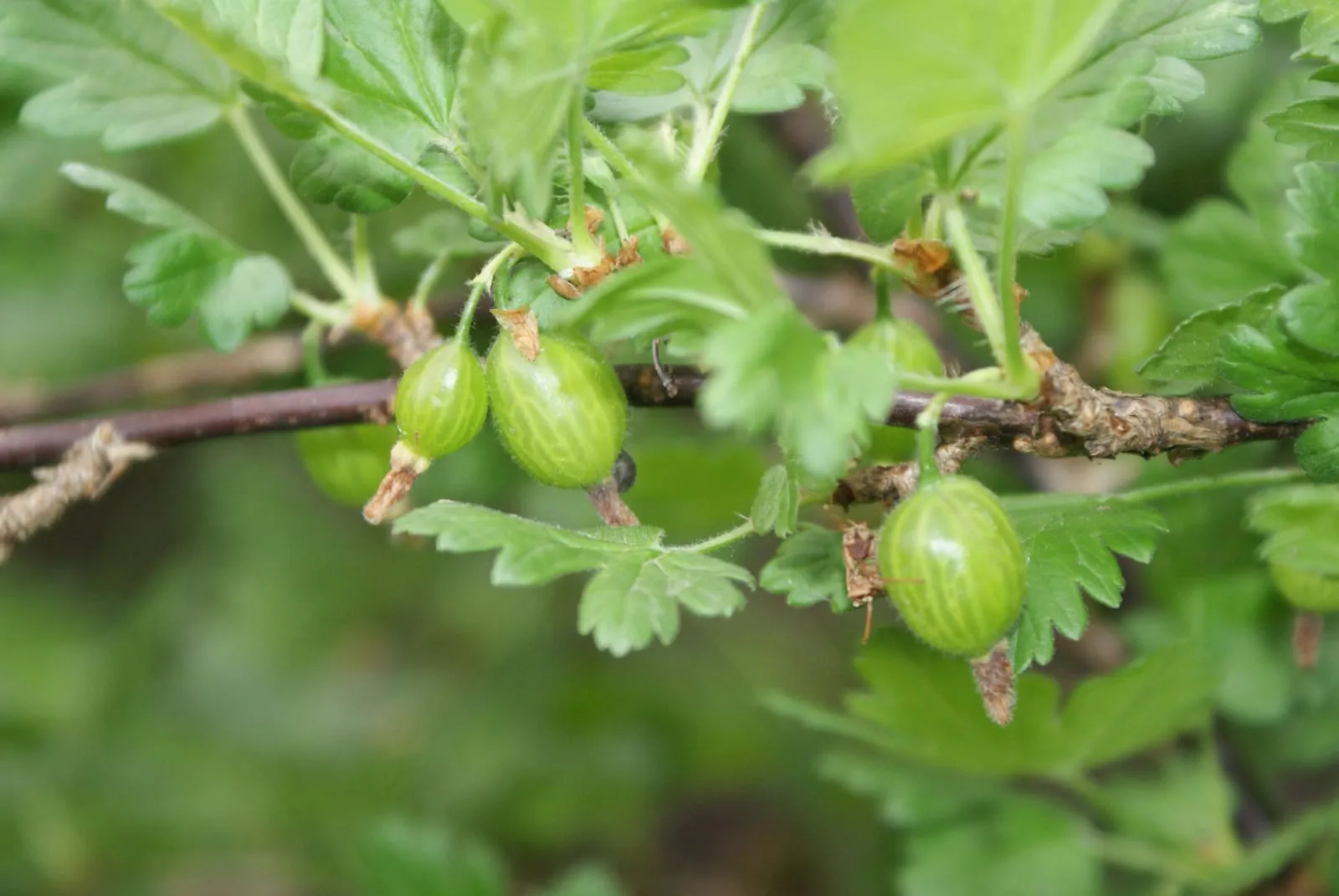
berry in zone 6a
Growing gooseberry in zone 6a
Ribes uva-crispa
- Zone
- 6a -10°F to -5°F
- Growing season
- 180 days
- Chill needed
- 800 to 1200 below 45°F
- Suitable varieties
- 4
- Days to harvest
- 80 to 100
The verdict
Zone 6a sits squarely within the preferred range for gooseberry production. Winter temperatures between -10°F and -5°F provide the cold stratification these shrubs need without causing the severe cane dieback that pushes into zone 5. More importantly, chill-hour accumulation in zone 6a reliably falls within the 800 to 1,200 hours that gooseberry requires, which makes this a genuine sweet spot rather than a marginal situation.
The 180-day growing season is adequate to fully ripen fruit before fall cold sets in, and the varieties best suited to this zone, including Hinnonmaki Red, Captivator, and Pixwell, have documented performance in similar continental climates. White pine blister rust is present wherever Ribes species grow in eastern North America, but zone 6a does not create unusual susceptibility compared to adjacent zones. The main honest caveat is humidity: parts of zone 6a, particularly in the Mid-Atlantic and Midwest, see summer conditions that favor powdery mildew, which is manageable with the right variety choices.
Recommended varieties for zone 6a
4 cultivars suited to this zone, with disease-resistance and zone-fit annotations.
| Variety | Notes | Zone fit | Disease resistance |
|---|---|---|---|
| Hinnonmaki Red fits zone 6a | Sweet-tart, complex flavor when fully ripe; fresh dessert, jam, pies. Dark red berries, classic European flavor, productive Finnish variety. Mildew-resistant. | |
|
| Invicta fits zone 6a | Tart, large pale-green berries with rich flavor; jam, pies, dessert. The British commercial standard, very productive, mildew-resistant. Heavily thorned. | |
|
| Pixwell fits zone 6a | Tart, mild, light green-pink berries; jam, pies. American variety with thornless lower canes for easier harvest. Cold-hardy and productive. | | none noted |
| Captivator fits zone 6a | Sweet-tart, large pink-red dessert berries; fresh eating, jam. Nearly thornless Canadian variety, mildew-resistant, the home-garden favorite. | |
|
Critical timing for zone 6a
Gooseberries are early-season bloomers. In zone 6a, flowering typically opens in late March through early April, advancing quickly once daytime temperatures stay above 45°F. The last frost date for most of zone 6a falls between mid-April and early May, which means bloom and frost risk can overlap in colder springs. Light frosts during flowering can reduce fruit set, though the compact bloom cluster of gooseberry is somewhat less vulnerable than stone fruit buds.
Harvest follows bloom by roughly 10 to 12 weeks, placing ripe fruit in late June through mid-July. The ripening window is short; berries that are slightly under-ripe one week can be soft and overripe the next in summer heat. Picking in two passes, the first at the tart-ripe stage for cooking and preserving, the second when fully sweet, makes the most of the window.
Common challenges in zone 6a
- ▸ Brown rot in stone fruit
- ▸ Japanese beetles
- ▸ Spring frost damage to peach buds
Disease pressure to watch for
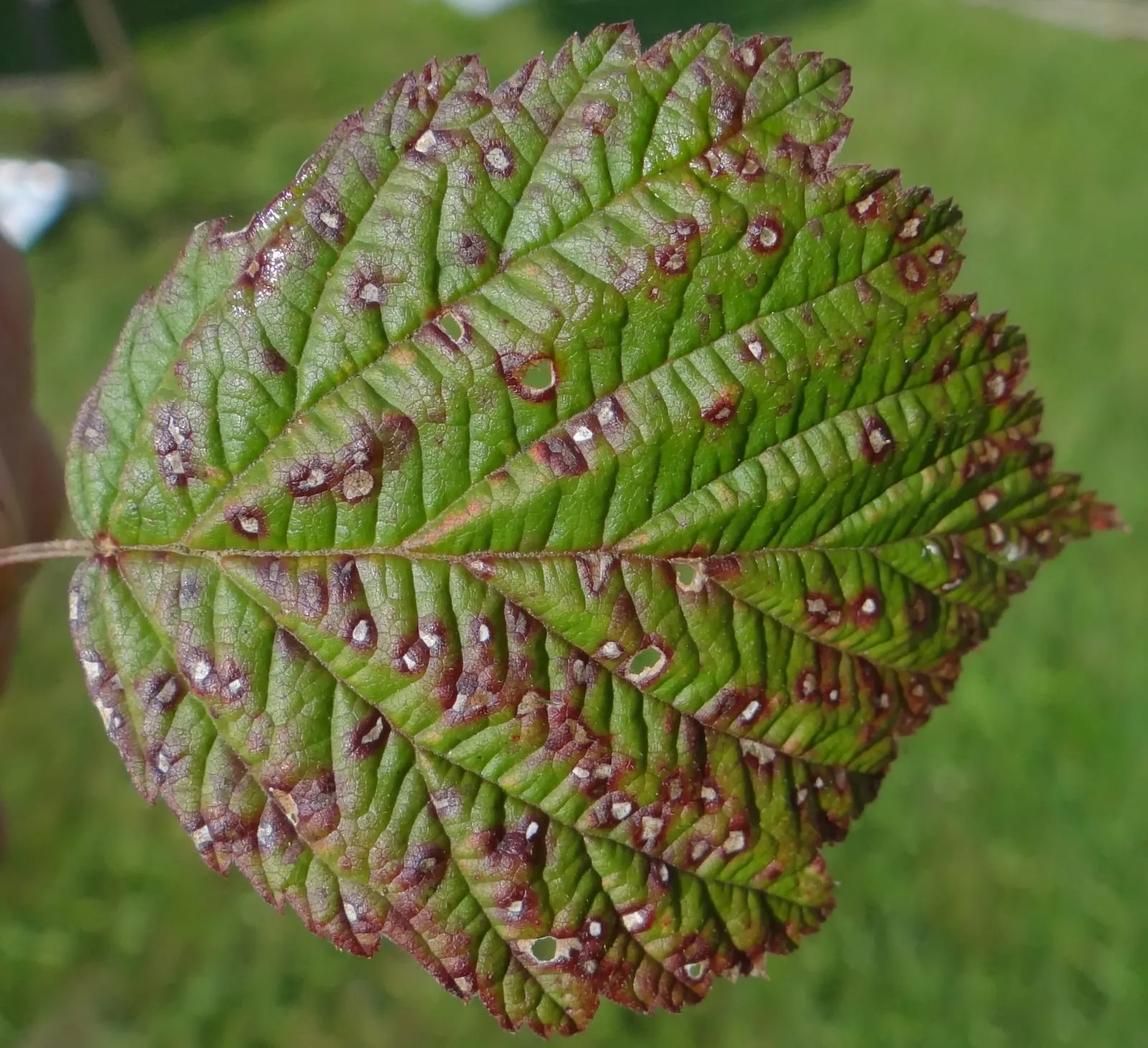
Elsinoe veneta
Fungal cane disease causing purple-bordered lesions that girdle and weaken bramble and Ribes canes, reducing yield over consecutive seasons.
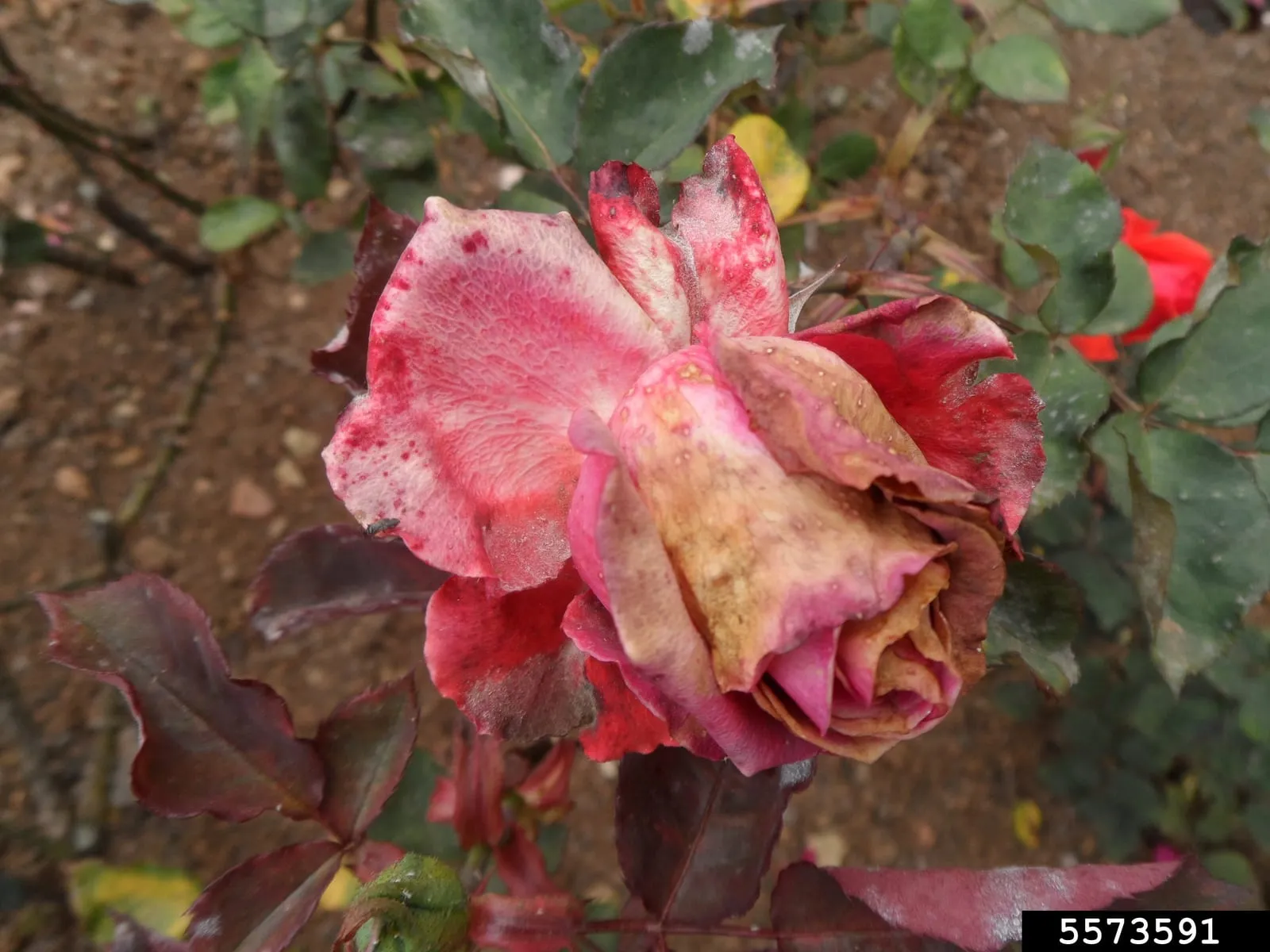
Botrytis cinerea
Ubiquitous fungal disease that causes fruit rot during cool wet weather, often the dominant berry disease in humid regions.
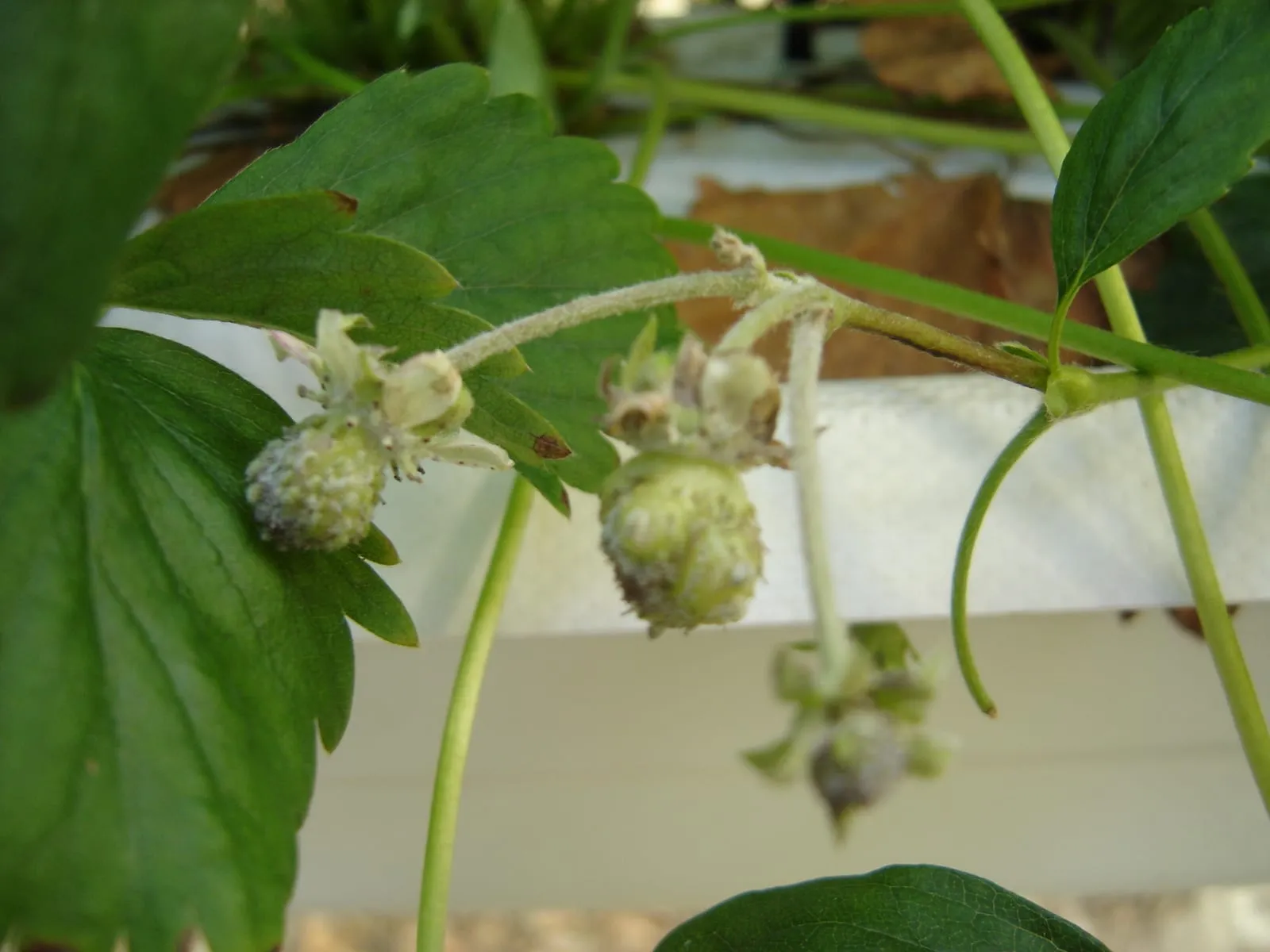
Podosphaera and Sphaerotheca species
Surface-feeding fungal disease producing white powdery growth on leaves and fruit, particularly damaging on gooseberries.
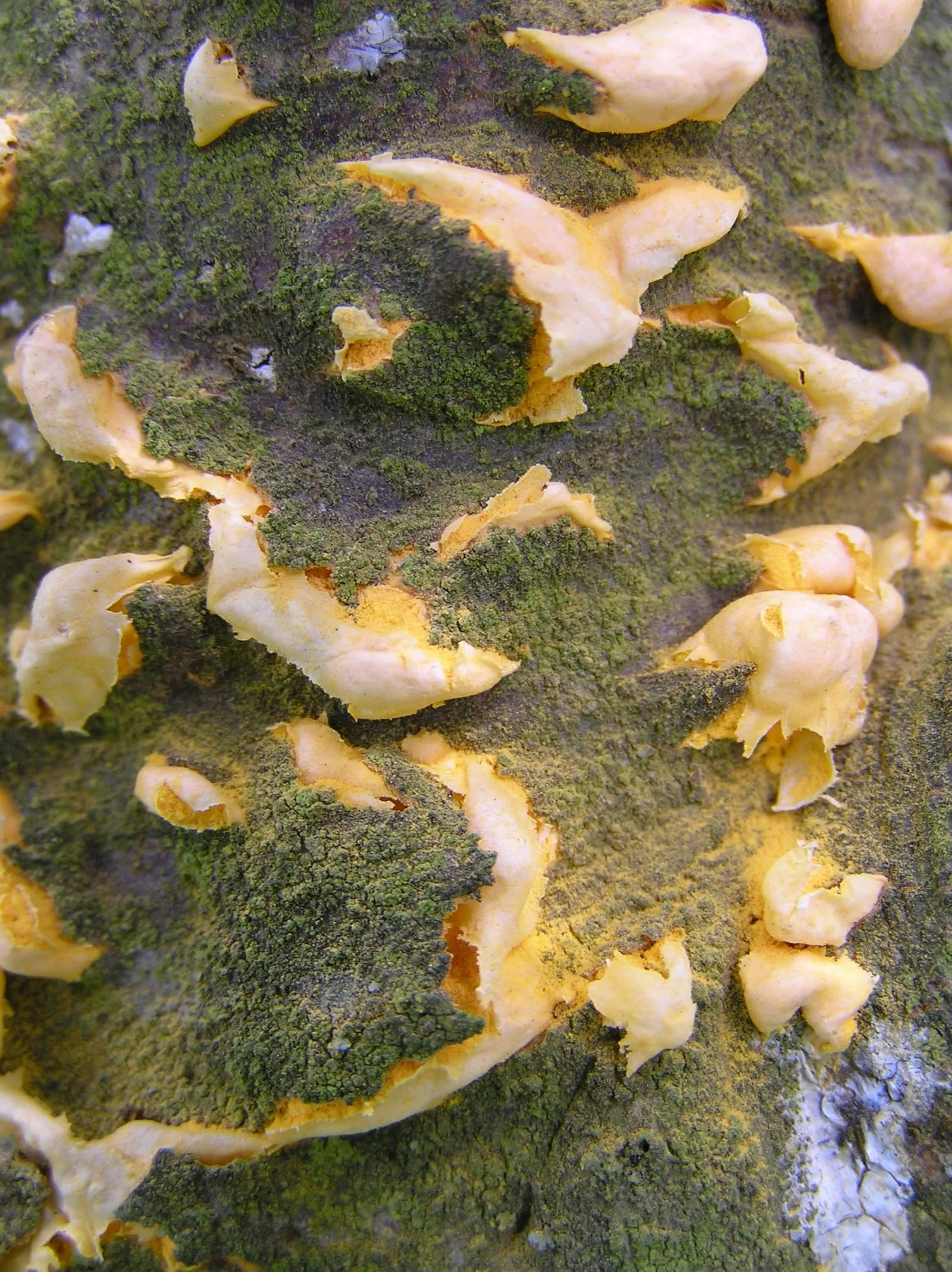
Cronartium ribicola
Two-host rust requiring both Ribes (currants and gooseberries) and white pines. Historically led to Ribes-planting bans in much of the US; some states still restrict black currant cultivation.
Modified care for zone 6a
The main adjustments in zone 6a center on disease pressure and summer heat management. Powdery mildew is more active in zone 6a than in cooler northern zones, particularly in humid summers. Captivator and Hinnonmaki Red carry meaningfully better mildew resistance than Pixwell; in high-humidity microclimates, variety selection is more consequential than any spray program.
Cane anthracnose can persist through wet springs, which are common across much of zone 6a. Late-winter cleanup, removing and destroying infected canes before bud break, reduces the fungal load heading into the growing season. Where five-needled pines grow nearby, white pine blister rust warrants attention; check current state regulations on Ribes planting distances before siting a new planting.
Japanese beetles, a documented zone challenge, will feed on gooseberry foliage in July. At low to moderate population densities, morning hand-removal into soapy water is effective without introducing pesticide residue near ripening fruit.
Gooseberry in adjacent zones
Image: "Ribes uva-crispa in Minsk", by Хомелка, via Wikimedia Commons, licensed under CC-BY Source.

Related