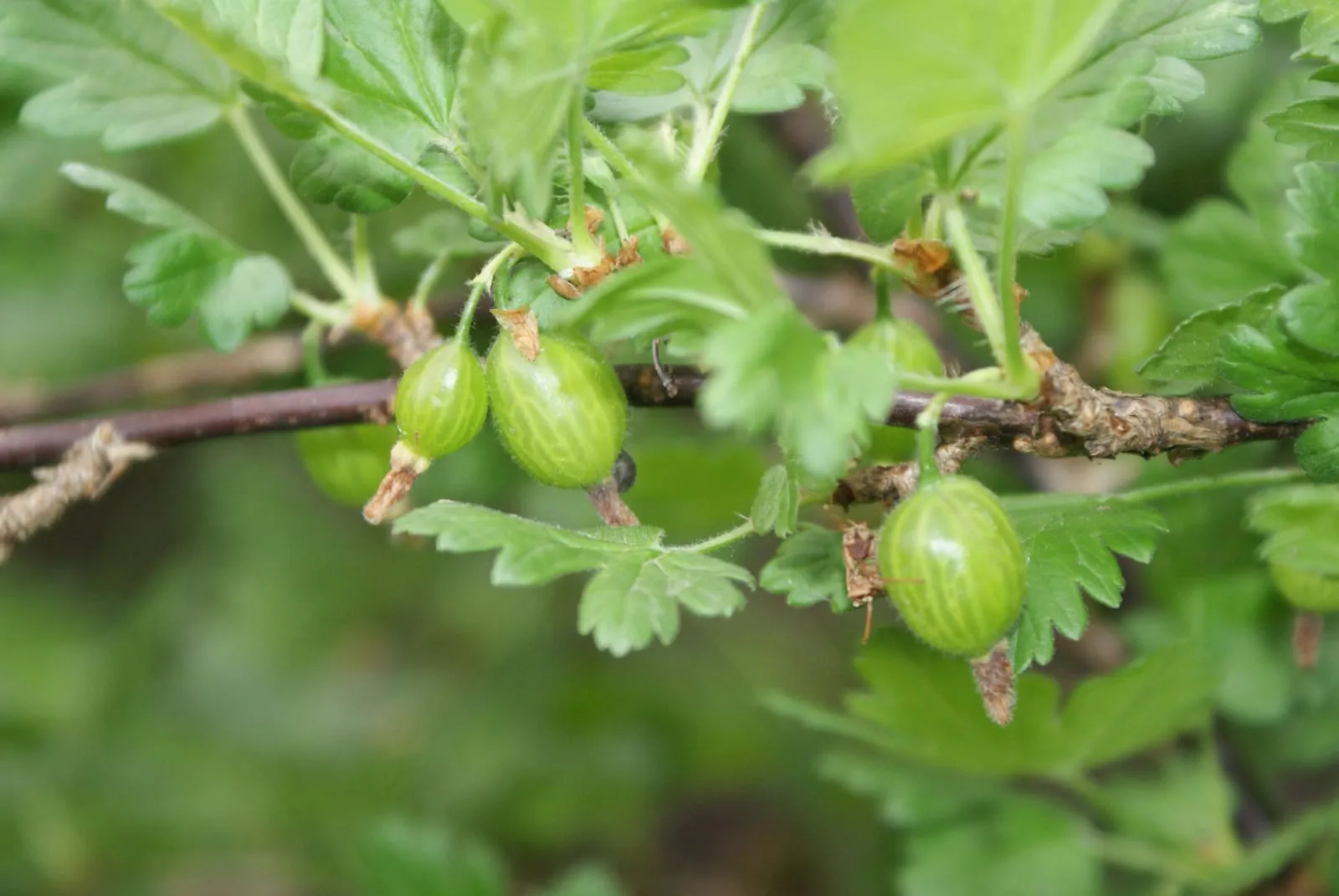
berry in zone 5b
Growing gooseberry in zone 5b
Ribes uva-crispa
- Zone
- 5b -15°F to -10°F
- Growing season
- 165 days
- Chill needed
- 800 to 1200 below 45°F
- Suitable varieties
- 4
- Days to harvest
- 80 to 100
The verdict
Zone 5b is a reliable, productive zone for gooseberries, not a marginal one. The crop requires 800 to 1,200 chill hours annually, and zone 5b winters, with lows reaching -15 to -10°F, consistently deliver well above that threshold. Gooseberries are among the more cold-hardy small fruits, and the deep dormancy that zone 5b imposes poses little risk to established canes.
The 165-day growing season is more than adequate. Gooseberries need only 60 to 90 days from bloom to ripe fruit, leaving substantial buffer on both ends of the season. Varieties like Hinnonmaki Red, Invicta, Pixwell, and Captivator were all bred or trialed in climates comparable to zone 5b and perform predictably here. Growers in zone 5b should expect consistent annual crops without the chill-hour deficits that limit gooseberries in warmer zones or the winter injury risk that complicates production in zones 3 and colder.
Recommended varieties for zone 5b
4 cultivars suited to this zone, with disease-resistance and zone-fit annotations.
| Variety | Notes | Zone fit | Disease resistance |
|---|---|---|---|
| Hinnonmaki Red fits zone 5b | Sweet-tart, complex flavor when fully ripe; fresh dessert, jam, pies. Dark red berries, classic European flavor, productive Finnish variety. Mildew-resistant. | |
|
| Invicta fits zone 5b | Tart, large pale-green berries with rich flavor; jam, pies, dessert. The British commercial standard, very productive, mildew-resistant. Heavily thorned. | |
|
| Pixwell fits zone 5b | Tart, mild, light green-pink berries; jam, pies. American variety with thornless lower canes for easier harvest. Cold-hardy and productive. | | none noted |
| Captivator fits zone 5b | Sweet-tart, large pink-red dessert berries; fresh eating, jam. Nearly thornless Canadian variety, mildew-resistant, the home-garden favorite. | |
|
Critical timing for zone 5b
Gooseberry blooms early, typically in late March to early April in zone 5b, often before last frost has passed. Zone 5b median last frost dates range from late April to early May depending on location, which means bloom and frost risk overlap. Fortunately, gooseberry flowers tolerate light frosts reasonably well, and open buds are more cold-hardy than most stone fruit blooms. Hard freezes at or below 28°F during full bloom can reduce fruit set, but partial damage is more common than total crop loss.
Harvest in zone 5b generally falls from mid-June through mid-July. Berries ripen progressively, so picking over two to three passes is typical. Harvesting slightly underripe gives firmer fruit that ships and stores better; fully ripe gooseberries soften quickly.
Common challenges in zone 5b
- ▸ Plum curculio
- ▸ Codling moth
- ▸ Cedar-apple rust
Disease pressure to watch for
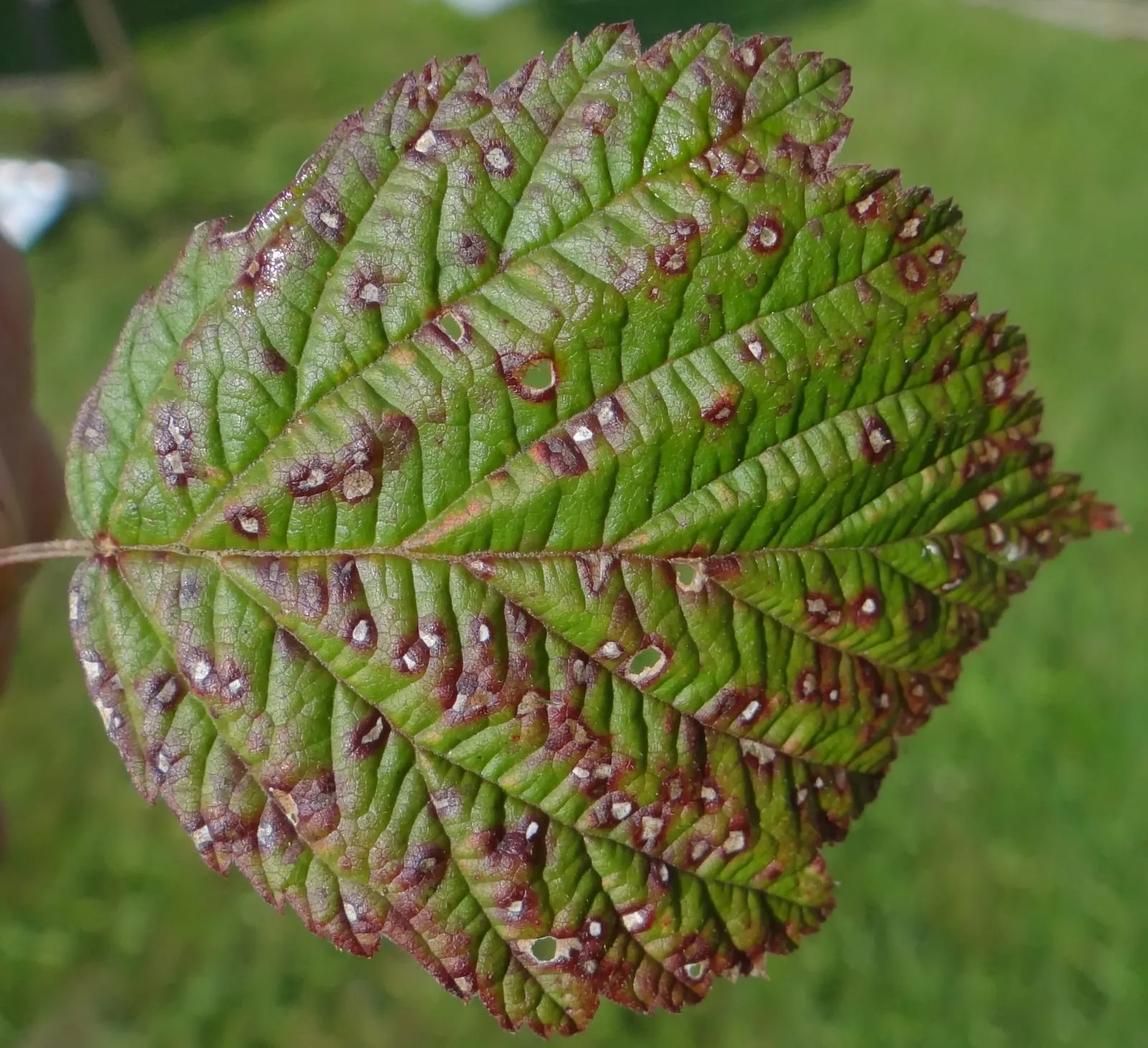
Elsinoe veneta
Fungal cane disease causing purple-bordered lesions that girdle and weaken bramble and Ribes canes, reducing yield over consecutive seasons.
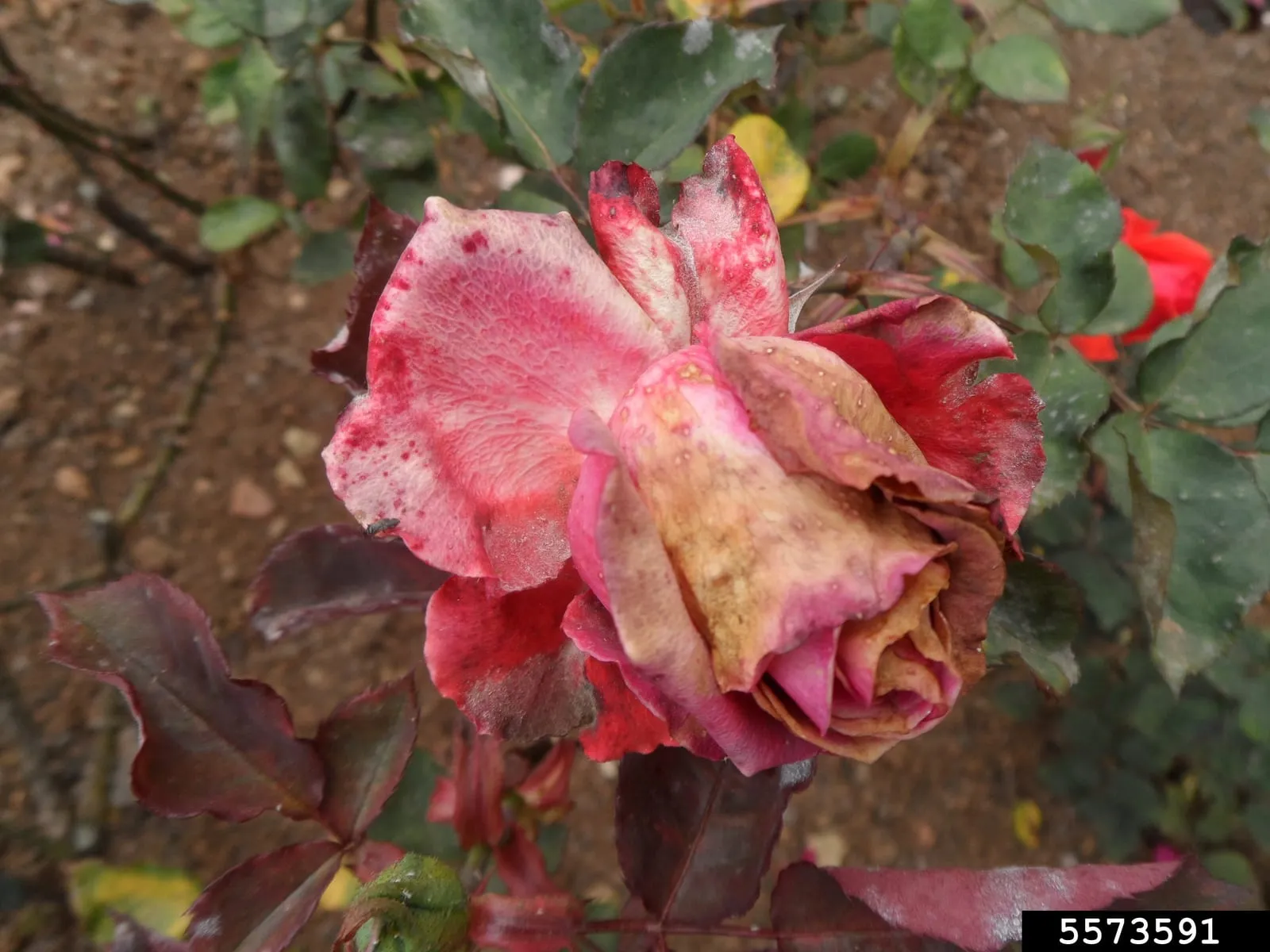
Botrytis cinerea
Ubiquitous fungal disease that causes fruit rot during cool wet weather, often the dominant berry disease in humid regions.
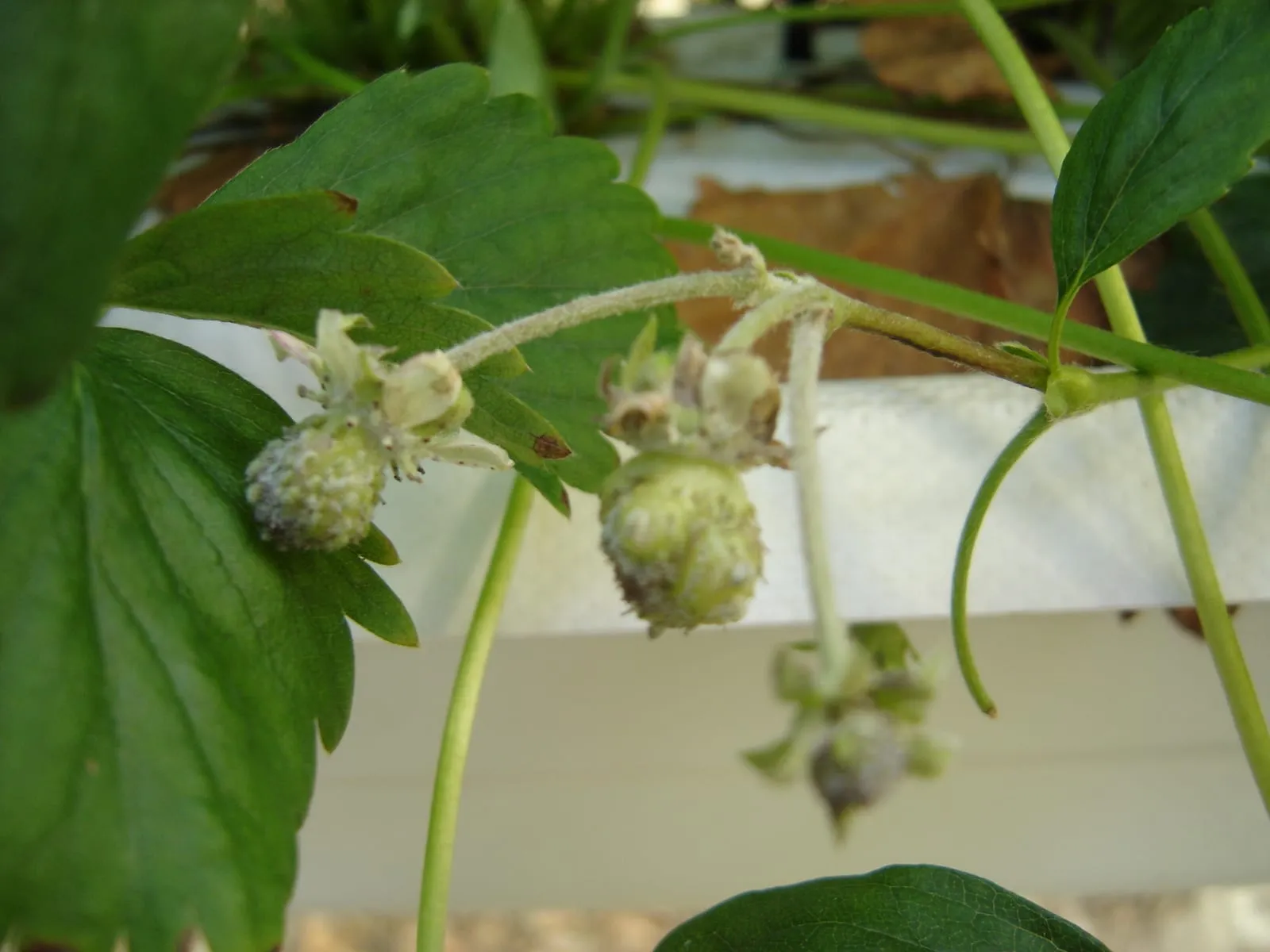
Podosphaera and Sphaerotheca species
Surface-feeding fungal disease producing white powdery growth on leaves and fruit, particularly damaging on gooseberries.
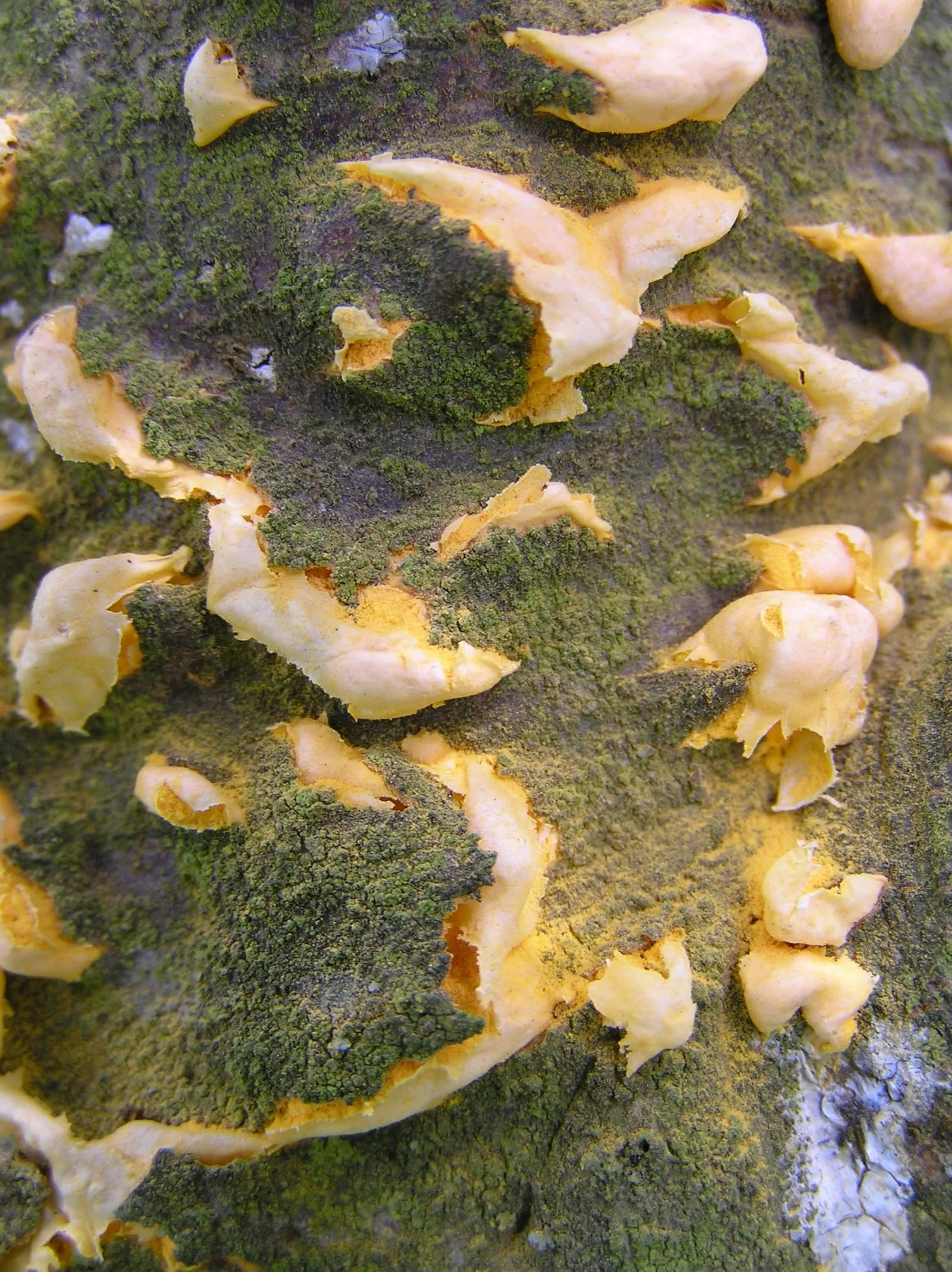
Cronartium ribicola
Two-host rust requiring both Ribes (currants and gooseberries) and white pines. Historically led to Ribes-planting bans in much of the US; some states still restrict black currant cultivation.
Modified care for zone 5b
Zone 5b growers face heavier disease pressure than growers in drier inland climates. Gray mold (Botrytis) and berry powdery mildew both intensify when wet springs coincide with the bloom-to-fruit window, which is common in humid continental climates. Spacing plants at least 4 to 5 feet apart and pruning to open the canopy center improves airflow and reduces infection rates without fungicide reliance.
White pine blister rust is a regulatory and practical concern in parts of zone 5b. Some states have historically restricted Ribes planting near white pine stands; check current local regulations before planting. Cane anthracnose can also build up in poorly pruned plantings. Remove old canes at ground level annually, keeping the plant at 8 to 12 healthy canes.
Plum curculio, one of the noted zone challenges, can cause fruit scarring. Kaolin clay applications at fruit set provide some deterrence without residue concerns.
Frequently asked questions
- Do gooseberries need winter protection in zone 5b?
Established gooseberry plants do not need mulching or wrapping in zone 5b. The crop is cold-hardy to well below zone 5b minimums. First-year plantings benefit from a light mulch layer over the root zone to moderate soil temperature swings, but cane protection is unnecessary.
- Which gooseberry variety performs best in zone 5b?
Hinnonmaki Red and Captivator both show strong performance in zone 5b, with Captivator offering the added benefit of nearly thornless canes. Pixwell is widely grown in cold-climate regions and is reliably productive, though fruit quality is considered average compared to European-type varieties.
- Can gooseberries be planted near white pines in zone 5b?
White pine blister rust uses Ribes species as an alternate host. Some states in the zone 5b range have had planting restrictions near white pine stands, though many have been relaxed. Check with your state's department of agriculture before planting if white pines are present on or near the property.
+−
+−
+−
Gooseberry in adjacent zones
Image: "Ribes uva-crispa in Minsk", by Хомелка, via Wikimedia Commons, licensed under CC-BY Source.

Related