berry in zone 5a
Growing gooseberry in zone 5a
Ribes uva-crispa
- Zone
- 5a -20°F to -15°F
- Growing season
- 150 days
- Chill needed
- 800 to 1200 below 45°F
- Suitable varieties
- 4
- Days to harvest
- 80 to 100
The verdict
Zone 5a is a reliable, comfortable climate for gooseberries, not a marginal one. Most gooseberry cultivars are rated to zone 3 or 4, tolerating winter lows well below zone 5a's floor of -20 to -15°F. Cold hardiness is not a limiting factor here.
The more useful question is chill-hour accumulation. Gooseberries require 800 to 1,200 hours below 45°F to break dormancy and fruit reliably. Zone 5a typically exceeds 1,000 chill hours in most winters, satisfying the upper end of that range for all four varieties listed (Hinnonmaki Red, Invicta, Pixwell, and Captivator). Growers can expect consistent blooming and fruit set year to year, without the variability that creeps in as zones warm. The 150-day growing season is sufficient for fruit to size up and ripen before fall frost arrives. Among fruiting shrubs, gooseberries may actually perform more predictably in zones 4 through 6 than in any other part of their range, and zone 5a sits near the center of that window.
Recommended varieties for zone 5a
4 cultivars suited to this zone, with disease-resistance and zone-fit annotations.
| Variety | Notes | Zone fit | Disease resistance |
|---|---|---|---|
| Hinnonmaki Red fits zone 5a | Sweet-tart, complex flavor when fully ripe; fresh dessert, jam, pies. Dark red berries, classic European flavor, productive Finnish variety. Mildew-resistant. | |
|
| Invicta fits zone 5a | Tart, large pale-green berries with rich flavor; jam, pies, dessert. The British commercial standard, very productive, mildew-resistant. Heavily thorned. | |
|
| Pixwell fits zone 5a | Tart, mild, light green-pink berries; jam, pies. American variety with thornless lower canes for easier harvest. Cold-hardy and productive. | | none noted |
| Captivator fits zone 5a | Sweet-tart, large pink-red dessert berries; fresh eating, jam. Nearly thornless Canadian variety, mildew-resistant, the home-garden favorite. | |
|
Critical timing for zone 5a
Gooseberries break dormancy and bloom early relative to most other fruiting shrubs, typically late March through mid-April in zone 5a. The zone's last spring frost averages late April to early May across most locations, which creates a genuine overlap between open flowers and below-freezing temperatures in some years. A hard frost during bloom reduces fruit set, though the plant itself sustains little damage. Harvest for the listed varieties falls in June through early July, well ahead of fall frost risk.
The bloom-to-frost overlap is the primary timing concern in this zone. Avoiding frost pockets and low-lying sites where cold air pools overnight reduces exposure during the critical bloom window. Gooseberries produce on second-year and older wood, so a single season of frost-damaged bloom does not require resetting the planting; the bush rebounds and fruits normally the following year.
Common challenges in zone 5a
- ▸ Fire blight in pears
- ▸ Cedar-apple rust
- ▸ Late spring frosts
Disease pressure to watch for
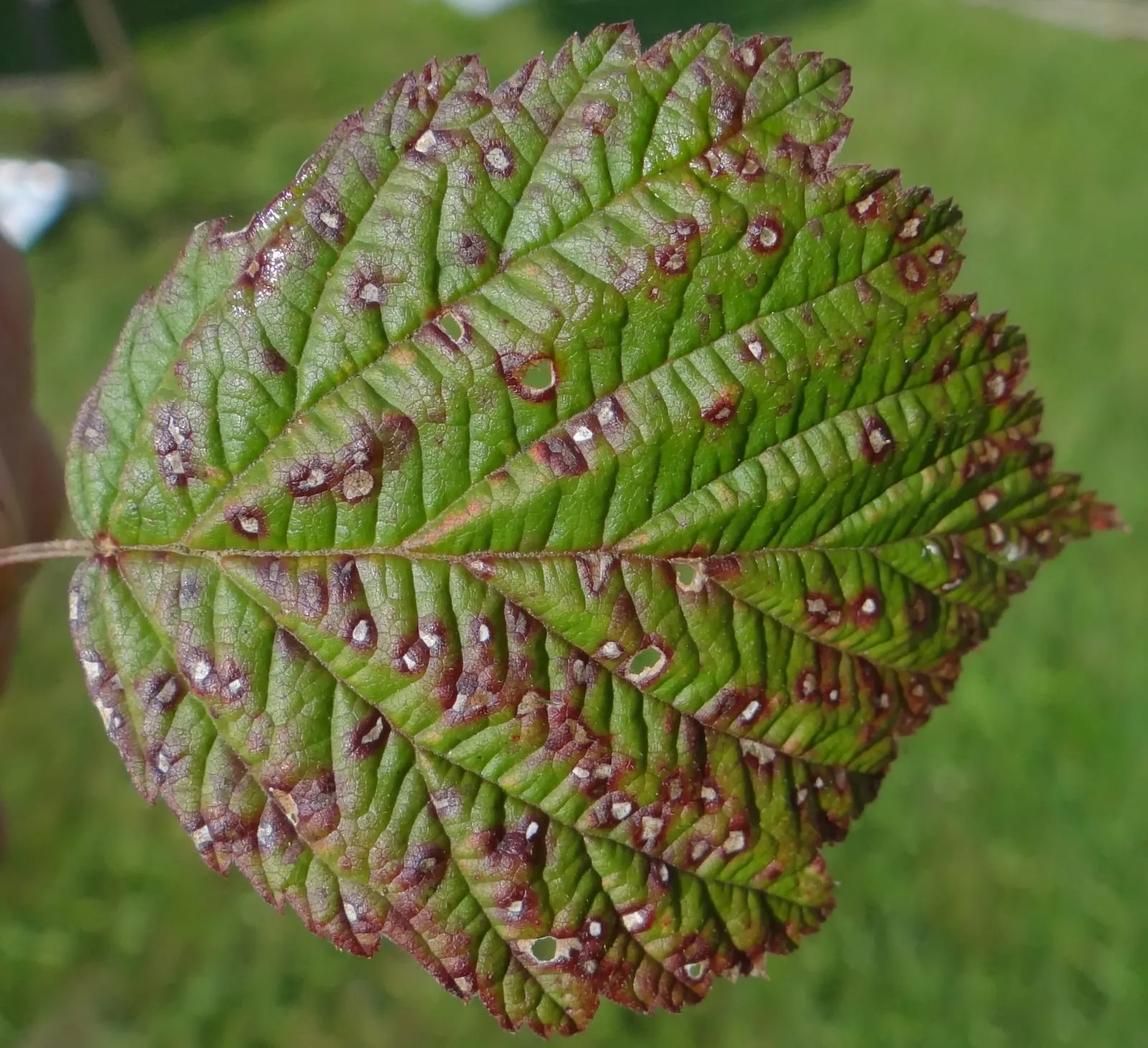
Elsinoe veneta
Fungal cane disease causing purple-bordered lesions that girdle and weaken bramble and Ribes canes, reducing yield over consecutive seasons.
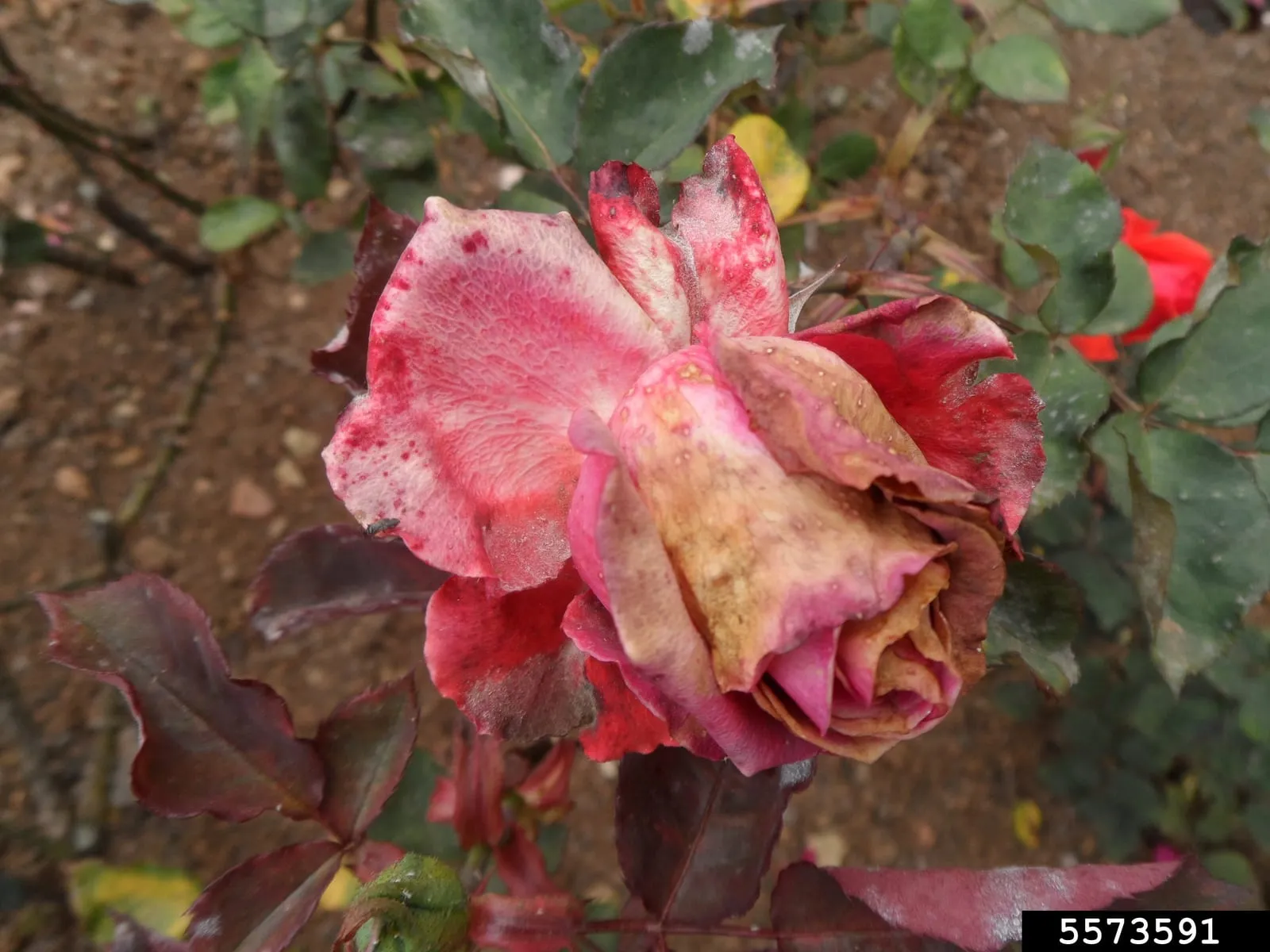
Botrytis cinerea
Ubiquitous fungal disease that causes fruit rot during cool wet weather, often the dominant berry disease in humid regions.
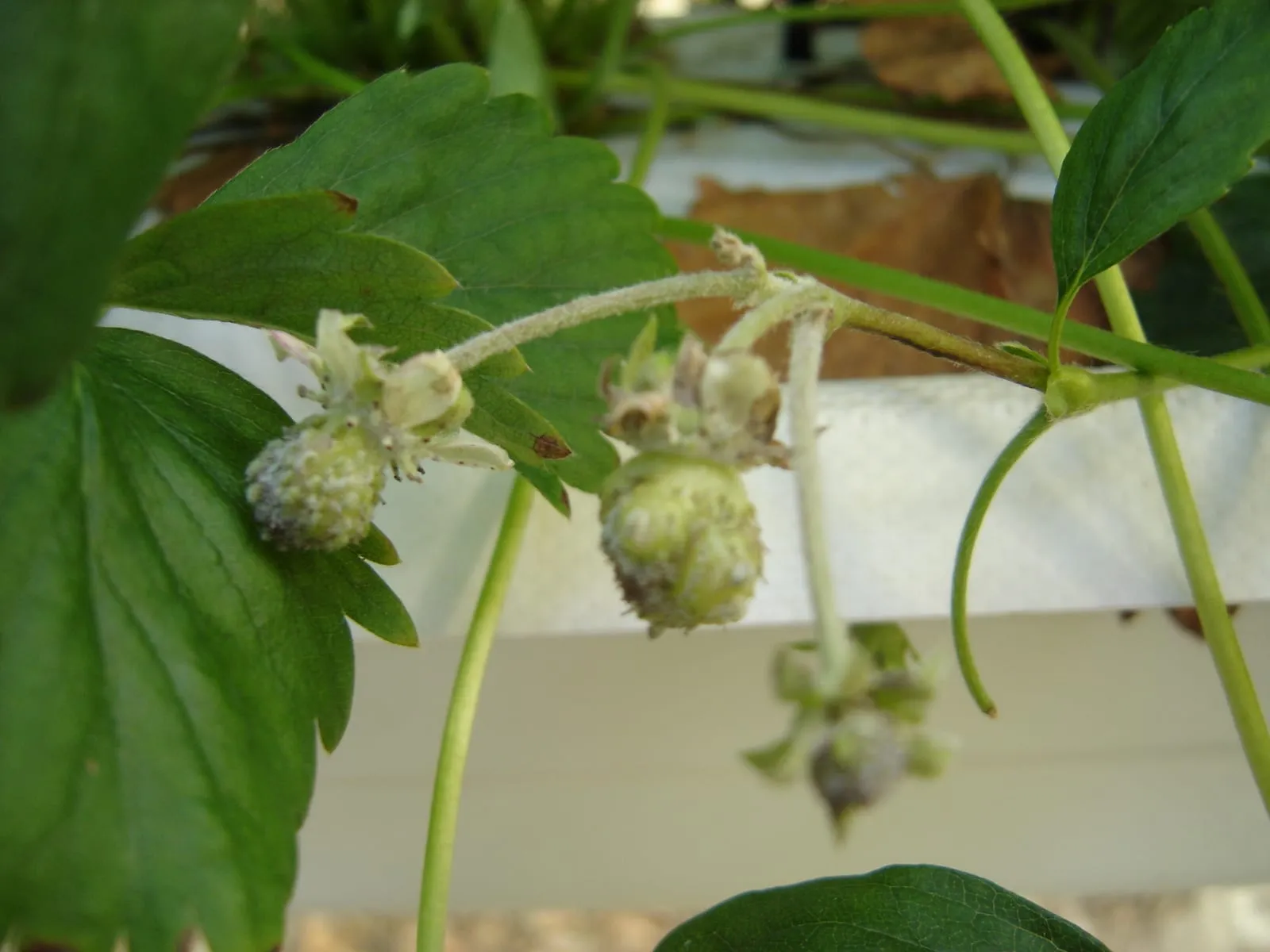
Podosphaera and Sphaerotheca species
Surface-feeding fungal disease producing white powdery growth on leaves and fruit, particularly damaging on gooseberries.
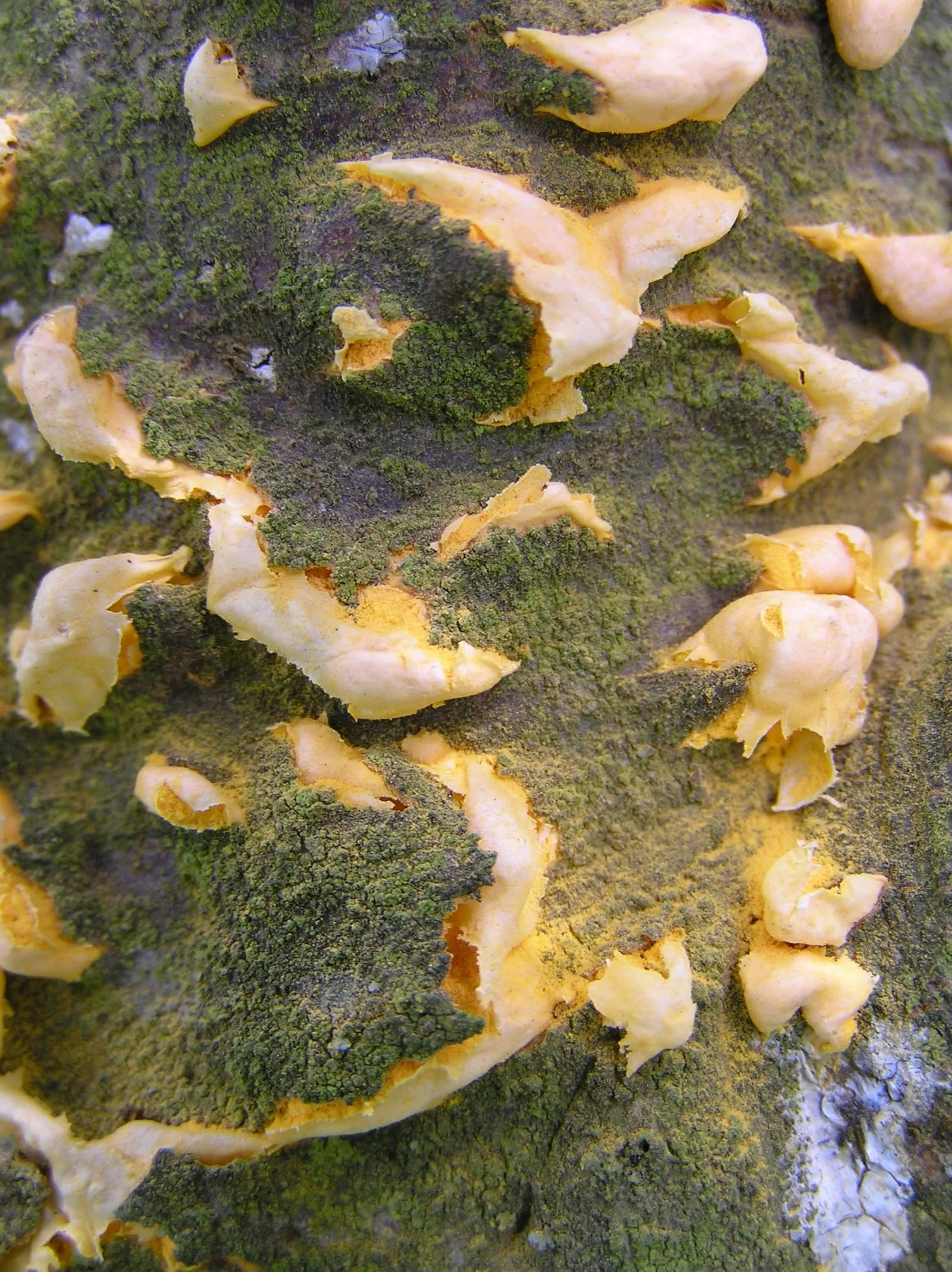
Cronartium ribicola
Two-host rust requiring both Ribes (currants and gooseberries) and white pines. Historically led to Ribes-planting bans in much of the US; some states still restrict black currant cultivation.
Modified care for zone 5a
White Pine Blister Rust deserves attention before establishing a new planting. Gooseberries and currants are alternate hosts for Cronartium ribicola, the pathogen responsible, which requires both a five-needled white pine and a Ribes host to complete its life cycle. Several northeastern and Great Lakes states within zone 5a historically restricted or banned Ribes planting near white pine stands; regulations vary by state and have shifted over time. Checking current state extension guidance before planting is worth the step.
Powdery mildew is the more routine management challenge. Cool, humid spring conditions typical of zone 5a favor early infection. Captivator and Hinnonmaki Red carry better mildew resistance than Pixwell or older open-pollinated selections, though no variety is fully immune. Gray mold (Botrytis) can damage fruit clusters during wet harvest periods; maintaining an open canopy through annual cane thinning reduces interior humidity and limits infection sites. No supplemental winter protection is needed for established plants in this zone.
Gooseberry in adjacent zones
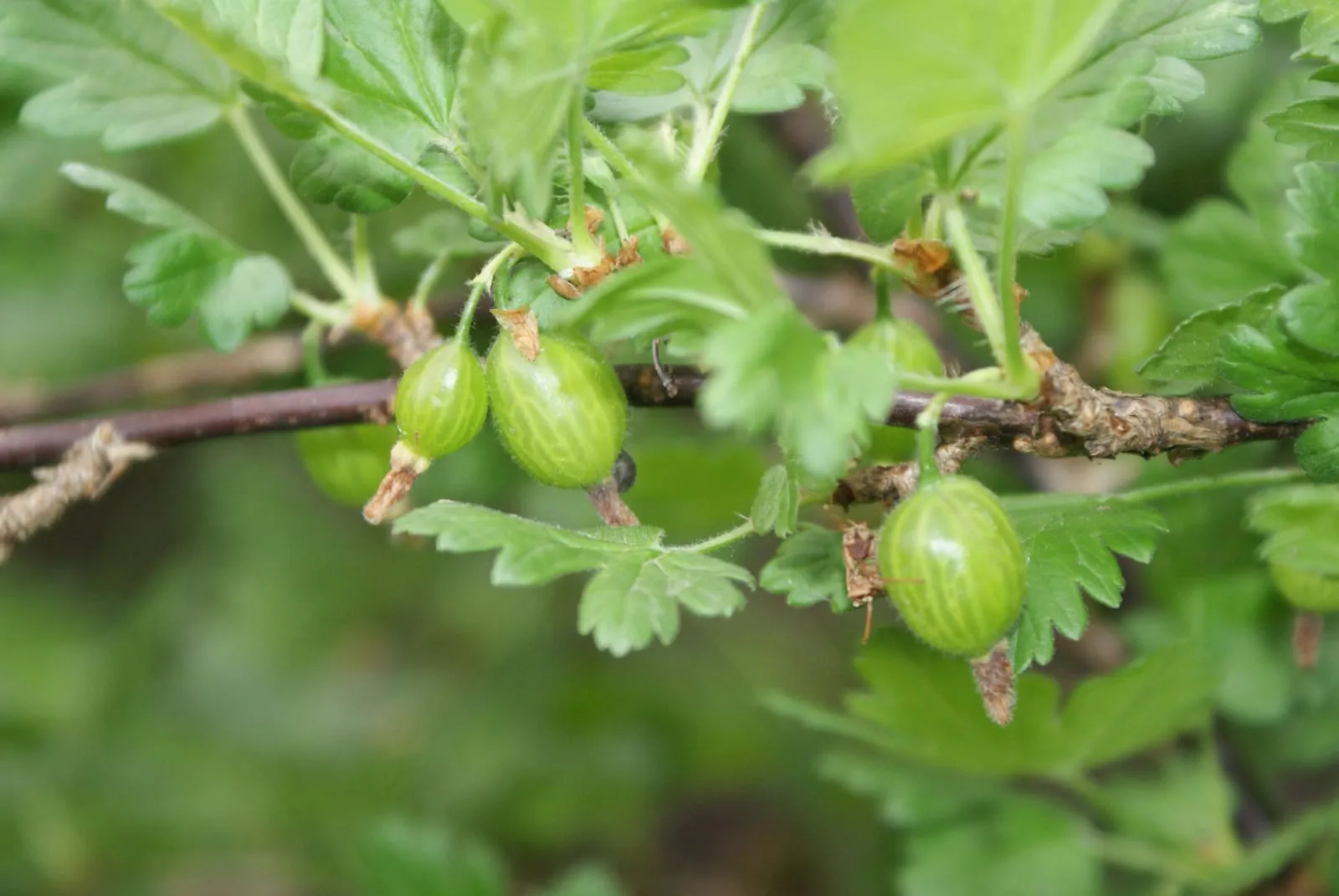
Image: "Ribes uva-crispa in Minsk", by Хомелка, via Wikimedia Commons, licensed under CC-BY Source.

Related