berry in zone 4b
Growing gooseberry in zone 4b
Ribes uva-crispa
- Zone
- 4b -25°F to -20°F
- Growing season
- 130 days
- Chill needed
- 800 to 1200 below 45°F
- Suitable varieties
- 4
- Days to harvest
- 80 to 100
The verdict
Zone 4b sits squarely in gooseberry's preferred range. The crop requires 800 to 1,200 chill hours annually, and zone 4b winters reliably deliver that accumulation with room to spare. Winter lows of -20 to -25°F are within tolerance for established plants of most named varieties, though cane dieback remains a realistic possibility during the coldest winters. This is not a marginal zone for gooseberry; it is closer to a sweet spot, particularly for varieties bred in northern Europe and the upper Midwest.
The 130-day growing season is adequate for fruit to develop and ripen before fall frosts arrive. The main constraint is not cold tolerance but spring frost timing: gooseberry blooms early, and a late freeze after bloom can eliminate the crop for that year. Variety selection matters. Hinnonmaki Red and Captivator tend toward slightly later bloom than Pixwell, which provides a modest buffer against the late-frost risk that zone 4b growers know well.
Recommended varieties for zone 4b
4 cultivars suited to this zone, with disease-resistance and zone-fit annotations.
| Variety | Notes | Zone fit | Disease resistance |
|---|---|---|---|
| Hinnonmaki Red fits zone 4b | Sweet-tart, complex flavor when fully ripe; fresh dessert, jam, pies. Dark red berries, classic European flavor, productive Finnish variety. Mildew-resistant. | |
|
| Invicta fits zone 4b | Tart, large pale-green berries with rich flavor; jam, pies, dessert. The British commercial standard, very productive, mildew-resistant. Heavily thorned. | |
|
| Pixwell fits zone 4b | Tart, mild, light green-pink berries; jam, pies. American variety with thornless lower canes for easier harvest. Cold-hardy and productive. | | none noted |
| Captivator fits zone 4b | Sweet-tart, large pink-red dessert berries; fresh eating, jam. Nearly thornless Canadian variety, mildew-resistant, the home-garden favorite. | |
|
Critical timing for zone 4b
Gooseberry blooms in zone 4b typically from late April into early May, depending on the specific microclimate and how warm the preceding weeks have been. This early bloom window overlaps directly with the zone's late-frost risk period, making spring frost one of the most consequential variables for annual yield. A hard freeze below 28°F after petal set can cause significant fruit drop.
Harvest falls in July for most varieties, with Pixwell ripening slightly earlier and Hinnonmaki Red extending into late July. The 130-day growing season gives adequate time between last frost and harvest, so the window itself is workable. The risk is concentrated at bloom, not at the end of the season.
Common challenges in zone 4b
- ▸ Spring frost timing
- ▸ Apple scab pressure
- ▸ Cane berry winter dieback
Disease pressure to watch for
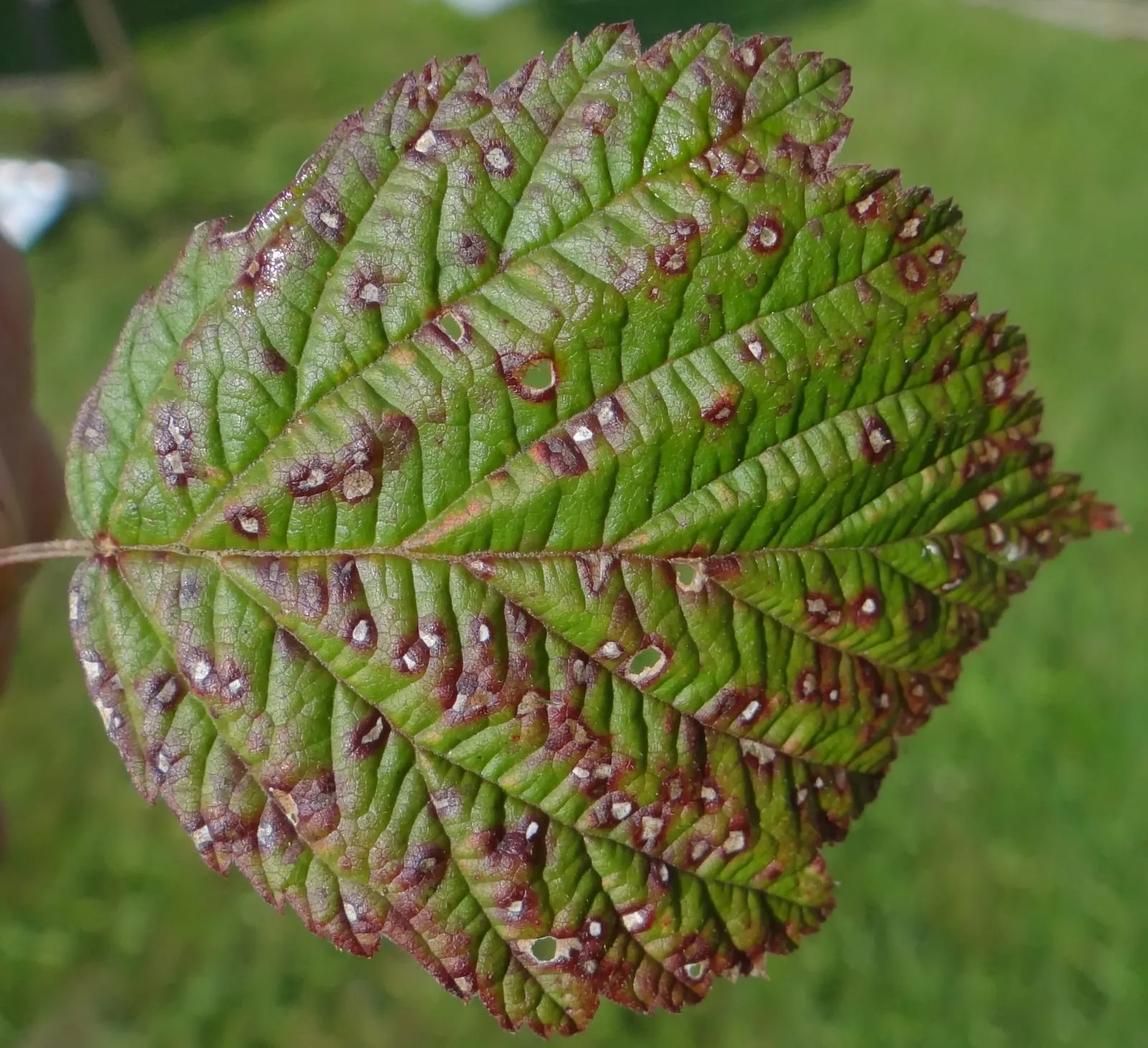
Elsinoe veneta
Fungal cane disease causing purple-bordered lesions that girdle and weaken bramble and Ribes canes, reducing yield over consecutive seasons.
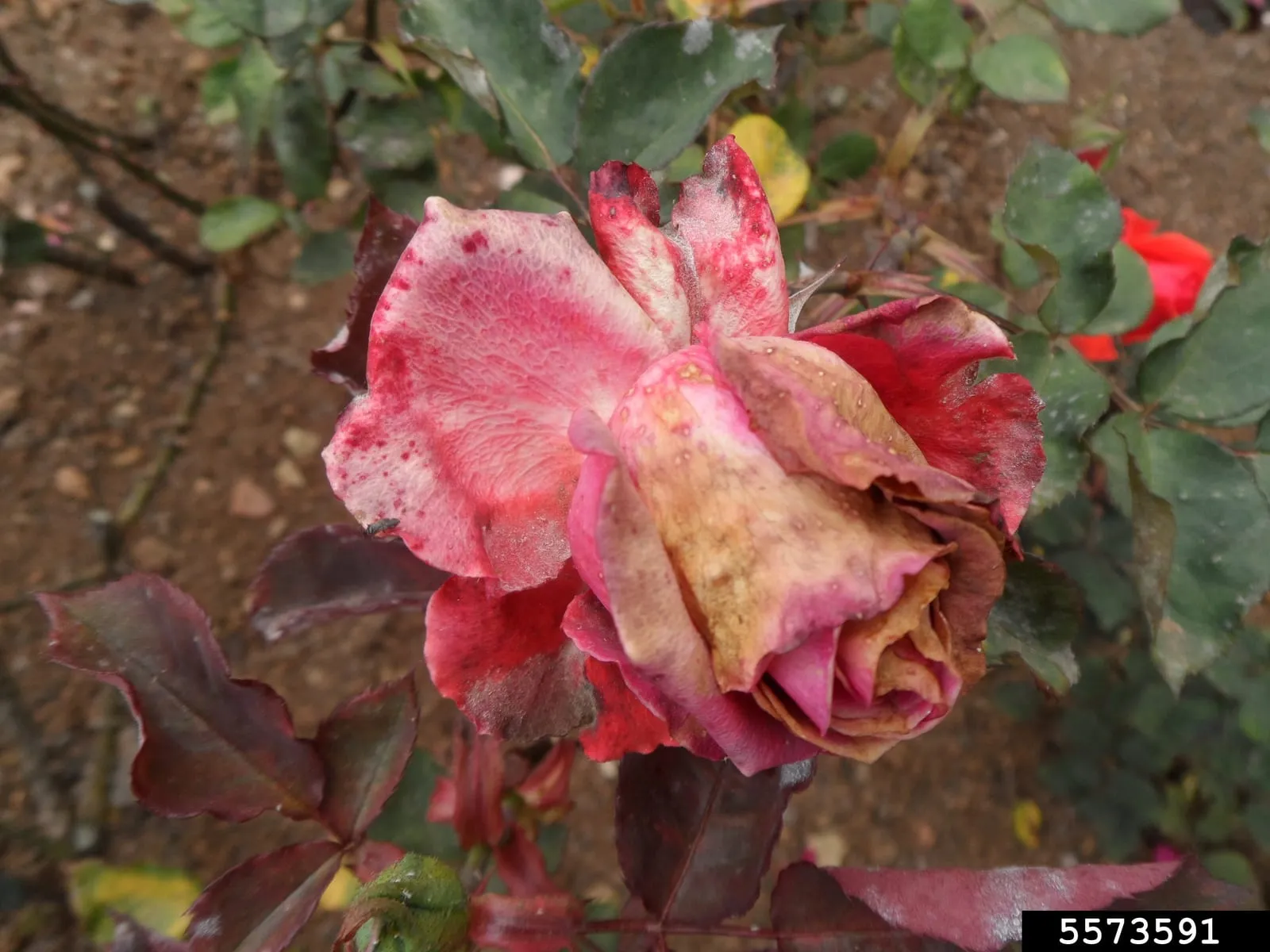
Botrytis cinerea
Ubiquitous fungal disease that causes fruit rot during cool wet weather, often the dominant berry disease in humid regions.
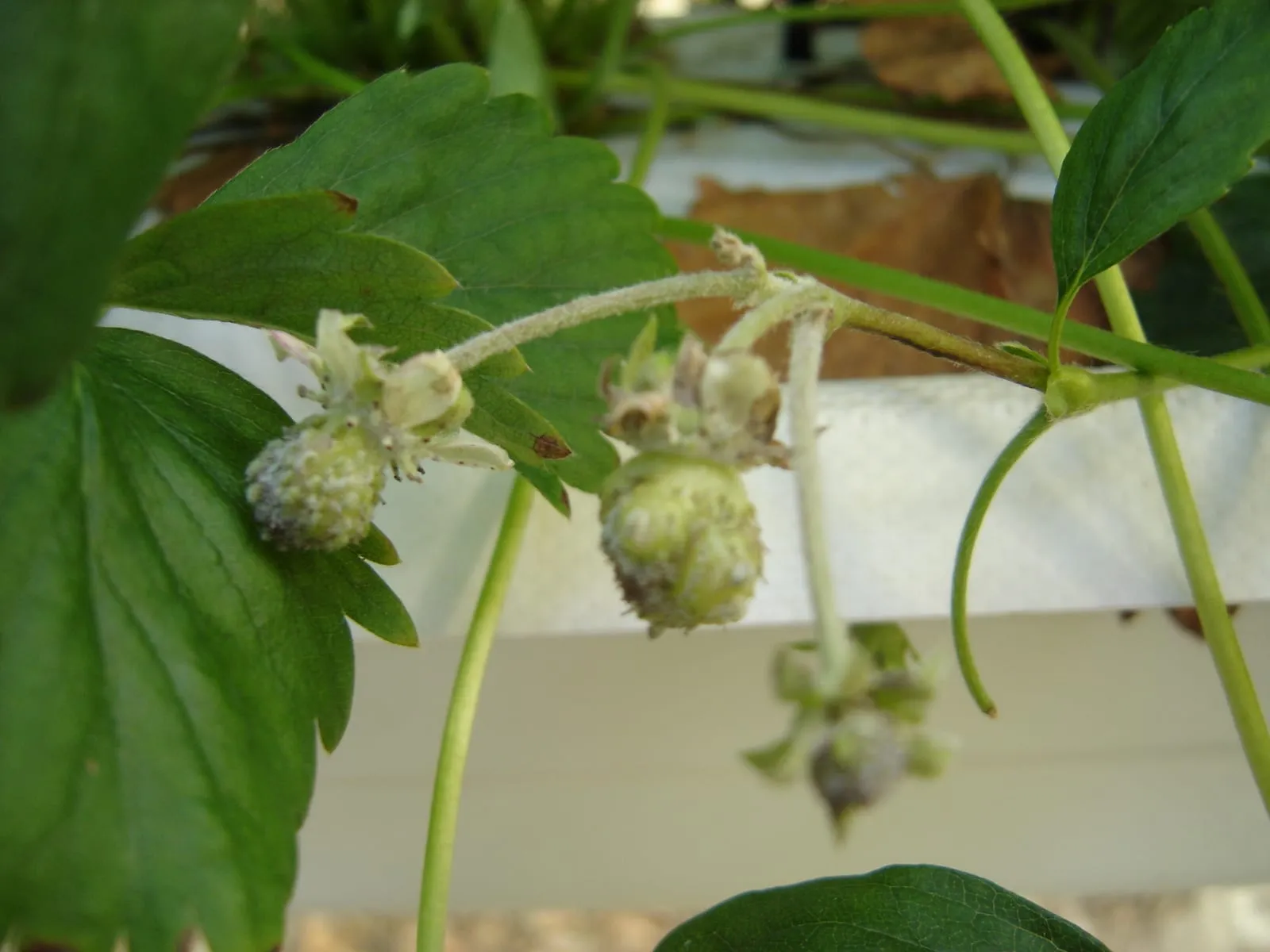
Podosphaera and Sphaerotheca species
Surface-feeding fungal disease producing white powdery growth on leaves and fruit, particularly damaging on gooseberries.
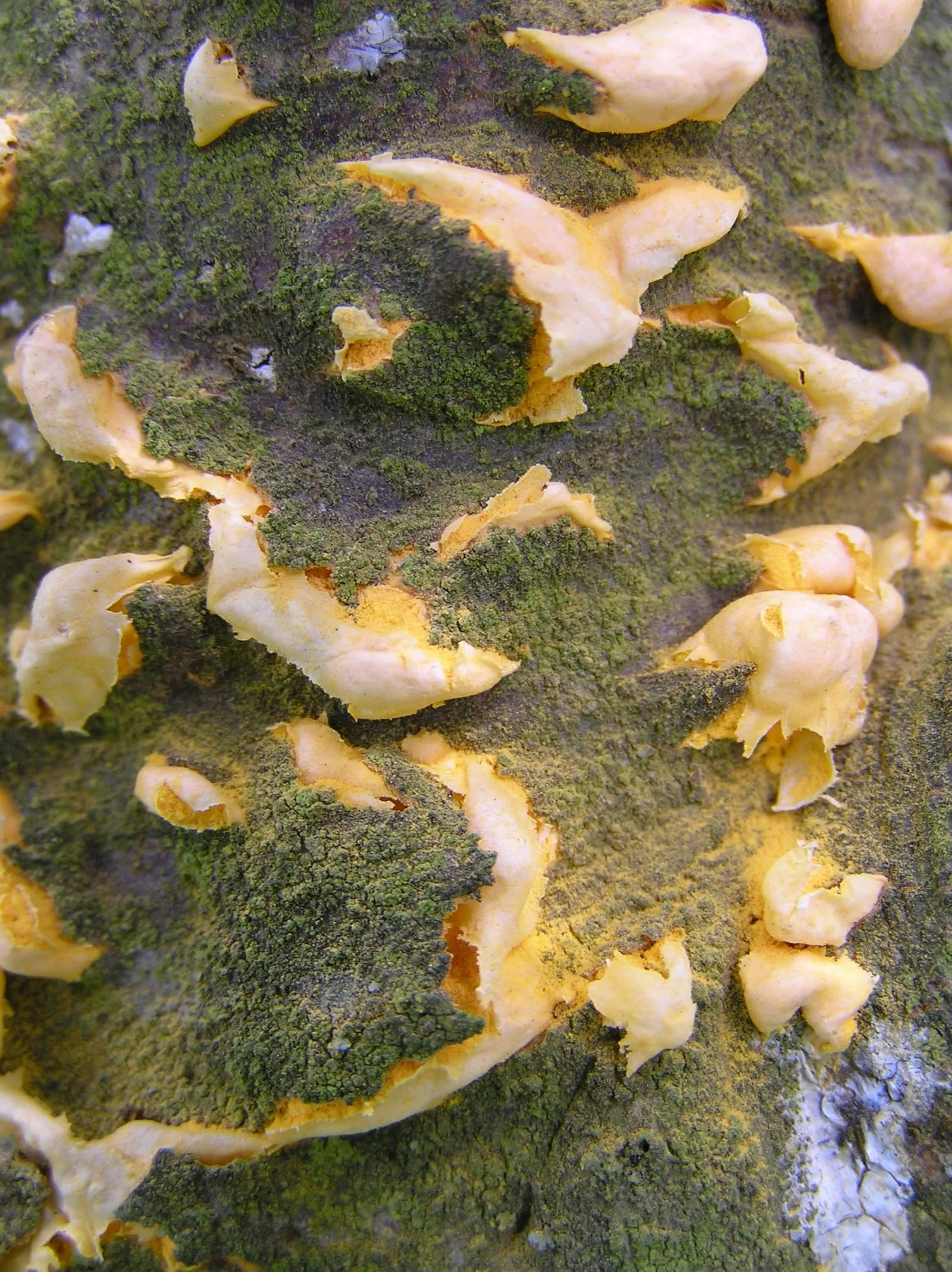
Cronartium ribicola
Two-host rust requiring both Ribes (currants and gooseberries) and white pines. Historically led to Ribes-planting bans in much of the US; some states still restrict black currant cultivation.
Modified care for zone 4b
Winter dieback is the most consistent management challenge in zone 4b. Established canes tolerate significant cold, but newly planted shrubs and thin-diameter canes are more vulnerable. Avoiding fall nitrogen applications helps harden canes before dormancy. In exposed sites, a light mulch over the root zone reduces frost heaving in the first year or two.
White pine blister rust is a real concern throughout the zone. Gooseberries are an alternate host; planting within several hundred feet of five-needled white pines creates an ongoing disease cycle. Some counties still have restrictions on Ribes plantings near white pine stands, so confirming local regulations before establishing a planting is worth the effort.
Gray mold and powdery mildew both thrive in the cool, humid conditions that characterize zone 4b springs. Good air circulation through consistent pruning, keeping three to four canes per age class and removing older wood annually, is the most effective structural defense against both.
Frequently asked questions
- Is zone 4b cold enough to damage gooseberry plants in winter?
Established gooseberry plants tolerate zone 4b winters reasonably well, but young plants and thin canes can suffer dieback at -20 to -25°F. First-year plants benefit from root mulching. Named varieties like Hinnonmaki Red and Captivator have demonstrated hardiness in this range.
- Why does spring frost matter more than winter cold for gooseberry in zone 4b?
Gooseberry blooms early, typically late April to early May in zone 4b. A freeze after bloom has set can wipe out that year's fruit crop even if the plant itself is unharmed. Winter cold rarely kills mature plants outright; late frost after bloom is the more common yield loss.
- Do I need to worry about white pine blister rust when growing gooseberry in zone 4b?
Yes. Gooseberries are an alternate host for white pine blister rust, and zone 4b has significant white pine populations. Avoid planting near five-needled pines, and check whether your county or state has Ribes planting restrictions, as some still do.
- Which gooseberry varieties perform best in zone 4b?
Hinnonmaki Red, Captivator, Invicta, and Pixwell are all documented as performing reliably in zone 4b conditions. Hinnonmaki Red and Captivator are generally favored for their later bloom, which reduces frost-loss risk in cold-spring years.
+−
+−
+−
+−
Gooseberry in adjacent zones
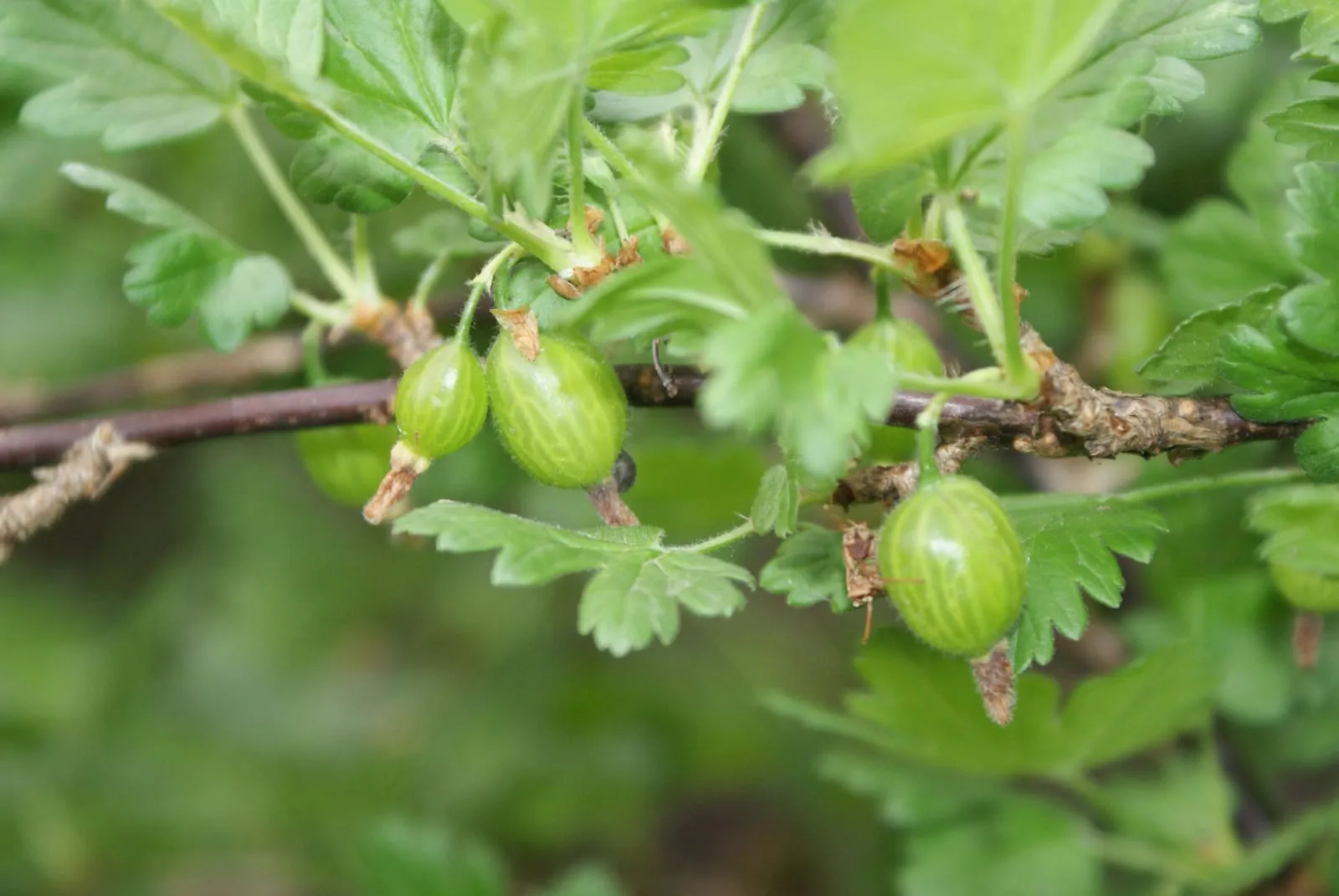
Image: "Ribes uva-crispa in Minsk", by Хомелка, via Wikimedia Commons, licensed under CC-BY Source.

Related