berry in zone 3b
Growing gooseberry in zone 3b
Ribes uva-crispa
- Zone
- 3b -35°F to -30°F
- Growing season
- 100 days
- Chill needed
- 800 to 1200 below 45°F
- Suitable varieties
- 4
- Days to harvest
- 80 to 100
The verdict
Gooseberry is well matched to zone 3b, not marginal. Winter minimum temperatures of -35 to -30°F fall comfortably within the cold tolerance of most named varieties, and the zone delivers chill hours far in excess of the 800 to 1,200 hours the crop requires. In regions where winters reliably drop below -20°F, chilling is rarely the constraint.
The real question in zone 3b is season length. At roughly 100 frost-free days, the window is tight but workable. Gooseberries are among the earliest-ripening small fruits, and cultivars selected for northern production, including Hinnonmaki Red, Pixwell, and Captivator, typically complete fruit development within that window. Invicta is productive and vigorous, though its later ripening can push against hard fall frosts in the coldest parts of the zone.
Zone 3b is closer to a sweet spot than a stretch for gooseberry, provided site selection accounts for wind exposure and soil drainage. The limiting factors are operational, not climatic.
Recommended varieties for zone 3b
4 cultivars suited to this zone, with disease-resistance and zone-fit annotations.
| Variety | Notes | Zone fit | Disease resistance |
|---|---|---|---|
| Hinnonmaki Red fits zone 3b | Sweet-tart, complex flavor when fully ripe; fresh dessert, jam, pies. Dark red berries, classic European flavor, productive Finnish variety. Mildew-resistant. | |
|
| Invicta fits zone 3b | Tart, large pale-green berries with rich flavor; jam, pies, dessert. The British commercial standard, very productive, mildew-resistant. Heavily thorned. | |
|
| Pixwell fits zone 3b | Tart, mild, light green-pink berries; jam, pies. American variety with thornless lower canes for easier harvest. Cold-hardy and productive. | | none noted |
| Captivator fits zone 3b | Sweet-tart, large pink-red dessert berries; fresh eating, jam. Nearly thornless Canadian variety, mildew-resistant, the home-garden favorite. | |
|
Critical timing for zone 3b
In zone 3b, gooseberry bloom typically falls in late May to early June, after the last hard frosts have passed but often coinciding with the tail end of frost risk. Early-blooming varieties carry some exposure to late spring freezes; a sheltered, slightly elevated site reduces this risk by improving cold air drainage.
Fruit development runs approximately 60 to 75 days from bloom, placing harvest in late July through mid-August for most varieties. Hinnonmaki Red and Pixwell tend to ripen earlier in this window; Captivator somewhat later. The first fall frosts in zone 3b arrive in early to mid-September, so most varieties complete harvest with a few weeks of margin. In the coldest pockets of the zone, selecting the earliest-ripening options is worth prioritizing.
Common challenges in zone 3b
- ▸ Short season
- ▸ Winter desiccation
- ▸ Site selection critical for fruit trees
Disease pressure to watch for
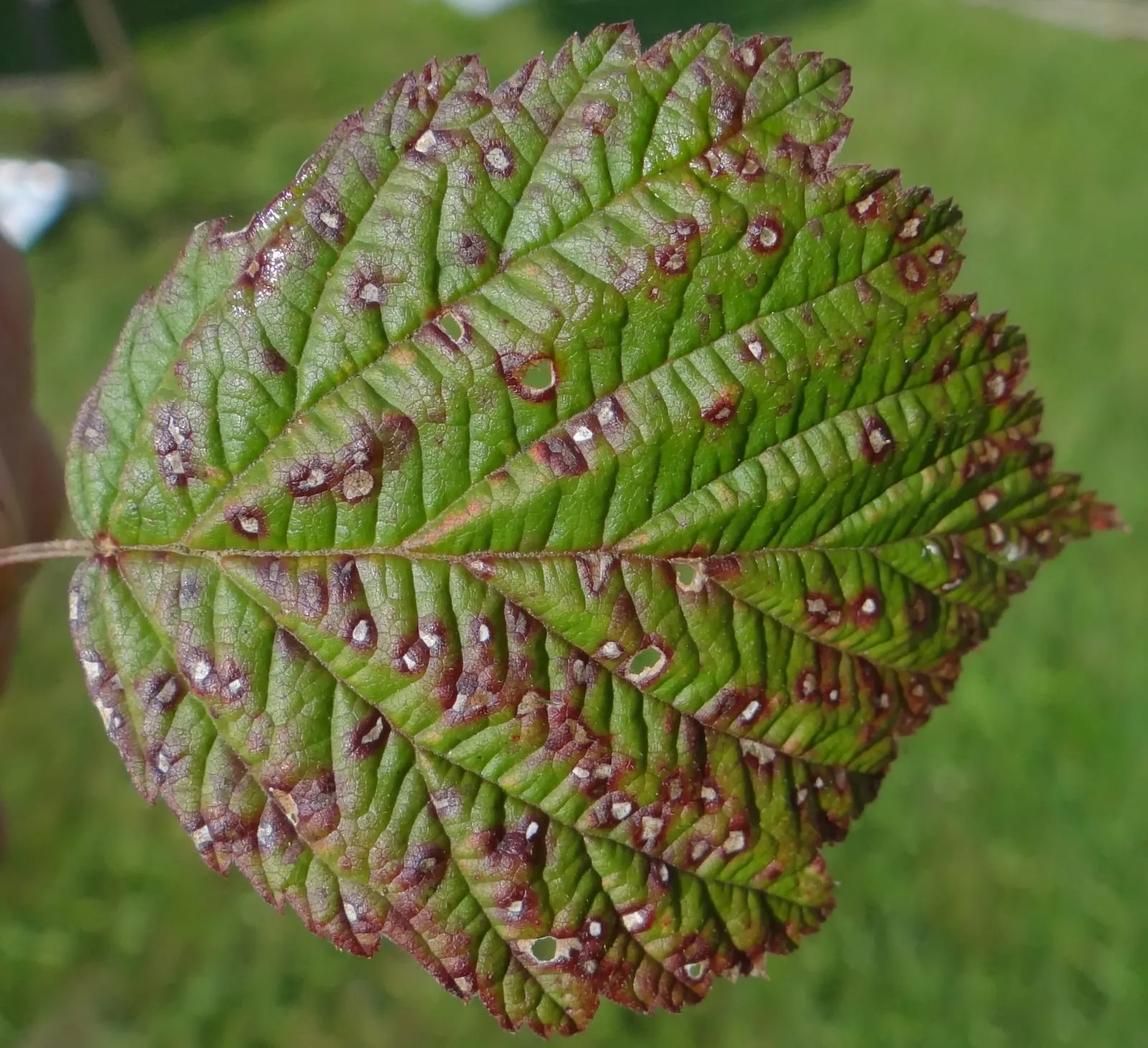
Elsinoe veneta
Fungal cane disease causing purple-bordered lesions that girdle and weaken bramble and Ribes canes, reducing yield over consecutive seasons.
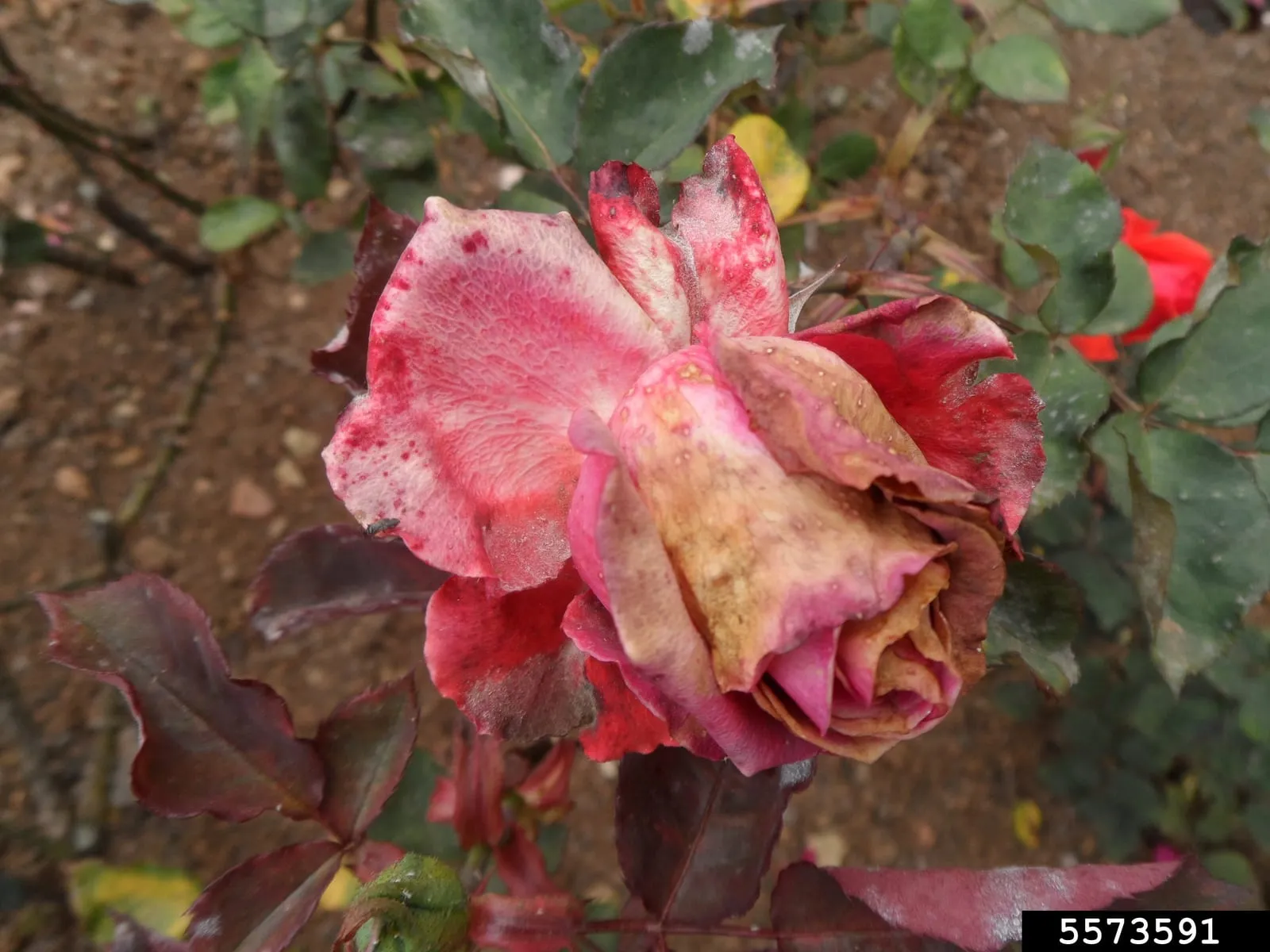
Botrytis cinerea
Ubiquitous fungal disease that causes fruit rot during cool wet weather, often the dominant berry disease in humid regions.
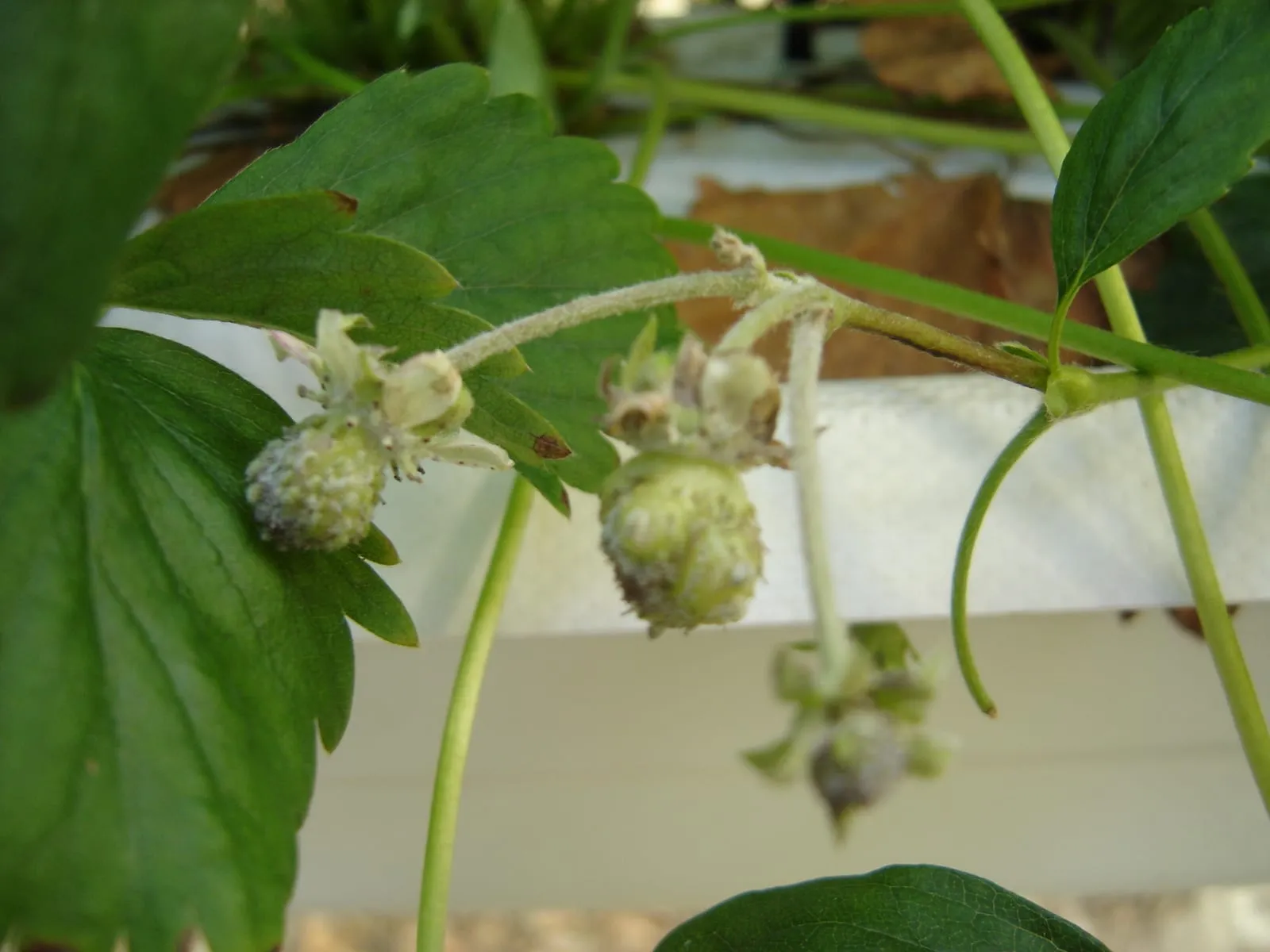
Podosphaera and Sphaerotheca species
Surface-feeding fungal disease producing white powdery growth on leaves and fruit, particularly damaging on gooseberries.
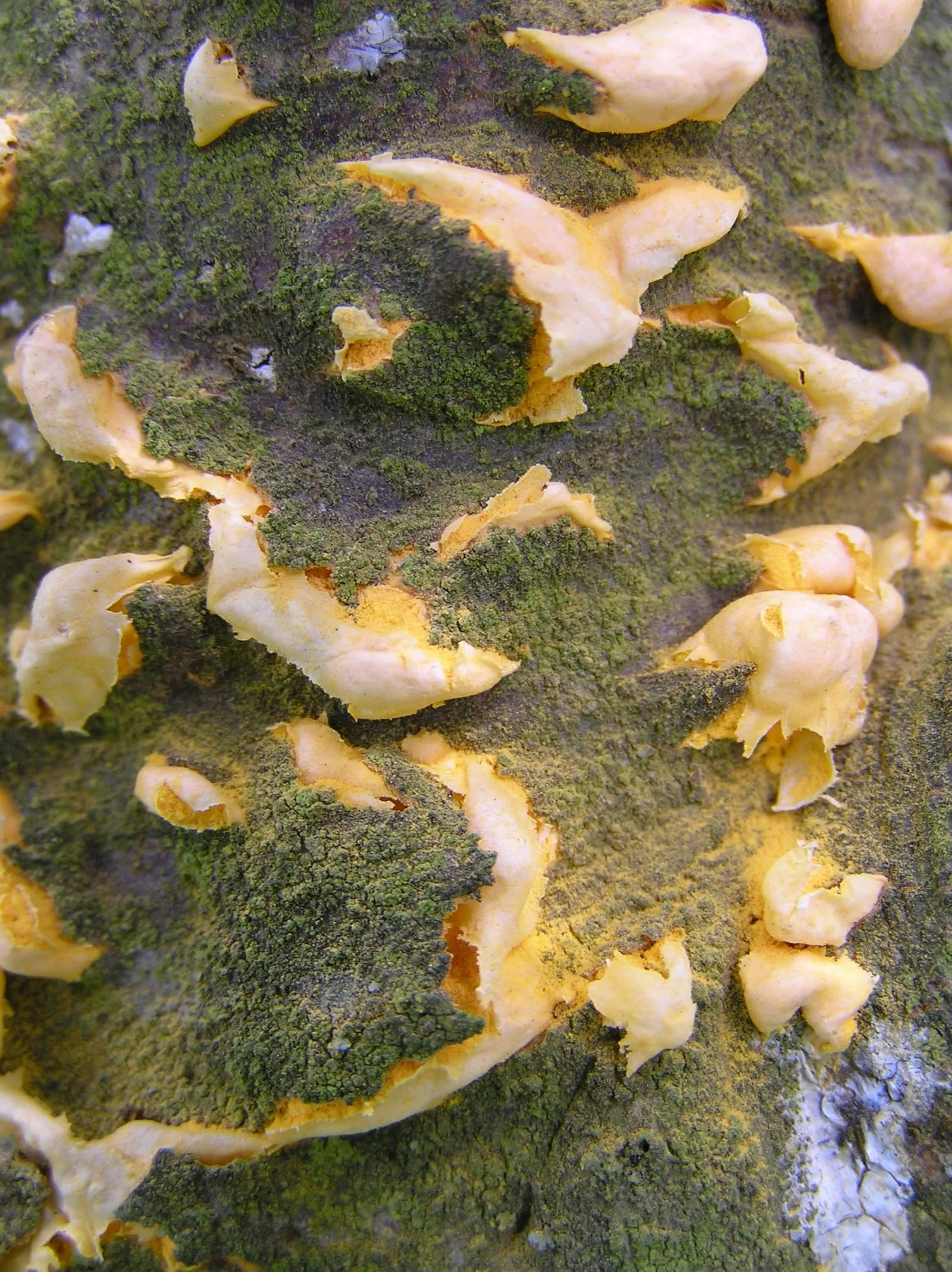
Cronartium ribicola
Two-host rust requiring both Ribes (currants and gooseberries) and white pines. Historically led to Ribes-planting bans in much of the US; some states still restrict black currant cultivation.
Modified care for zone 3b
Winter desiccation is the primary physical threat in zone 3b. Young canes are vulnerable to drying out under cold, windy conditions even when temperatures are not extreme enough to cause direct freeze injury. A deep layer of straw or wood chip mulch over the root zone, applied after the ground freezes, helps buffer soil temperature swings and reduces moisture loss from the root zone. In exposed sites, a burlap windscreen around newly planted shrubs during the first two winters is reasonable insurance.
Disease pressure in zone 3b skews toward the cool-season pathogens: Gray Mold tends to build in wet springs and during cool ripening periods, so pruning for open canopy structure and air circulation is more important here than in drier climates. White Pine Blister Rust is a regulatory and practical concern in many northern states; check current local restrictions before planting where white pines are present, as Ribes species serve as the alternate host. Powdery Mildew and Cane Anthracnose are manageable with selection of resistant varieties and prompt removal of affected wood.
Frequently asked questions
- Do gooseberries need a pollinator in zone 3b?
Most gooseberry varieties are self-fertile and produce well without a second plant. Planting two varieties generally improves fruit set and berry size, but a single shrub will bear fruit. Pixwell and Captivator are reliable self-pollinators.
- How many chill hours does zone 3b typically provide?
Zone 3b accumulates well over 2,000 chill hours in most winters, far exceeding the 800 to 1,200 hours gooseberry requires. Insufficient chilling is not a concern in this zone; the binding constraints are frost-free season length and wind exposure.
- Is White Pine Blister Rust a reason to avoid planting gooseberries in zone 3b?
It warrants checking, not avoiding. Gooseberries and currants are alternate hosts for Cronartium ribicola, the rust that kills white pines. Some states with significant white pine timber still restrict or regulate Ribes planting. Verify current rules with the local state department of agriculture before planting.
- Which gooseberry variety handles zone 3b winters best?
Pixwell is the traditional choice for extreme northern zones, with documented cold hardiness and reliable early ripening. Hinnonmaki Red offers better flavor and similar hardiness. Captivator is nearly thornless and hardy to zone 3, though it ripens slightly later than the other two.
+−
+−
+−
+−
Gooseberry in adjacent zones
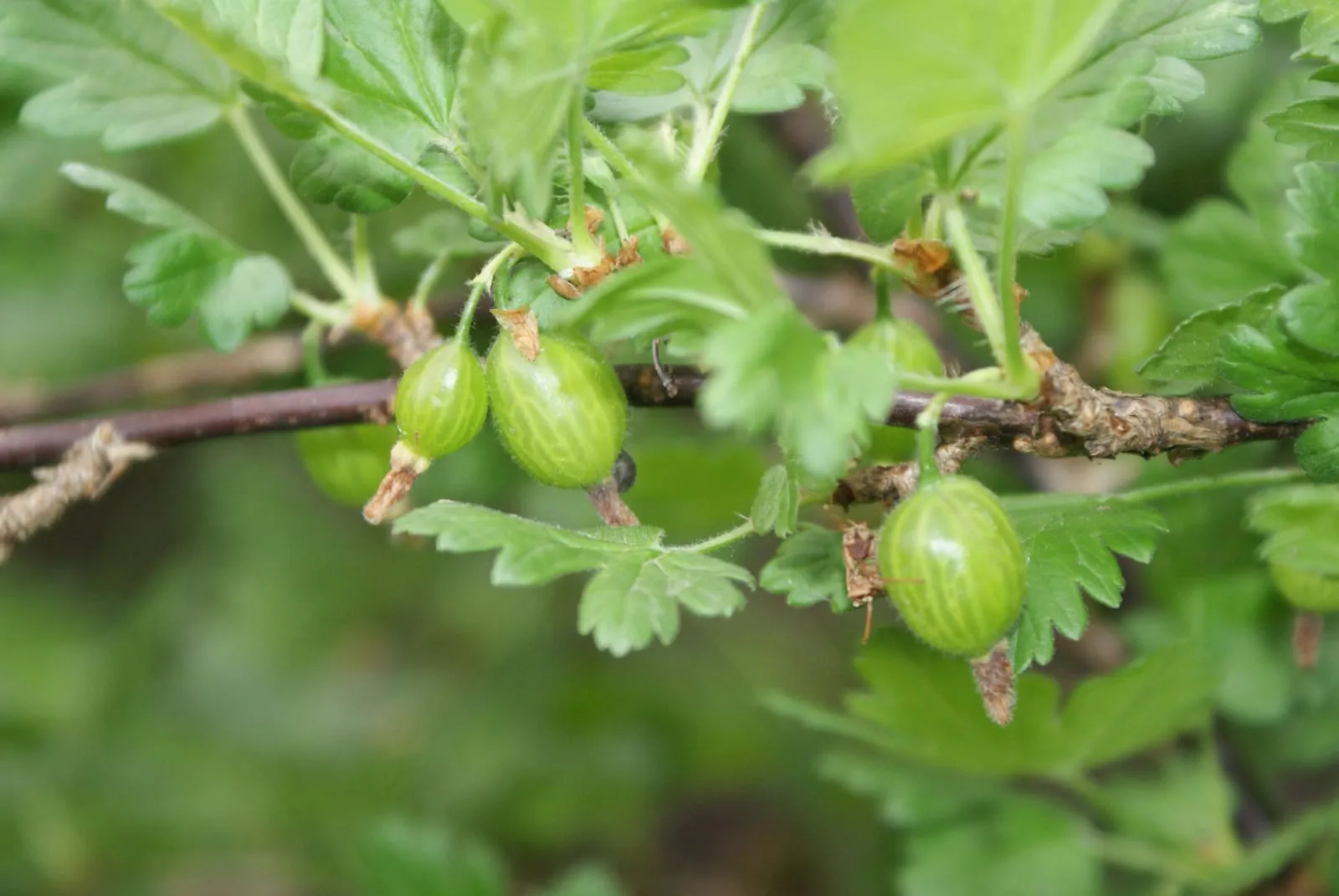
Image: "Ribes uva-crispa in Minsk", by Хомелка, via Wikimedia Commons, licensed under CC-BY Source.

Related