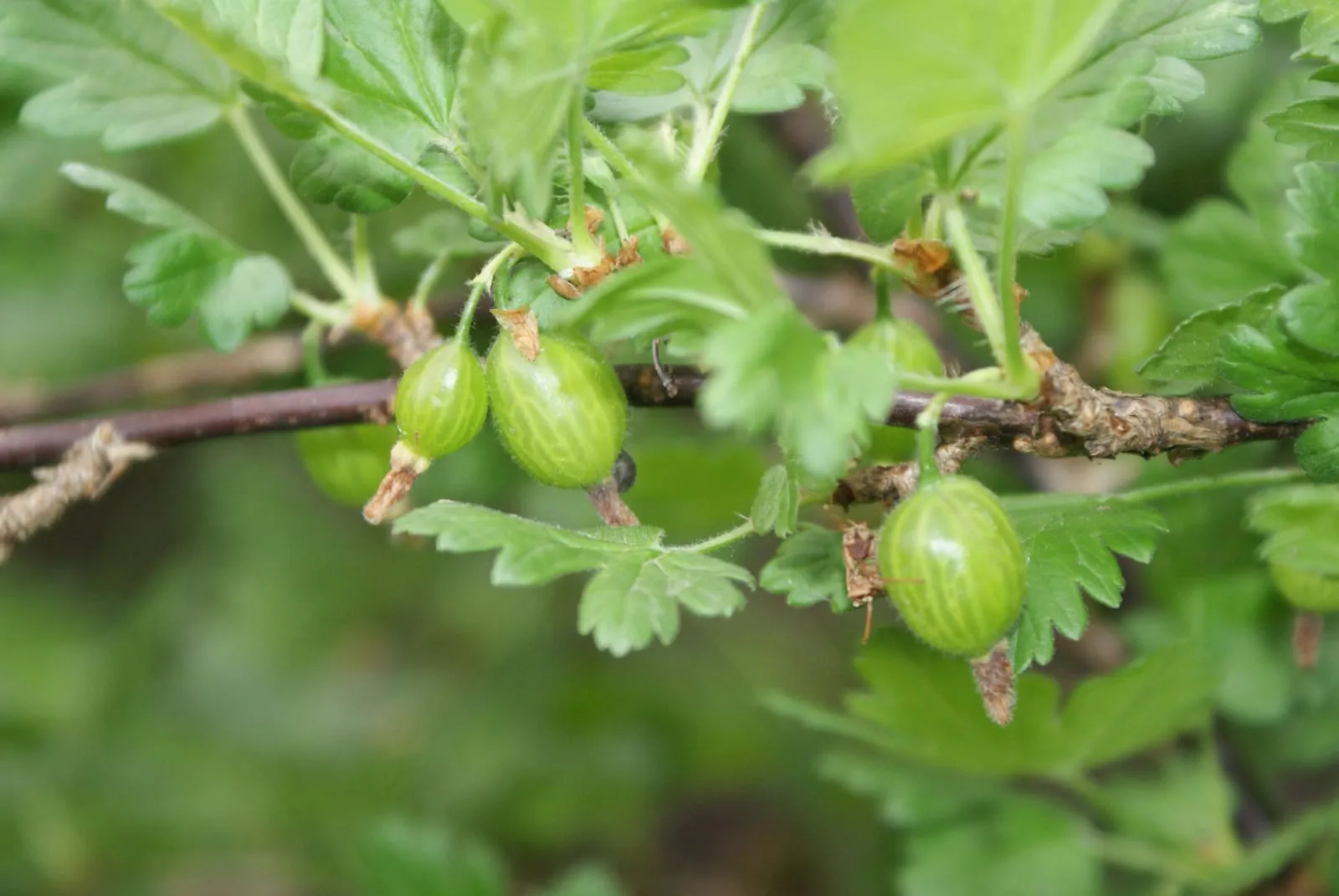
berry in zone 3a
Growing gooseberry in zone 3a
Ribes uva-crispa
- Zone
- 3a -40°F to -35°F
- Growing season
- 90 days
- Chill needed
- 800 to 1200 below 45°F
- Suitable varieties
- 2
- Days to harvest
- 80 to 100
The verdict
Gooseberry is a strong fit for zone 3a, not a marginal one. The crop's chill-hour requirement of 800 to 1,200 hours is met with room to spare across virtually all zone 3a locations, where winters reliably deliver well over 1,200 hours below 45°F. The minimum temperature range of -40 to -35°F is harsh, but most gooseberry cultivars carry cold-hardiness ratings at or below zone 3, which means they survive zone 3a winters without special protection in most years. Hinnonmaki Red and Pixwell are both proven performers in short-season northern climates and represent reliable choices here. The real constraint in zone 3a is not cold tolerance but the compressed 90-day growing season. Gooseberries are among the earlier-fruiting shrubs and generally complete their cycle within that window, but growers have little margin for late-season setbacks. Disease management in a short, sometimes humid summer is the primary ongoing challenge, not hardiness.
Recommended varieties for zone 3a
2 cultivars suited to this zone, with disease-resistance and zone-fit annotations.
| Variety | Notes | Zone fit | Disease resistance |
|---|---|---|---|
| Hinnonmaki Red fits zone 3a | Sweet-tart, complex flavor when fully ripe; fresh dessert, jam, pies. Dark red berries, classic European flavor, productive Finnish variety. Mildew-resistant. | |
|
| Pixwell fits zone 3a | Tart, mild, light green-pink berries; jam, pies. American variety with thornless lower canes for easier harvest. Cold-hardy and productive. | | none noted |
Critical timing for zone 3a
Gooseberries break dormancy and bloom early, typically pushing leaves and flowers in May across zone 3a. That timing places bloom squarely in the window for late spring frost events, which are a recurring yield risk at this latitude. A hard frost after bud break can reduce or eliminate the crop for that year. Harvest falls in July to early August under normal conditions, with Pixwell tending to ripen slightly earlier in the season and Hinnonmaki Red following close behind. The 90-day growing season is adequate for both varieties to reach full ripeness before the first fall frosts arrive. Siting plants on a gentle south-facing slope or near a thermal mass can delay bloom by several days and meaningfully reduce frost exposure during the vulnerable early-flower period.
Common challenges in zone 3a
- ▸ Very short growing season
- ▸ Late spring frosts
- ▸ Limited fruit-tree options
- ▸ Heavy mulching required
Disease pressure to watch for
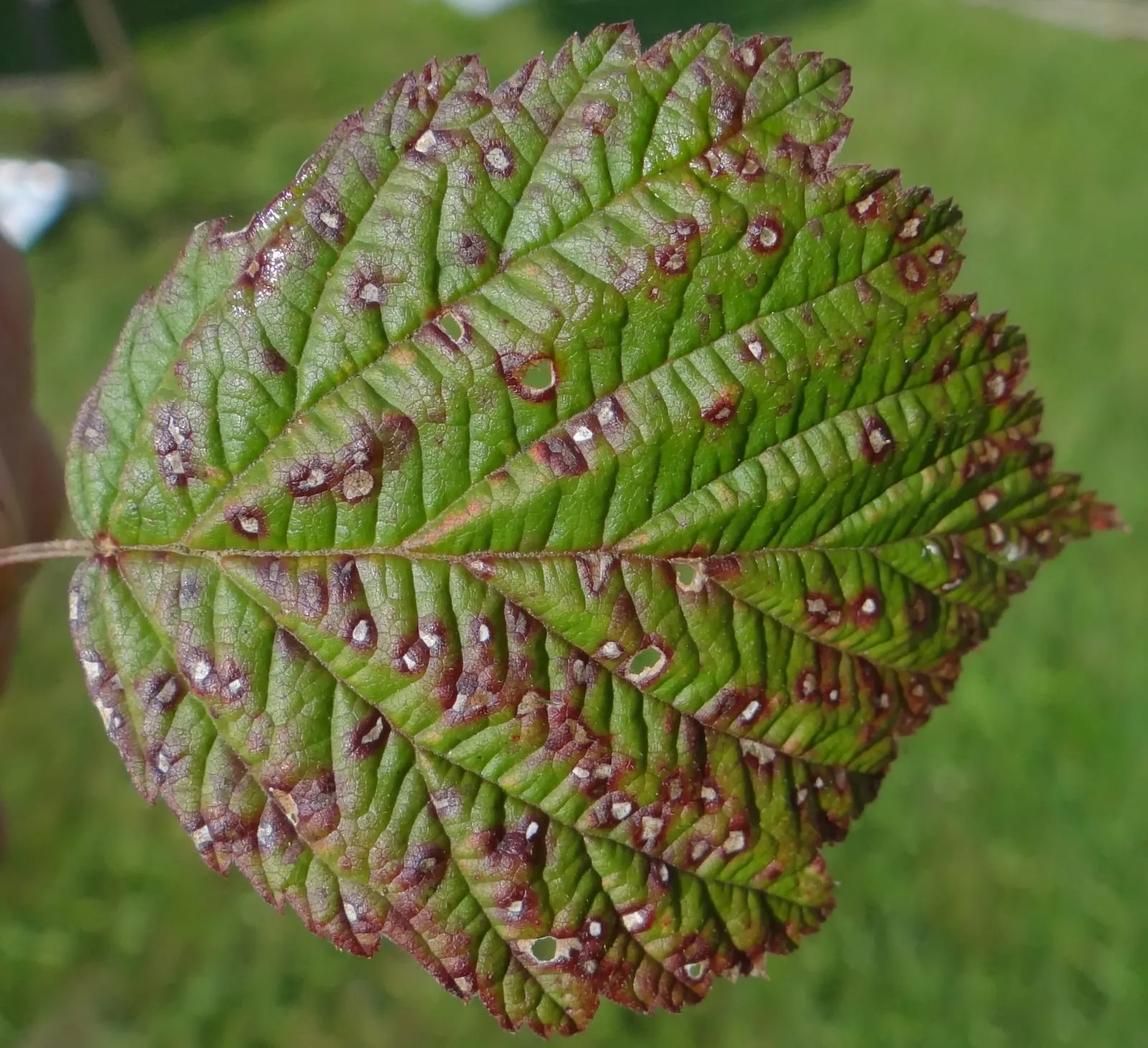
Elsinoe veneta
Fungal cane disease causing purple-bordered lesions that girdle and weaken bramble and Ribes canes, reducing yield over consecutive seasons.
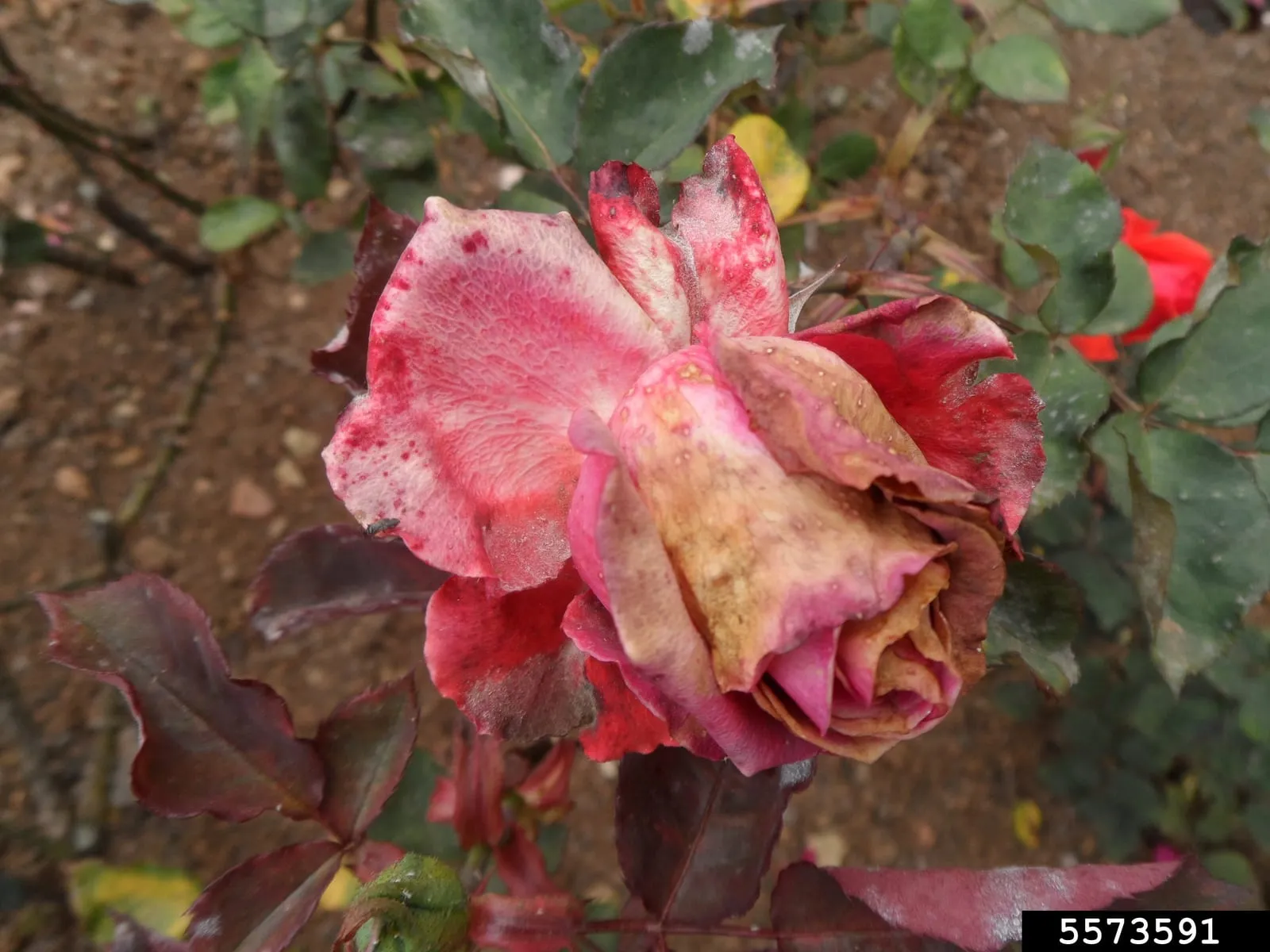
Botrytis cinerea
Ubiquitous fungal disease that causes fruit rot during cool wet weather, often the dominant berry disease in humid regions.
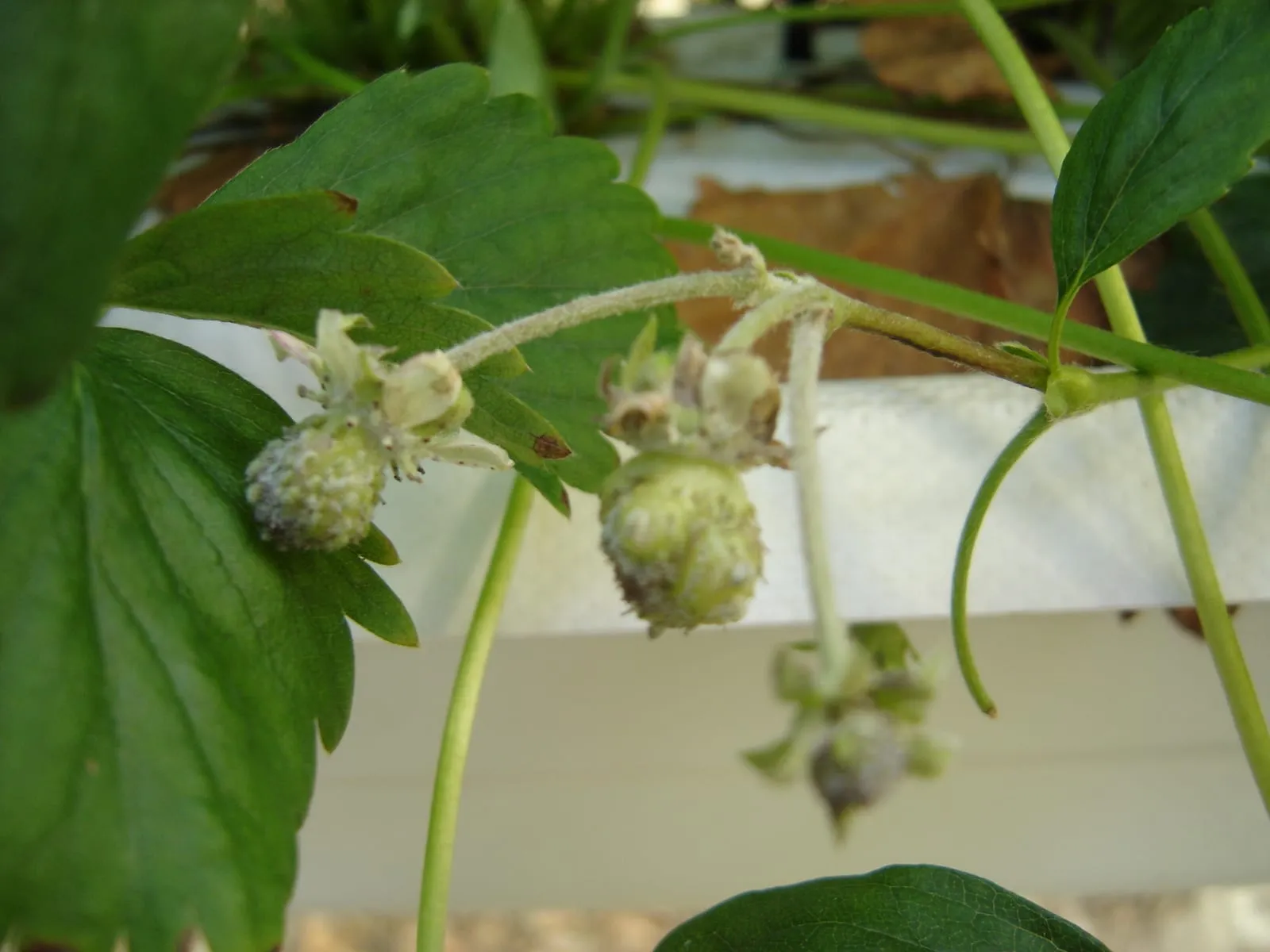
Podosphaera and Sphaerotheca species
Surface-feeding fungal disease producing white powdery growth on leaves and fruit, particularly damaging on gooseberries.
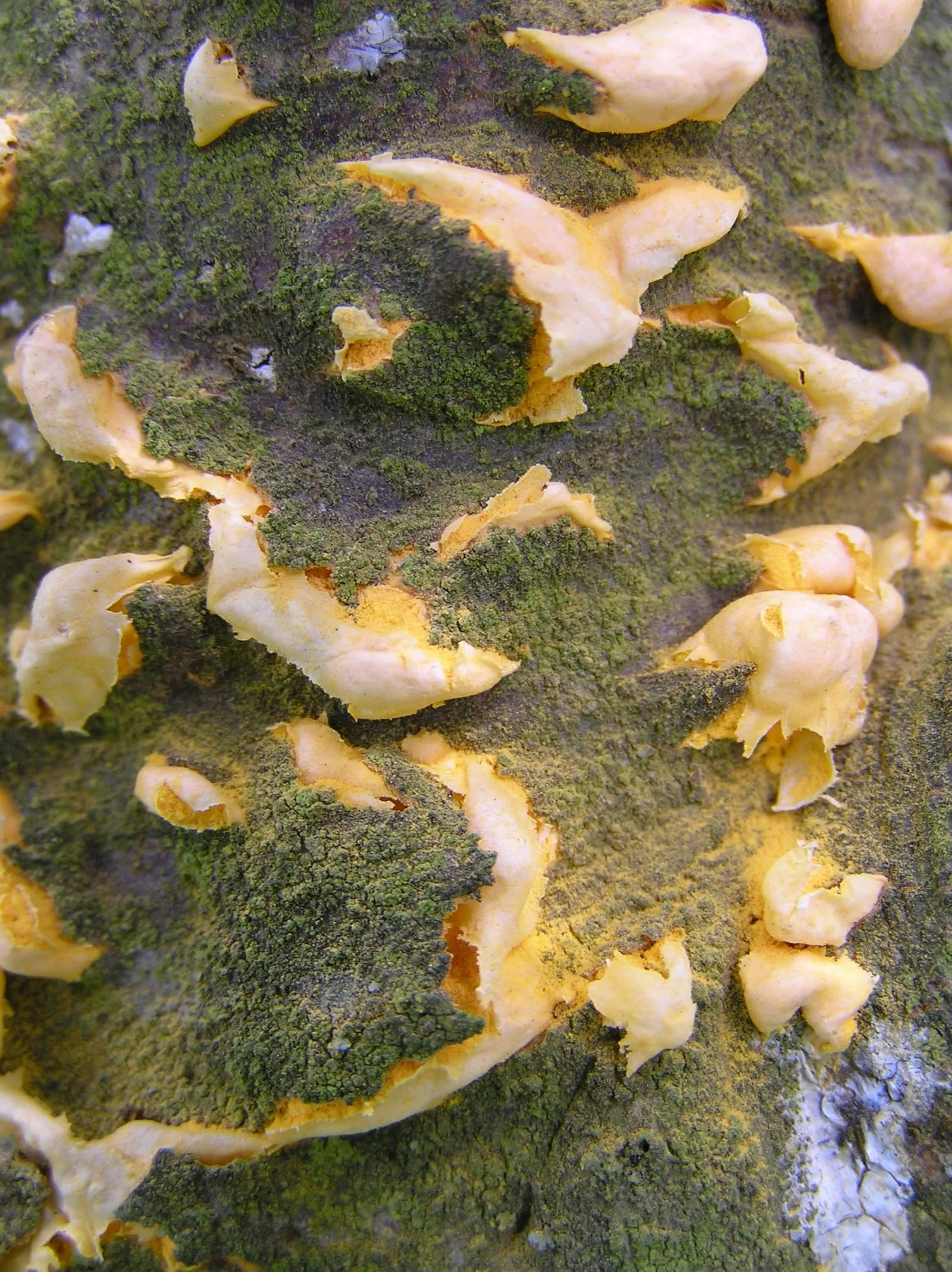
Cronartium ribicola
Two-host rust requiring both Ribes (currants and gooseberries) and white pines. Historically led to Ribes-planting bans in much of the US; some states still restrict black currant cultivation.
Modified care for zone 3a
Heavy mulching is non-negotiable in zone 3a. Apply 4 to 6 inches of straw or coarse wood chips after the ground freezes in fall to buffer soil temperature at the crown and reduce frost heave risk. Gray mold (Botrytis) and cane anthracnose both intensify when canes are crowded and air circulation is poor; pruning to an open-center form and removing spent or diseased canes promptly after harvest reduces infection sites. White pine blister rust deserves attention before planting: where white pines grow nearby, some northern states maintain restrictions on Ribes planting, so verify current local regulations. Fertilize conservatively. Pushing new vegetative growth late in the growing season in zone 3a increases the risk of winter injury to immature wood that has not fully hardened before temperatures drop.
Gooseberry in adjacent zones
Image: "Ribes uva-crispa in Minsk", by Хомелка, via Wikimedia Commons, licensed under CC-BY Source.

Related