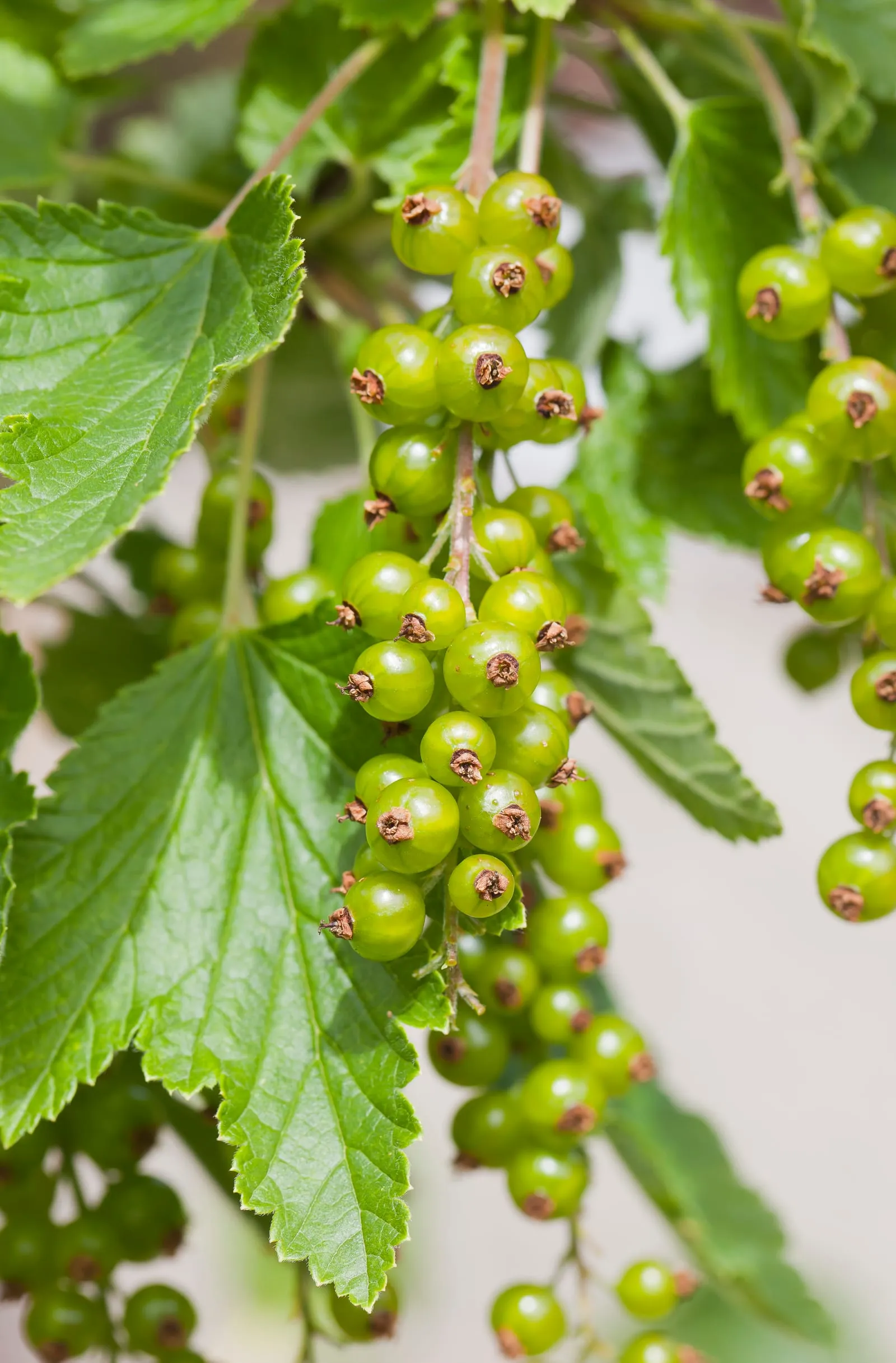
berry in zone 6a
Growing white currant in zone 6a
Ribes rubrum
- Zone
- 6a -10°F to -5°F
- Growing season
- 180 days
- Chill needed
- 800 to 1500 below 45°F
- Suitable varieties
- 3
- Days to harvest
- 70 to 90
The verdict
Zone 6a sits comfortably within the white currant's preferred range. With winter minimums between -10 and -5°F, established plants face no meaningful cold hardiness risk, and the 180-day growing season gives canes time to ripen fully before dormancy. The more critical factor is chill hours: white currants require 800 to 1,500 hours below 45°F to break dormancy and set fruit reliably. Zone 6a consistently delivers 1,000 to 1,400 chilling hours across most of its geography, landing squarely in the middle of that window. This is not a marginal situation requiring careful site selection or variety hedging. All three widely available varieties, White Imperial, Blanka, and White Versailles, perform reliably here without relying on the upper end of their chill tolerance. Growers in the warmer pockets of zone 6a (south-facing slopes, urban heat islands near the 6b boundary) should note that marginally warmer winters might occasionally fall short of 800 hours, so tracking local chill accumulation is worthwhile in those microclimates.
Recommended varieties for zone 6a
3 cultivars suited to this zone, with disease-resistance and zone-fit annotations.
| Variety | Notes | Zone fit | Disease resistance |
|---|---|---|---|
| White Imperial fits zone 6a | Sweet-tart, mild, translucent pale-yellow berries; fresh dessert with cream, jelly. The sweetest of the currants, eats like a delicate grape. Heritage American variety. | | none noted |
| Blanka fits zone 6a | Sweet-tart, large pale-yellow berries on long strigs; dessert and white-currant jelly. Late-ripening Czech variety with the longest strigs of any currant, easiest hand harvest. | | none noted |
| White Versailles fits zone 6a | Tart-sweet, mild, pale-yellow berries with translucent skin; fresh, jelly, dessert. Early-ripening, productive, classic French heritage variety. | | none noted |
Critical timing for zone 6a
White currants bloom early, typically in late March to mid-April in zone 6a, before most deciduous fruit. The last spring frost in zone 6a falls anywhere from April 1 to May 1 depending on location, which means bloom regularly overlaps with frost risk. Open flowers are damaged at 28°F or below, so late cold snaps can reduce fruit set in exposed plantings. Harvest follows in late June through mid-July, roughly 60 to 75 days after bloom. The 180-day growing season in zone 6a is more than adequate for canes to complete their annual cycle, lignify, and harden off before the first fall frost, which generally arrives in October.
Common challenges in zone 6a
- ▸ Brown rot in stone fruit
- ▸ Japanese beetles
- ▸ Spring frost damage to peach buds
Disease pressure to watch for
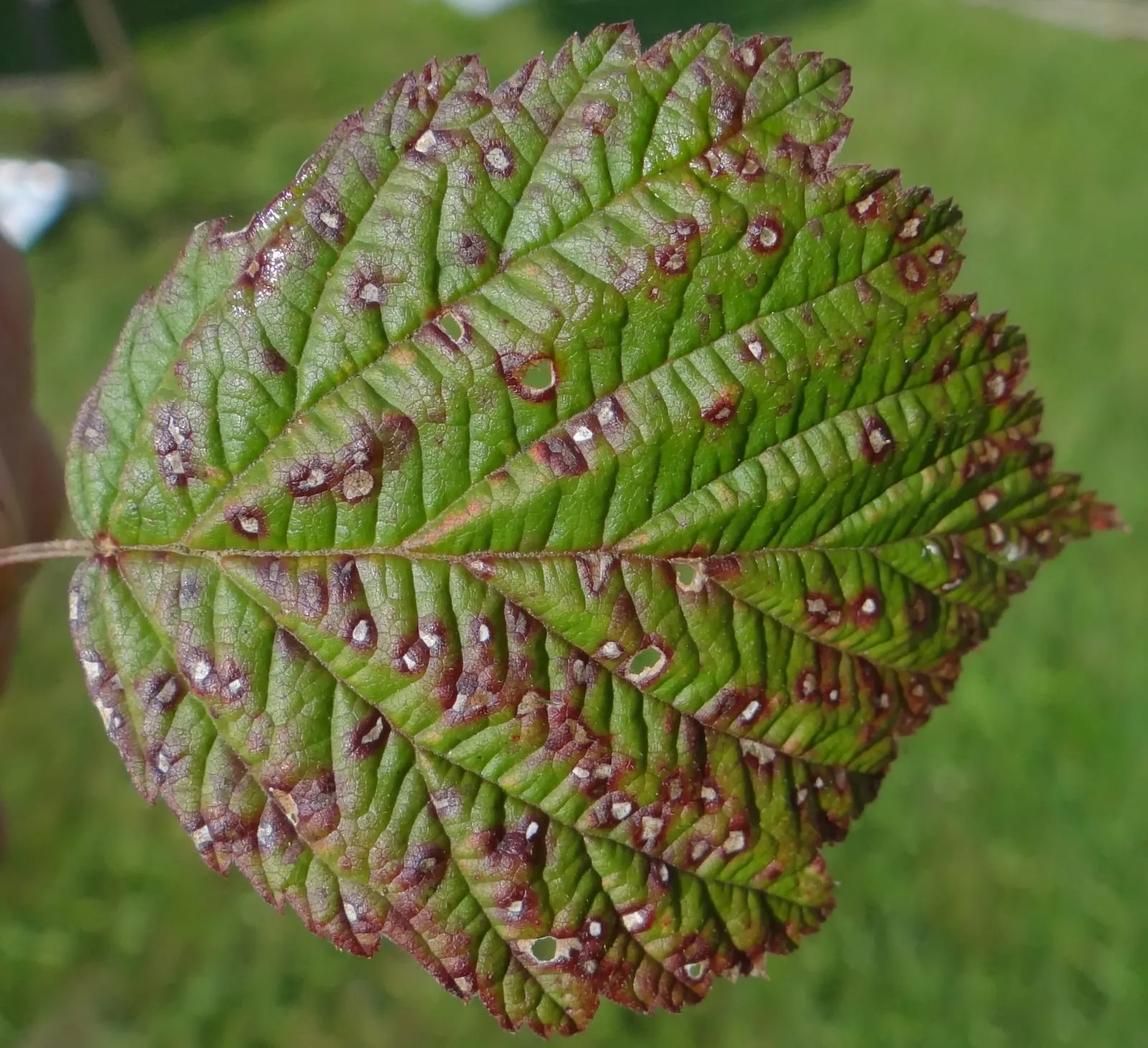
Elsinoe veneta
Fungal cane disease causing purple-bordered lesions that girdle and weaken bramble and Ribes canes, reducing yield over consecutive seasons.
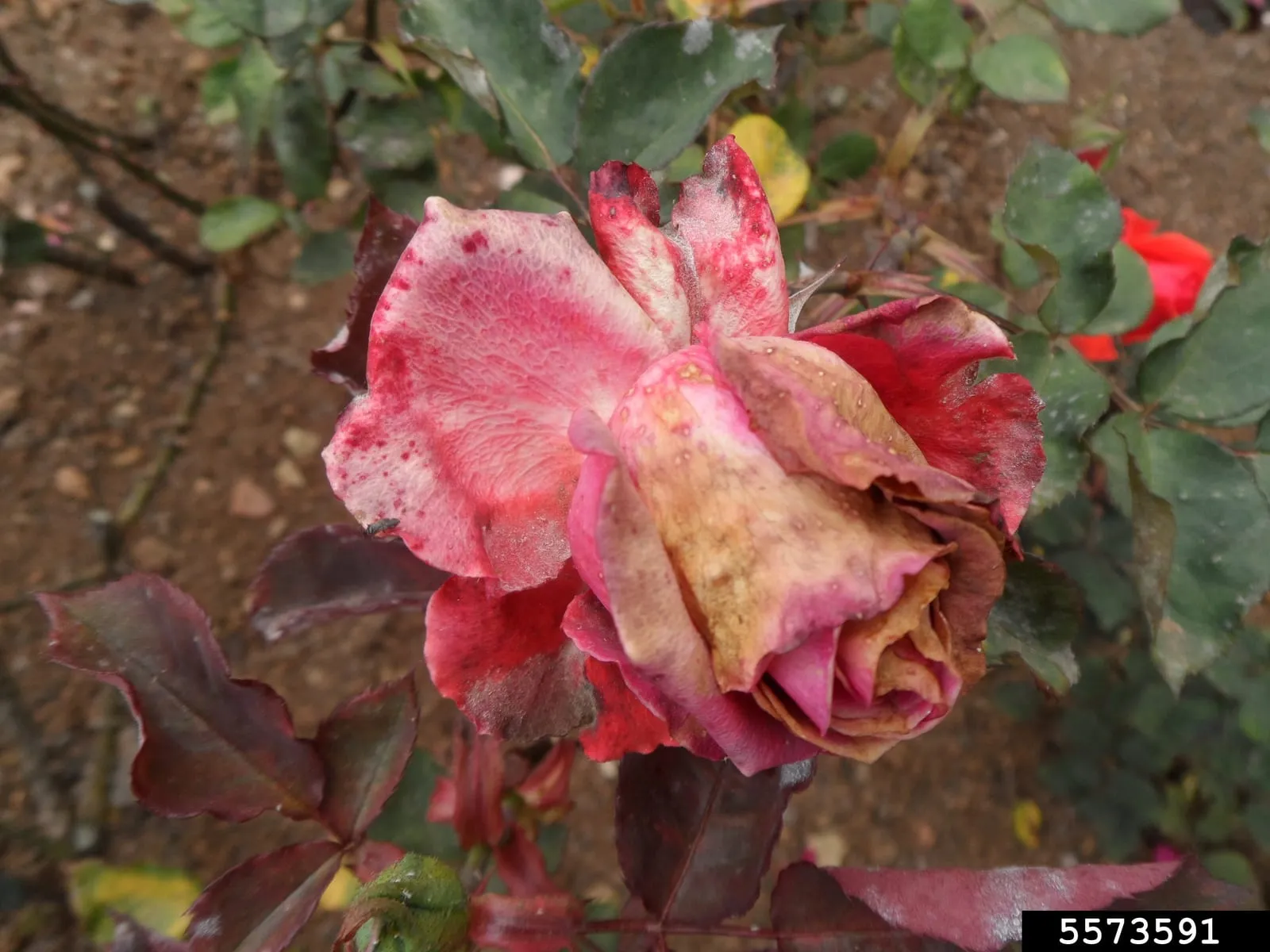
Botrytis cinerea
Ubiquitous fungal disease that causes fruit rot during cool wet weather, often the dominant berry disease in humid regions.
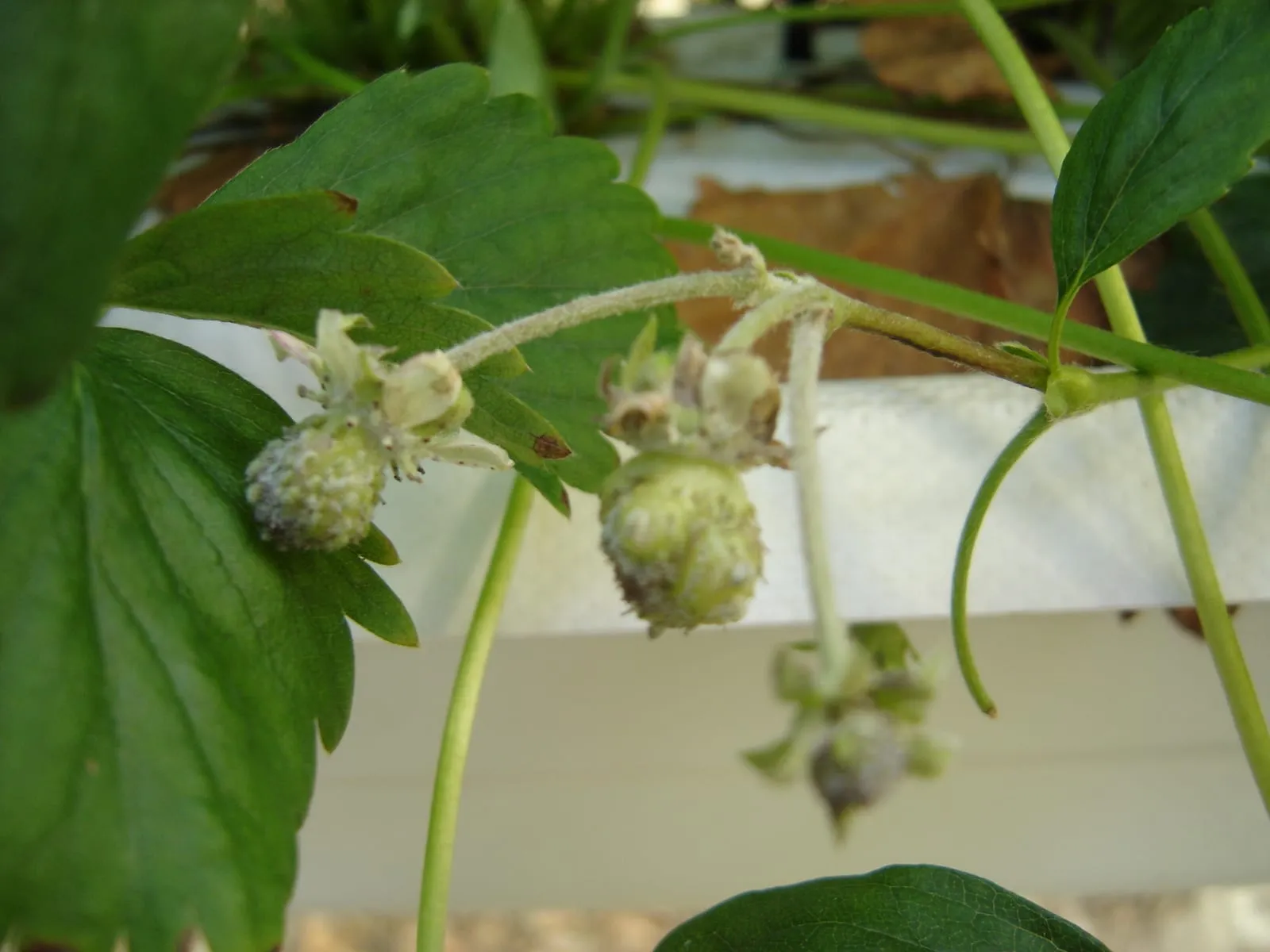
Podosphaera and Sphaerotheca species
Surface-feeding fungal disease producing white powdery growth on leaves and fruit, particularly damaging on gooseberries.
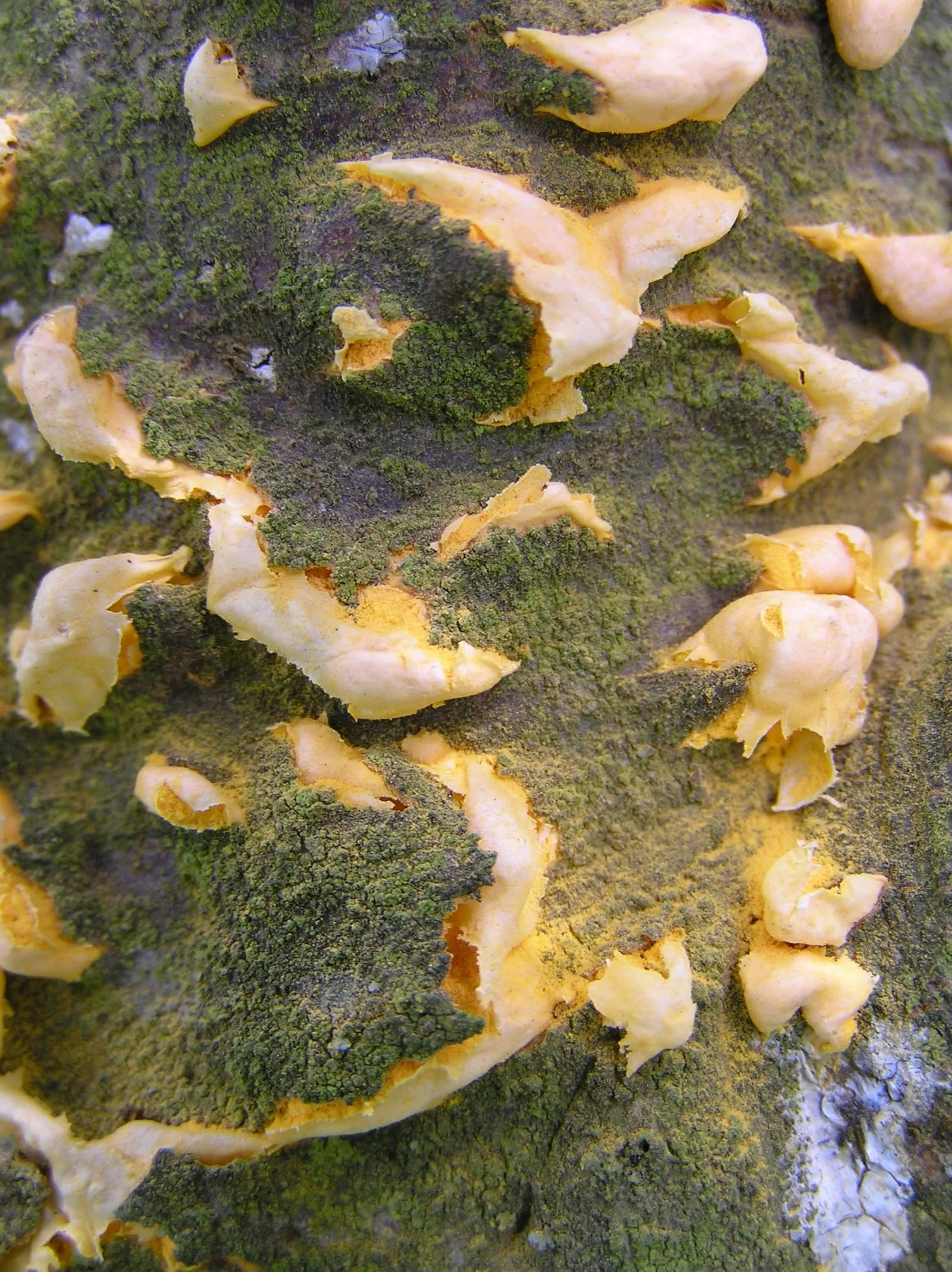
Cronartium ribicola
Two-host rust requiring both Ribes (currants and gooseberries) and white pines. Historically led to Ribes-planting bans in much of the US; some states still restrict black currant cultivation.
Modified care for zone 6a
The primary disease pressure to manage in zone 6a is White Pine Blister Rust (Cronartium ribicola). This fungal pathogen requires an alternate host (five-needled white pines) to complete its life cycle. Planting white currants within a few hundred feet of eastern white pine or other susceptible pines increases infection risk substantially. Some states restrict or prohibit Ribes cultivation in areas with high white pine density; check local regulations before planting. Japanese beetles, a noted zone challenge, will feed on currant foliage during July, coinciding with late harvest. Hand-removal and row covers during peak beetle emergence (typically three to four weeks in midsummer) reduce damage without chemical intervention. Gray mold (Botrytis) is favored by humid, still air during wet springs; thinning canes to improve airflow at the annual dormant pruning is the most effective preventive measure.
White Currant in adjacent zones
Image: "Grosello rojo (Ribes rubrum), Múnich, Alemania, 2012-06-07, DD 01", by Diego Delso, via Wikimedia Commons, licensed under CC-BY Source.
,_M%C3%BAnich,_Alemania,_2012-06-07,_DD_01.jpg)
Related