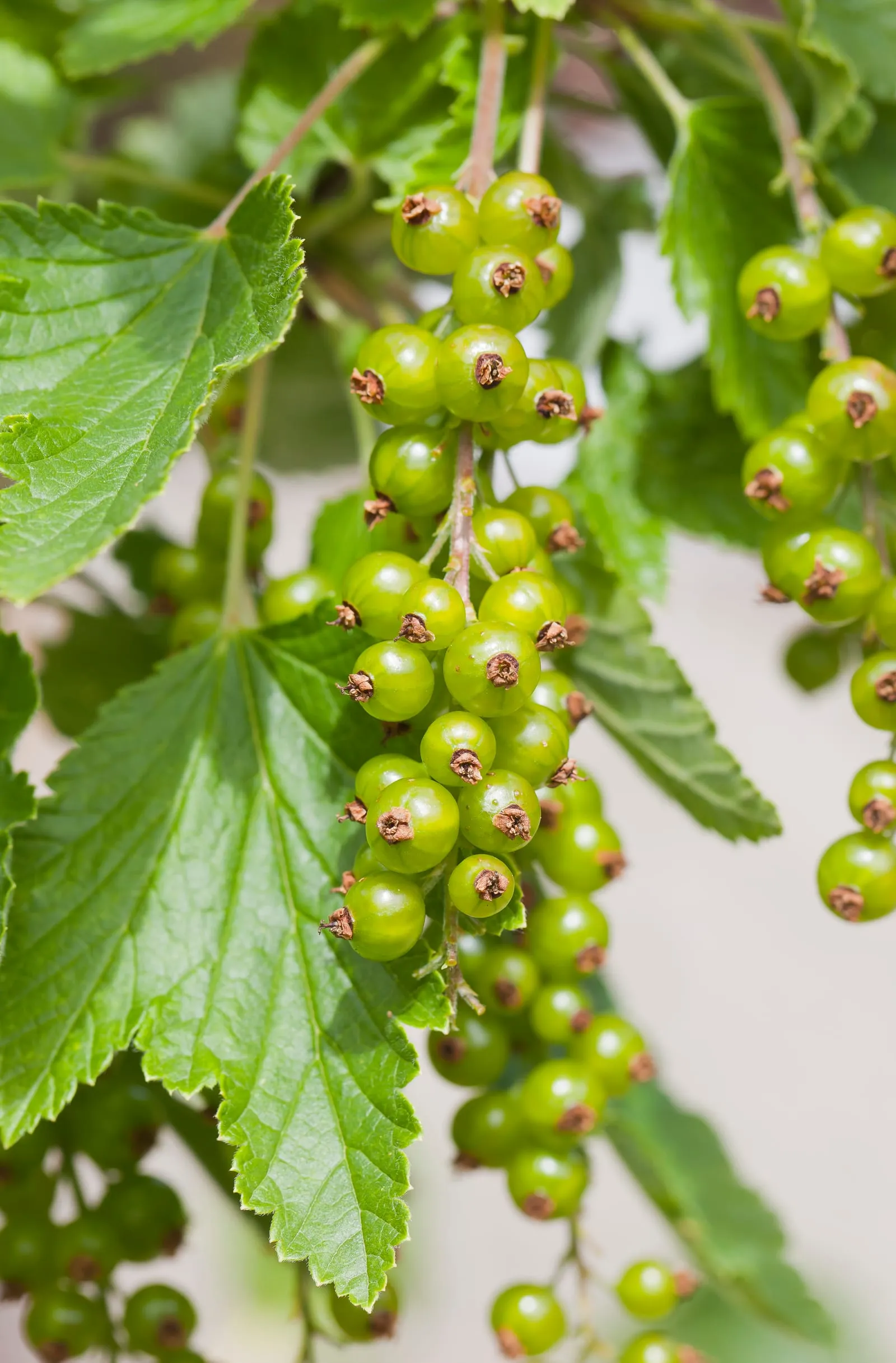
berry in zone 5b
Growing white currant in zone 5b
Ribes rubrum
- Zone
- 5b -15°F to -10°F
- Growing season
- 165 days
- Chill needed
- 800 to 1500 below 45°F
- Suitable varieties
- 3
- Days to harvest
- 70 to 90
The verdict
Zone 5b is a reliable fit for white currant, not a marginal one. The crop's chill-hour requirement of 800 to 1,500 hours is comfortably met across zone 5b winters, where temperatures regularly dip to -15°F and sustained cold is the norm rather than the exception. White currant is one of the more cold-tolerant small fruits, and the zone's 165-day growing season is more than sufficient to carry the crop from bloom through harvest without a hard cutoff.
Varieties like White Imperial, Blanka, and White Versailles are all well-documented performers in this cold range. None are marginal choices here. Growers near the warmer edge of zone 5b (closer to -10°F minimums) may see slightly shorter chilling accumulation in mild winters, but this is unlikely to cause under-chilling in most years. The greater concern in zone 5b is not cold hardiness but late-spring frost intersecting with early bloom, which is addressed in the timing section.
Recommended varieties for zone 5b
3 cultivars suited to this zone, with disease-resistance and zone-fit annotations.
| Variety | Notes | Zone fit | Disease resistance |
|---|---|---|---|
| White Imperial fits zone 5b | Sweet-tart, mild, translucent pale-yellow berries; fresh dessert with cream, jelly. The sweetest of the currants, eats like a delicate grape. Heritage American variety. | | none noted |
| Blanka fits zone 5b | Sweet-tart, large pale-yellow berries on long strigs; dessert and white-currant jelly. Late-ripening Czech variety with the longest strigs of any currant, easiest hand harvest. | | none noted |
| White Versailles fits zone 5b | Tart-sweet, mild, pale-yellow berries with translucent skin; fresh, jelly, dessert. Early-ripening, productive, classic French heritage variety. | | none noted |
Critical timing for zone 5b
White currant blooms early relative to most small fruits, typically in April in zone 5b. Zone 5b's average last frost falls somewhere between late April and mid-May depending on elevation and local topography, meaning bloom and frost risk overlap in most years. A late frost during open flower can reduce fruit set significantly, and this is the main timing vulnerability for the crop in this zone.
Harvest falls in late June through mid-July in zone 5b, roughly 60 to 70 days after bloom. The 165-day growing season provides adequate time for berries to ripen fully before fall frost pressure returns. Growers should monitor bloom timing closely in April and be prepared to cover plants if temperatures are forecast to drop below 28°F during flowering.
Common challenges in zone 5b
- ▸ Plum curculio
- ▸ Codling moth
- ▸ Cedar-apple rust
Disease pressure to watch for
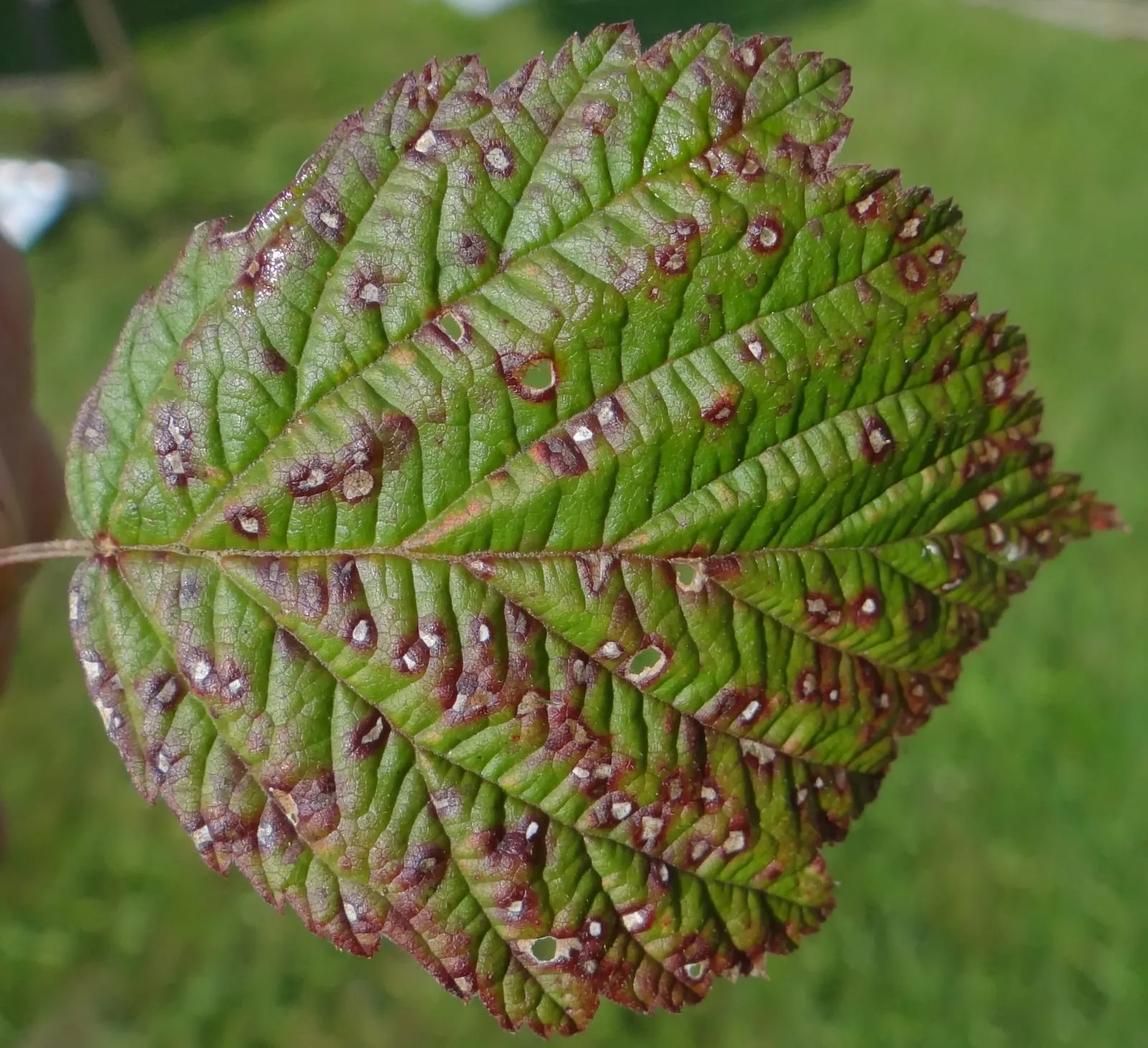
Elsinoe veneta
Fungal cane disease causing purple-bordered lesions that girdle and weaken bramble and Ribes canes, reducing yield over consecutive seasons.
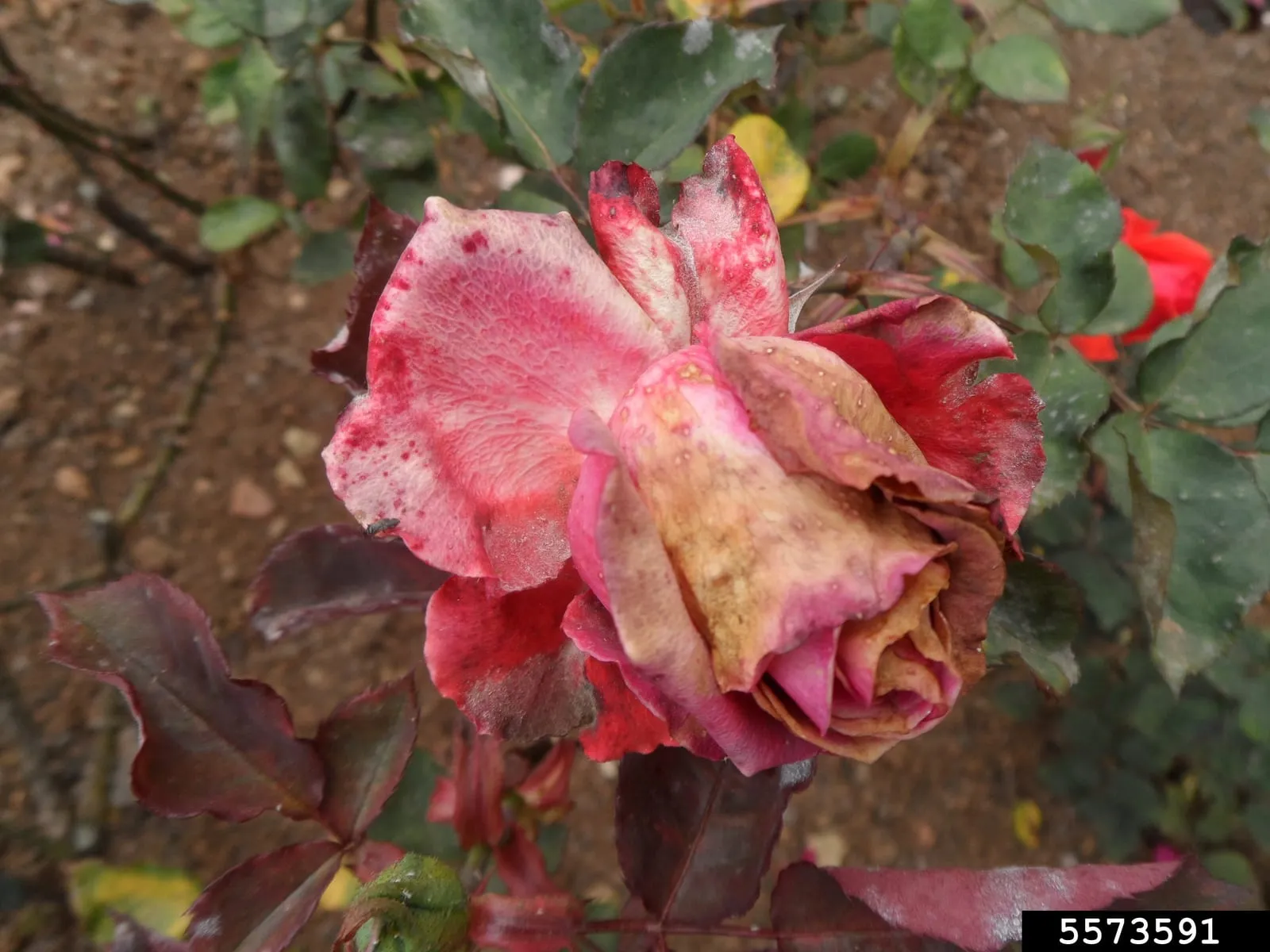
Botrytis cinerea
Ubiquitous fungal disease that causes fruit rot during cool wet weather, often the dominant berry disease in humid regions.
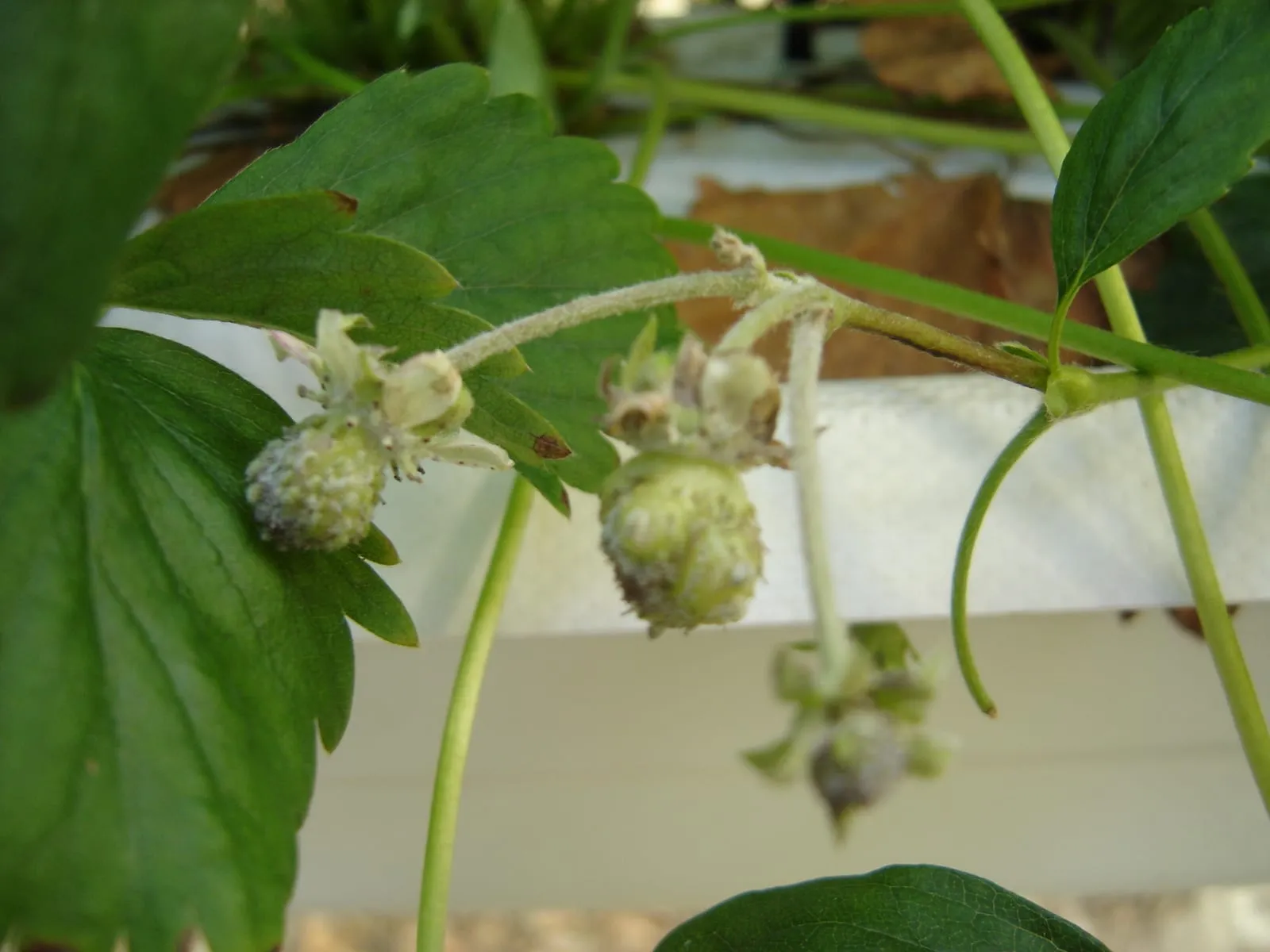
Podosphaera and Sphaerotheca species
Surface-feeding fungal disease producing white powdery growth on leaves and fruit, particularly damaging on gooseberries.
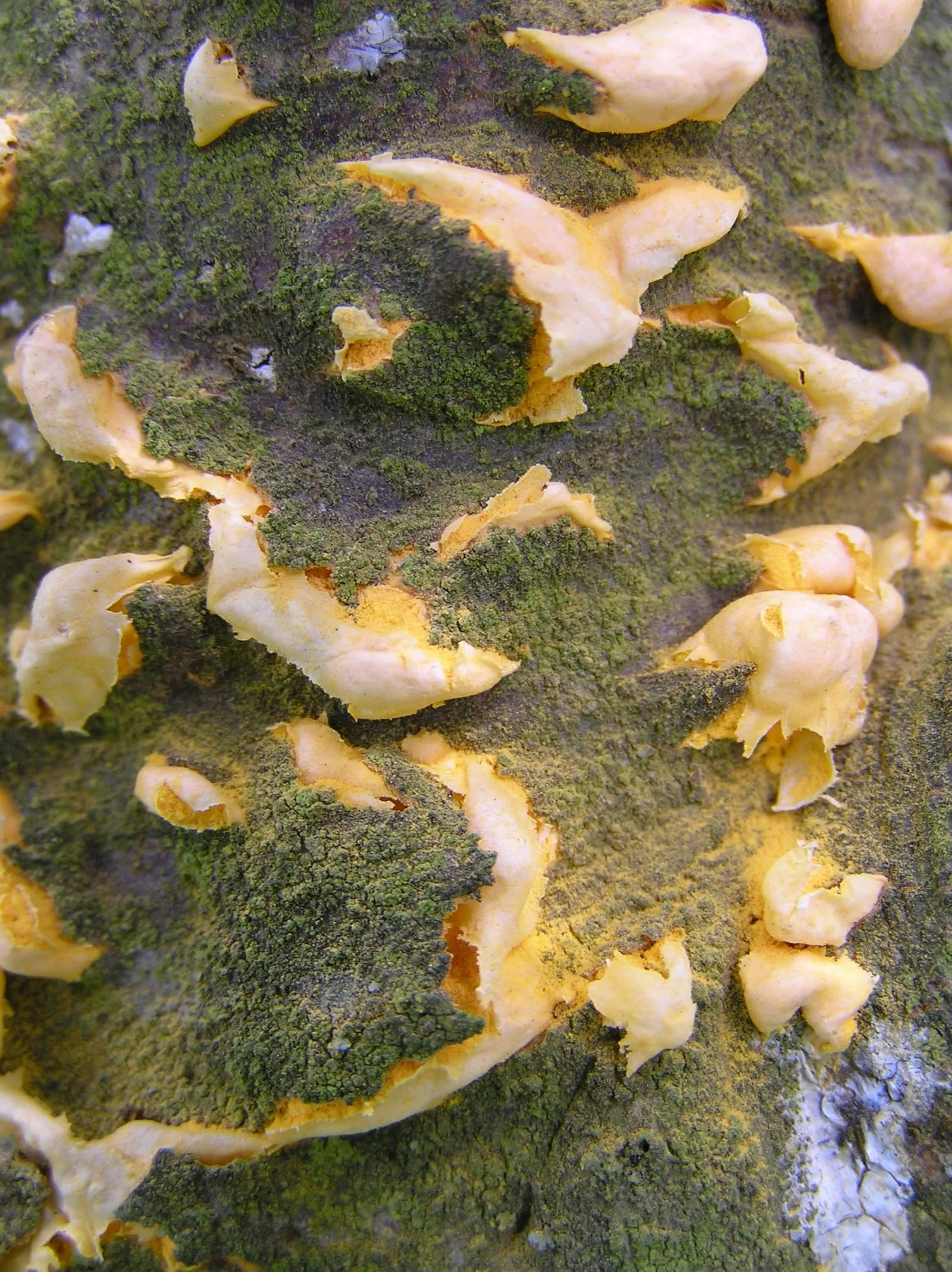
Cronartium ribicola
Two-host rust requiring both Ribes (currants and gooseberries) and white pines. Historically led to Ribes-planting bans in much of the US; some states still restrict black currant cultivation.
Modified care for zone 5b
The primary care adjustment in zone 5b is managing for White Pine Blister Rust. Ribes species (which include white currant) are an alternate host for this fungus, and planting within a few hundred feet of eastern white pine creates meaningful infection risk. Site selection away from white pines is the most effective mitigation; no fungicide reliably breaks the cycle once established.
Gray Mold (Botrytis) and Cane Anthracnose both intensify in wet, cool spring conditions, which zone 5b delivers reliably. Pruning for open canopy structure reduces humidity in the fruiting zone and is worth prioritizing in this region over purely aesthetic shaping. Powdery mildew pressure rises in dry mid-summers; White Versailles shows moderate susceptibility and benefits from monitoring by mid-July. No extra winter protection is typically needed for established plants in zone 5b, but new plantings in their first winter benefit from a thick mulch layer to prevent root heaving.
Frequently asked questions
- Is zone 5b cold enough to damage white currant canes in winter?
Established white currant canes tolerate temperatures well below -10°F and are rarely damaged by typical zone 5b winters. The more common cold-related problem is late-spring frost at bloom time in April, not winter kill.
- Why can't I plant white currant near white pines in zone 5b?
White currant (a Ribes species) is an alternate host for White Pine Blister Rust, a fungal disease that requires both a Ribes plant and a five-needled pine to complete its life cycle. Keeping the two species separated by at least 300 feet reduces transmission risk considerably.
- Which white currant variety performs best in zone 5b?
Blanka is a reliable choice for cold zones due to its vigor and consistent fruit set. White Imperial is well-regarded for flavor and is widely grown in the northern US. White Versailles is an older variety with good yields but moderate susceptibility to powdery mildew in humid summers.
+−
+−
+−
White Currant in adjacent zones
Image: "Grosello rojo (Ribes rubrum), Múnich, Alemania, 2012-06-07, DD 01", by Diego Delso, via Wikimedia Commons, licensed under CC-BY Source.
,_M%C3%BAnich,_Alemania,_2012-06-07,_DD_01.jpg)
Related