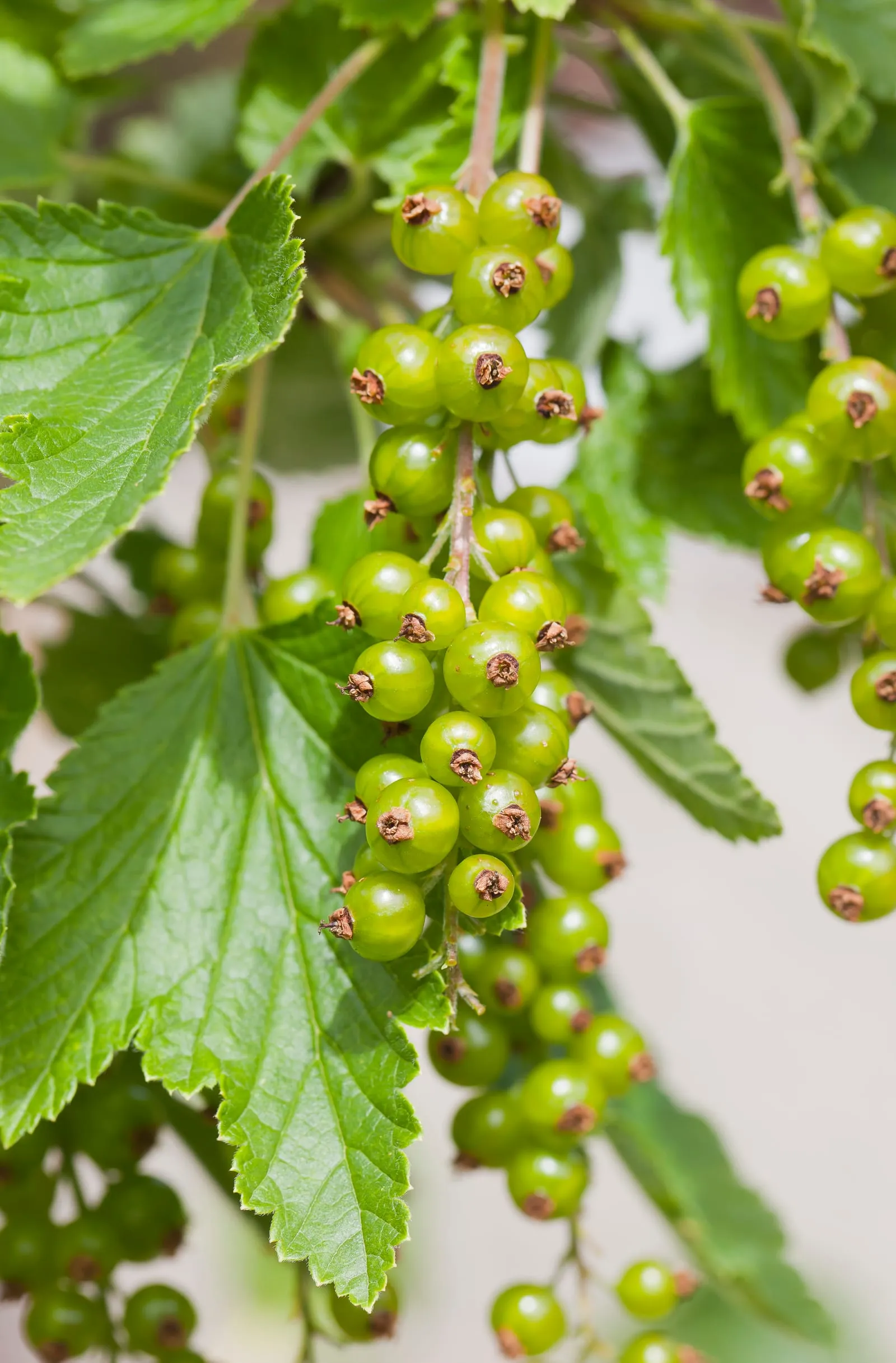
berry
White Currant
Ribes rubrum
USDA hardiness range
- Zones
- 3a–7a
- Chill hours
- 800 to 1500 below 45°F
- Days to harvest
- 70 to 90
- Sun
- Partial
- Water
- Moderate
- Lifespan
- 15 to 20 years
Growing white currant
White currant is a variant of red currant (Ribes rubrum) that produces pale yellow, nearly translucent berries with a milder, sweeter flavor than its red counterpart. It thrives in USDA zones 3a through 7a, making it one of the more cold-hardy small fruits available to northern growers. The chill-hour requirement of 800 to 1,500 hours limits viability south of zone 7a; growers at that edge should verify local chill accumulation before committing to a planting.
The crop's notable strength is its tolerance for partial shade, an uncommon trait among fruiting shrubs. In zones 6 and 7a, where summer heat arrives early, afternoon shade reduces fruit scald and berry drop during the critical fill period. In zones 3 through 5, where summers stay cooler, full sun improves yield.
Productive plantings share a few consistent traits: well-drained, slightly acidic soil; steady soil moisture from bloom through harvest; and annual dormant-season pruning that keeps the shrub open and removes canes older than three years. Neglected shrubs decline in yield within a few seasons as old wood dominates and interior shading increases fungal pressure.
White currant is largely self-fertile, though planting multiple varieties improves berry set and strig length. With 70 to 90 days from bloom to harvest and a potential productive lifespan of 15 to 20 years, the crop rewards careful site selection and variety choice upfront. The berries remain uncommon in North American markets, so even a modest planting can supply a household through the fresh season and into preserves.
Recommended varieties
See all 3 →3 cultivars for home growers, with notes on flavor, ripening, and disease resistance.
| Variety | Notes | Zone fit | Disease resistance |
|---|---|---|---|
| White Imperial | Sweet-tart, mild, translucent pale-yellow berries; fresh dessert with cream, jelly. The sweetest of the currants, eats like a delicate grape. Heritage American variety. | | none noted |
| Blanka | Sweet-tart, large pale-yellow berries on long strigs; dessert and white-currant jelly. Late-ripening Czech variety with the longest strigs of any currant, easiest hand harvest. | | none noted |
| White Versailles | Tart-sweet, mild, pale-yellow berries with translucent skin; fresh, jelly, dessert. Early-ripening, productive, classic French heritage variety. | | none noted |
Soil and site requirements
White currant performs best in moist, well-drained loam with a pH of 6.0 to 6.5. Heavy clay soils that hold standing water after rain are a common cause of root disease and premature decline; raised beds or bermed rows correct drainage where native soils are marginal. Sandy soils drain adequately but require mulching and closer attention to irrigation during the fruit-fill period.
Spacing of 4 to 5 feet between plants supports adequate air circulation, which is directly relevant to managing powdery mildew and gray mold. On productive late-ripening varieties like Blanka, which produces unusually long strigs, spacing toward the wider end (5 to 6 feet) also eases hand harvest.
One critical siting consideration: avoid planting white currant near white pines or other five-needled conifers. White pine blister rust (Cronartium ribicola) requires both a Ribes host and a five-needled pine to complete its life cycle. Proximity to white pines measurably increases infection risk, and removing wild Ribes from the immediate surroundings reduces the local inoculum pressure.
Multiply consistent soil moisture through the growing season with 3 to 4 inches of organic mulch at the base of each shrub. Mulch conserves moisture, moderates soil temperature, and suppresses weeds competing for water during the 70 to 90 day period from bloom to berry.
Common diseases
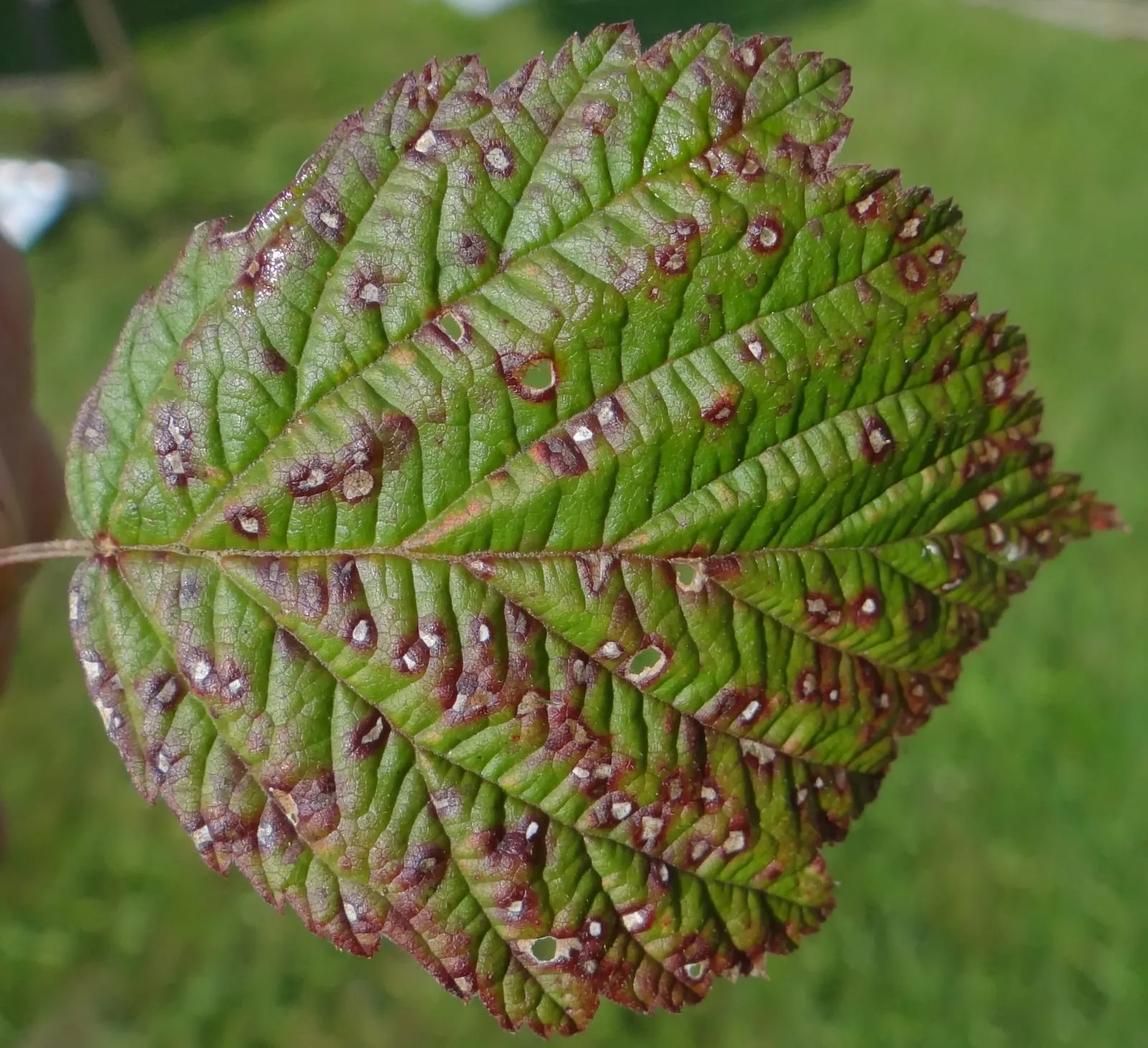
Elsinoe veneta
Fungal cane disease causing purple-bordered lesions that girdle and weaken bramble and Ribes canes, reducing yield over consecutive seasons.
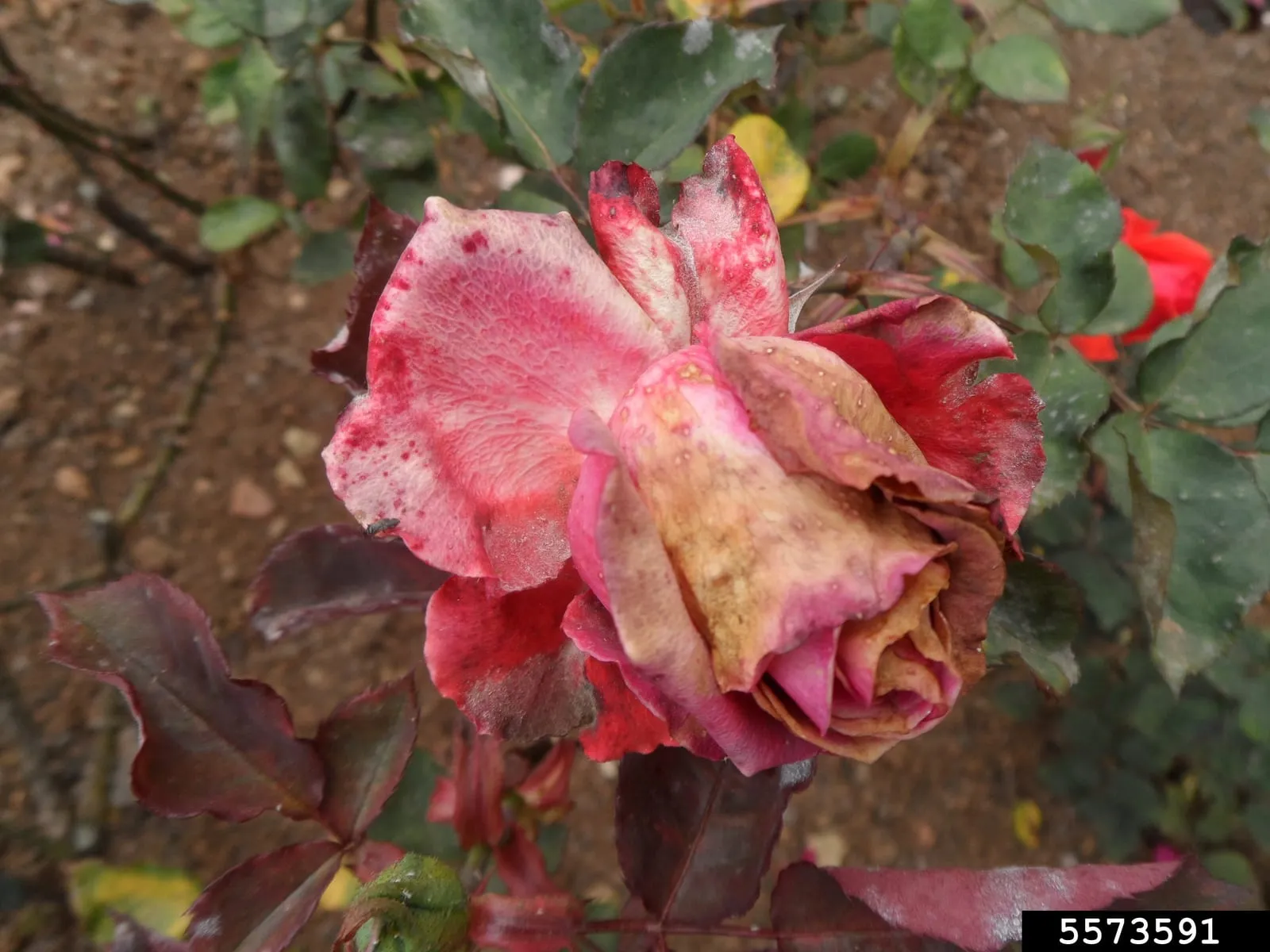
Botrytis cinerea
Ubiquitous fungal disease that causes fruit rot during cool wet weather, often the dominant berry disease in humid regions.
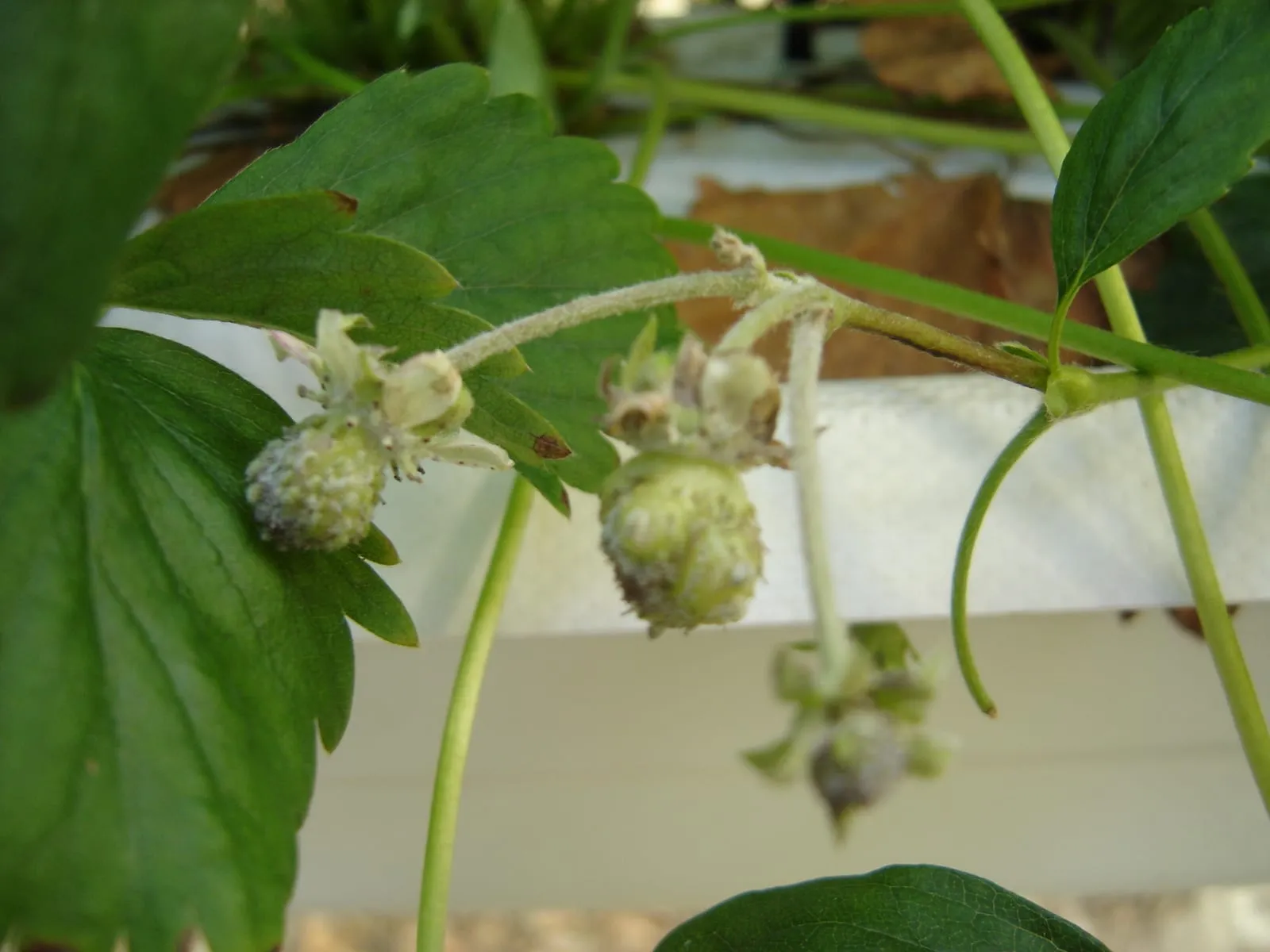
Podosphaera and Sphaerotheca species
Surface-feeding fungal disease producing white powdery growth on leaves and fruit, particularly damaging on gooseberries.
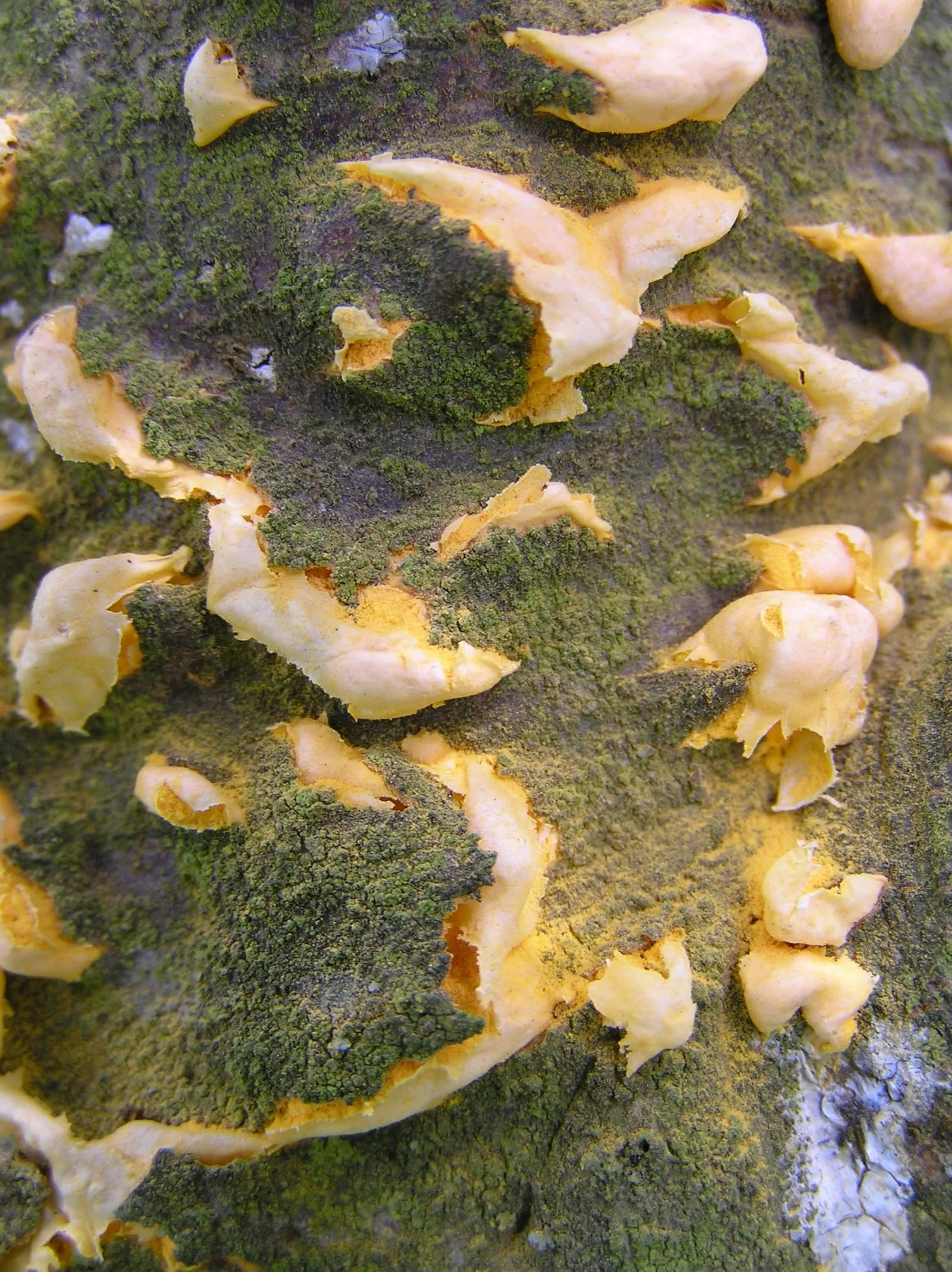
Cronartium ribicola
Two-host rust requiring both Ribes (currants and gooseberries) and white pines. Historically led to Ribes-planting bans in much of the US; some states still restrict black currant cultivation.
Common pests
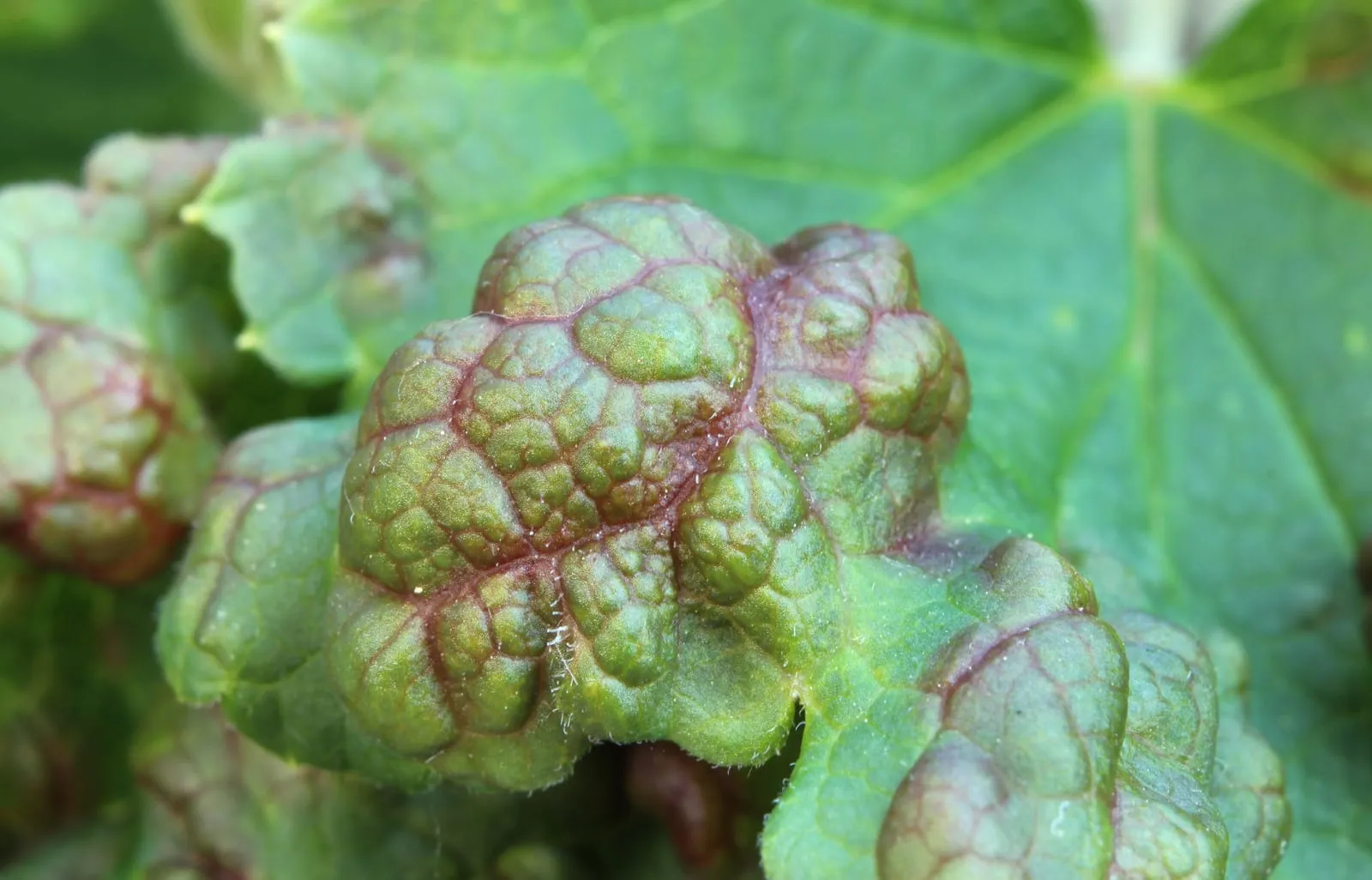
Cryptomyzus ribis
Sap-feeding aphid that causes characteristic red blistering on currant and gooseberry leaves in spring.
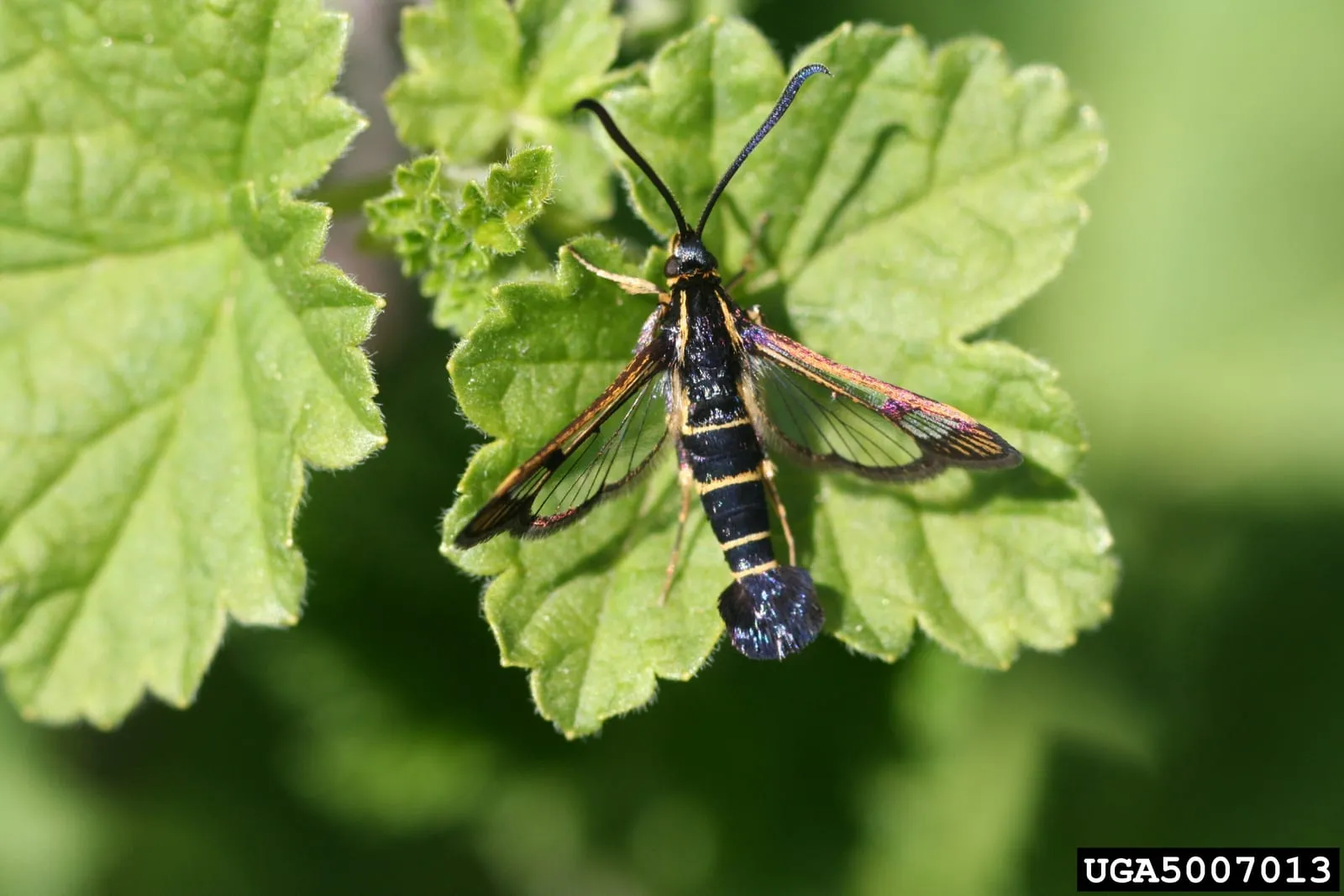
Synanthedon tipuliformis
Clearwing moth whose larvae tunnel inside currant and gooseberry canes, hollowing them out.
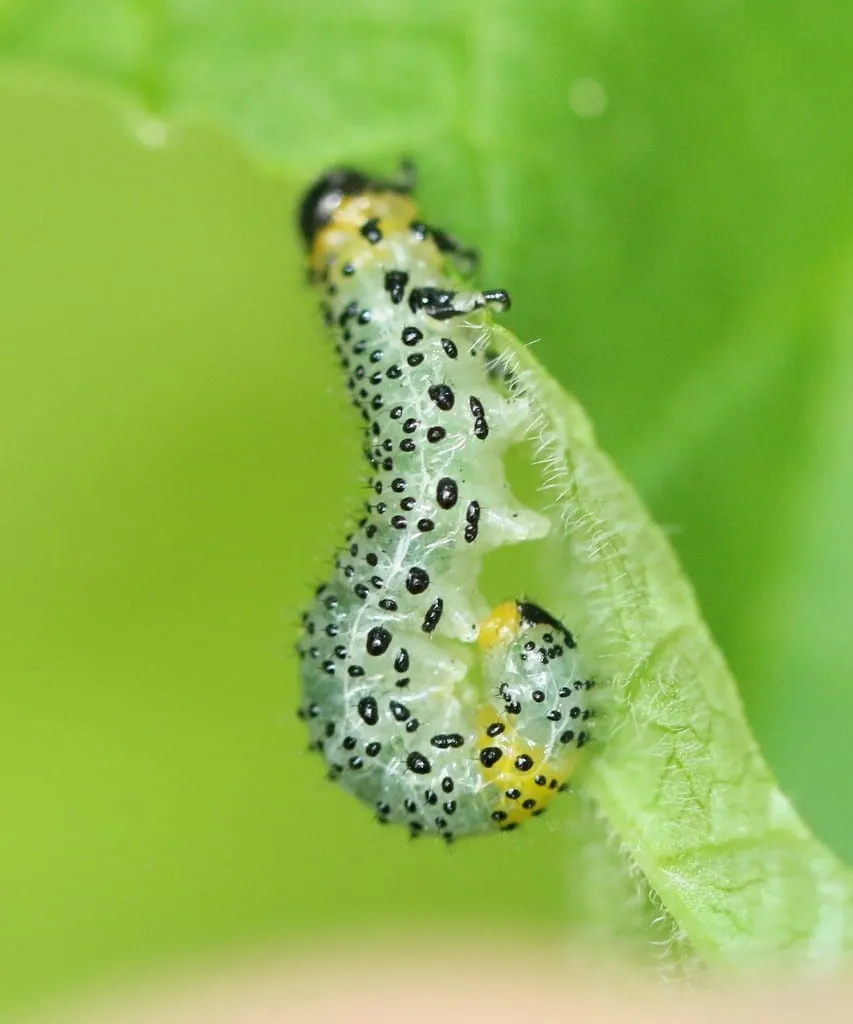
Nematus ribesii
Sawfly whose larvae can rapidly defoliate currant and gooseberry bushes, working from the inside of the bush outward.
Multiple species
Robins, catbirds, mockingbirds, starlings, cedar waxwings and other songbirds can strip ripening berry and fruit crops in days. Crows and blackbirds also damage fresh sweet corn ears in milk stage. The single biggest yield-loss factor in unprotected home plantings.
Common challenges
The most consequential and most common mistake in white currant culture is skipping annual renewal pruning. White currant bears primarily on two- and three-year-old wood. When old canes are left in place, the shrub shades itself internally, air movement drops, and fungal disease pressure increases substantially. A dormant-season pruning that removes all canes older than three years, leaving 8 to 12 healthy younger canes, keeps the shrub productive across its full 15 to 20 year lifespan. Growers who treat white currant as a hands-off shrub typically see steep yield declines by year five.
Fungal diseases are the second major challenge, particularly in humid-summer climates. Berry powdery mildew and gray mold (Botrytis) are the most damaging, and both intensify in a dense, unpruned canopy. Preventive copper or sulfur applications at bud break, combined with the open-shrub pruning above, reduce incidence without relying on synthetic fungicides. The Cornell Currant and Gooseberry resource recommends scouting from early blossom through harvest for early Botrytis symptoms, which appear as water-soaked berries that rapidly develop gray sporulation in wet weather.
White pine blister rust is a third concern for growers in forested settings. The disease is not transmitted plant-to-plant among currants; it requires an alternate pine host. Siting plantings away from five-needled pines and removing nearby wild Ribes are the practical management steps available to home growers.
Companion plants
Frequently asked questions
- How many chill hours does white currant require?
White currant needs 800 to 1,500 chill hours (hours at or below 45°F) per season. This range is reliably met across zones 3a through 6b. In zone 7a, chill accumulation varies significantly by year and microclimate; growers in that zone should check local NOAA station averages before planting.
- How long from bloom to harvest for white currant?
White currant typically ripens 70 to 90 days after bloom. Late-ripening varieties like Blanka fall toward the upper end of that range. In zones 3 and 4, where spring arrives later, the harvest window shifts accordingly but the development time stays consistent.
- What USDA hardiness zones support white currant?
White currant is reliably productive in zones 3a through 7a. Cold hardiness is not the limiting factor at the northern end; the species handles severe winters well. At the southern limit (zone 7a), insufficient chill-hour accumulation in mild winters is the more common problem, reducing fruit set in warm years.
- Is white currant self-fertile, or does it need a pollinator?
White currant is largely self-fertile and will set fruit without a second plant. Planting two or more varieties increases berry set and can improve strig length, which affects ease of harvest. Varieties like Blanka, noted for very long strigs, benefit most from cross-pollination.
- What is the most common disease on white currant?
Gray mold (Botrytis) and berry powdery mildew are the most frequently reported fungal problems. Both are worsened by dense canopy structure and wet, humid conditions. Annual renewal pruning that removes canes older than three years is the single most effective preventive step, reducing interior humidity and improving spray penetration when needed.
- Can white currant grow in partial shade?
White currant tolerates partial shade better than most fruiting shrubs. In zones 6 and 7a, afternoon shade reduces heat stress during fruit fill and can noticeably improve berry quality. In cooler zones (3 through 5), a site receiving at least 6 hours of direct sun produces higher yields.
- How long does a white currant shrub remain productive?
With consistent annual pruning, a white currant shrub remains productive for 15 to 20 years. The key is removing all canes older than three years each dormant season. Shrubs left unpruned typically show steep yield declines by years five to seven as unproductive old wood crowds out the bearing-age canes.
+−
+−
+−
+−
+−
+−
+−
Sources
Image: "Grosello rojo (Ribes rubrum), Múnich, Alemania, 2012-06-07, DD 01", by Diego Delso, via Wikimedia Commons, licensed under CC-BY. Source.
,_M%C3%BAnich,_Alemania,_2012-06-07,_DD_01.jpg)
White Currant by zone
Related