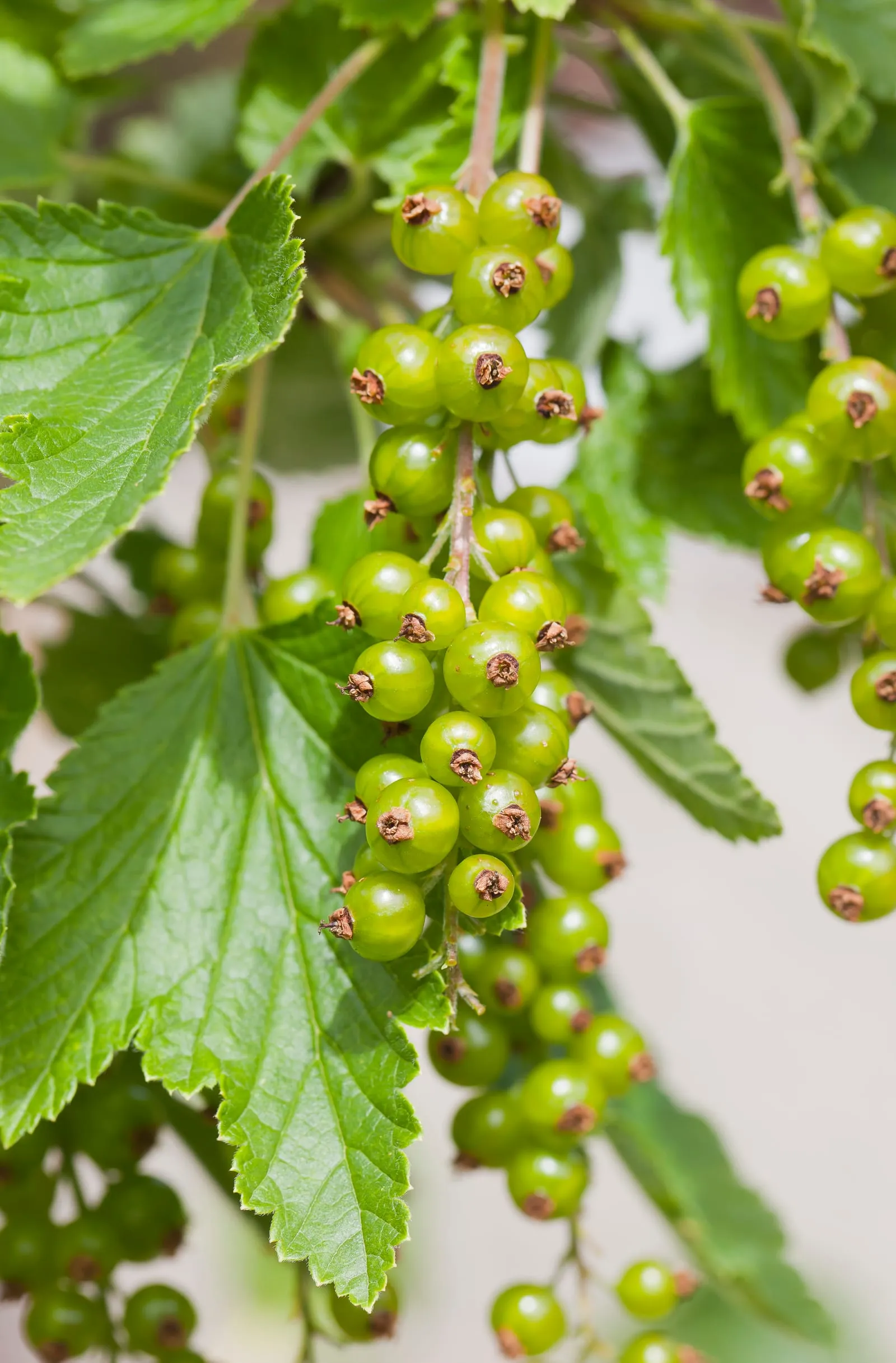
berry in zone 6b
Growing white currant in zone 6b
Ribes rubrum
- Zone
- 6b -5°F to 0°F
- Growing season
- 190 days
- Chill needed
- 800 to 1500 below 45°F
- Suitable varieties
- 3
- Days to harvest
- 70 to 90
The verdict
Zone 6b sits comfortably within white currant's preferred range. The crop requires 800 to 1,500 chill hours annually, and zone 6b locations typically accumulate 1,000 to 1,400 hours below 45°F through an average winter, placing most sites well inside that window rather than at the margins. The zone's minimum temperatures of -5 to 0°F are cold enough to satisfy dormancy requirements without threatening cane survival, since established white currant plants generally tolerate lows to around -20°F.
For variety selection, White Imperial, Blanka, and White Versailles all perform reliably at this latitude. Blanka carries a slight edge in disease resistance, which matters given the fungal pressure common in humid zone 6b summers. This is not a zone where the grower is fighting the plant's basic preferences; the main management challenges come from disease and pest pressure rather than climate mismatch.
Recommended varieties for zone 6b
3 cultivars suited to this zone, with disease-resistance and zone-fit annotations.
| Variety | Notes | Zone fit | Disease resistance |
|---|---|---|---|
| White Imperial fits zone 6b | Sweet-tart, mild, translucent pale-yellow berries; fresh dessert with cream, jelly. The sweetest of the currants, eats like a delicate grape. Heritage American variety. | | none noted |
| Blanka fits zone 6b | Sweet-tart, large pale-yellow berries on long strigs; dessert and white-currant jelly. Late-ripening Czech variety with the longest strigs of any currant, easiest hand harvest. | | none noted |
| White Versailles fits zone 6b | Tart-sweet, mild, pale-yellow berries with translucent skin; fresh, jelly, dessert. Early-ripening, productive, classic French heritage variety. | | none noted |
Critical timing for zone 6b
White currant breaks dormancy early, often pushing flower buds in late March to early April in zone 6b. The zone's average last frost falls between April 1 and April 15 depending on elevation and site, which creates a real frost-interception risk during early bloom years. Low-lying sites and frost pockets are the most exposed; hillside or elevated plantings with good cold-air drainage reduce this risk considerably.
Full bloom typically runs from mid to late April in zone 6b. Berry set follows within two to three weeks of pollination, and harvest opens in late June through mid-July, roughly 60 to 70 days after full bloom. The 190-day growing season in zone 6b gives white currant ample time to ripen and for canes to harden off before fall frost.
Common challenges in zone 6b
- ▸ Cedar-apple rust
- ▸ Fire blight
- ▸ Stink bugs
Disease pressure to watch for
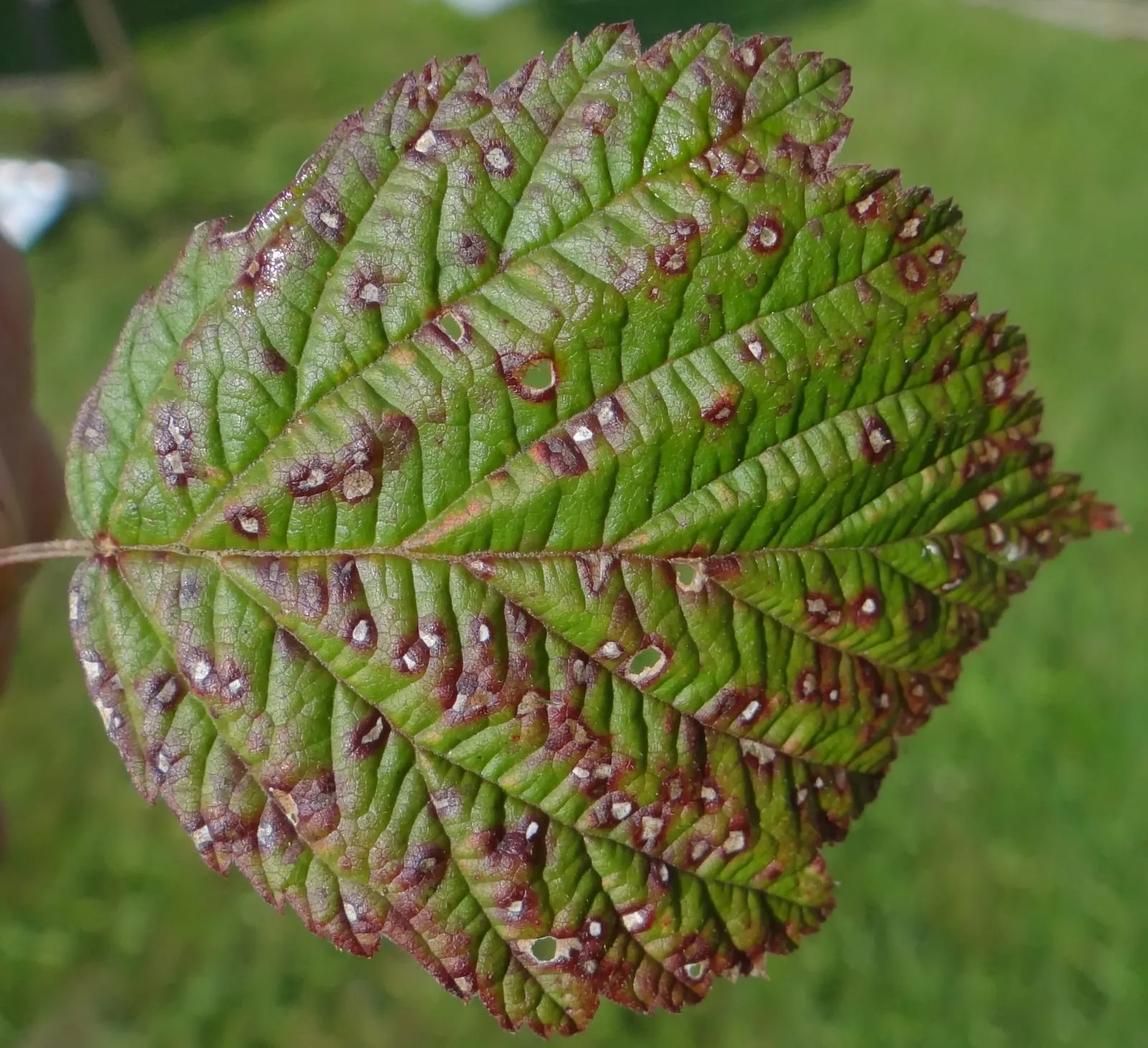
Elsinoe veneta
Fungal cane disease causing purple-bordered lesions that girdle and weaken bramble and Ribes canes, reducing yield over consecutive seasons.
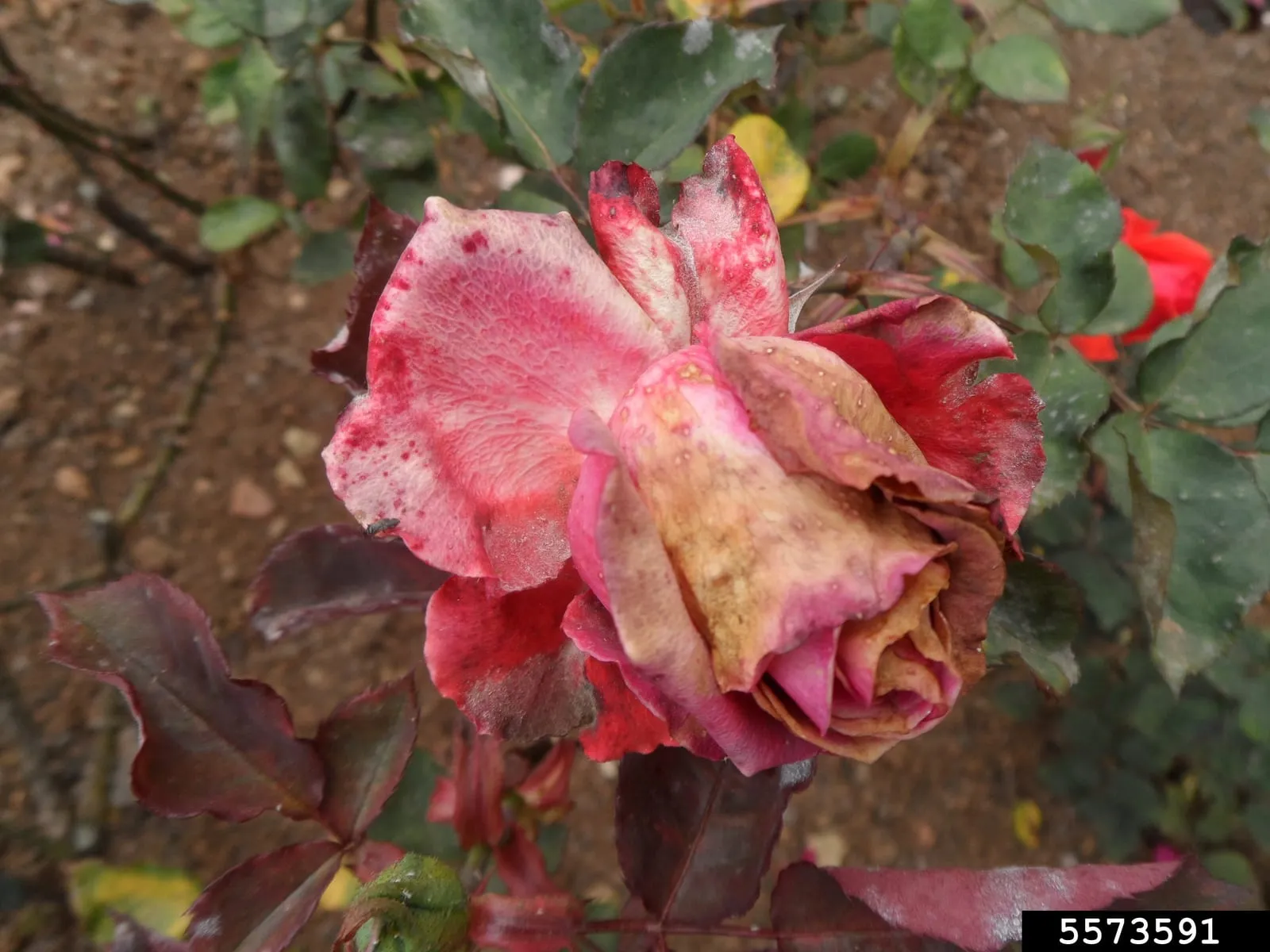
Botrytis cinerea
Ubiquitous fungal disease that causes fruit rot during cool wet weather, often the dominant berry disease in humid regions.
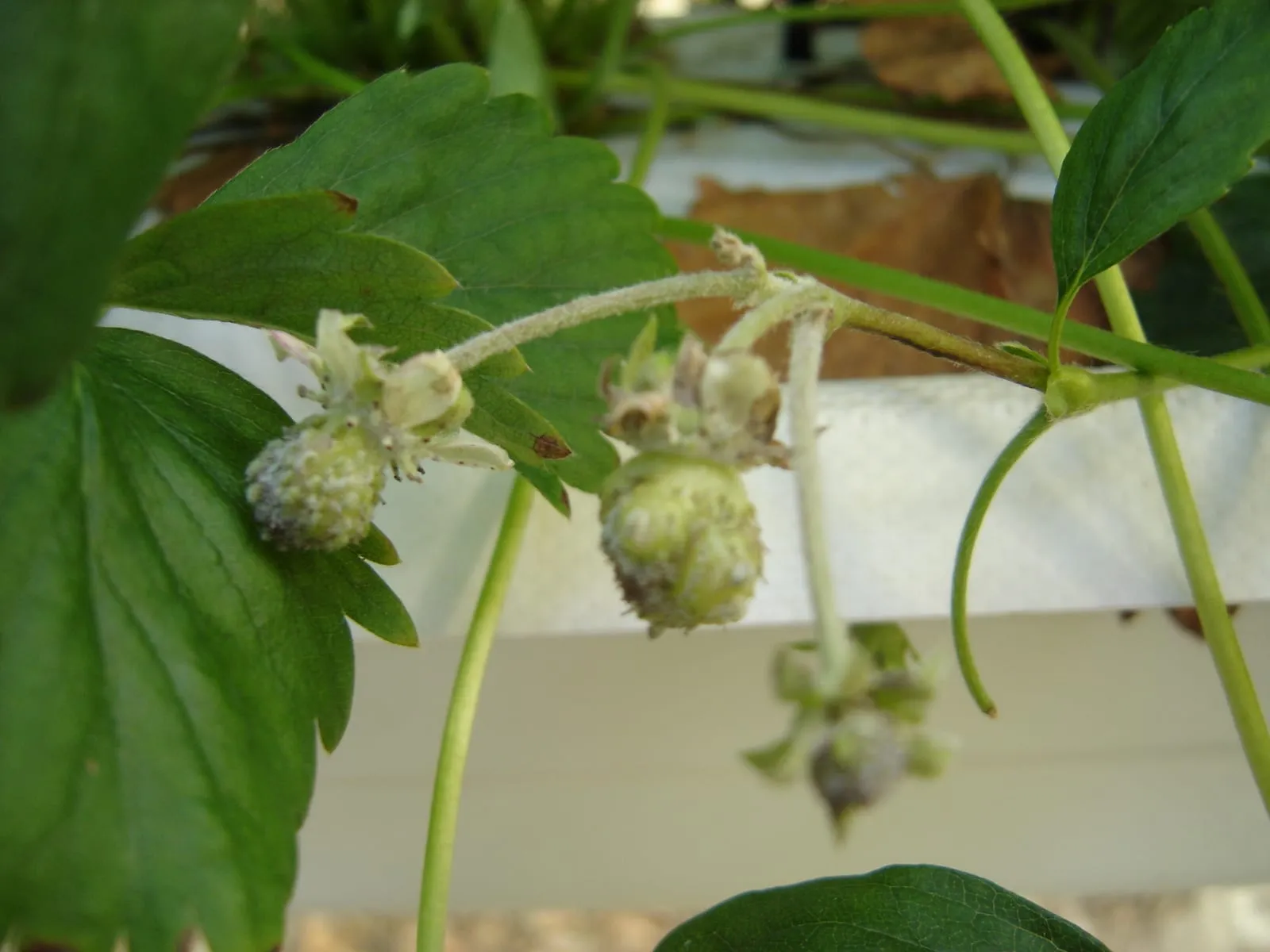
Podosphaera and Sphaerotheca species
Surface-feeding fungal disease producing white powdery growth on leaves and fruit, particularly damaging on gooseberries.
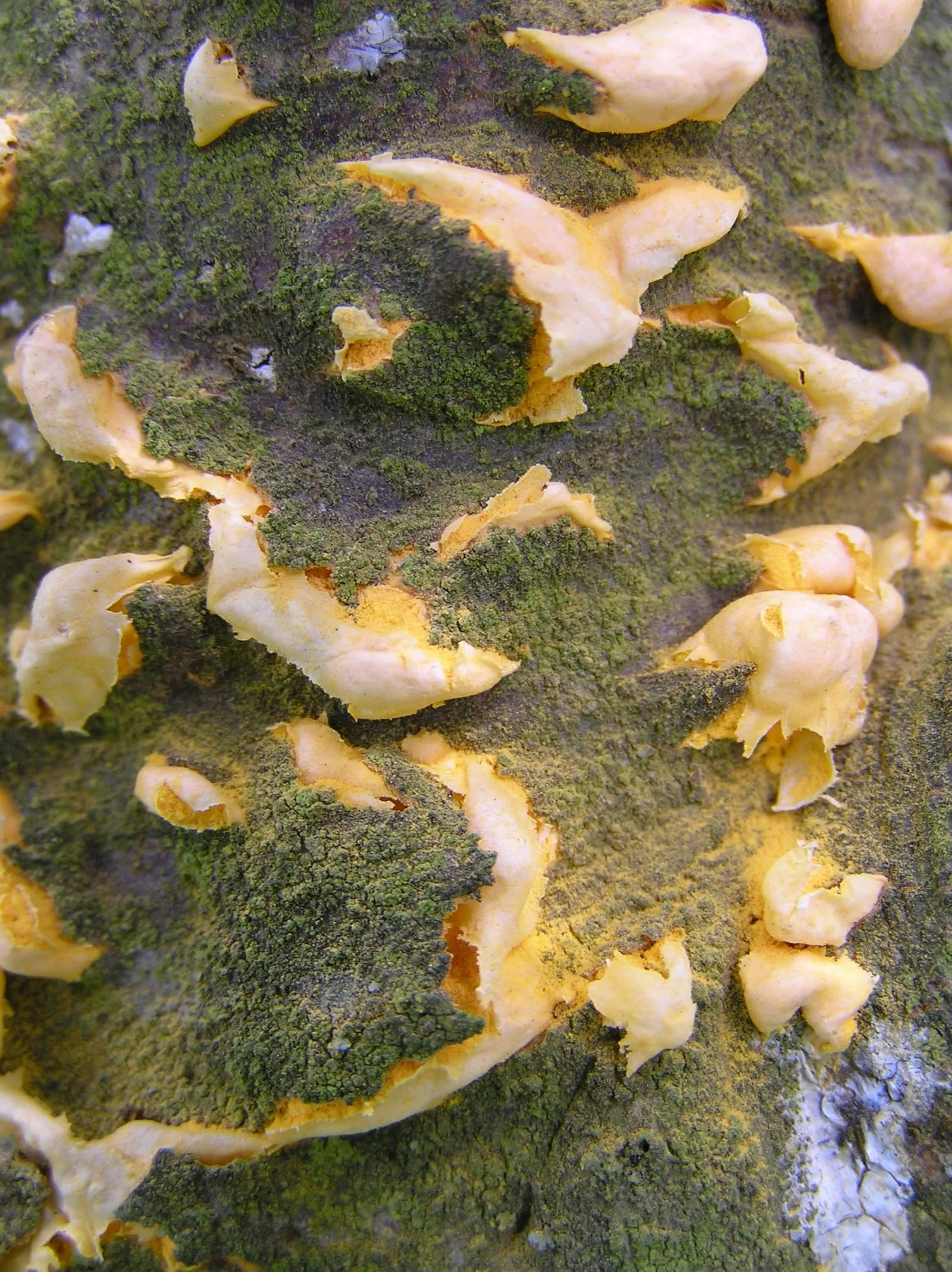
Cronartium ribicola
Two-host rust requiring both Ribes (currants and gooseberries) and white pines. Historically led to Ribes-planting bans in much of the US; some states still restrict black currant cultivation.
Modified care for zone 6b
The most consequential disease risk in zone 6b is White Pine Blister Rust, caused by Cronartium ribicola. This pathogen requires white pine as an alternate host; growers within a quarter mile of white pines (five-needle species) face elevated infection pressure. Some states retain restrictions on Ribes planting near pine timber stands, worth checking before establishing a planting.
Gray Mold (Botrytis) and Berry Powdery Mildew both intensify in zone 6b's humid summers. Pruning for airflow is more critical here than in drier climates: remove crowded or weak canes annually to keep the canopy open. Stink bugs peak in late summer and can cause cosmetic and quality damage to ripening berries; row cover during ripening offers the most reliable physical barrier. Winter protection beyond mulching the root zone is generally unnecessary in zone 6b for established plants.
Frequently asked questions
- Is zone 6b too cold for white currant?
No. White currant tolerates lows well below zone 6b's -5 to 0°F minimum, and its 800 to 1,500 chill-hour requirement is reliably met across most zone 6b sites. The crop is better adapted here than in warmer zones where chill accumulation can fall short.
- Can white currant grow near white pine trees in zone 6b?
Growing white currant near five-needle white pines increases exposure to White Pine Blister Rust, a serious fungal disease that cycles between Ribes species and white pine. Some states still have planting restrictions in pine-heavy areas. Confirm local regulations and consider site distance from white pines before planting.
- Which white currant variety performs best in zone 6b?
White Imperial, Blanka, and White Versailles are all suitable. Blanka shows stronger resistance to powdery mildew, which is an advantage in the humid summers typical of zone 6b. White Versailles is the most widely available and produces reliably but benefits from attentive airflow pruning.
+−
+−
+−
White Currant in adjacent zones
Image: "Grosello rojo (Ribes rubrum), Múnich, Alemania, 2012-06-07, DD 01", by Diego Delso, via Wikimedia Commons, licensed under CC-BY Source.
,_M%C3%BAnich,_Alemania,_2012-06-07,_DD_01.jpg)
Related