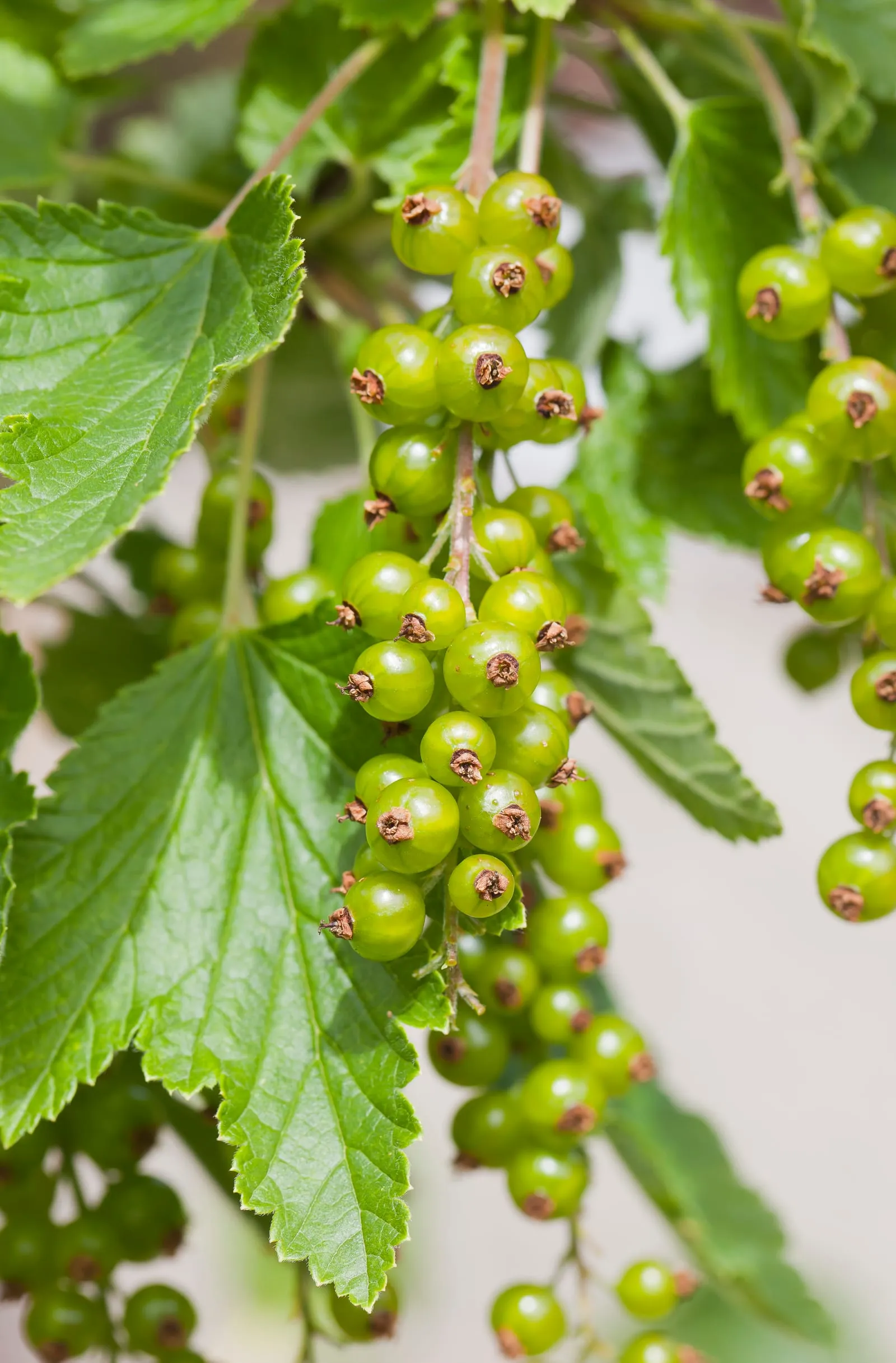
berry in zone 7a
Growing white currant in zone 7a
Ribes rubrum
- Zone
- 7a 0°F to 5°F
- Growing season
- 210 days
- Chill needed
- 800 to 1500 below 45°F
- Suitable varieties
- 1
- Days to harvest
- 70 to 90
The verdict
Zone 7a sits at the warm edge of white currant's viable range. The crop requires 800 to 1,500 chill hours (hours below 45°F), and zone 7a accumulates roughly 800 to 1,100 chill hours in most winters, depending on elevation and local microclimate. That places many zone 7a sites near the lower boundary of the requirement, meaning chill-hour shortfalls in mild winters are a genuine risk rather than a theoretical one.
In warmer pockets of zone 7a, particularly at low elevation or in urban heat islands, yields can be inconsistent year to year. White Versailles, the primary variety suited to this zone, tolerates the warmer end of the chill-hour range better than most cultivars. Even so, this is a marginal zone for white currant, not a sweet spot. Growers in cooler microclimates, on north-facing slopes, or at higher elevations within zone 7a will see more reliable cropping than those on exposed lowland sites.
Recommended varieties for zone 7a
1 cultivar suited to this zone, with disease-resistance and zone-fit annotations.
| Variety | Notes | Zone fit | Disease resistance |
|---|---|---|---|
| White Versailles fits zone 7a | Tart-sweet, mild, pale-yellow berries with translucent skin; fresh, jelly, dessert. Early-ripening, productive, classic French heritage variety. | | none noted |
Critical timing for zone 7a
White currant breaks dormancy early, setting flower buds in late February and blooming through March in zone 7a. Late frost events, which occur in zone 7a through mid-April in most years, pose a meaningful threat to the open bloom. A single hard frost after bud break can eliminate most of a year's fruit set.
Harvest follows roughly 60 to 80 days after bloom, placing ripe fruit in late May to early July depending on the season and spring temperatures. The 210-day growing season in zone 7a is longer than the crop requires. The binding constraint is spring frost timing relative to bloom, not total season length.
Common challenges in zone 7a
- ▸ Cedar-apple rust
- ▸ Brown rot
- ▸ Fire blight
- ▸ High humidity disease pressure
Disease pressure to watch for
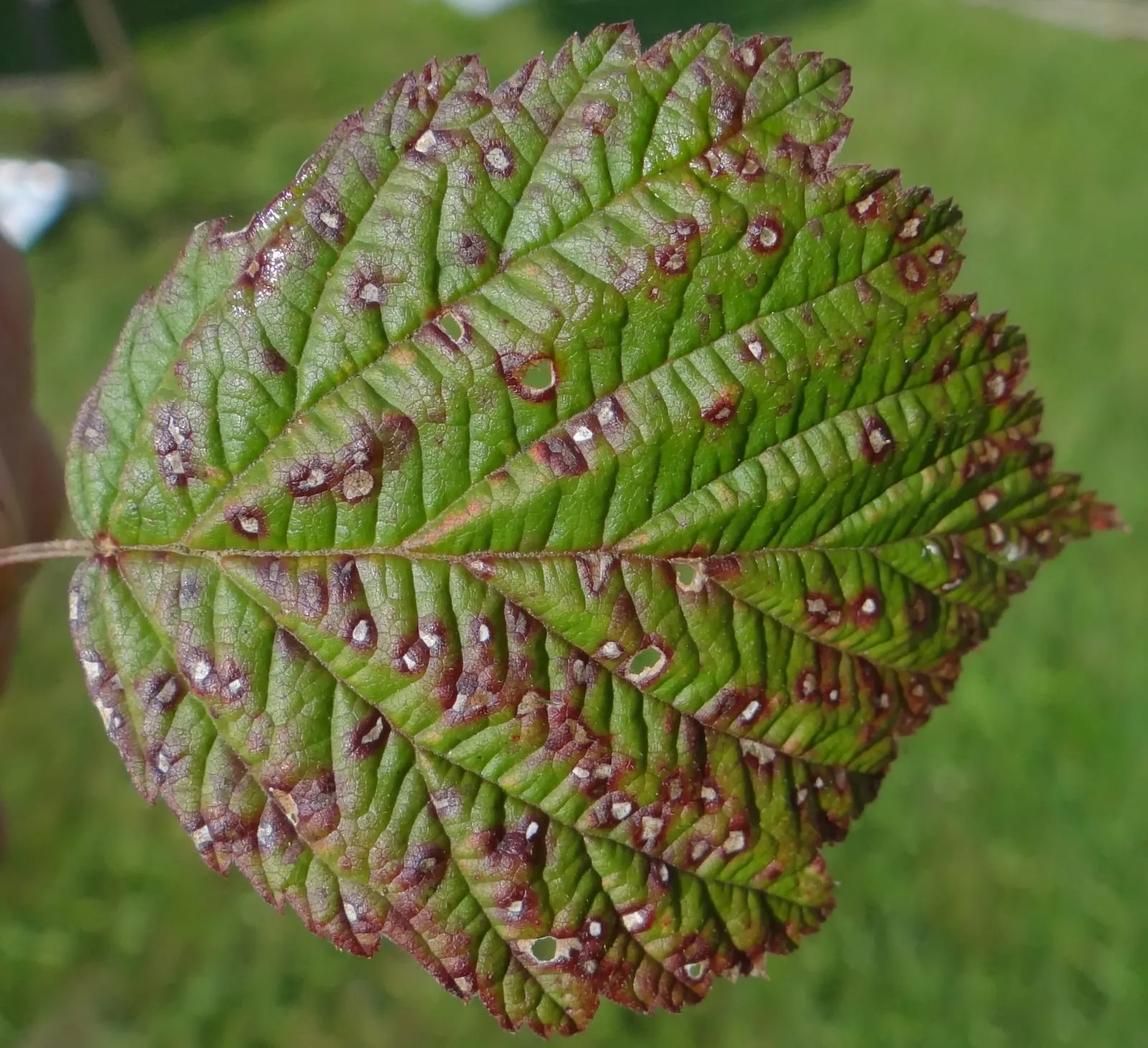
Elsinoe veneta
Fungal cane disease causing purple-bordered lesions that girdle and weaken bramble and Ribes canes, reducing yield over consecutive seasons.
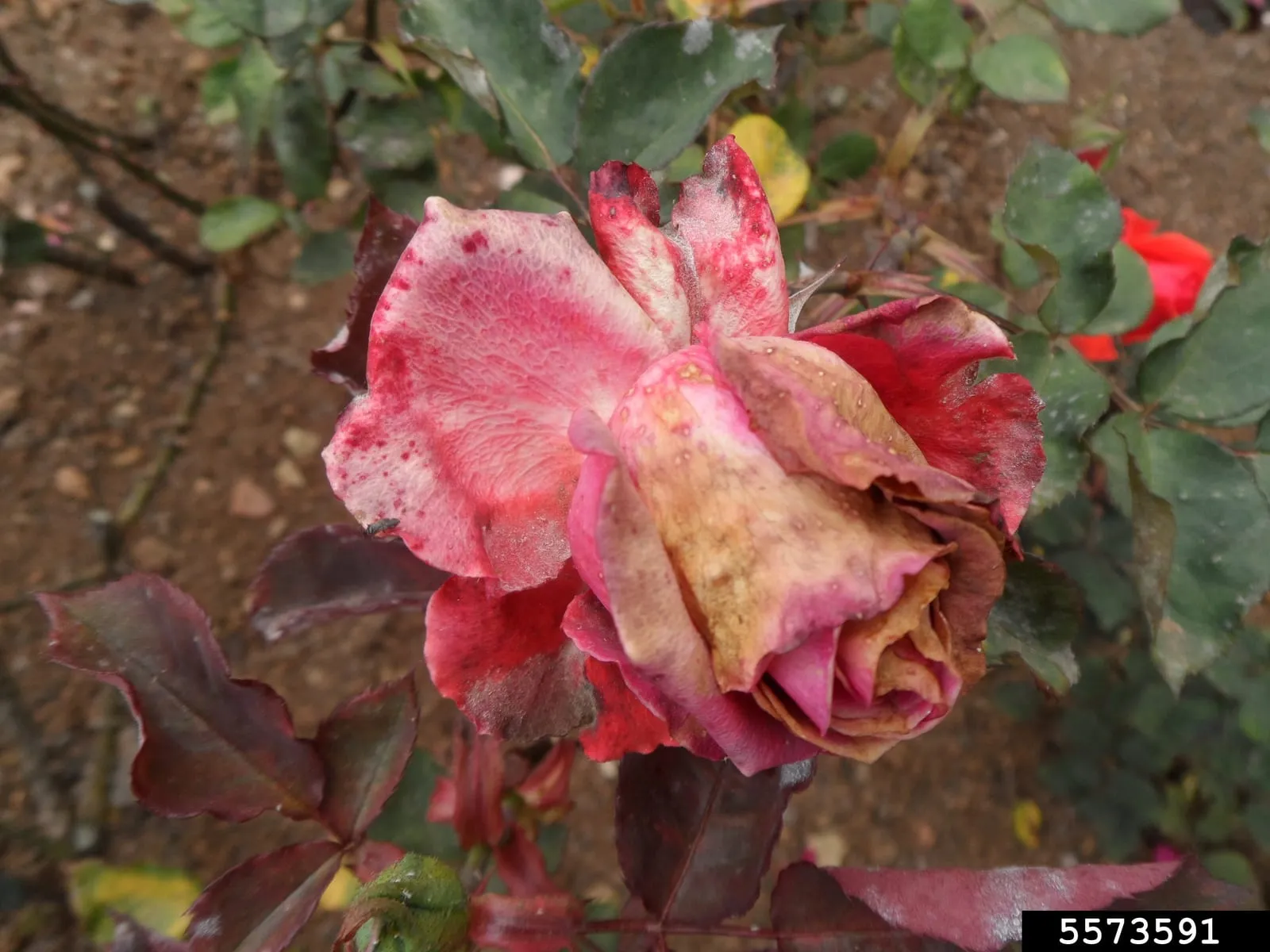
Botrytis cinerea
Ubiquitous fungal disease that causes fruit rot during cool wet weather, often the dominant berry disease in humid regions.
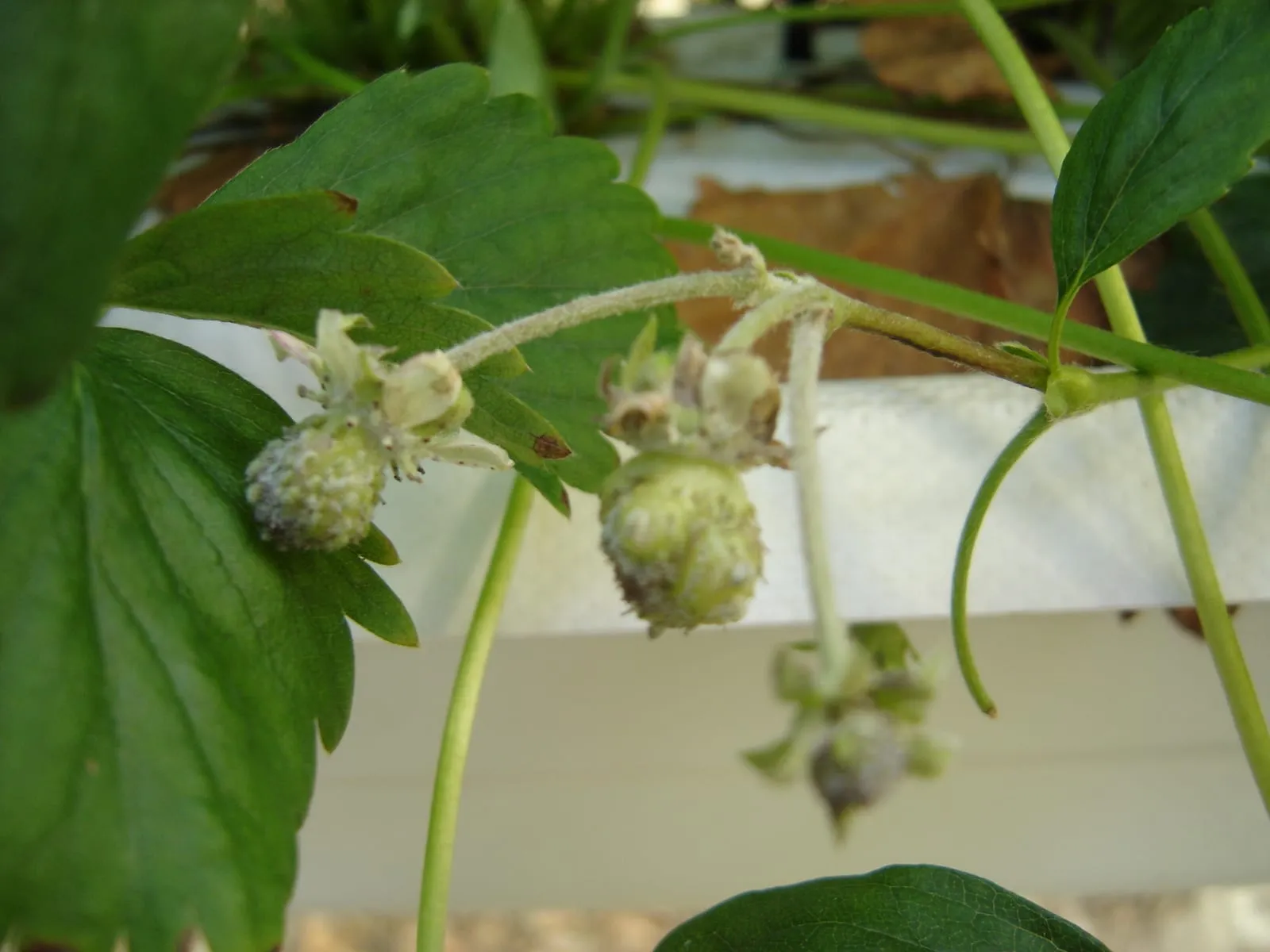
Podosphaera and Sphaerotheca species
Surface-feeding fungal disease producing white powdery growth on leaves and fruit, particularly damaging on gooseberries.
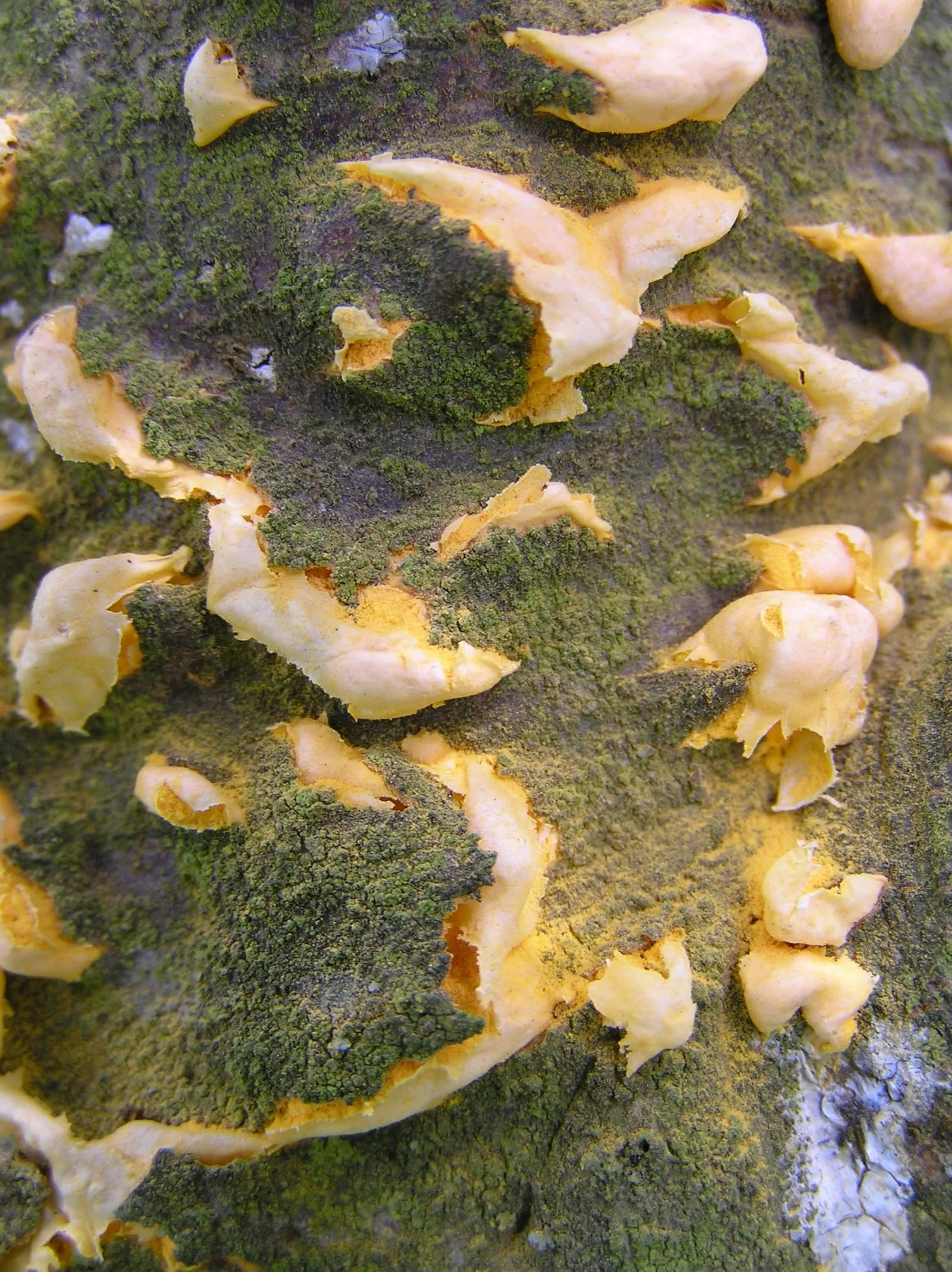
Cronartium ribicola
Two-host rust requiring both Ribes (currants and gooseberries) and white pines. Historically led to Ribes-planting bans in much of the US; some states still restrict black currant cultivation.
Modified care for zone 7a
White currant in zone 7a faces heavier disease pressure than the same plant grown further north. Gray Mold (Botrytis) and Berry Powdery Mildew are both favored by the high humidity typical of zone 7a summers. Aggressive annual pruning to open the canopy reduces moisture retention and is more critical here than in drier northern climates. Prompt removal of Cane Anthracnose-infected wood limits spread between seasons.
White Pine Blister Rust is a concern where five-needled pines are present nearby; maintaining distance from those host trees, or removing them from the immediate site, is the most effective long-term control. Afternoon shade from a structure or taller planting can reduce heat stress on developing fruit during the warmest weeks of summer, which also moderates premature softening at harvest.
White Currant in adjacent zones
Image: "Grosello rojo (Ribes rubrum), Múnich, Alemania, 2012-06-07, DD 01", by Diego Delso, via Wikimedia Commons, licensed under CC-BY Source.
,_M%C3%BAnich,_Alemania,_2012-06-07,_DD_01.jpg)
Related