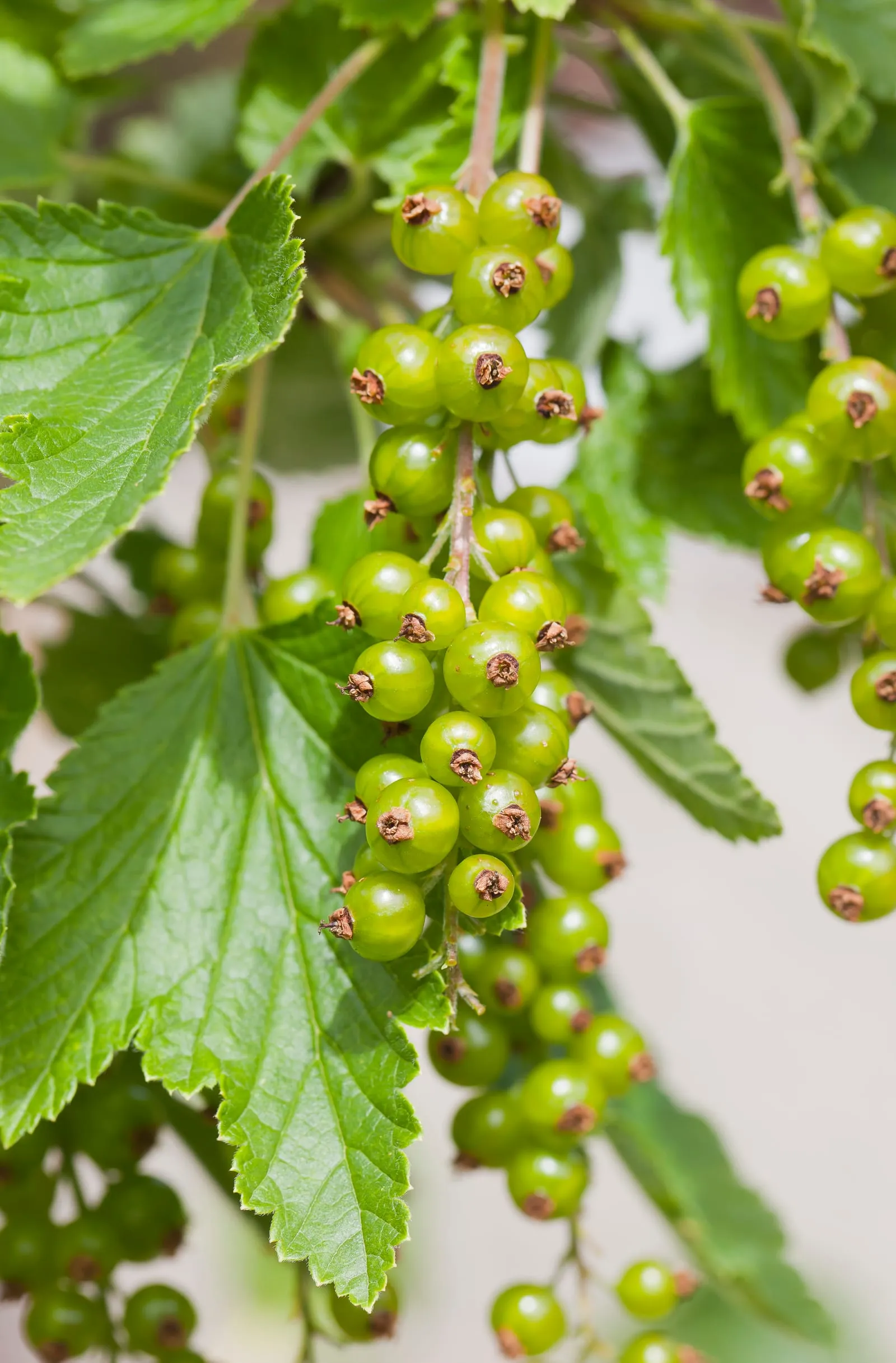
berry in zone 4a
Growing white currant in zone 4a
Ribes rubrum
- Zone
- 4a -30°F to -25°F
- Growing season
- 120 days
- Chill needed
- 800 to 1500 below 45°F
- Suitable varieties
- 3
- Days to harvest
- 70 to 90
The verdict
White currant is well-matched to zone 4a, placing this zone closer to a sweet spot than a margin for the crop. The chill-hour requirement of 800 to 1,500 hours aligns directly with what zone 4a winters (-30 to -25°F minimum) reliably deliver. Deep, consistent dormancy is what this crop needs, and zone 4a provides it without fail. The 120-day growing season is sufficient for fruit development and cane maturation before hard frosts return in fall.
Varieties such as White Imperial, Blanka, and White Versailles are all rated for this temperature range and perform without supplemental winter protection once established. The main vulnerability is late spring frosts intersecting with early bloom, a documented risk in zone 4a. In years when bloom advances during a warm stretch and a hard frost follows, fruit set can drop substantially. That specific risk aside, white currant is among the more dependable small fruits for northern growers and does not require the careful zone-pushing that stone fruits demand in this range.
Recommended varieties for zone 4a
3 cultivars suited to this zone, with disease-resistance and zone-fit annotations.
| Variety | Notes | Zone fit | Disease resistance |
|---|---|---|---|
| White Imperial fits zone 4a | Sweet-tart, mild, translucent pale-yellow berries; fresh dessert with cream, jelly. The sweetest of the currants, eats like a delicate grape. Heritage American variety. | | none noted |
| Blanka fits zone 4a | Sweet-tart, large pale-yellow berries on long strigs; dessert and white-currant jelly. Late-ripening Czech variety with the longest strigs of any currant, easiest hand harvest. | | none noted |
| White Versailles fits zone 4a | Tart-sweet, mild, pale-yellow berries with translucent skin; fresh, jelly, dessert. Early-ripening, productive, classic French heritage variety. | | none noted |
Critical timing for zone 4a
White currant blooms in late April to early May in zone 4a, a window that overlaps with the zone's late-frost risk period. Hard freezes into early May are historically common at the colder end of zone 4a, and even a brief drop to 28°F during full bloom can meaningfully reduce fruit set for that season.
Harvest follows roughly 60 to 70 days after bloom, placing the picking window in late June through mid-July depending on spring temperatures and variety. The 120-day growing season comfortably accommodates this schedule, with canes completing maturation and hardening off well before the first fall frosts arrive, typically in late September or October across most of zone 4a.
Common challenges in zone 4a
- ▸ Late frosts damage early bloomers
- ▸ Limited peach varieties
Disease pressure to watch for
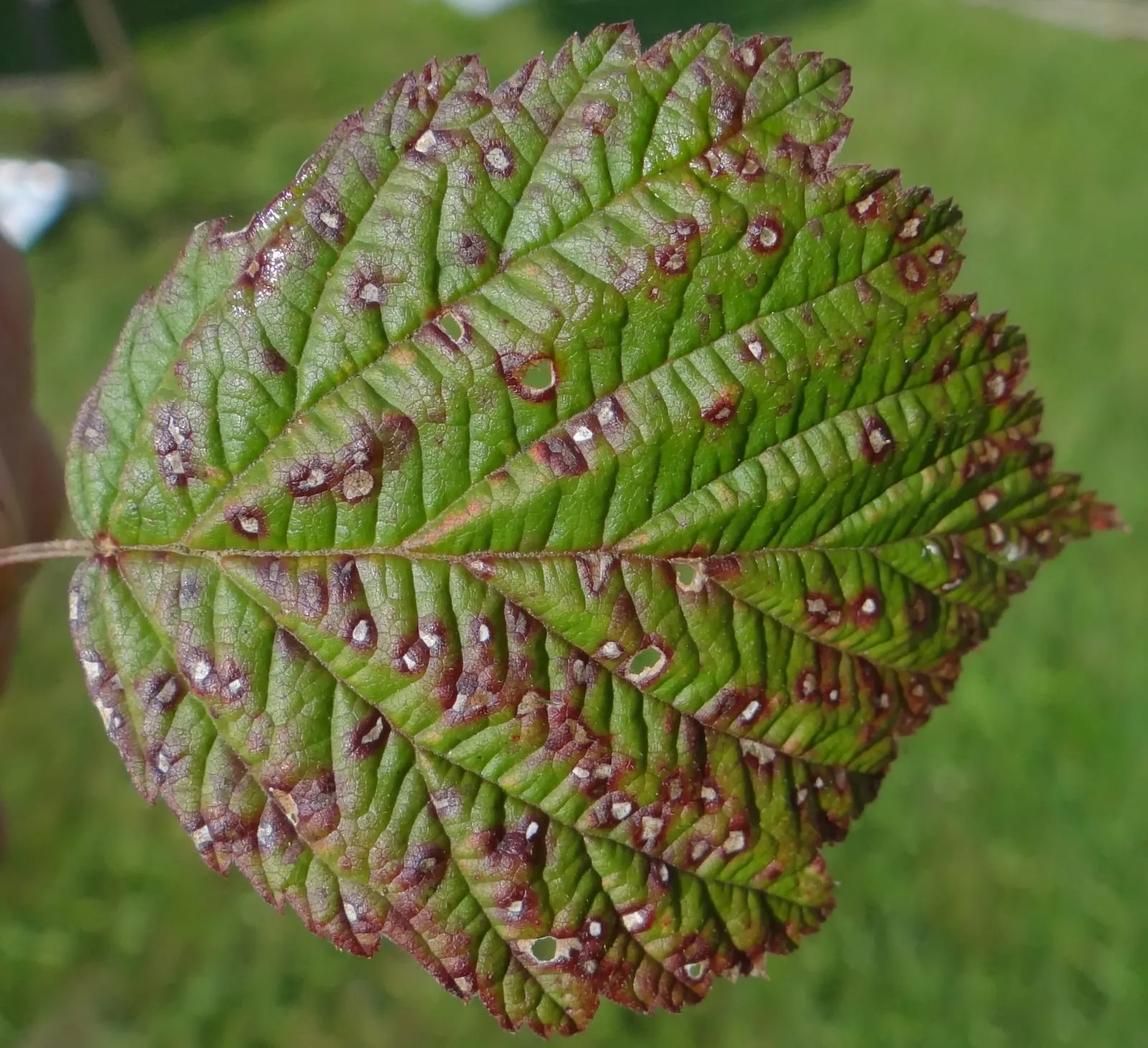
Elsinoe veneta
Fungal cane disease causing purple-bordered lesions that girdle and weaken bramble and Ribes canes, reducing yield over consecutive seasons.
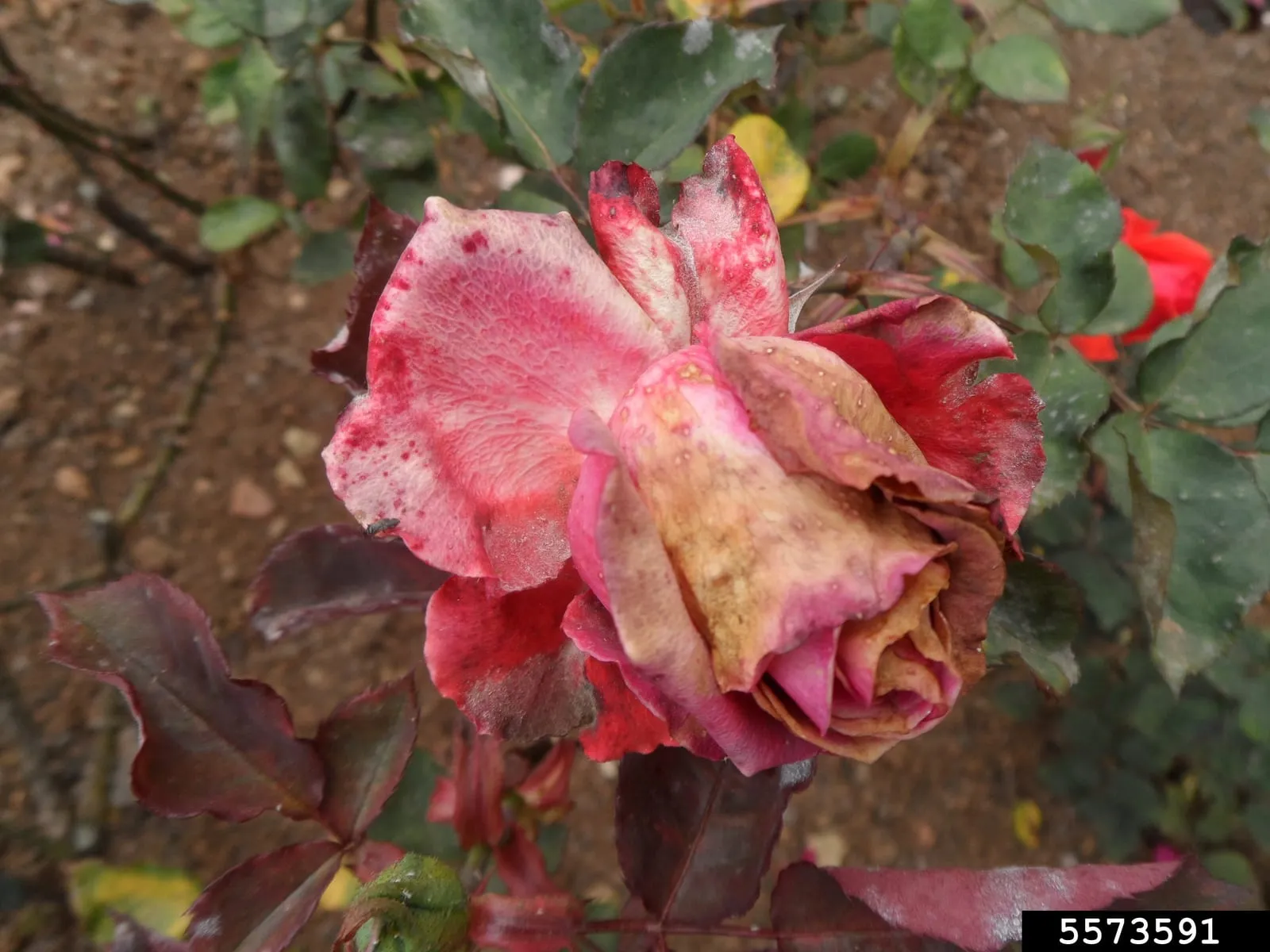
Botrytis cinerea
Ubiquitous fungal disease that causes fruit rot during cool wet weather, often the dominant berry disease in humid regions.
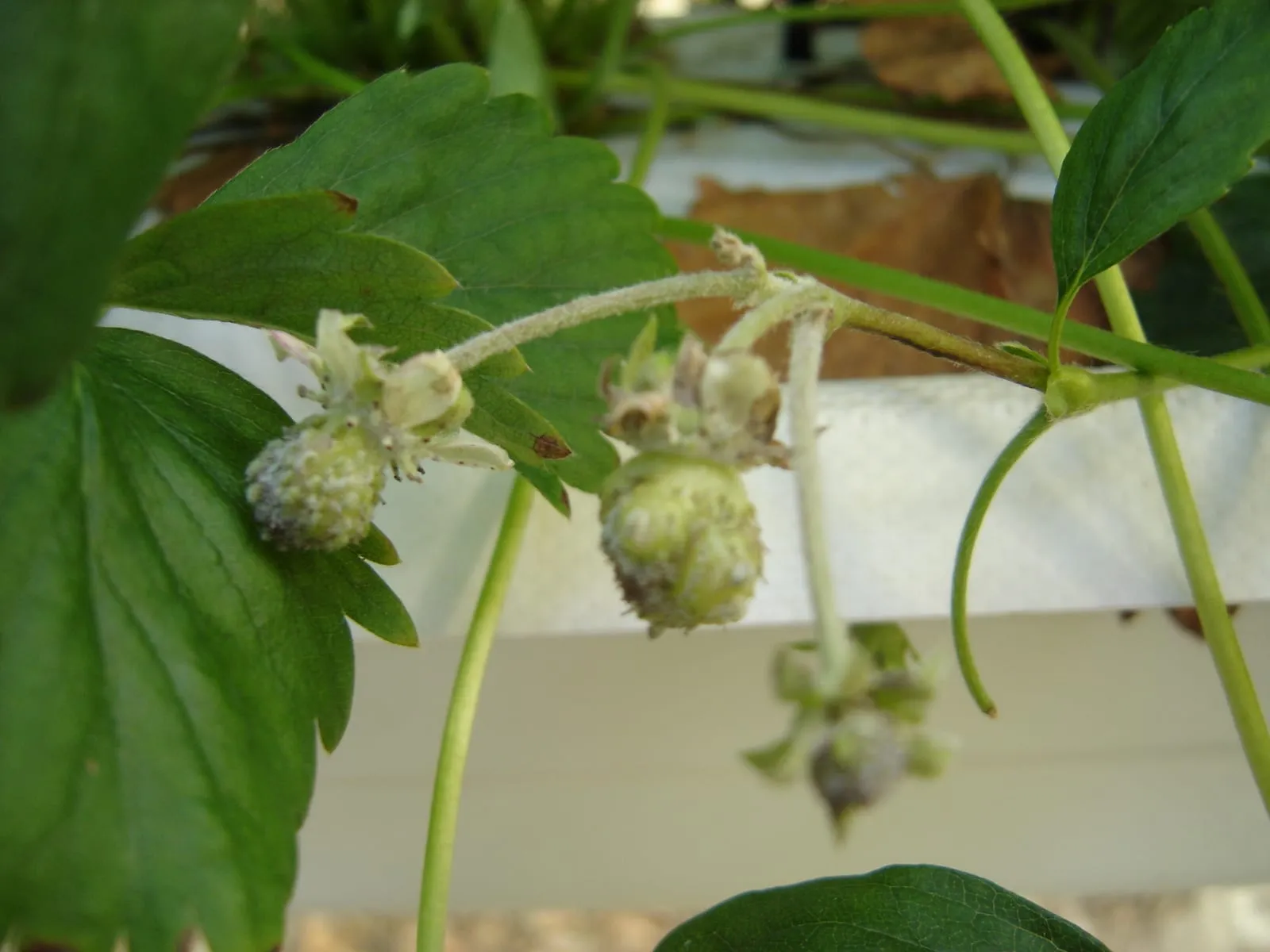
Podosphaera and Sphaerotheca species
Surface-feeding fungal disease producing white powdery growth on leaves and fruit, particularly damaging on gooseberries.
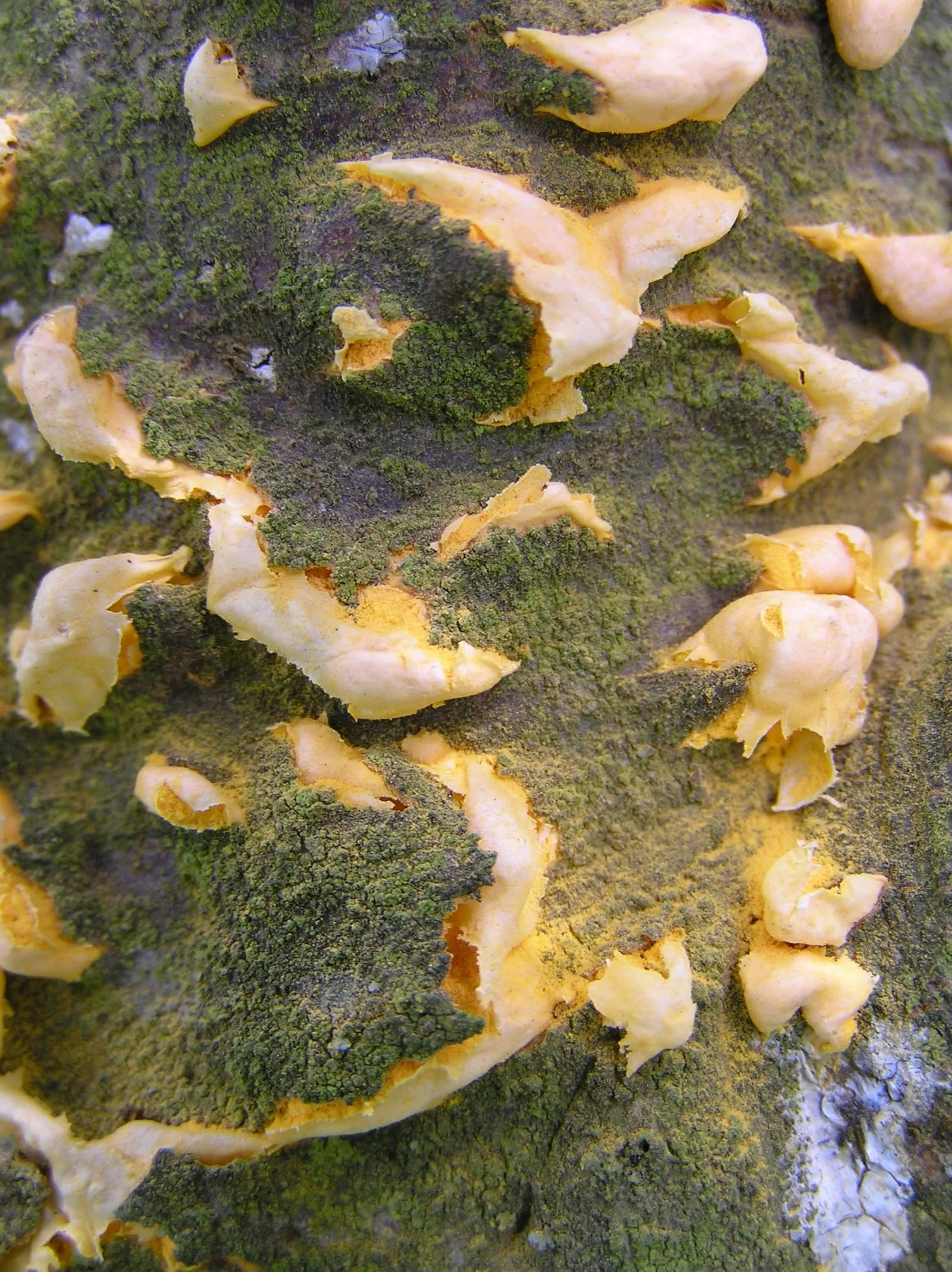
Cronartium ribicola
Two-host rust requiring both Ribes (currants and gooseberries) and white pines. Historically led to Ribes-planting bans in much of the US; some states still restrict black currant cultivation.
Modified care for zone 4a
The primary adaptation in zone 4a is protecting young canes through their first winter. Established white currant plants are hardy to zone 3 or 4, but first-year canes in exposed sites benefit from a mulch layer over the root zone to reduce frost-heave risk until the root system anchors fully.
White Pine Blister Rust deserves attention in zone 4a, which overlaps with significant white pine populations across the northern tier. Planting within 1,000 feet of white pines increases infection risk; where avoidance is not possible, selecting less susceptible varieties and removing volunteer Ribes from the immediate area reduces pressure. Botrytis and powdery mildew are generally lower in the drier continental climates typical of zone 4a than in humid coastal settings, though wet springs can still trigger gray mold in dense plantings. Maintaining open canopy structure through annual pruning is the most effective disease management step available in this zone.
White Currant in adjacent zones
Image: "Grosello rojo (Ribes rubrum), Múnich, Alemania, 2012-06-07, DD 01", by Diego Delso, via Wikimedia Commons, licensed under CC-BY Source.
,_M%C3%BAnich,_Alemania,_2012-06-07,_DD_01.jpg)
Related