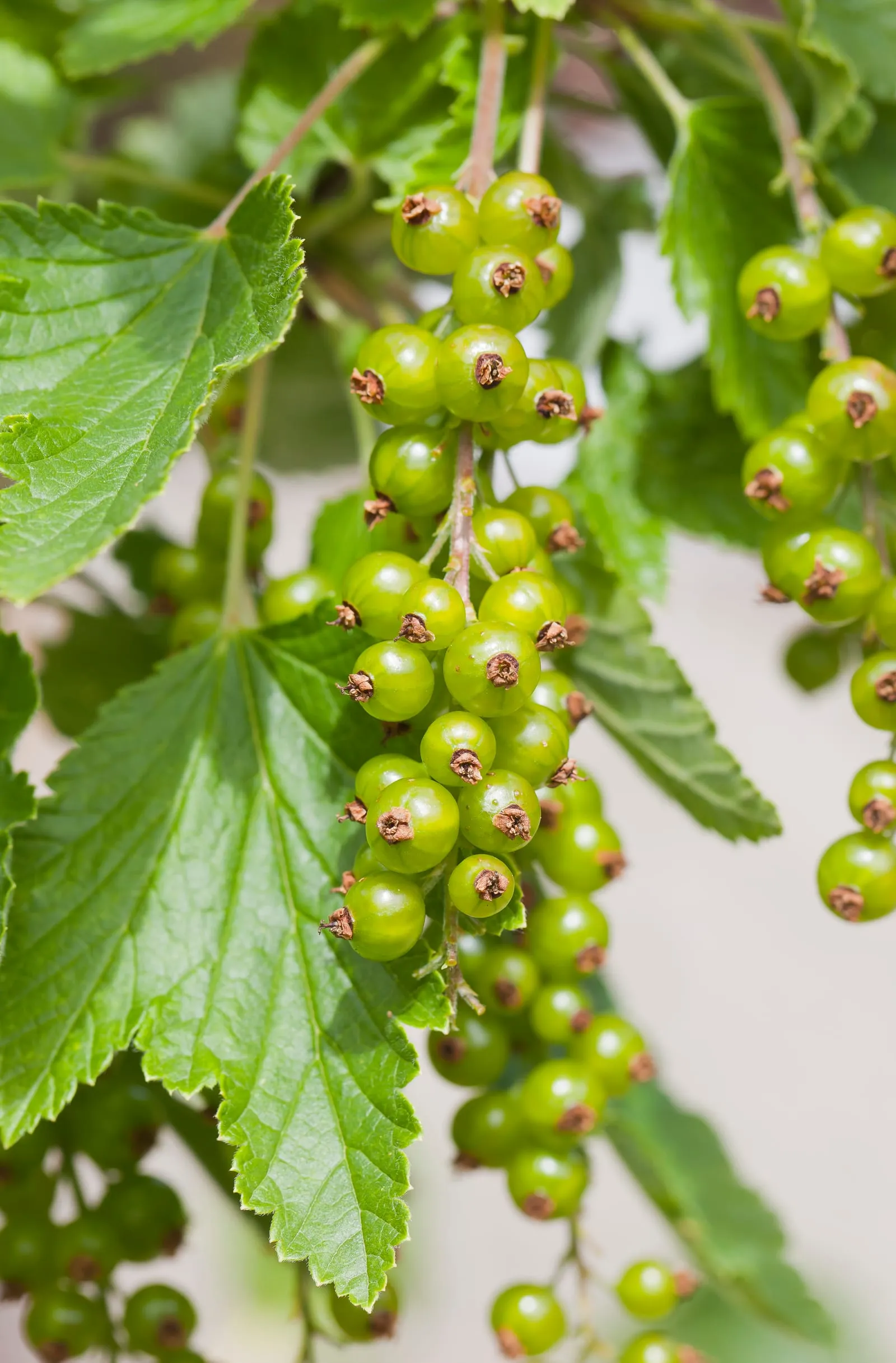
berry in zone 3b
Growing white currant in zone 3b
Ribes rubrum
- Zone
- 3b -35°F to -30°F
- Growing season
- 100 days
- Chill needed
- 800 to 1500 below 45°F
- Suitable varieties
- 3
- Days to harvest
- 70 to 90
The verdict
White currant is among the hardiest small fruits grown in North America, and zone 3b presents no cold-hardiness challenge. Temperatures down to -35°F fall within the crop's documented tolerance range. The chill-hour requirement of 800 to 1,500 hours is met with ease in zone 3b, where winters routinely accumulate well beyond 1,500 hours below 45°F. The binding constraint here is not cold hardiness but season length. White currant needs roughly 60 to 70 frost-free days from bloom to ripe fruit, and zone 3b's 100-day growing season leaves limited margin at both ends.
This is not a marginal zone for cold hardiness. It is a marginal zone for season length. Most zone 3b sites can reliably grow white currant, but microclimate makes the difference between a consistent crop and an occasional one. Low frost pockets, north-facing slopes, and poorly drained sites amplify the risk. Well-drained ground with good cold-air drainage and some south or west exposure narrows the gap considerably. Of the compatible varieties, Blanka and White Versailles have shorter fruit development windows and are better matches for the compressed season than slower-maturing selections.
Recommended varieties for zone 3b
3 cultivars suited to this zone, with disease-resistance and zone-fit annotations.
| Variety | Notes | Zone fit | Disease resistance |
|---|---|---|---|
| White Imperial fits zone 3b | Sweet-tart, mild, translucent pale-yellow berries; fresh dessert with cream, jelly. The sweetest of the currants, eats like a delicate grape. Heritage American variety. | | none noted |
| Blanka fits zone 3b | Sweet-tart, large pale-yellow berries on long strigs; dessert and white-currant jelly. Late-ripening Czech variety with the longest strigs of any currant, easiest hand harvest. | | none noted |
| White Versailles fits zone 3b | Tart-sweet, mild, pale-yellow berries with translucent skin; fresh, jelly, dessert. Early-ripening, productive, classic French heritage variety. | | none noted |
Critical timing for zone 3b
White currant blooms in late May across most of zone 3b, though microclimate can shift this by a week in either direction. Last frost dates in zone 3b typically fall in late May to early June, which places open bloom directly in the frost-risk window. A single hard frost during pollination eliminates that year's fruit set with no recovery path. Growers in lower-elevation or frost-pocket sites face this collision most often.
Harvest follows approximately 60 to 70 days after bloom, placing ripe fruit in late July to early August under typical conditions. Zone 3b's first fall frost arrives by late August in colder locations and early September elsewhere, so harvest generally completes before fall frost threatens, provided the season started on schedule. The calendar leaves almost no buffer at either end. A delayed spring that pushes bloom into mid-June compresses the window further and increases the likelihood that fruit is still on the bush when the first fall frost arrives.
Common challenges in zone 3b
- ▸ Short season
- ▸ Winter desiccation
- ▸ Site selection critical for fruit trees
Disease pressure to watch for
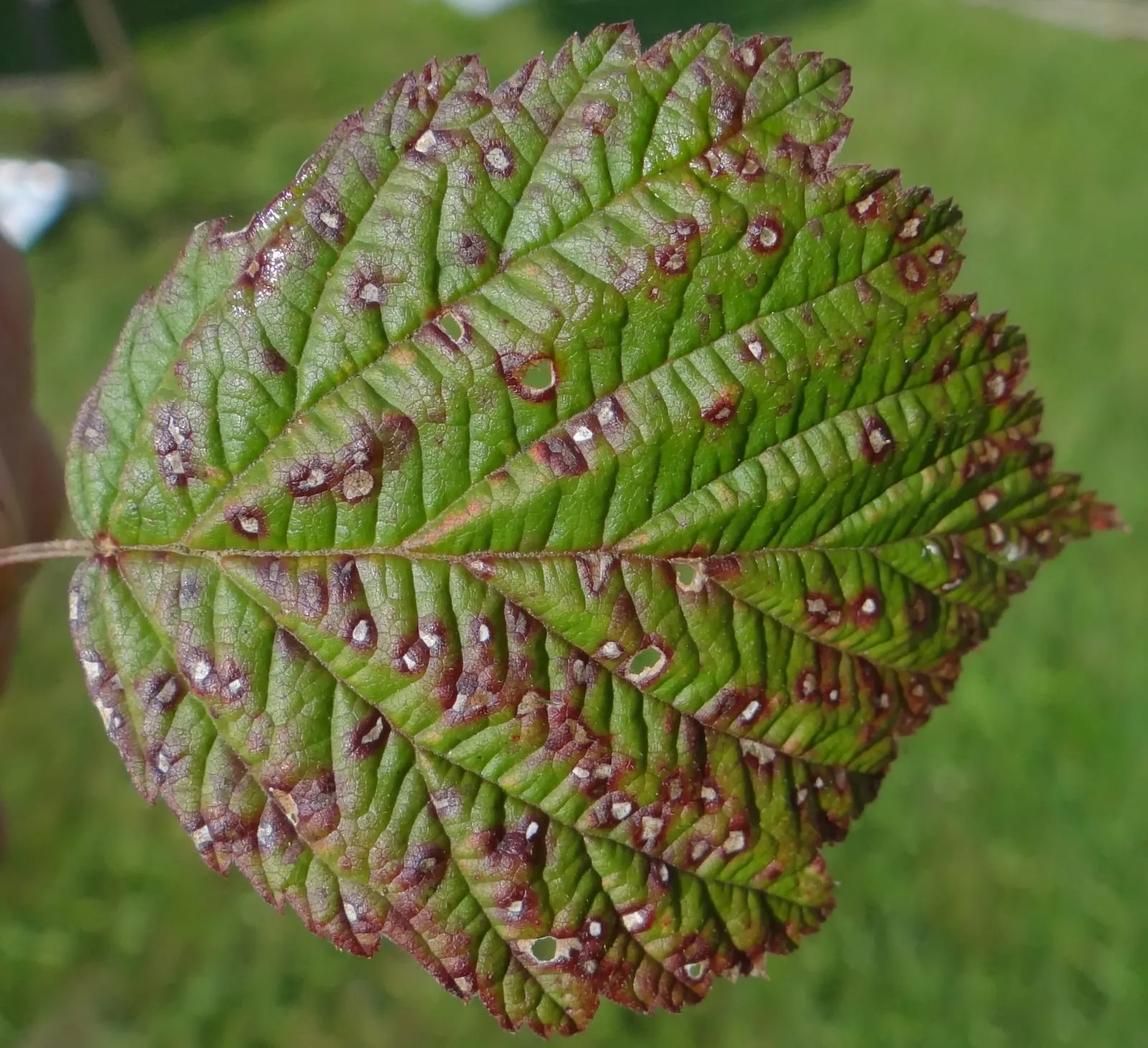
Elsinoe veneta
Fungal cane disease causing purple-bordered lesions that girdle and weaken bramble and Ribes canes, reducing yield over consecutive seasons.
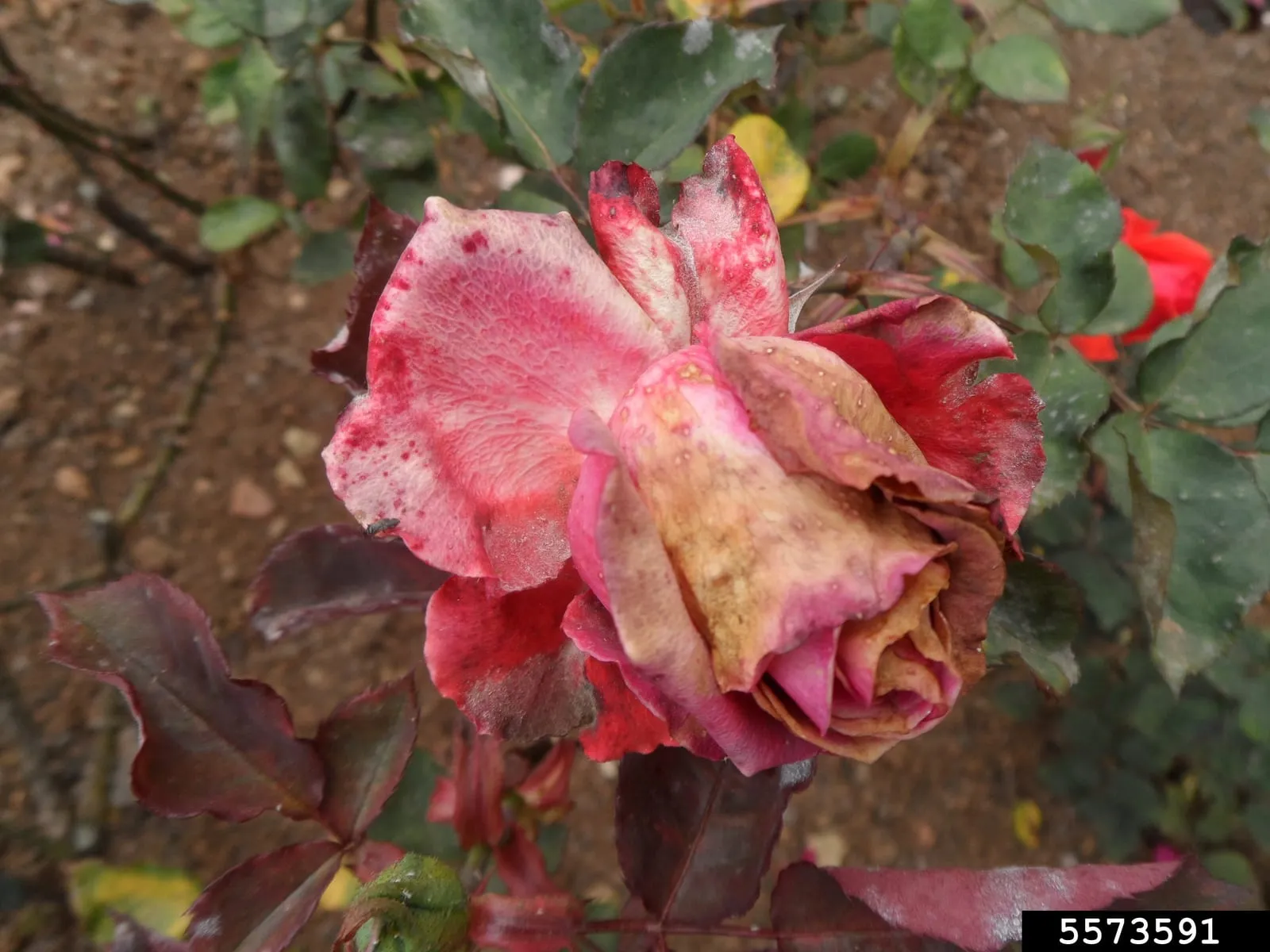
Botrytis cinerea
Ubiquitous fungal disease that causes fruit rot during cool wet weather, often the dominant berry disease in humid regions.
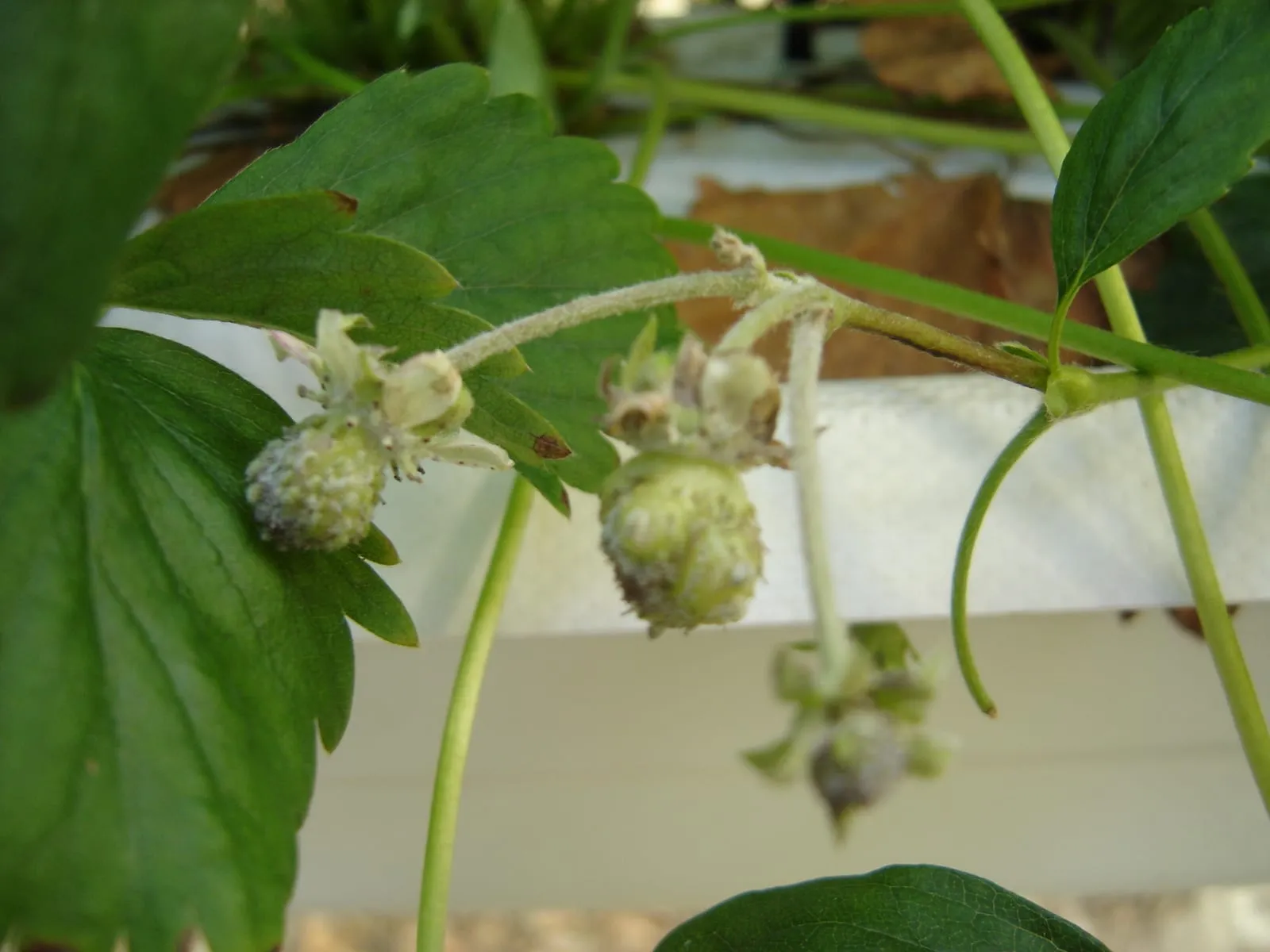
Podosphaera and Sphaerotheca species
Surface-feeding fungal disease producing white powdery growth on leaves and fruit, particularly damaging on gooseberries.
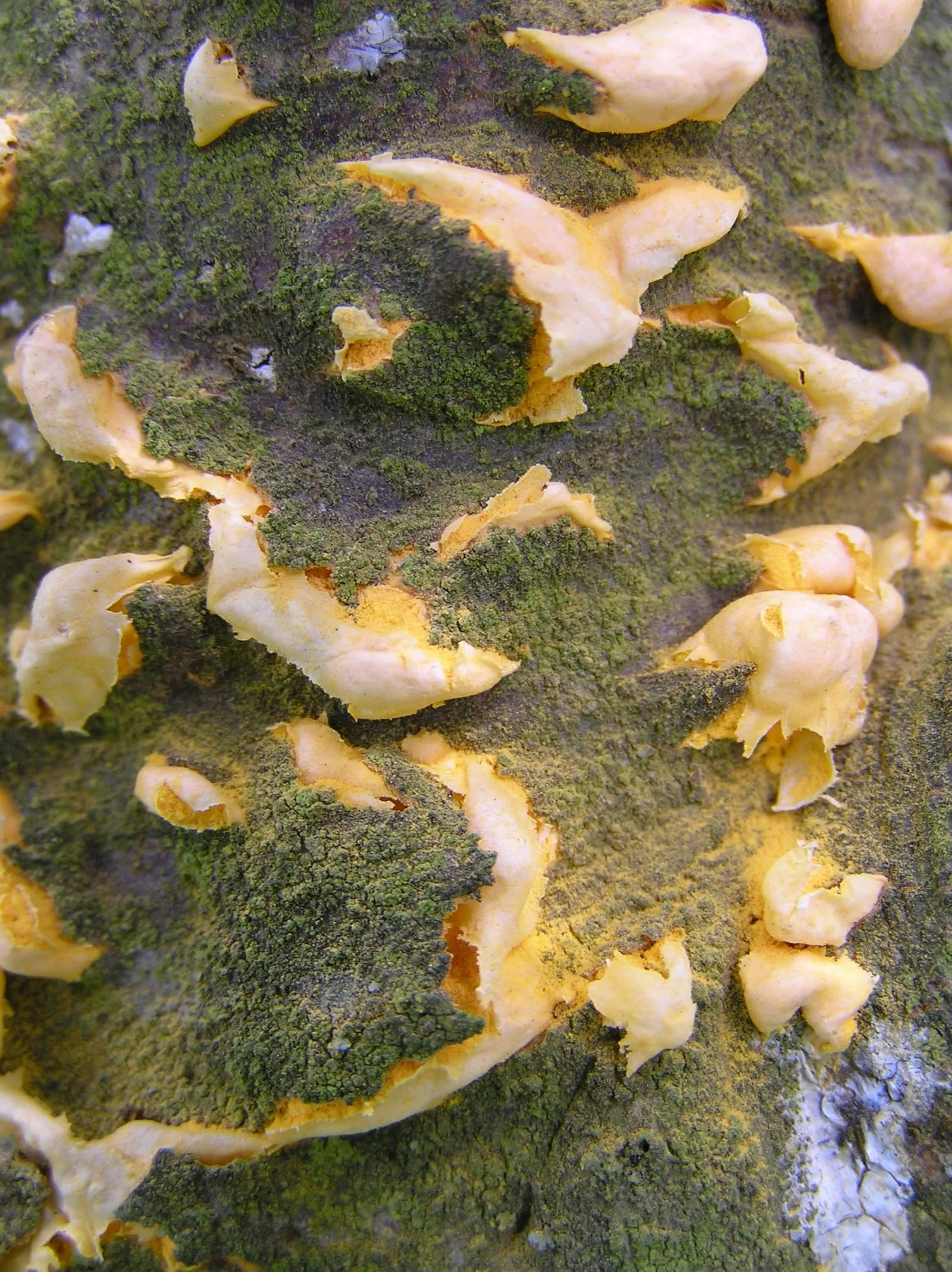
Cronartium ribicola
Two-host rust requiring both Ribes (currants and gooseberries) and white pines. Historically led to Ribes-planting bans in much of the US; some states still restrict black currant cultivation.
Modified care for zone 3b
The primary winter threat in zone 3b is not cold injury to canes but desiccation. Frozen soil prevents root water uptake while dry winter winds draw moisture from exposed cane tissue. Applying 4 to 6 inches of mulch around the root zone before the ground freezes moderates soil temperature and helps retain moisture through the coldest months. On exposed sites, a burlap windbreak on the north and west sides reduces desiccation materially without trapping the ice damage that solid barriers can cause.
White Pine Blister Rust is endemic across much of zone 3b's range and affects white and red currants. Avoid planting within proximity of five-needled pines (eastern white pine in particular) and check current state quarantine regulations, which still restrict currant planting in some jurisdictions. Gray Mold (Botrytis) pressure is elevated during the cool, wet summers common to zone 3b; spacing plants to 5 to 6 feet and pruning for open structure reduces infection rates. The compressed growing season means disease problems identified late in summer have almost no time to reverse before harvest.
White Currant in adjacent zones
Image: "Grosello rojo (Ribes rubrum), Múnich, Alemania, 2012-06-07, DD 01", by Diego Delso, via Wikimedia Commons, licensed under CC-BY Source.
,_M%C3%BAnich,_Alemania,_2012-06-07,_DD_01.jpg)
Related