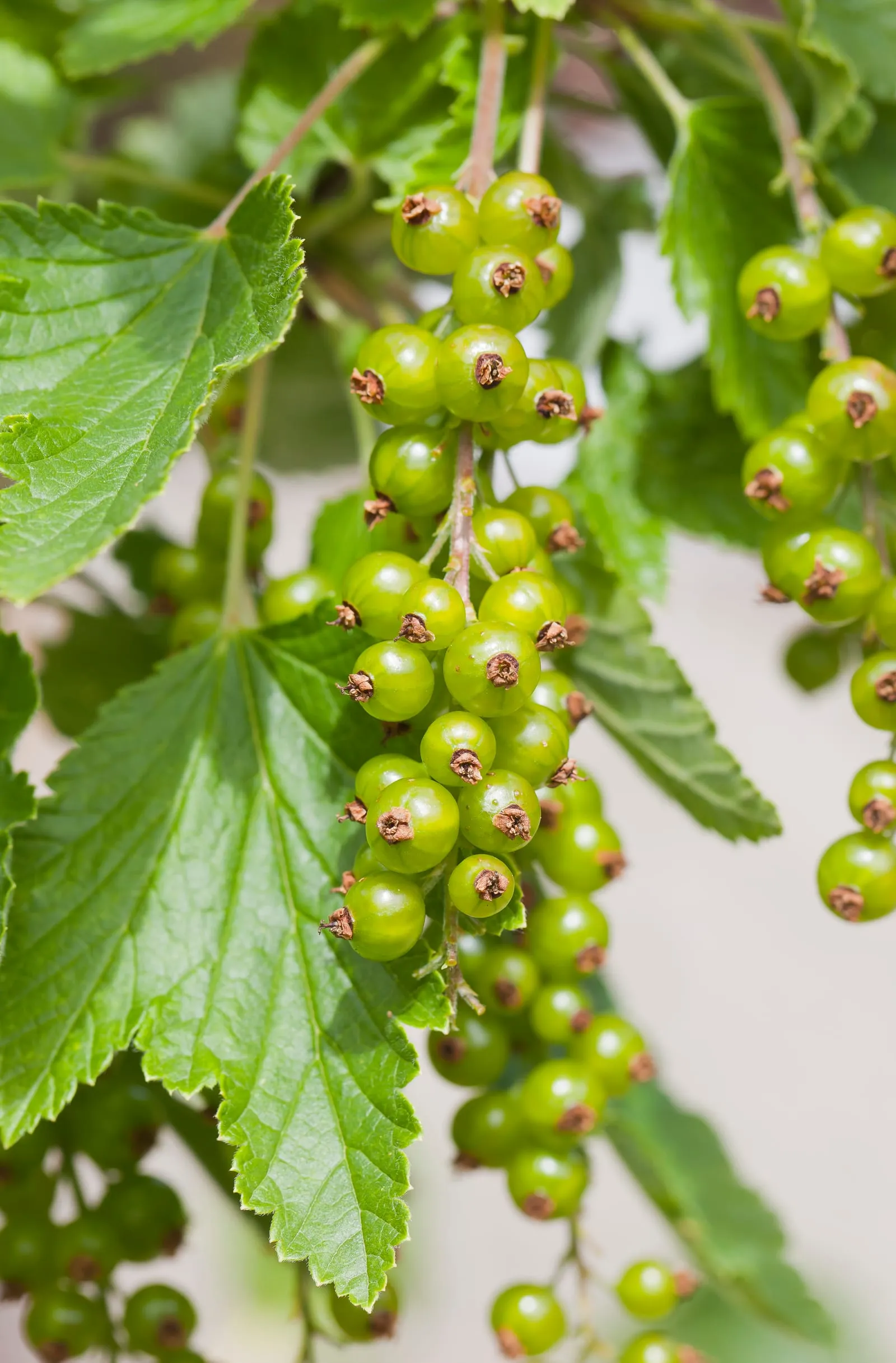
berry in zone 3a
Growing white currant in zone 3a
Ribes rubrum
- Zone
- 3a -40°F to -35°F
- Growing season
- 90 days
- Chill needed
- 800 to 1500 below 45°F
- Suitable varieties
- 0
- Days to harvest
- 70 to 90
The verdict
Zone 3a sits comfortably within the white currant's chill-hour window. White currants require 800 to 1,500 hours of temperatures at or below 45°F, and zone 3a winters deliver that consistently and then some, often exceeding the minimum threshold by a wide margin. Chill accumulation is not the limiting factor here.
Cold hardiness is the more pressing question. White currants tolerate temperatures down to roughly -30°F under normal conditions, which puts the -40 to -35°F lows of zone 3a at the outer edge of what established plants survive without cane dieback. Mature root systems typically pull through, but young plants and exposed cane tips above the snowline are vulnerable in severe winters. The 90-day growing season is tight but workable; white currants ripen earlier than most small fruits, and most selections complete fruit set within that window.
This is not a marginal zone for white currant in the way stone fruits are marginal here. The crop is genuinely adapted to cold winters. The challenge is the combination of extreme cold snaps and a short summer, not a fundamental mismatch between crop and zone.
Critical timing for zone 3a
White currant bloom in zone 3a typically falls in late May, after the most severe frost risk has passed but not reliably clear of it. Late spring frosts, a defining hazard of this zone, can occur well into May and occasionally brush into early June at higher elevations or in frost pockets. An open bloom caught by a hard freeze will eliminate that season's crop entirely, with no recovery.
Harvest generally follows 70 to 90 days after bloom, placing ripe fruit in mid-to-late July under a normal season. That window fits within the zone's 90-day frost-free period, though a cold or late spring can compress the schedule and push harvest toward early August, where the first fall frosts begin to loom. Selecting a planting site with good cold-air drainage, typically a gentle slope rather than a low basin, shifts bloom timing slightly and reduces frost-pocket exposure.
Common challenges in zone 3a
- ▸ Very short growing season
- ▸ Late spring frosts
- ▸ Limited fruit-tree options
- ▸ Heavy mulching required
Disease pressure to watch for
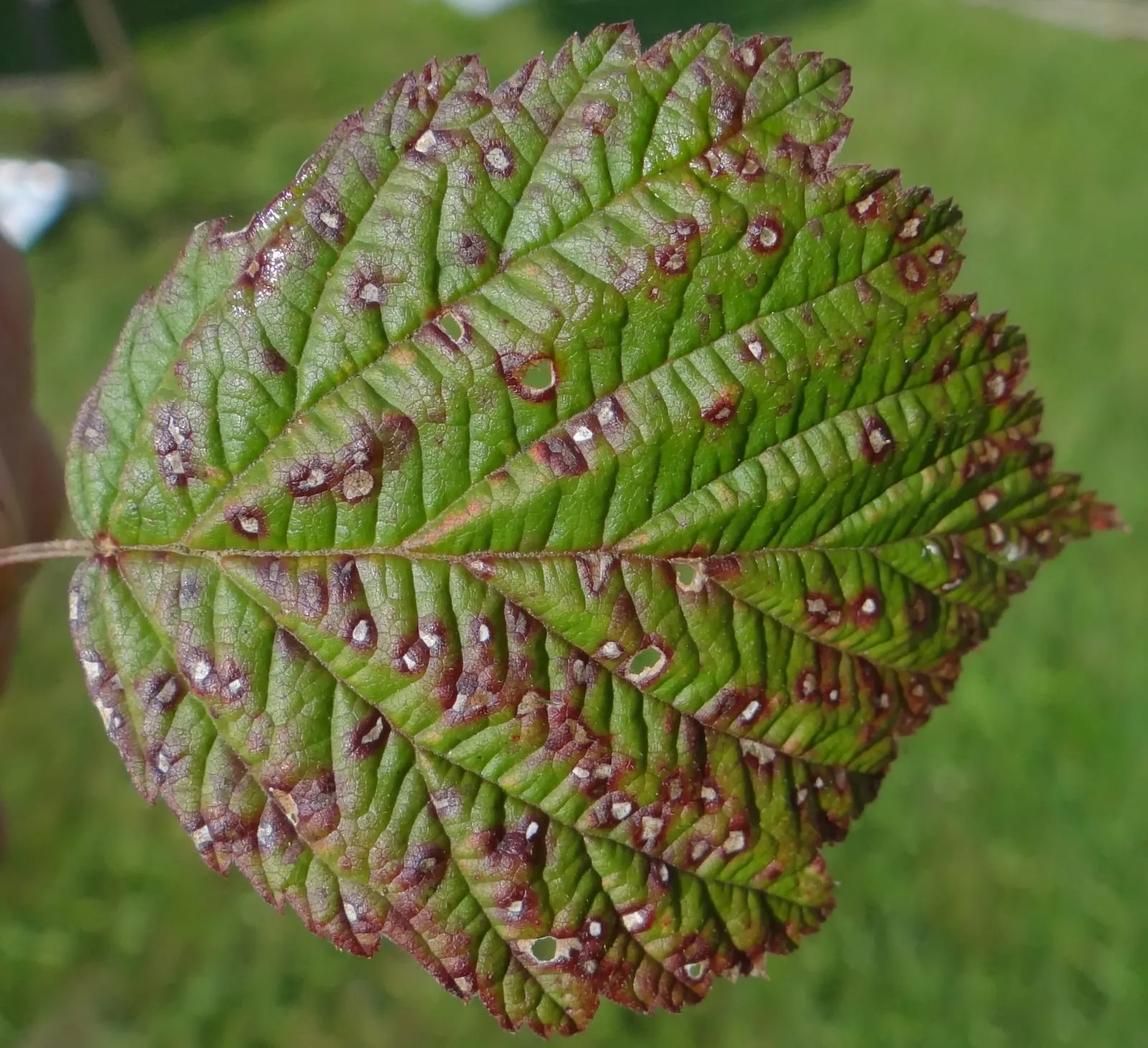
Elsinoe veneta
Fungal cane disease causing purple-bordered lesions that girdle and weaken bramble and Ribes canes, reducing yield over consecutive seasons.
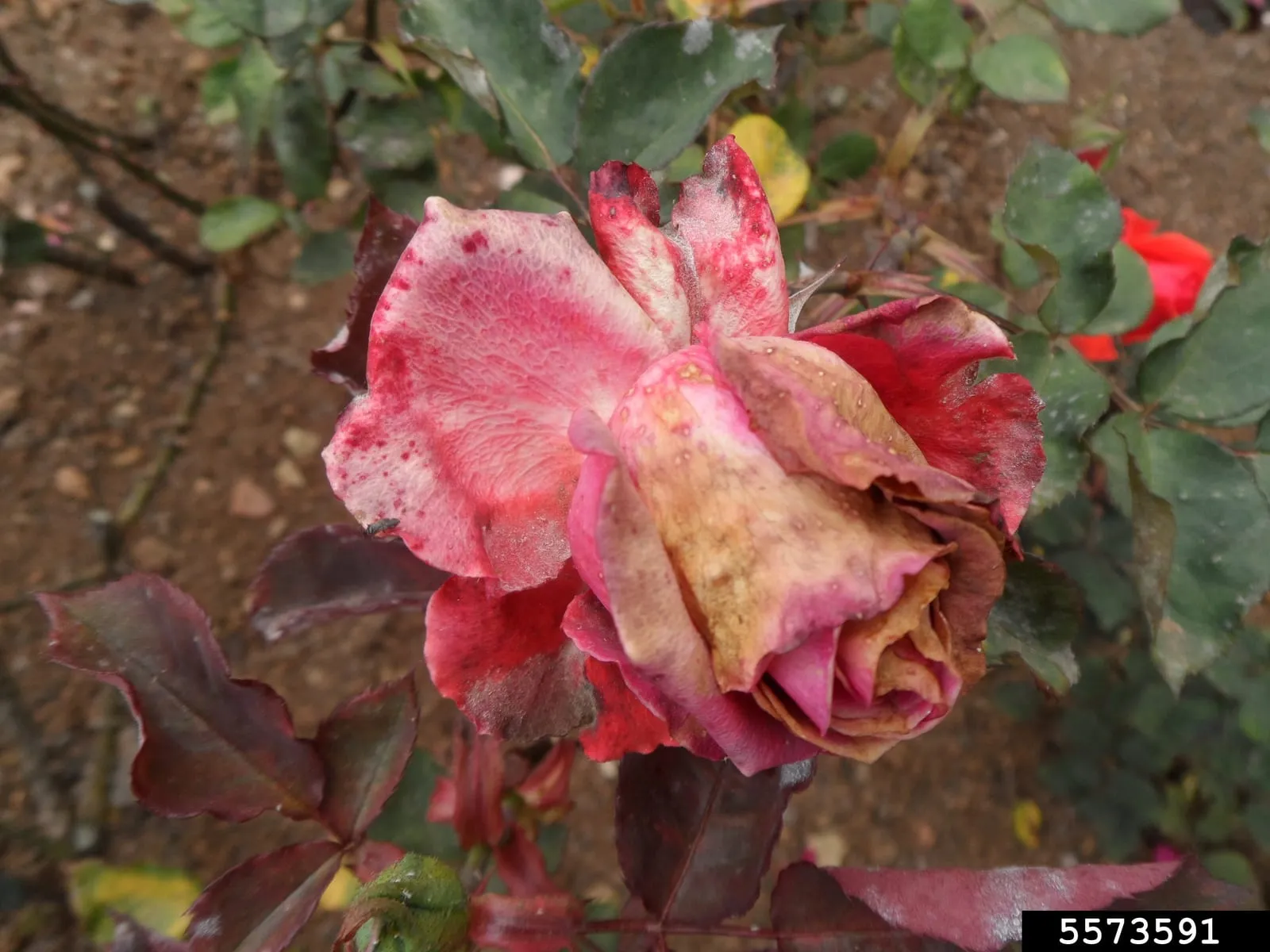
Botrytis cinerea
Ubiquitous fungal disease that causes fruit rot during cool wet weather, often the dominant berry disease in humid regions.
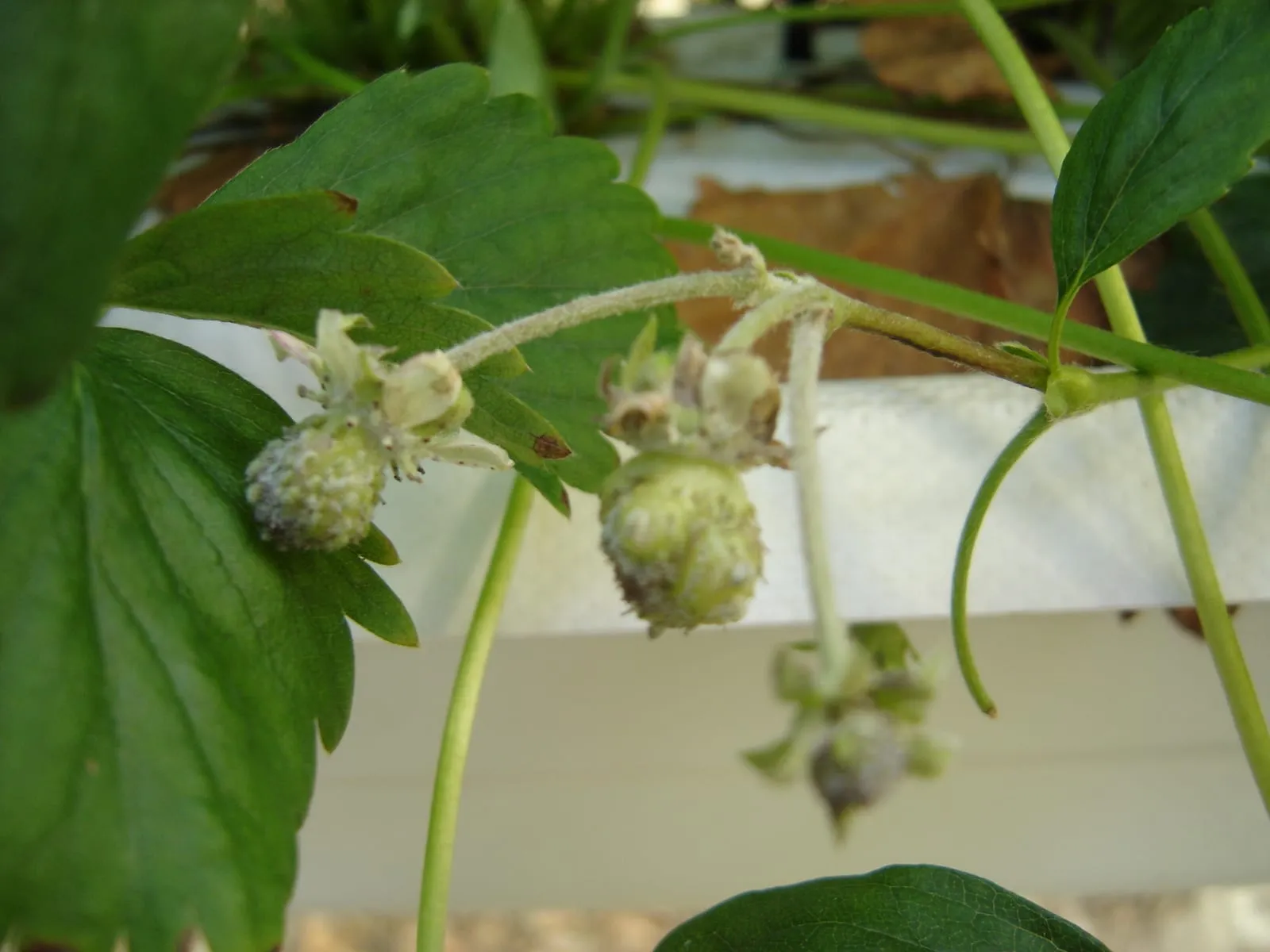
Podosphaera and Sphaerotheca species
Surface-feeding fungal disease producing white powdery growth on leaves and fruit, particularly damaging on gooseberries.
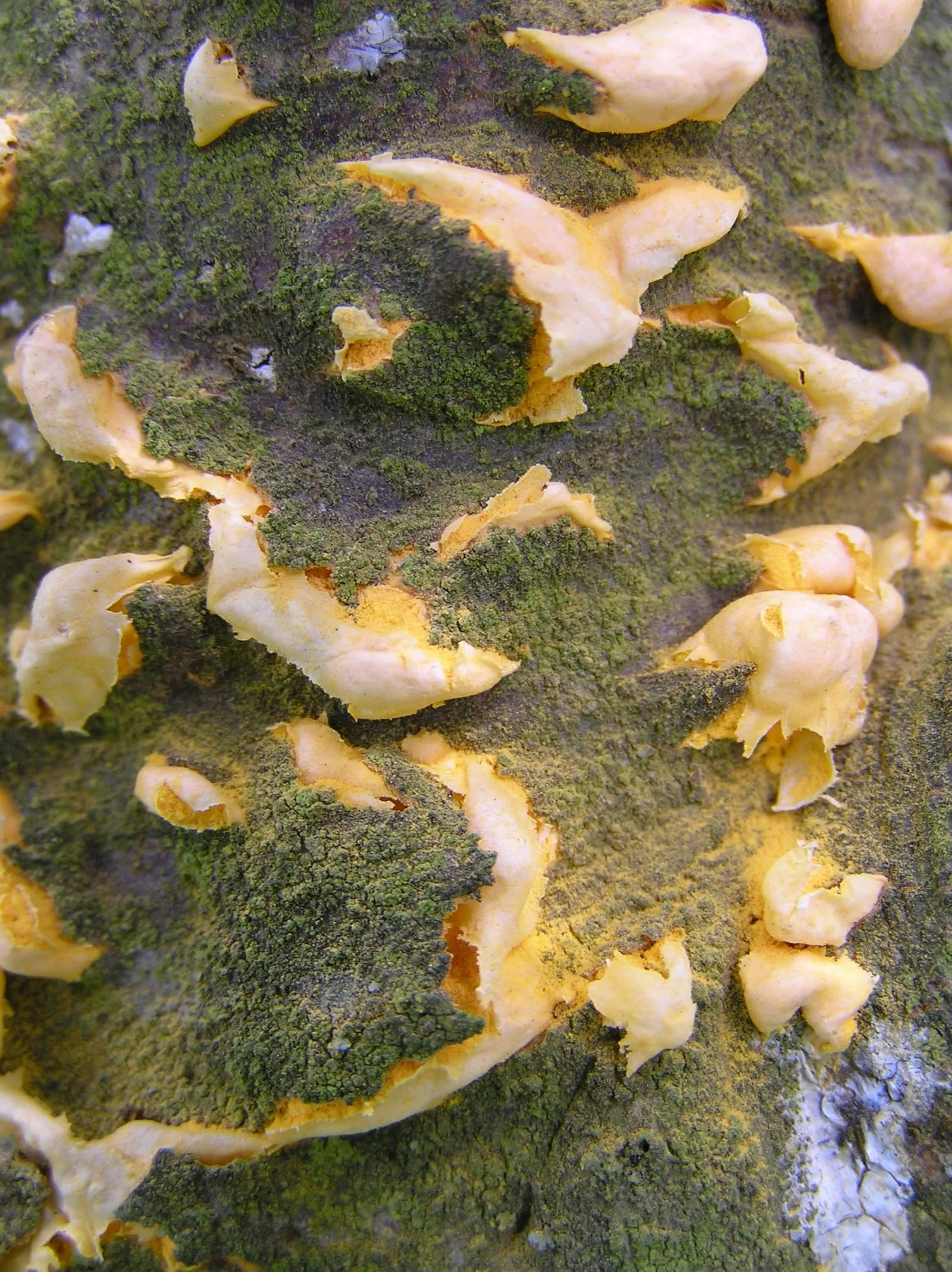
Cronartium ribicola
Two-host rust requiring both Ribes (currants and gooseberries) and white pines. Historically led to Ribes-planting bans in much of the US; some states still restrict black currant cultivation.
Modified care for zone 3a
Extreme cold demands a few practices that are optional in warmer parts of the currant's range. Heavy mulching, 4 to 6 inches of straw or wood chips over the root zone applied before the ground freezes, is essential to prevent frost heave and protect feeder roots through a zone 3a winter. Cane tips extending above consistent snow cover are prone to winterkill; growers in comparable climates sometimes tip-prune flexible young canes in early fall or use row cover to buffer the most exposed wood.
White Pine Blister Rust (Cronartium ribicola) deserves attention in this zone. The disease alternates between five-needle pines and Ribes species including currants; where white pines grow nearby, infection pressure is real. Site selection away from pine stands, or choosing rust-resistant cultivars if available, is worth prioritizing at planting time rather than managing after the fact.
The compressed growing season also tightens disease spray timing. Gray Mold and Cane Anthracnose pressure peaks during fruit swell; weekly monitoring during that window is warranted, since the gap between treatments narrows when the entire season fits into three months.
Frequently asked questions
- Can white currant canes survive zone 3a winters without special protection?
Established canes often survive, but tips above the snowline are vulnerable to dieback at -40°F. Mulching the root zone heavily and avoiding exposed, windswept sites gives plants the best chance of coming through without significant wood loss.
- Is White Pine Blister Rust a serious concern for white currants in zone 3a?
It can be. The rust alternates between five-needle pines (including eastern white pine) and Ribes species. In forested parts of zone 3a where white pines are common, the infection risk is meaningful. Planting 300 feet or more from pine stands, or selecting resistant cultivars, reduces exposure significantly.
- Does a 90-day growing season give white currants enough time to ripen fully?
Generally yes. White currants are among the earlier-ripening small fruits and typically reach harvest 70 to 90 days after bloom. Most seasons in zone 3a allow enough time, though a late spring or cold summer can push harvest uncomfortably close to the first fall frost.
+−
+−
+−
White Currant in adjacent zones
Image: "Grosello rojo (Ribes rubrum), Múnich, Alemania, 2012-06-07, DD 01", by Diego Delso, via Wikimedia Commons, licensed under CC-BY Source.
,_M%C3%BAnich,_Alemania,_2012-06-07,_DD_01.jpg)
Related