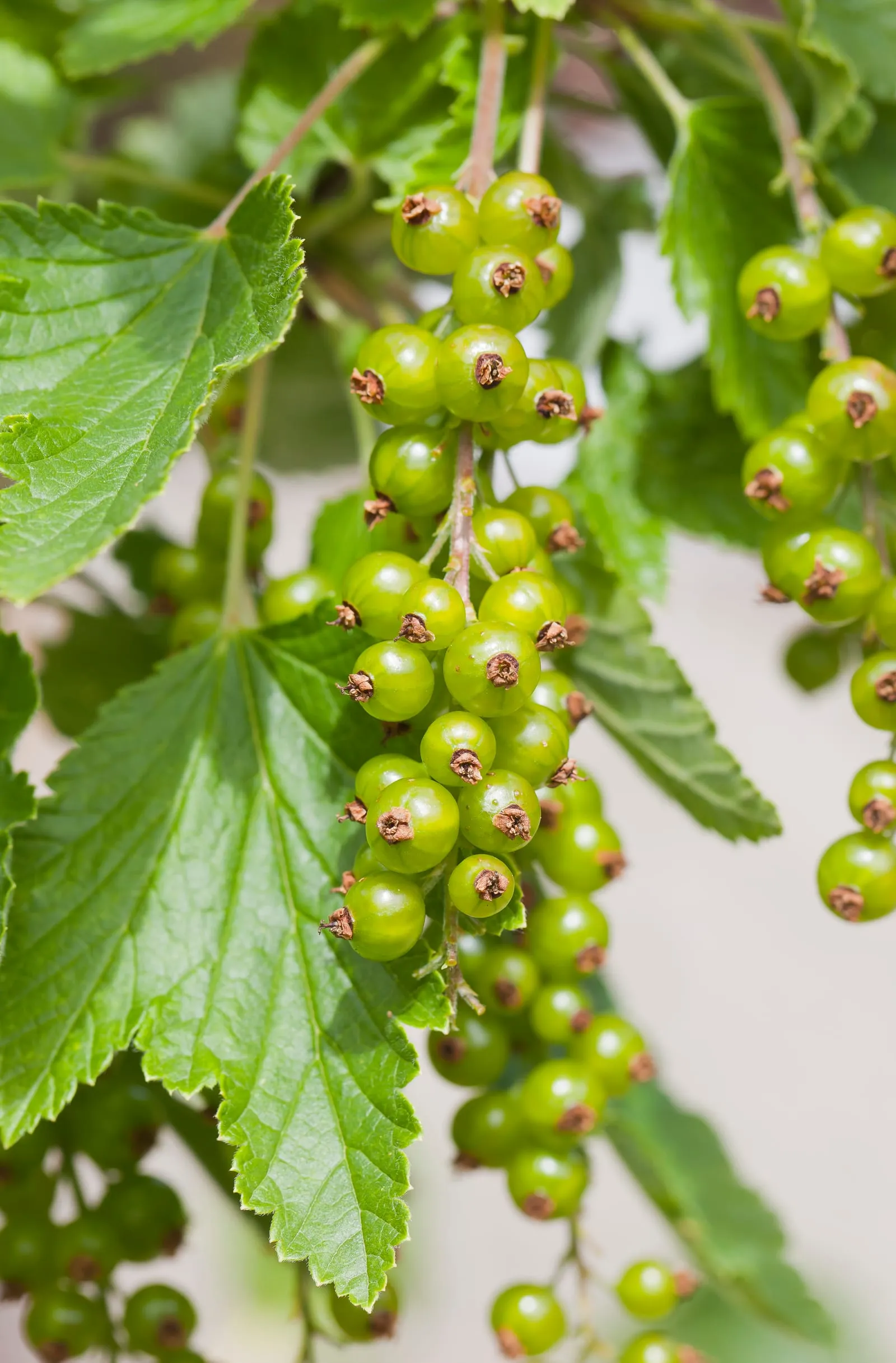
berry in zone 4b
Growing white currant in zone 4b
Ribes rubrum
- Zone
- 4b -25°F to -20°F
- Growing season
- 130 days
- Chill needed
- 800 to 1500 below 45°F
- Suitable varieties
- 3
- Days to harvest
- 70 to 90
The verdict
Zone 4b is a sweet spot for white currant, not a marginal zone. The crop requires 800 to 1,500 chill hours annually, and zone 4b delivers these consistently, with winters regularly reaching -25 to -20°F. Established bushes tolerate this cold well, with minimal structural damage in most years.
The 130-day growing season is adequate for white currant, which matures fruit in midsummer, well before the first fall frosts arrive. Varieties documented as strong performers in cold northern conditions include White Imperial, Blanka, and White Versailles, all of which handle zone 4b winters without significant additional protection.
The primary limitation here is not cold hardiness but spring frost timing. White currant blooms early, before the frost-free window is reliably established. A late frost in May can reduce or eliminate the fruit crop for that season without harming the plant itself. Site selection with attention to cold-air drainage matters more here than variety choice.
Recommended varieties for zone 4b
3 cultivars suited to this zone, with disease-resistance and zone-fit annotations.
| Variety | Notes | Zone fit | Disease resistance |
|---|---|---|---|
| White Imperial fits zone 4b | Sweet-tart, mild, translucent pale-yellow berries; fresh dessert with cream, jelly. The sweetest of the currants, eats like a delicate grape. Heritage American variety. | | none noted |
| Blanka fits zone 4b | Sweet-tart, large pale-yellow berries on long strigs; dessert and white-currant jelly. Late-ripening Czech variety with the longest strigs of any currant, easiest hand harvest. | | none noted |
| White Versailles fits zone 4b | Tart-sweet, mild, pale-yellow berries with translucent skin; fresh, jelly, dessert. Early-ripening, productive, classic French heritage variety. | | none noted |
Critical timing for zone 4b
White currant blooms in mid to late April in zone 4b, coinciding with the period when late frosts remain a realistic risk. A frost of 28°F or below during open bloom can eliminate most of the crop for that year without causing long-term plant damage.
Harvest falls in mid-July to early August, roughly 14 to 16 weeks after bloom. The zone's 130-day growing season provides adequate time between the average last frost and fruit maturation, assuming bloom escapes frost damage.
Tracking local frost history is worthwhile before committing to a planting site. Gentle slopes with natural cold-air drainage tend to escape the worst late-frost events that low-lying areas experience. A few days' difference in bloom timing can be the difference between a full harvest and a minimal one.
Common challenges in zone 4b
- ▸ Spring frost timing
- ▸ Apple scab pressure
- ▸ Cane berry winter dieback
Disease pressure to watch for
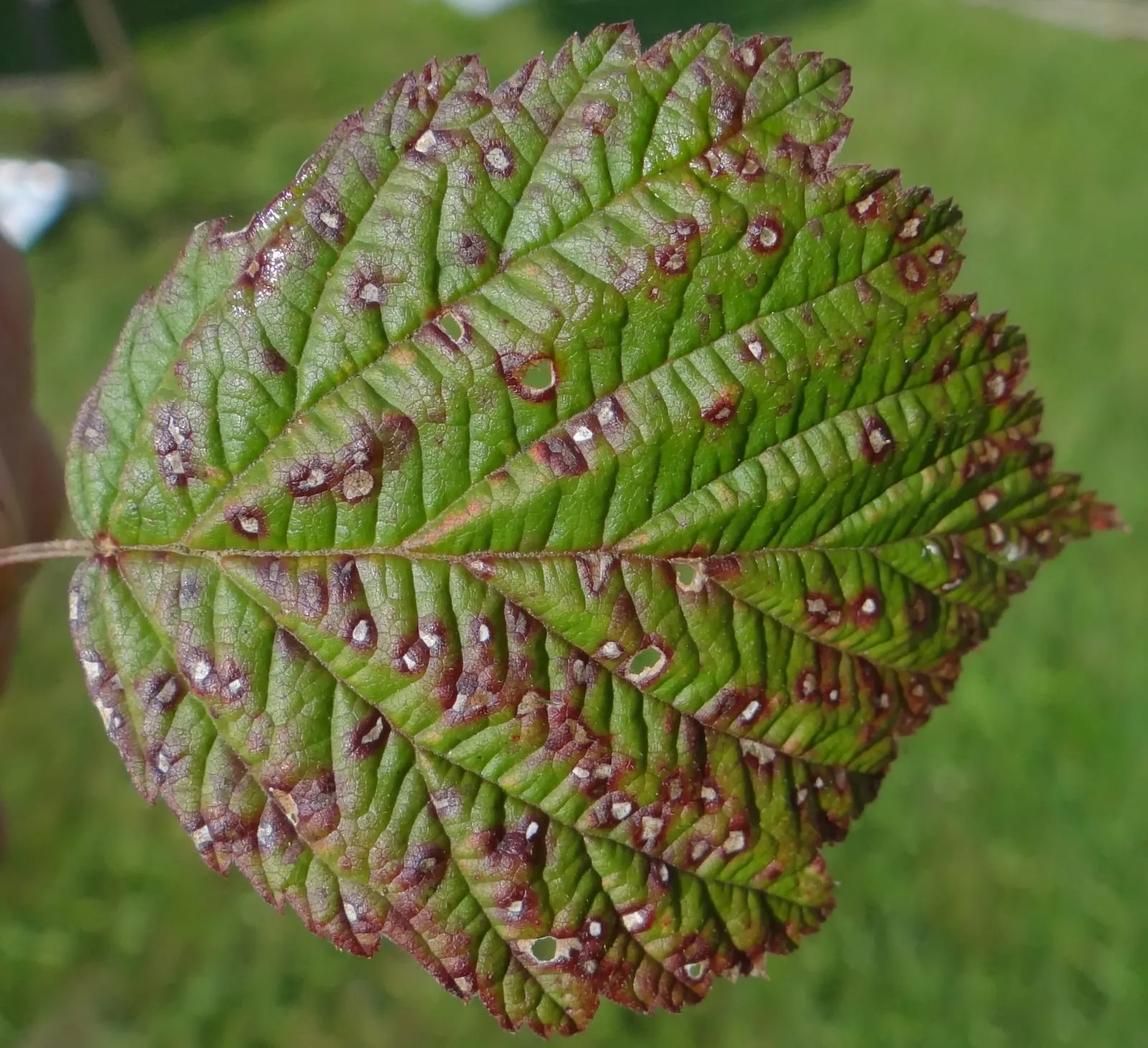
Elsinoe veneta
Fungal cane disease causing purple-bordered lesions that girdle and weaken bramble and Ribes canes, reducing yield over consecutive seasons.
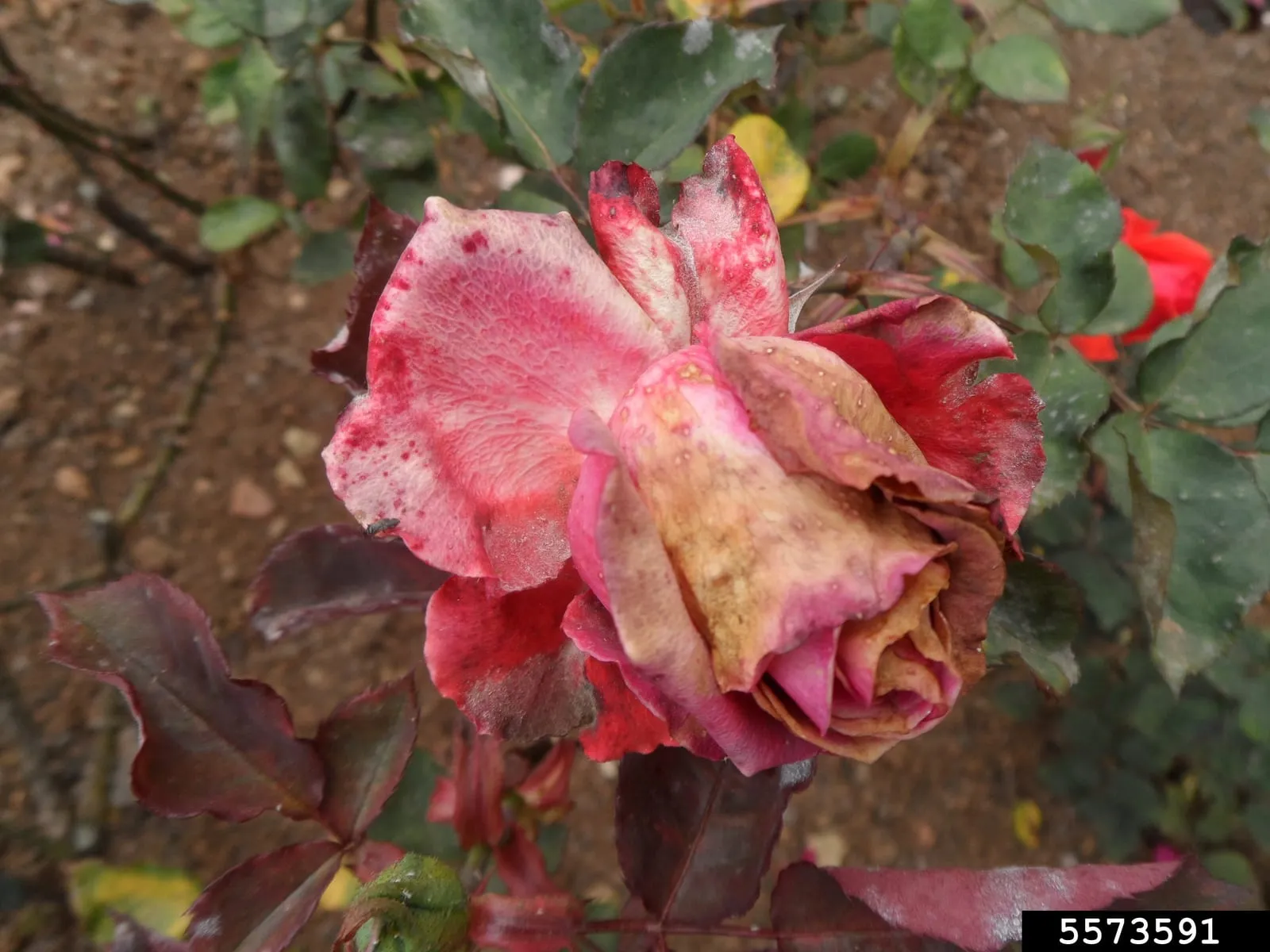
Botrytis cinerea
Ubiquitous fungal disease that causes fruit rot during cool wet weather, often the dominant berry disease in humid regions.
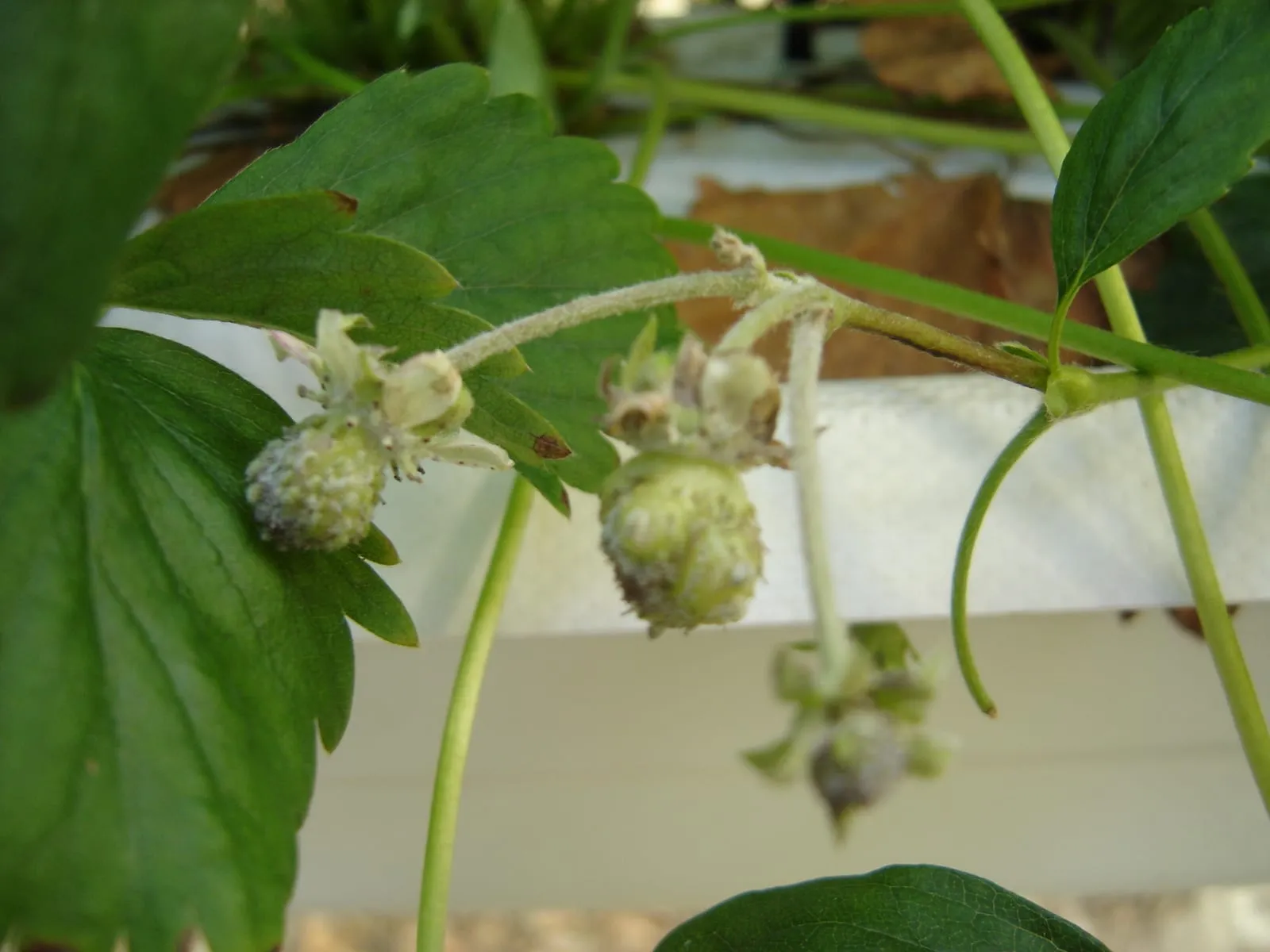
Podosphaera and Sphaerotheca species
Surface-feeding fungal disease producing white powdery growth on leaves and fruit, particularly damaging on gooseberries.
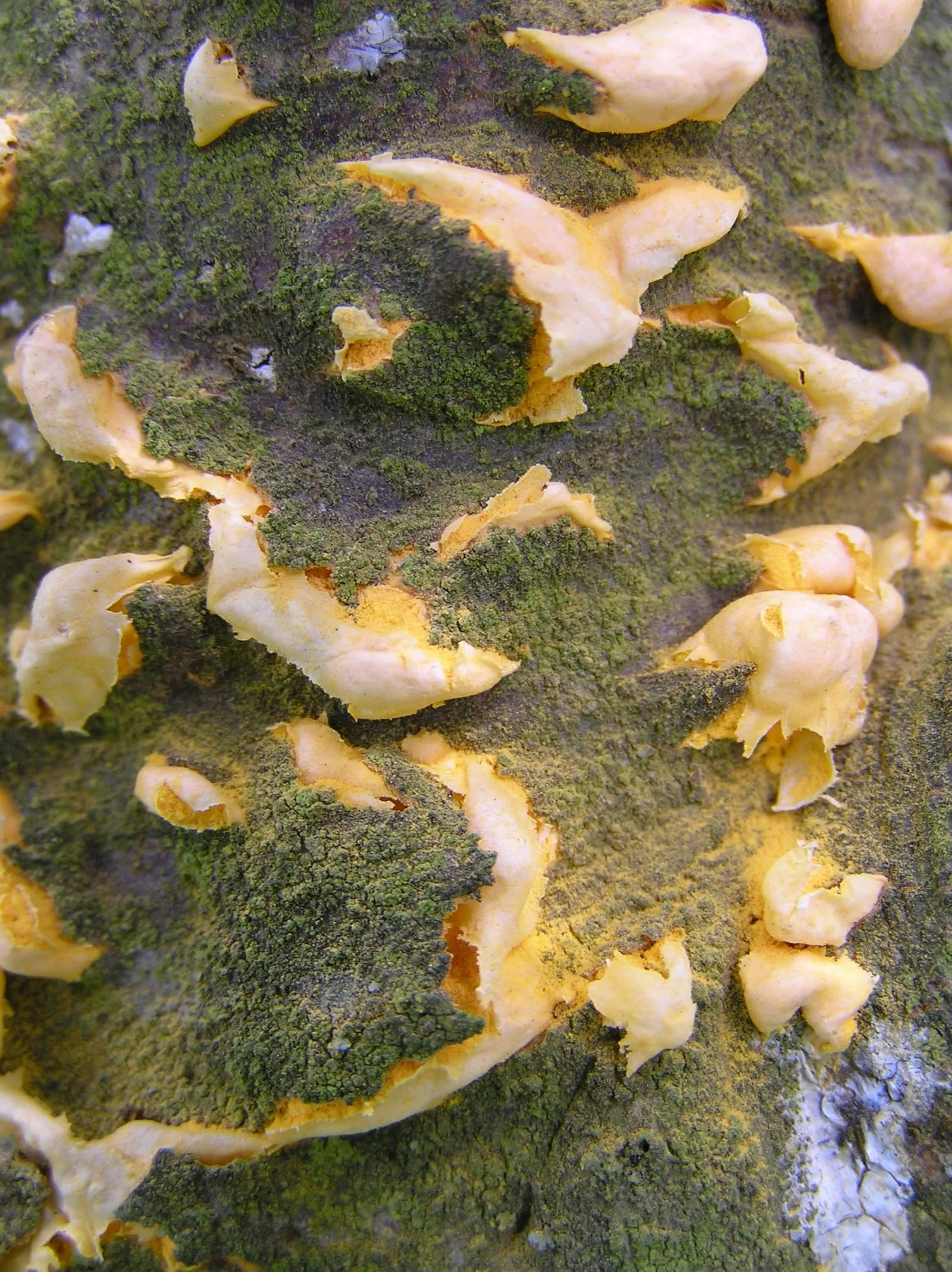
Cronartium ribicola
Two-host rust requiring both Ribes (currants and gooseberries) and white pines. Historically led to Ribes-planting bans in much of the US; some states still restrict black currant cultivation.
Modified care for zone 4b
Tip dieback on canes after severe winters is common in zone 4b and should be treated as routine. Pruning to remove winter-killed wood in early spring, before growth resumes, is standard practice here. Keeping 8 to 10 healthy canes per bush ensures good production while maintaining the air circulation that reduces disease pressure.
White Pine Blister Rust (Cronartium ribicola) is the most zone-specific disease concern. Ribes species serve as an alternate host, and eastern white pine is widespread across much of zone 4b's range. Extension guidance generally recommends a minimum separation of 900 feet from 5-needle pines, though that distance is not always achievable in practice. Where it is not, selecting rust-resistant plantings and monitoring for orange pustules on cane undersides becomes more important.
Gray mold (Botrytis) pressure increases in wet summers and where canopy density is high. Thinned canes and drip irrigation rather than overhead watering reduce infection risk without chemical inputs.
White Currant in adjacent zones
Image: "Grosello rojo (Ribes rubrum), Múnich, Alemania, 2012-06-07, DD 01", by Diego Delso, via Wikimedia Commons, licensed under CC-BY Source.
,_M%C3%BAnich,_Alemania,_2012-06-07,_DD_01.jpg)
Related