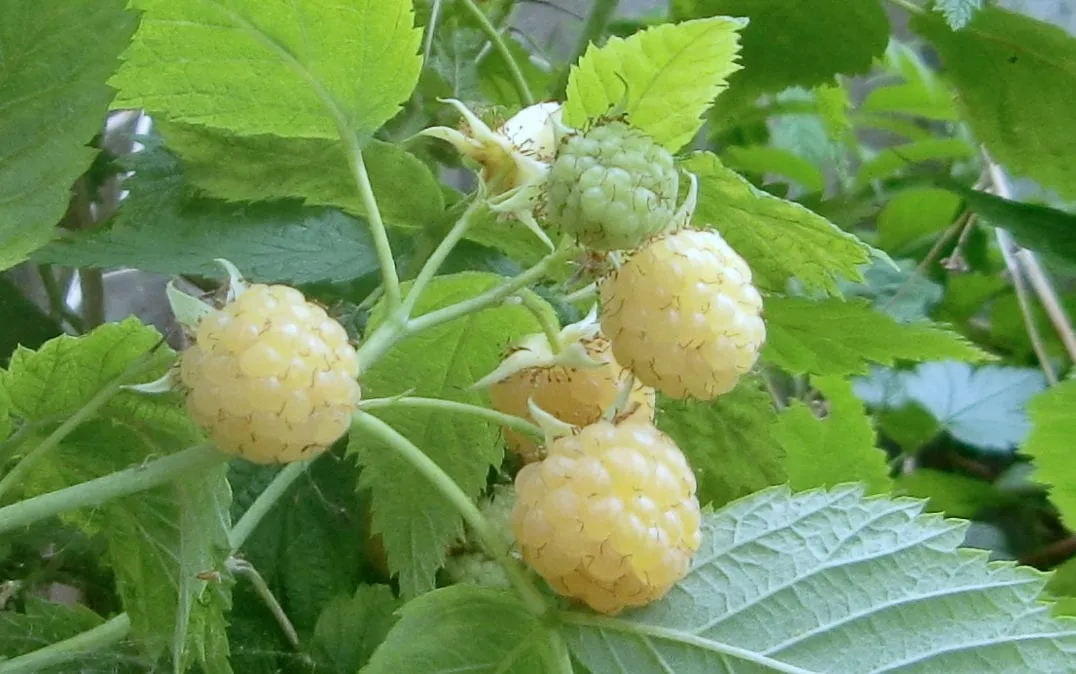
berry
Yellow Raspberry
Rubus idaeus
USDA hardiness range
- Zones
- 3b–8a
- Chill hours
- 800 to 1600 below 45°F
- Days to harvest
- 30 to 50
- Sun
- Full
- Water
- Moderate
- Lifespan
- 8 to 12 years
Growing yellow raspberry
Yellow raspberries occupy a niche that red raspberries don't fill: mild, low-acid, honey-sweet fruit that rarely survives the trip indoors before being eaten. The trade-off is fragility. The same soft texture that makes varieties like Anne and Fall Gold exceptional for fresh eating makes them prone to gray mold in humid conditions and nearly impossible to ship commercially.
The crop performs reliably from zones 3b through 8a, provided chill-hour requirements are met. Most cultivars need 800 to 1,600 hours below 45°F, which makes them marginal at the warm edge of zone 8a, particularly in the humid Southeast. In colder zones (3b through 5a), everbearing types are the safer choice: if a late frost damages the summer primocane crop, the fall flush on new canes still produces.
Where yellow raspberry plantings most often fail: hot, wet summers that drive botrytis and cane fungal diseases; waterlogged soils that invite Phytophthora root rot; and everbearing types planted too far south, where fall temperatures stay too warm for the second crop to mature before frost. Zone 7b and 8a growers should expect a shorter productive window and higher disease pressure than growers in zones 5 through 6. For sites on the warm edge of the range, a single-crop summer-bearing variety like Honey Queen may prove more consistent than relying on a fall crop that races against early frost.
Recommended varieties
See all 4 →4 cultivars for home growers, with notes on flavor, ripening, and disease resistance.
| Variety | Notes | Zone fit | Disease resistance |
|---|---|---|---|
| Anne | Honey-sweet, mild, blush-yellow berries with apricot undertones; fresh eating standout, very low acid. Everbearing, primary fall crop. The benchmark yellow raspberry. | | none noted |
| Fall Gold | Sweet, mild, soft yellow berries with delicate flavor; fresh eating, jam (turns peach-colored). Everbearing, productive fall crop. Cold-hardy. | | none noted |
| Honey Queen | Very sweet, mild, soft golden berries with honey notes; fresh eating premium. Summer-bearing, cold-hardy Canadian selection. | | none noted |
| Kiwi Gold | Sweet, mild, firm yellow berries with a touch of acidity; fresh and freezing. Everbearing, productive late-season crop with clean flavor. | | none noted |
Soil and site requirements
Yellow raspberry roots are shallow and intolerant of standing water. Well-drained loam or sandy loam at pH 5.5 to 6.5 is the target. Heavy clay soils need amendment and raised-bed culture; even brief waterlogging during the growing season creates entry points for Phytophthora root rot, which will kill an established planting faster than most other problems.
Full sun (six or more hours of direct light daily) is non-negotiable for fruit quality and disease control. Shaded rows produce fewer fruiting laterals and stay wet longer after rain, amplifying botrytis risk on the delicate yellow fruit. Sites with good air movement through the row are preferable; low-lying areas that trap humid air after rain should be avoided.
Space plants 2 to 3 feet apart in rows 8 to 10 feet apart. Everbearing types can use the hill system (mow all canes to the ground after fall harvest, let new primocanes emerge the following spring), which simplifies management and limits disease carryover on old canes. Slightly sloped ground helps with both water drainage and cold-air drainage, the latter being relevant in zones 5 and below where late-spring frost can damage canes that break dormancy early on warm south-facing slopes.
Common diseases
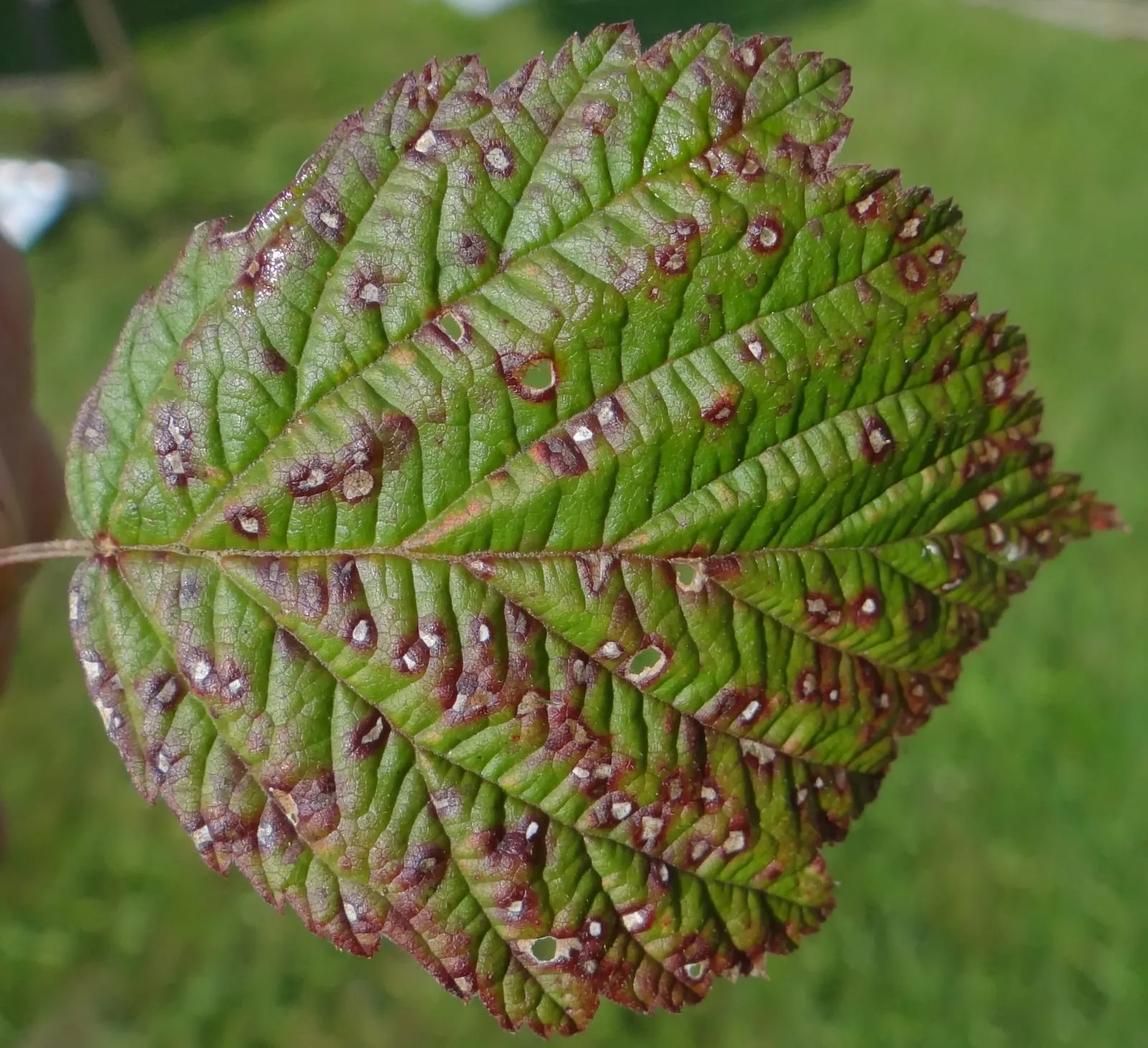
Elsinoe veneta
Fungal cane disease causing purple-bordered lesions that girdle and weaken bramble and Ribes canes, reducing yield over consecutive seasons.
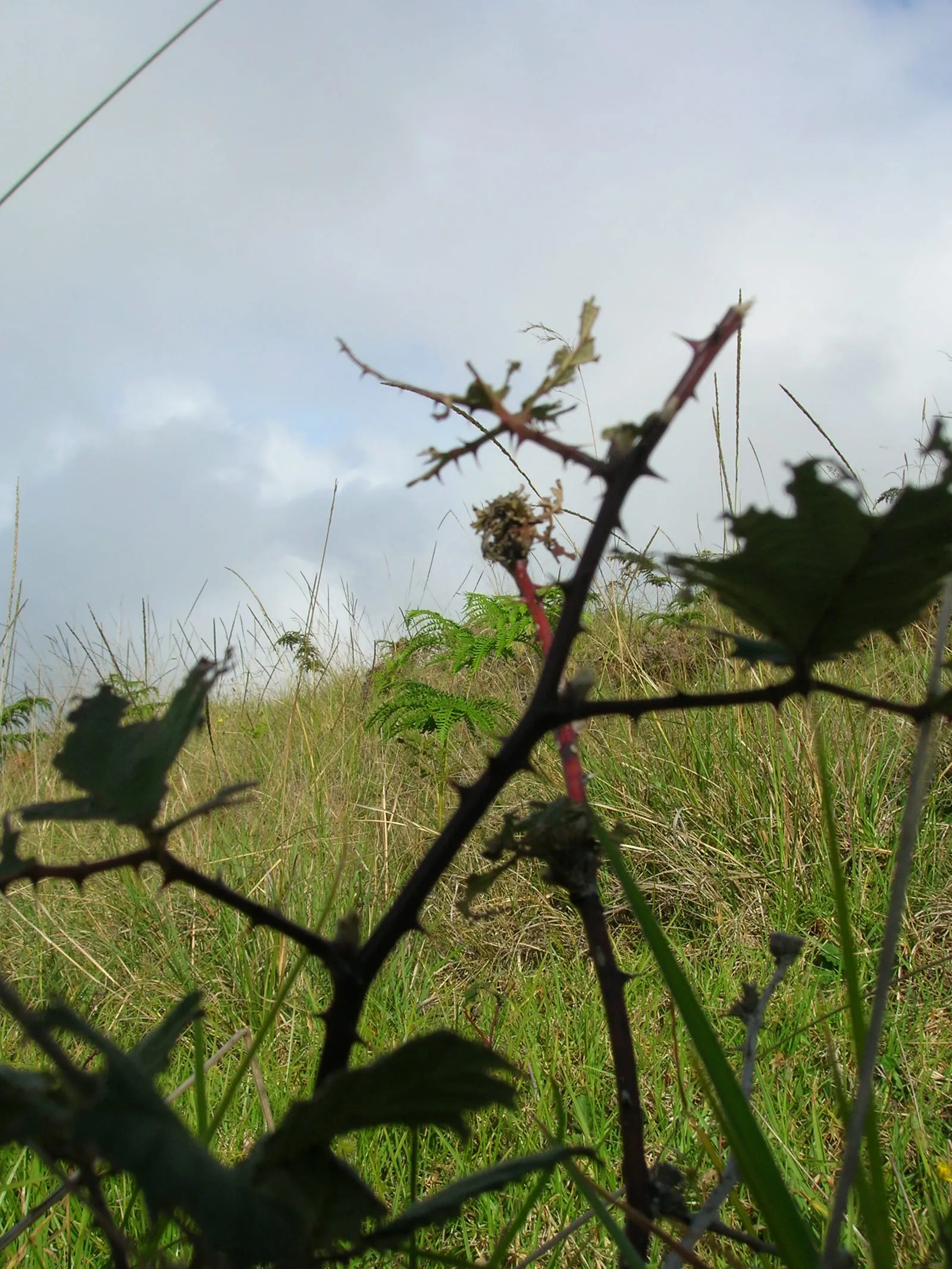
Leptosphaeria coniothyrium
Fungal disease that enters through wounds (often from cane-borer or pruning cuts) and causes dark cankers that wilt and kill canes.
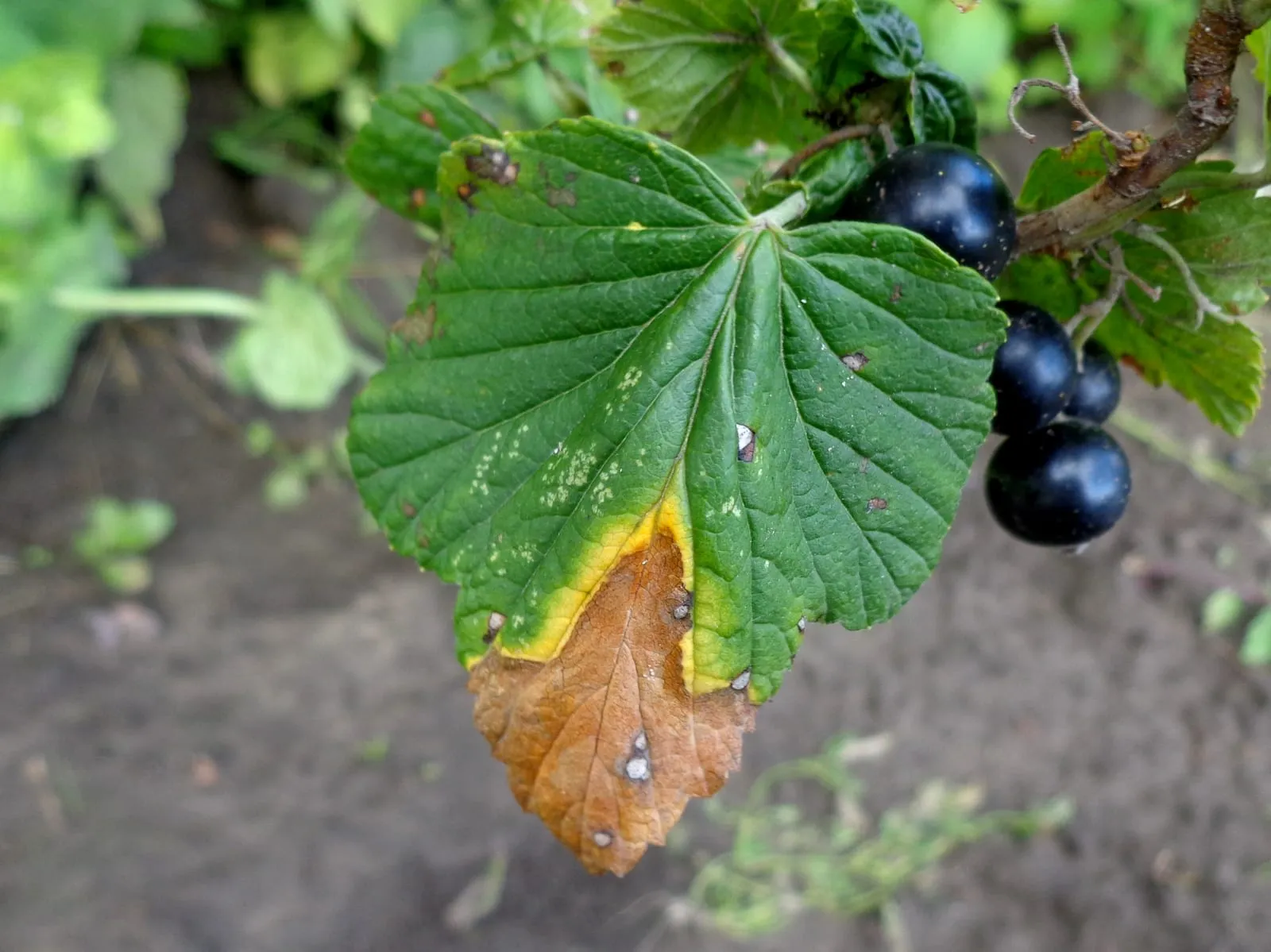
Didymella applanata
Fungal disease that produces purple-brown lesions at leaf nodes on red and yellow raspberry canes, weakening fruiting laterals.
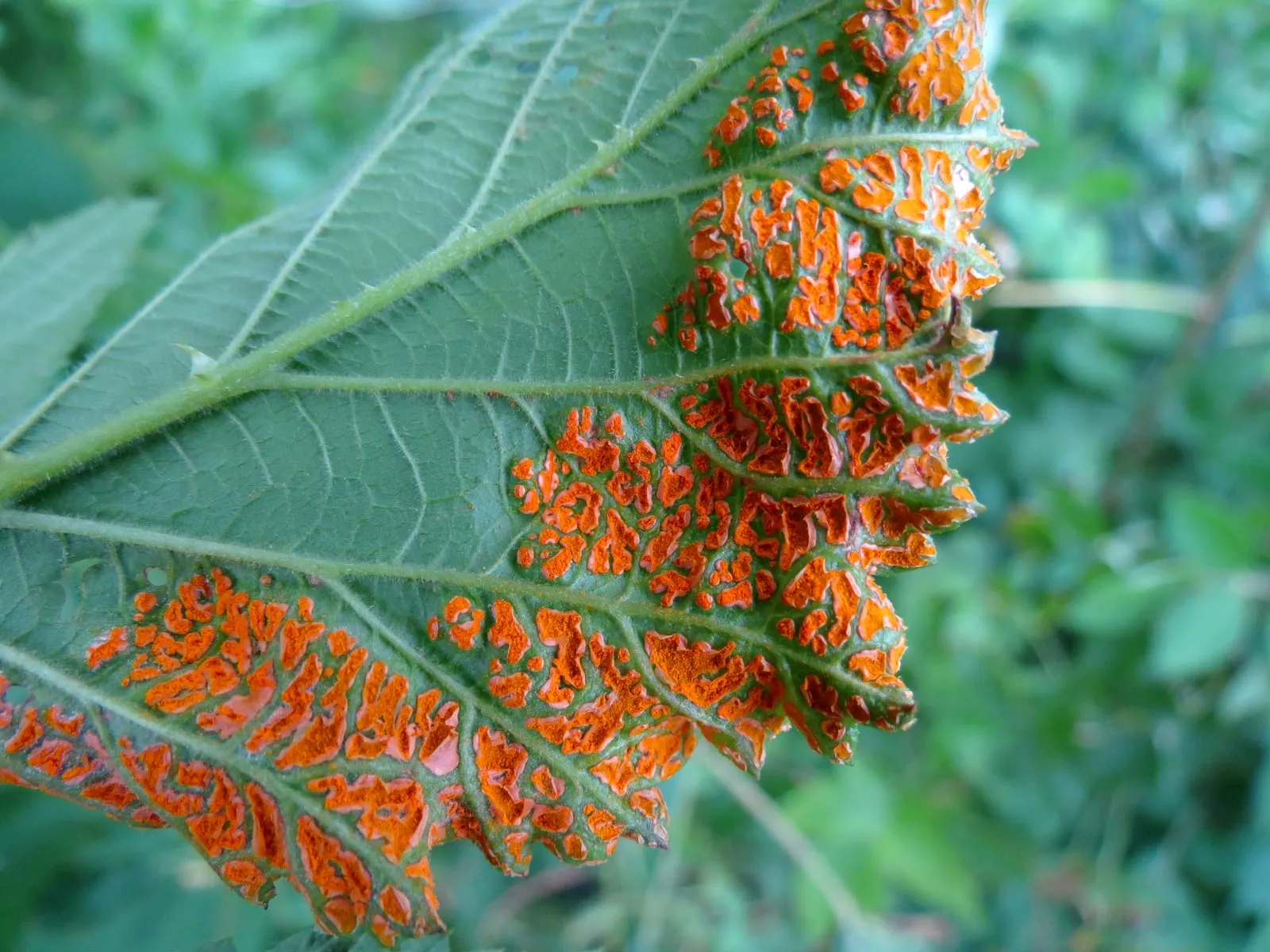
Arthuriomyces peckianus
Systemic fungal disease that permanently infects black raspberries and blackberries (not red raspberry); infected plants must be removed entirely.
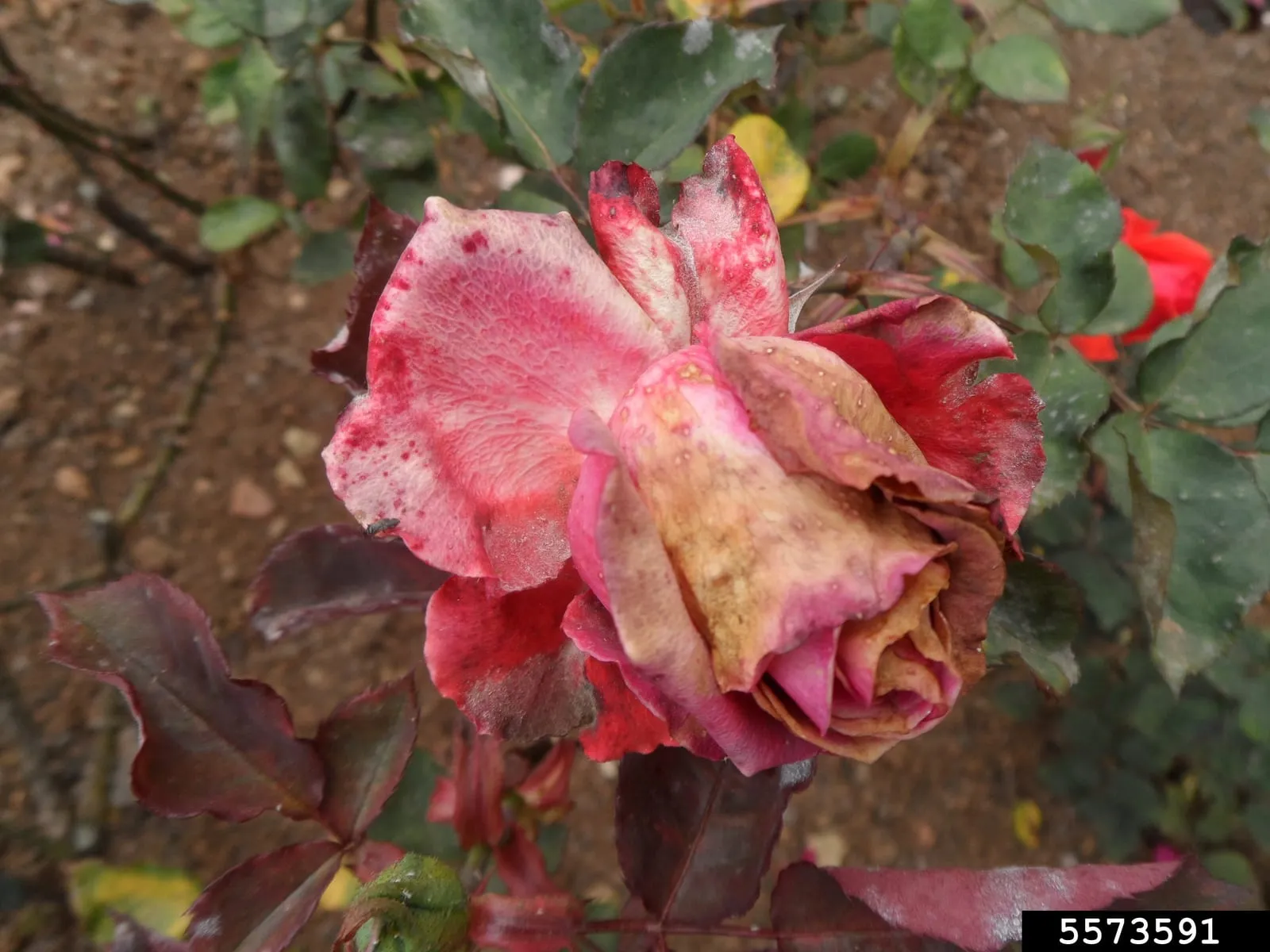
Botrytis cinerea
Ubiquitous fungal disease that causes fruit rot during cool wet weather, often the dominant berry disease in humid regions.
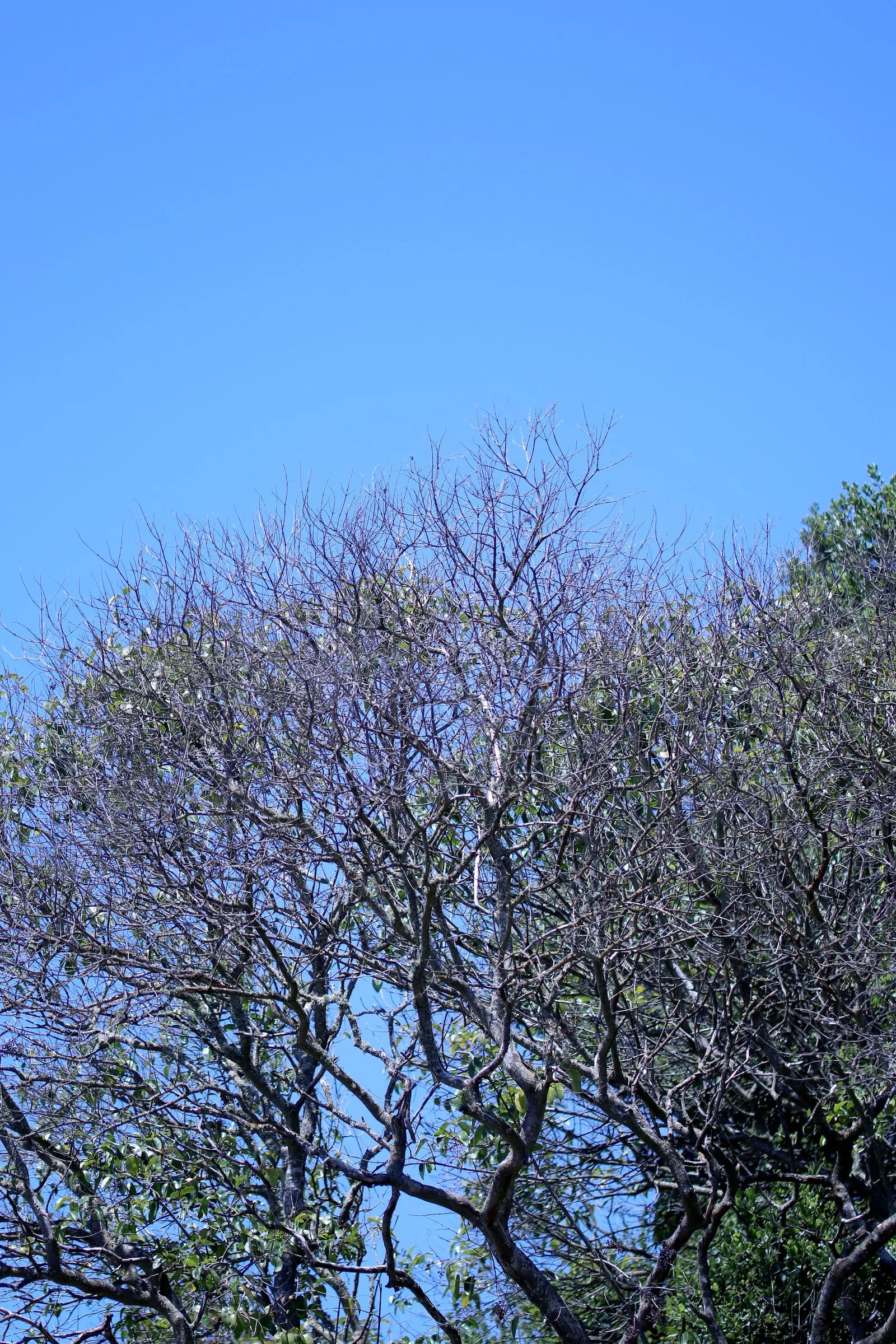
Phytophthora species
Soil-borne water mold that destroys roots in waterlogged soils, the leading cause of blueberry decline in poorly drained sites.
Common pests
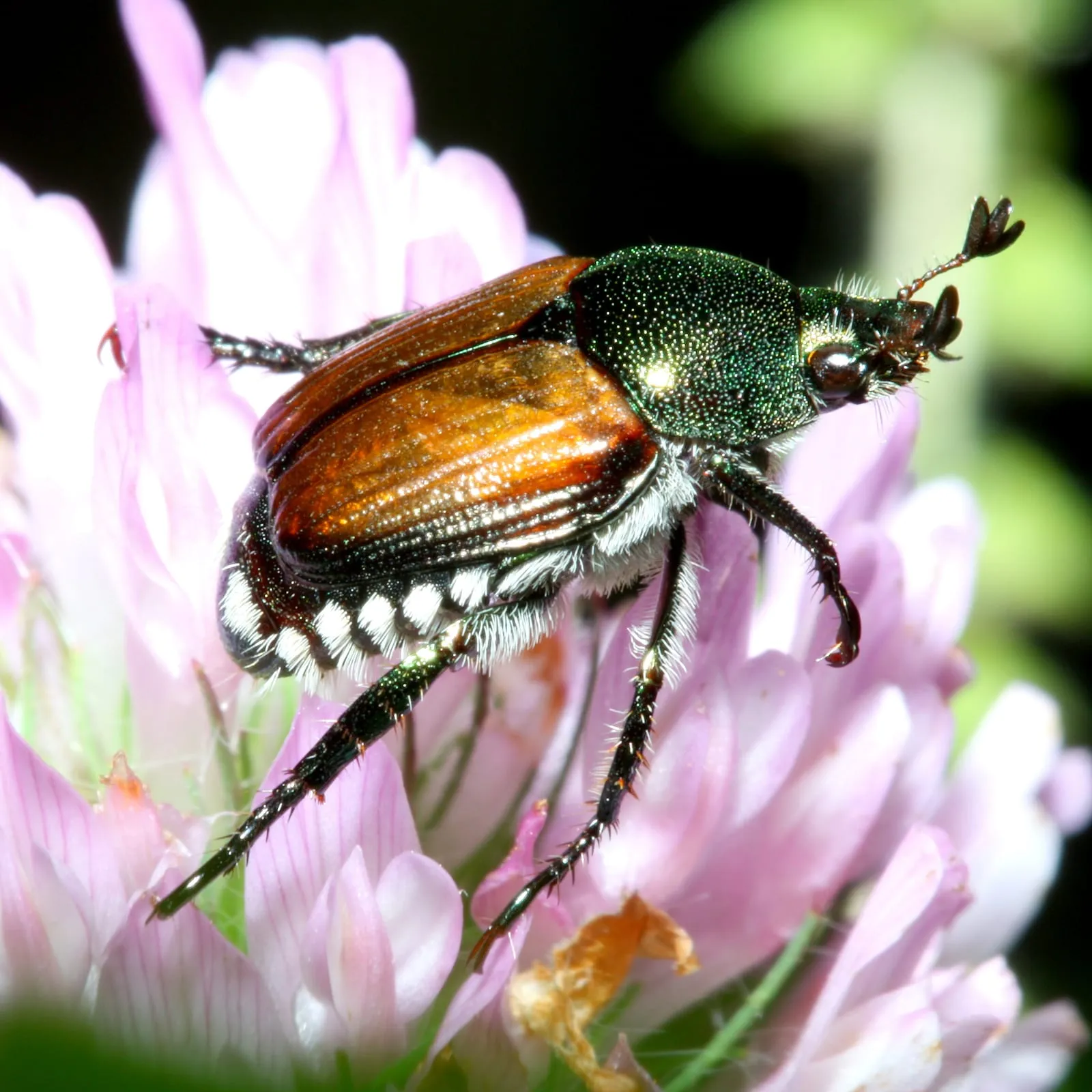
Popillia japonica
Defoliating beetle introduced to North America in 1916. Skeletonizes leaves of many fruit trees, berry canes, and pecan.
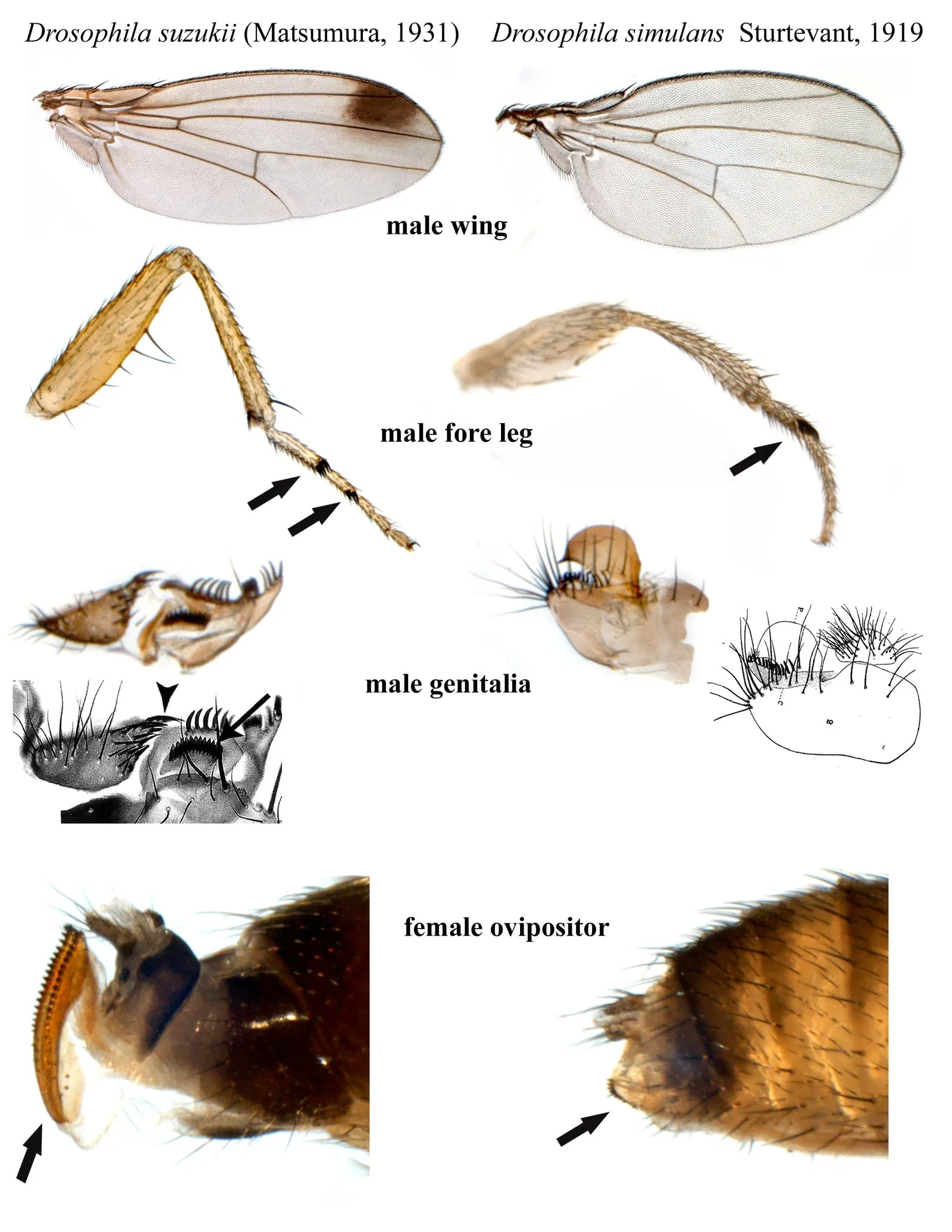
Drosophila suzukii
Invasive vinegar fly that attacks ripening soft fruit, unlike native Drosophila species which target overripe fruit. Now the dominant berry-and-cherry pest across the US.
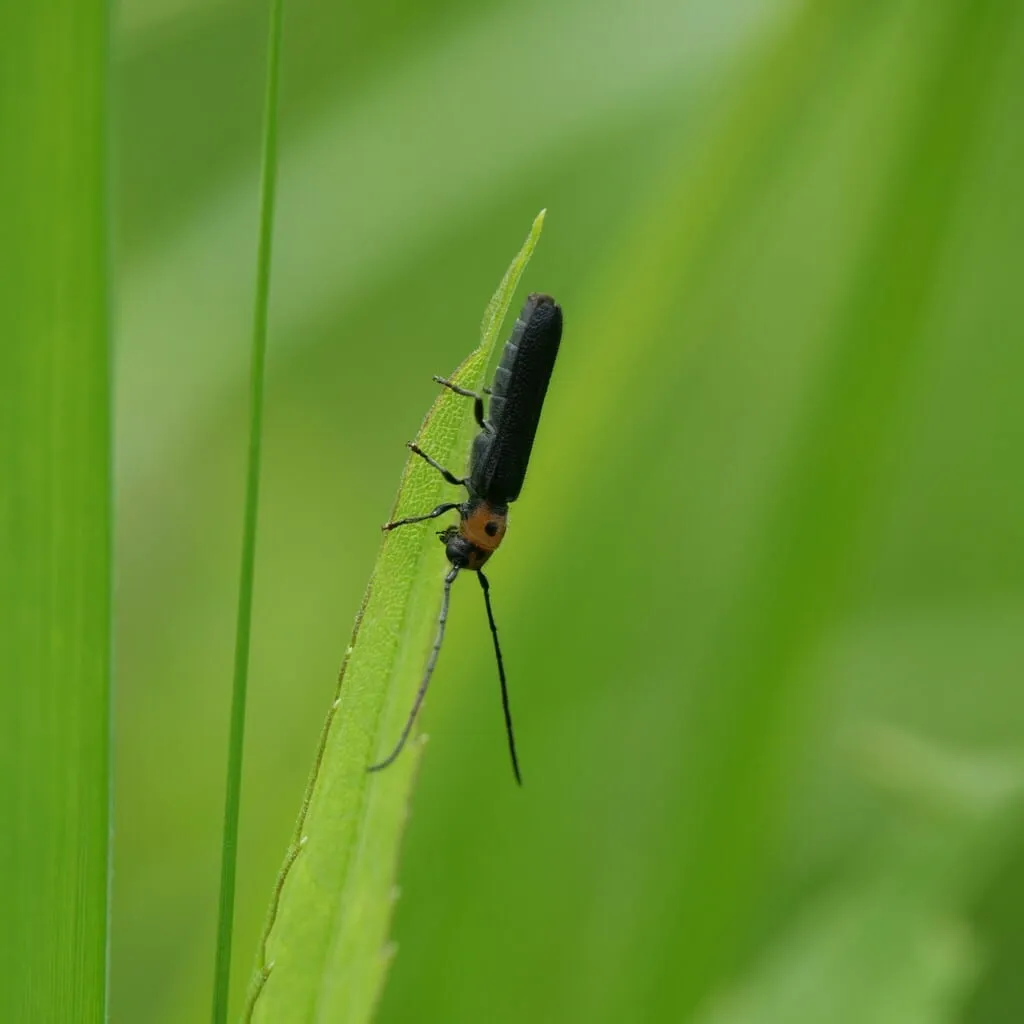
Oberea bimaculata
Long-horned beetle whose larvae girdle and tunnel into bramble canes, causing characteristic wilted shoot tips.
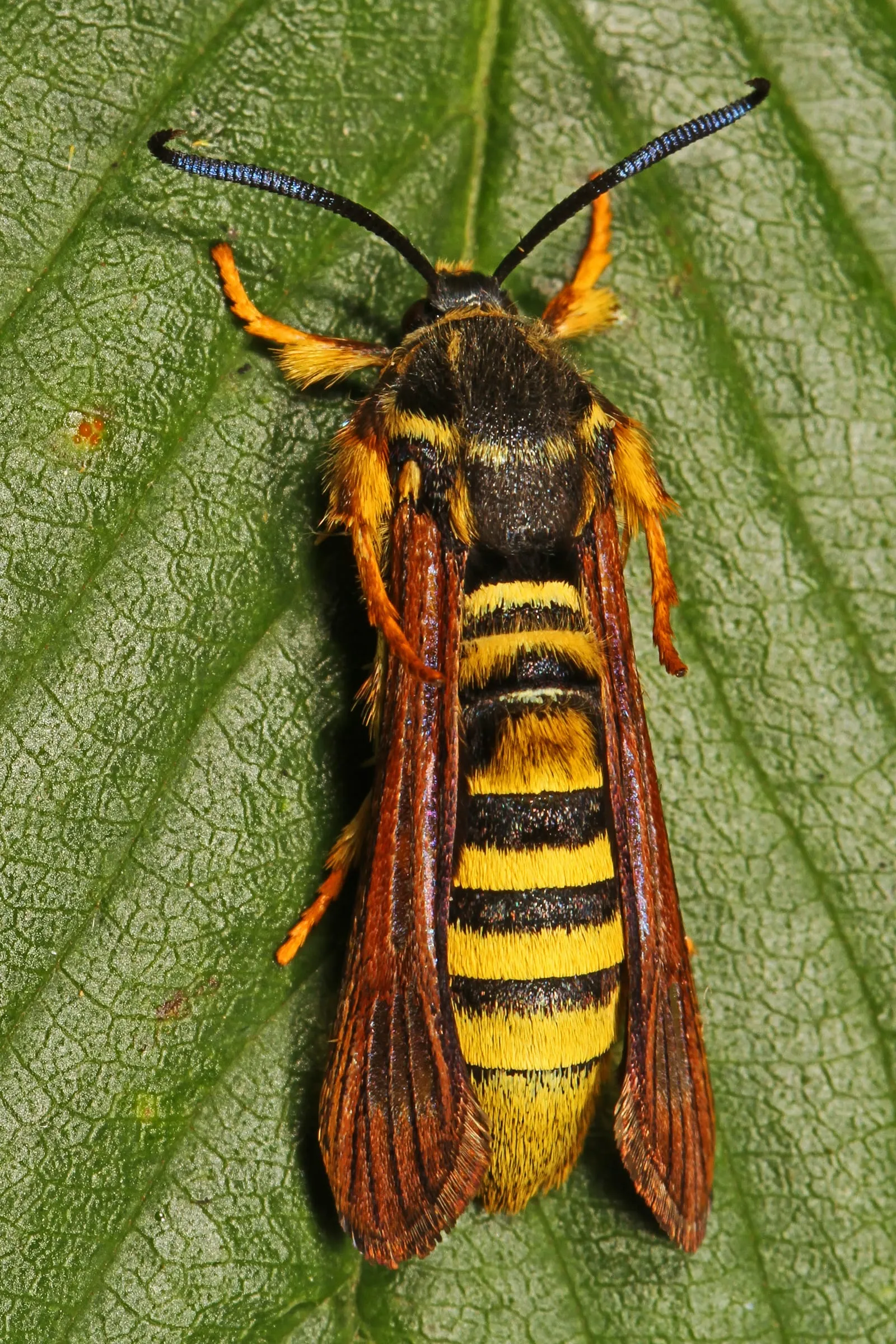
Pennisetia marginata
Clearwing moth whose larvae feed in the crown and lower canes of raspberries, often killing entire plants over two years.
Multiple species
Robins, catbirds, mockingbirds, starlings, cedar waxwings and other songbirds can strip ripening berry and fruit crops in days. Crows and blackbirds also damage fresh sweet corn ears in milk stage. The single biggest yield-loss factor in unprotected home plantings.
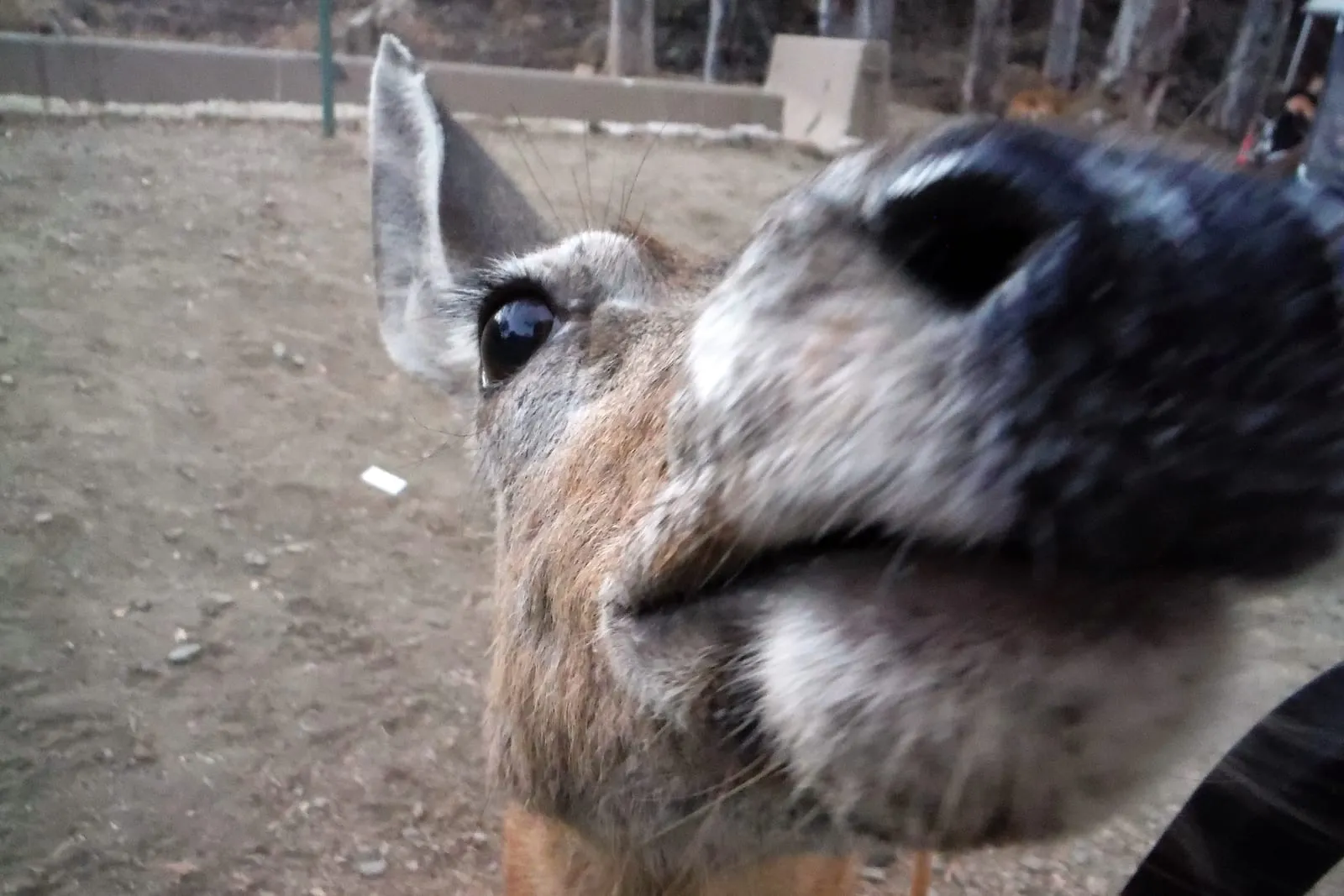
Odocoileus species
Whitetail and mule deer browse can devastate orchards and gardens, particularly in winter when food is scarce. Antler rub on young trunks kills saplings outright.
Common challenges
Gray mold (Botrytis cinerea) is the leading cause of crop loss, especially in humid climates. Yellow raspberries are more susceptible than red types because the fruit ripens softer and the skin is thinner. Management is primarily cultural: keep rows narrow to maximize airflow, remove fruiting floricanes immediately after harvest, pick fruit promptly since overripe fruit accelerates spread, and avoid overhead irrigation. Fungicide applications at bloom help in high-pressure seasons but don't substitute for canopy management. The Cornell Raspberry Production Guide recommends removing all spent floricanes in fall rather than waiting until spring.
Chill-hour mismatch is the slow failure. Growers in zones 7b and 8a sometimes plant everbearing cultivars without verifying local winter chill accumulation. In warm winters, primocanes may break dormancy unevenly, produce weak lateral growth, and yield poorly for multiple seasons before the planting is written off. Checking historical chill-hour data for the specific site, not just the general zone, is worth the step before ordering plants.
The cane disease complex (anthracnose, cane blight, spur blight) progresses quietly until a significant portion of the planting is compromised. Starting with certified disease-free planting stock, removing infected canes at the soil line as soon as symptoms appear, and maintaining a disciplined two-year cane rotation are the foundational controls. Michigan State Bramble Production covers identification and management thresholds for each pathogen in the complex.
Companion plants
Frequently asked questions
- How many chill hours do yellow raspberries need?
Most yellow raspberry cultivars require 800 to 1,600 hours below 45°F to break dormancy properly and produce well. The range reflects variation across cultivars: cold-hardy selections like Fall Gold and Honey Queen sit toward the higher end, while warmer-climate plantings often struggle when chill accumulation falls short of 800 hours.
- How long from planting to first harvest?
Expect 30 to 50 days from fruit set to ripe harvest once the canes are established. In the planting year, most growers see a modest fall crop from everbearing types; a full harvest typically develops in year two and beyond.
- What USDA zones support yellow raspberry?
Yellow raspberry grows reliably in zones 3b through 8a. Performance is strongest in zones 4 through 7. Zone 8a is marginal, particularly in the Southeast, where warm winters may not provide sufficient chill hours and summer humidity intensifies disease pressure.
- Do yellow raspberries need a pollinator?
No. Yellow raspberries are self-fertile and do not require a separate pollinator variety to set fruit. Planting multiple cultivars can extend the harvest window but is not necessary for fruit production.
- What is the most common disease problem with yellow raspberry?
Gray mold (Botrytis cinerea) is the most frequent and damaging disease, especially in humid regions. Yellow raspberries are particularly vulnerable because of their soft skin. Good airflow through the row, prompt cane removal after harvest, and avoiding overhead irrigation are the primary controls.
- What is the difference between everbearing and summer-bearing yellow raspberry?
Everbearing types (Anne, Fall Gold) produce two crops: a summer crop on second-year floricanes and a fall crop on new primocanes. Summer-bearing types (Honey Queen) produce one crop in early summer. In zones 7 and above, the fall crop from everbearing types can be cut short by early frost, making summer-bearing types a reasonable alternative.
- How long does a yellow raspberry planting last?
A well-managed planting typically remains productive for 8 to 12 years. Longevity depends heavily on soil drainage, disease management, and consistent cane renewal. Plantings that develop significant cane disease or root rot often decline by year 5 or 6.
+−
+−
+−
+−
+−
+−
+−
Sources
Image: "Golden Raspberries", by Jonathan Cardy, via Wikimedia Commons, licensed under CC-BY-SA 3.0. Source.

Yellow Raspberry by zone
Related